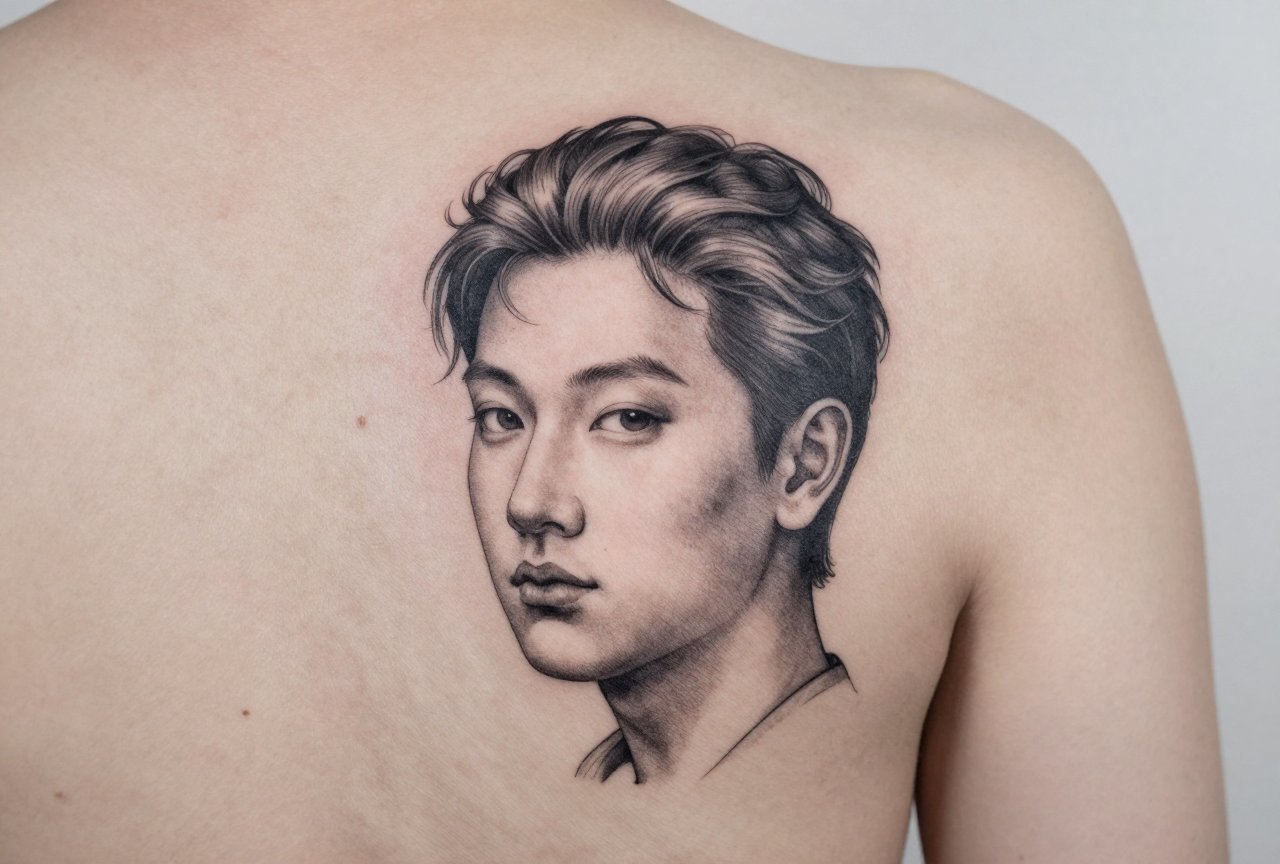
A chin tattoo is one of the most deliberate, visible statements you can make with ink. It sits front and center, impossible to hide, which means the meaning runs deep: identity, defiance, cultural connection, or simply owning your own narrative without apology.
Symbolism & History
I’ve tattooed chins for fifteen years, and every single person in my chair has a story that outweighs the pain. This placement isn’t accidental, it’s chosen because the face is where the world reads you first.
Indigenous & Cultural Roots
The chin carries profound weight in several Indigenous traditions. Māori tā moko often includes the chin area as part of facial tattooing that denotes genealogy, status, and personal history. Inuit women historically received chin tattoos, kakiniit or tavlugun, marking milestones, mourning, or protection. These weren’t decorative; they were lived identity, carved into the most visible canvas.
When clients come in seeking chin work that connects to heritage, I always ask them to sit with it. This isn’t borrowing aesthetics. It’s carrying something forward. The line weight, the pattern flow, the way it sits on the bone structure, all of it matters differently when there’s blood memory involved.
Modern Reclamation & Personal Symbolism
Outside specific cultural contexts, chin tattoos have become a symbol of unapologetic self-definition. I’ve heard it described as “wearing your truth where you can’t take it back.” The meaning shifts person to person:
- Survivors marking what they’ve overcome
- Artists claiming their body as their billboard
- Gender-nonconforming folks rejecting conventional beauty standards
- People simply done with hiding
The common thread? Visibility as vulnerability and strength simultaneously.
Common Variations & Styles
Not all chin work reads the same. The style changes the meaning as much as the image itself.
Central Chin Pieces
A single design centered under the lip, think small symbols, words, or ornamental patterns. This draws the eye to the mouth, amplifying whatever you say. I’ve done roses, snakes, geometric mandalas, and plain text here. The skin is thin, sits on bone, and heals with a tendency to blur slightly at edges if the artist pushes too hard or the client picks at it.
Line work ages better than heavy shading in this spot. The chin moves constantly, talking, eating, expressing, and that motion breaks down soft gradients faster than crisp boundaries. I tell clients: if you want it to read clean in ten years, choose bold lines over delicate wash.
Side Chin & Jaw Extensions
Work that wraps from cheek onto chin or extends down the jaw reads differently. It frames the face rather than punctuating it. These pieces often connect to larger neck or throat work, creating a continuous flow. The meaning here tends toward integration, this tattoo isn’t an isolated statement but part of a larger personal language.
- Script and lettering: quotes, names, dates
- Floral and organic: growth, decay, natural cycles
- Blackwork and ornamental: pattern as protection, rhythm as meditation
- Small icons: anchors, eyes, moons, compact symbols with personal code
Best Placements
The chin isn’t one uniform surface. There’s the point, the submental area under the jaw, the lateral sides where chin meets jawline. Each carries different visibility and different pain profiles.
Direct center under the lip, what we call the “soul patch zone”, hurts more than you’d expect. The skin is thin, nerve endings dense, and you’re working directly on the mental protuberance. I’ve seen tough clients tap out here who sat fine for rib pieces. The tradeoff is maximum visibility; there’s no angle where this hides.
Under the chin, the submental area, is easier to conceal by tilting the head. I’ve done pieces here for people in conservative professions who want the meaning without the daily confrontation. The skin is softer, more forgiving for shading, but check your artist’s portfolio, this area can blow out if they don’t adjust their hand speed for the different tissue density.
Sides of the chin blend into jawline work. The bone edge creates a natural frame. Healing here is tricky; the constant jaw motion means more scabbing and longer settle time. I always warn clients: two weeks minimum before the skin stops feeling tight and shiny.
Who Chooses This Tattoo / Personal Meanings
In my chair, chin tattoo people share a specific energy. They’ve usually thought longer than average. They’ve weighed the social cost. They’re not impulse clients.
The Profile I See Most
Artists, musicians, sex workers, activists, people who’ve rebuilt themselves after something, these are my regular chin clients. Not because the tattoo defines them, but because they’ve already lived visibly and the ink catches up to the reality. I’ve tattooed a domestic violence survivor who wanted her chin piece where he used to grab her. I’ve tattooed a trans man marking his first year on testosterone. I’ve tattooed a grandmother who finally stopped caring what her church thought.
The meaning is rarely simple. It’s layered, sometimes contradictory, always personal.
What It Communicates
A chin tattoo signals that you’ve made a choice you can’t easily reverse. In a culture of endless options and temporary identities, that’s its own meaning. It says: I committed to something. It says: I accept the consequences of being seen. It says: this matters enough to wear on the hardest-to-hide part of my body.
Some clients regret the social friction. I’ve never had one regret the meaning.
Similar Symbols
If the chin placement resonates but you’re not ready, related placements carry overlapping symbolism with different intensity.
- Throat tattoos: Similar visibility, voice-centered symbolism, easier to cover with a turtleneck
- Behind-the-ear work: Whispers, secrets, selective revelation, visible but not confrontational
- Hand and finger tattoos: Daily visibility, social stigma parallels, professional consequences
- Face tattoos generally: The chin is actually the most “acceptable” facial placement; cheeks and forehead read more extreme to mainstream eyes
I’ve had clients start with throat work, move to chin, then expand. The progression makes sense: you’re testing your own tolerance for being seen, then committing more fully.
Final Thoughts
Chin tattoo meaning lives in the tension between what you claim and what the world projects onto you. I’ve watched clients glow with the completion and I’ve watched them cry in the mirror the next morning, not from regret but from the shock of finally being unhideable. Both responses are valid. Both are part of it.
If you’re considering this placement, sit with it longer than you think necessary. Research artists who specialize in facial work, not every shop will do it, and not every artist should. The skin here is unforgiving, the social stakes real, and the healing demands discipline. But the meaning? That part is yours alone, worn where everyone has to meet it.
Frequently Asked Questions
Does a chin tattoo hurt more than other face tattoos?
The center under the lip is genuinely intense, thin skin, dense nerves, direct bone contact. Sides and under-chin areas vary by person. I’ve had clients say it rivaled ribs; others found it manageable. Everyone’s pain threshold differs, but expect it to be memorable.
How well do chin tattoos age over time?
Line work holds up better than soft shading because the chin moves constantly with speech and expression. Bold, simple designs age cleaner than intricate detail. Sun exposure is your enemy here, this area gets daily UV, so SPF becomes non-negotiable for longevity.
Will a chin tattoo affect my job prospects?
Honestly? Yes, in many fields. Some industries have shifted, but facial tattoos still carry stigma in conservative workplaces. I always tell clients: assume you’ll need to own this choice completely. Covering it is nearly impossible without strategic beard growth or makeup, and neither is reliable.
What’s the healing process like for chin tattoos?
Expect two weeks of visible healing, sometimes longer. The area scabs heavily because of constant movement, talking, eating, facial expressions all disrupt the resting skin. You’ll need to modify how you eat initially, avoid aggressive tooth brushing near the area, and resist the urge to pick. The scabbing is normal; let it fall naturally.
Related Tattoo Meanings
- Circular Tattoo Meaning: Symbolism, Styles Why People Get Them
- Coyote Tattoo Meaning: Trickster, Survivor, Wild Spirit
- Dagger Through Rose Tattoo Meaning: Love, Pain Protection
- Explore more