I’ve watched thousands of clients walk into my shop with phone screenshots, Pinterest boards, and Instagram saves. Some know exactly what they want. Most are drowning in options. Finding tattoo ideas online should be exciting, not overwhelming. After twelve years in the chair, I’ve learned how to help people sort the noise from the real inspiration. Here’s what actually works when you’re hunting for your next piece on the internet.
Popular Styles You’ll See Online
Scroll long enough and you’ll notice the same styles dominating every platform. That’s not always bad. These styles are popular because they photograph well and translate reliably to skin.
What Actually Holds Up
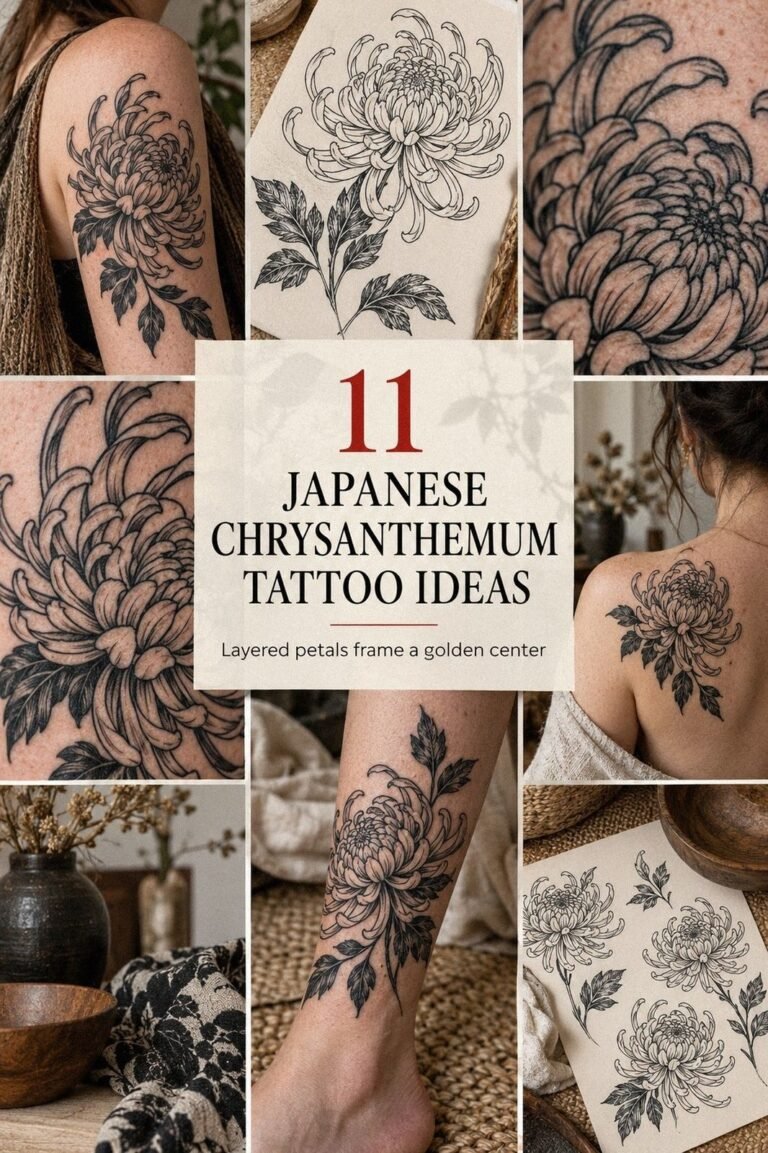
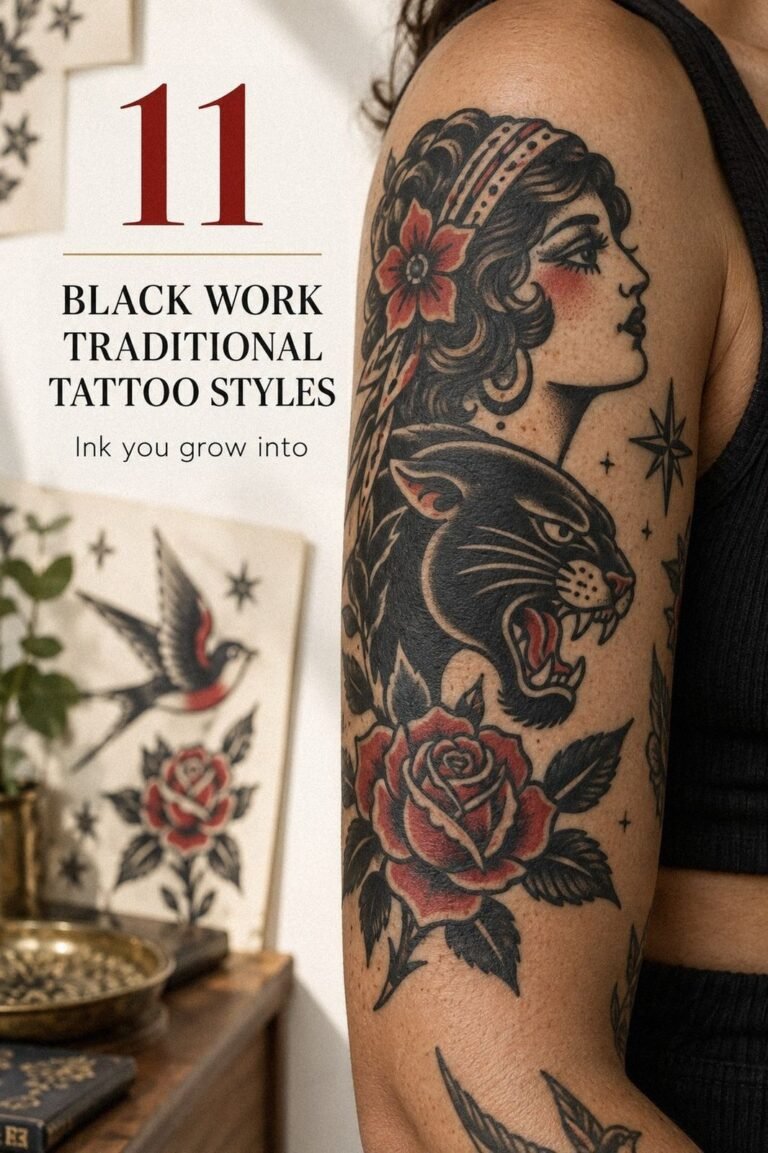
Traditional American and Japanese work floods my DMs. Bold lines, limited color palettes, readable from across the room. I’ve tattooed hundreds of traditional roses and koi fish from reference clients found online. The reason these stay popular? They age gracefully. Thick black outlines don’t blur into mush after five years.
Fineline and single needle work gets massive traction on Instagram. I warn clients: what looks delicate and ethereal in a fresh photo often heals softer than expected. That whisper-thin script? In my chair, I tell people it’ll need touch-ups. Still beautiful, just different from the screen.
- Neo-traditional: bolder than fine line, more flexible than strict traditional
- Black and grey realism: portraits, animals, religious imagery
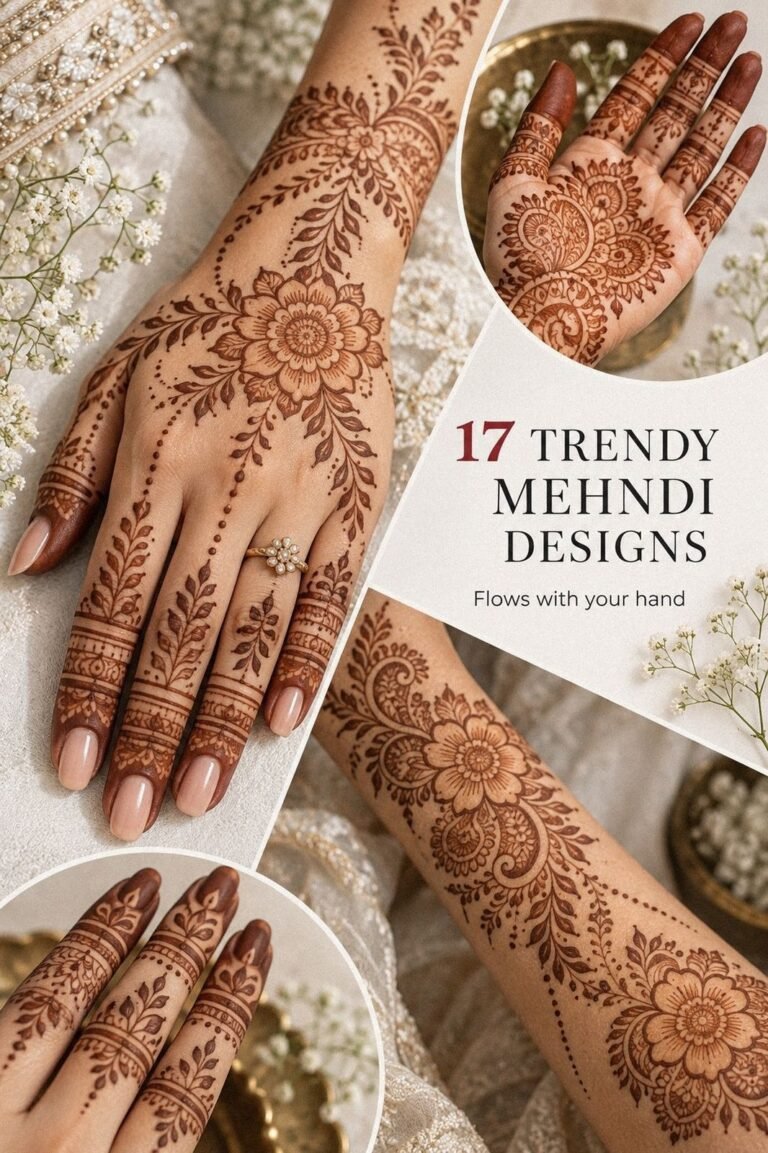
- Abstract and ornamental: geometric patterns, ornamental mandala derivatives
- Ignorant style and cartoon work: bold, flat, intentionally “wrong”
The Algorithm Trap
Here’s what we see a lot: someone falls in love with a style because their feed won’t stop serving it. They book for fineline botanicals because that’s what TikTok pushes. Six months later they’re back wanting something darker, heavier, more saturated. The algorithm doesn’t know your skin, your lifestyle, or how you actually dress. I always ask: would you wear this on a t-shirt? For ten years?
Design Ideas That Translate Well
Online inspiration falls into two categories: direct copies and starting points. Smart clients bring both. I can work with either, but I prefer the second.
Personal Symbolism vs. Trending Motifs
Snakes, moths, moons, celestial bundles. These cycle through Pinterest like weather patterns. I’ve tattooed the same snake-and-dagger composition three times in one month from different online sources. There’s nothing wrong with popular imagery. I just ask clients: what does this actually mean to you? If the answer is “it looked cool on Instagram,” we talk longer.
Meaningful design ideas I see work beautifully online: handwriting from deceased relatives, coordinates from formative places, pet portraits from actual photos. These start digital but become deeply personal in the skin.
- Floral with specific birth-month connections
- Animal totems tied to actual life experiences, not just aesthetic
- Text in languages you actually read and speak
- Coordinates, dates, or map fragments from real locations
Reference vs. Stealing
Every artist I know has had someone walk in wanting to copy another person’s custom tattoo exactly. We decline. What works: bringing multiple references, explaining what draws you to each, letting your artist synthesize something original. The best online research collects fragments, not finished pieces.
Best Placements for Online Finds
Your screen doesn’t show how a design flows with anatomy. I’ve had clients fall in love with sternum pieces they found online, then realize in my chair that their body type makes the composition collapse. Placement changes everything.
High-Visibility vs. Hidden
Forearms, calves, shoulders. These photograph well for artists, so they dominate online galleries. They’re also forgiving for first-timers. I steer online researchers toward these when they’re nervous. The skin is stable, the healing is straightforward, and you can see what you’re getting.
Ribs, sternum, feet, hands. These placements get romanticized in mood boards. The reality: ribs hurt more than videos suggest, hands blur and fade fast, feet heal poorly because of friction and sweat. I tattoo them regularly, but I make sure clients found these ideas with eyes open.
- Upper arm/shoulder: classic canvas, easy to build around later
- Thigh: large area, less pain, hides or shows easily
- Back: huge real estate, but you’ll rarely see it yourself
- Behind ear/neck: trendy online, limiting for future work
Flow and Movement
Static images online don’t flex, twist, or stretch. A mandala that looks perfect flat becomes oval when your arm bends. I always trace and move the stencil before we commit. Good artists do this automatically. When you’re researching online, imagine the design in motion, not just posed.
Color Choices: Screen vs. Skin
Monitors lie. That saturated teal you love? It might not exist in tattoo ink. The pastel pink? It’ll heal closer to skin tone, especially on darker complexions. I’ve learned to manage expectations hard on this front.
What Heals True
Black and grey is the safest bet from online research. It heals predictably, ages slowly, and reads clearly at every stage. I tell clients who bring colorful digital art: we can get close, but skin isn’t paper. The subdermal layer, the healing process, your individual melanin. All of it shifts the final result.
- True black: most stable, longest-lasting, highest contrast
- Reds and oranges: generally hold well, but vary by brand
- Yellows and pastels: often need more saturation than screens show
- White: not really white on most skin, more like highlight/texture
Skin Tone Considerations
Most online galleries show tattoos on light skin. If that’s not you, search specifically for healed work on skin similar to yours. I point clients to artists who regularly document diverse skin tones. The same blue reads completely differently. Honest research prevents disappointment.
Tips for Choosing From Endless Options
The internet offers infinite tattoo ideas. That’s the problem. Here’s how I watch successful clients narrow down.
Save Everything, Then Wait
I recommend a thirty-day folder. Drop every image that catches you. Don’t look for a week. Then scroll through. Half will feel foreign. The ones that still resonate after distance? Those are worth exploring. Impulse bookings from late-night scrolling are my least favorite appointments. The energy is anxious, not committed.
Find Artists, Not Just Images
The best online research leads to specific tattooers, not anonymous pins. When you find a style you love, trace it to the artist. Follow their healed work, their process videos, their shop culture. Book with them specifically rather than asking a random artist to replicate someone else’s specialty. I turn down work outside my strengths constantly. Good artists do. Find the right match.
- Check healed photos, not just fresh work
- Read reviews mentioning longevity, not just bedside manner
- Look for consistency in an artist’s portfolio, not one viral hit
- Consider travel for the right person; good tattoos are permanent, distance is temporary
Budget Reality
Online inspiration rarely includes price tags. That full sleeve you found? Probably sixty to eighty hours. At decent rates, that’s serious money. I respect clients who research cost alongside imagery. It shows respect for the craft. Small, clean work from a great artist beats large mediocre work every time.
Final Thoughts
The internet is a goldmine and a trap for tattoo research. I’ve seen clients find powerful inspiration and I’ve watched them paralyze themselves with options. The difference is usually intention. Know why you’re drawn to something. Know how it lives on actual bodies, not just screens. Know your artist’s specific strengths.
Your tattoo will outlast every device you browse on. The research phase matters, but it’s just the opening chapter. The real story happens in the chair, in the healing, in the decades of living with what you chose. Make sure your online hunt serves that longer narrative. Bring your references, bring your questions, but most of all bring your patience. The right piece is worth finding slowly.
Frequently Asked Questions
How do I know if an online tattoo design will look good on my specific body?
Bring it to a consultation and let the artist stencil it on. We move the transfer around, check it standing and sitting, and see how it flows with your muscle structure. Screens can’t show that. A good stencil session reveals what Pinterest never will.
Why do tattoos I see online look brighter than healed ones in person?
Fresh tattoos are photographed right after completion, when the skin is irritated and the ink sits superficially. Healed work settles into the dermis, and the top skin layer adds a natural filter. That saturation drop is normal and expected.
Is it okay to bring an exact screenshot and ask my artist to copy it?
If it’s another person’s custom tattoo, most ethical artists will decline. We can use the screenshot as a mood reference and create something original in that direction. Copying someone else’s commissioned work is considered disrespectful in shop culture.
How far ahead should I book after finding an artist online?
Established artists with strong online portfolios often book three to six months out. Some longer. Use that waiting period to refine your idea. Rush bookings usually mean less preparation and more compromise on both sides.
More Tattoo Ideas
- Tattoo Ideas USA: What Americans Actually Get
- Voodoo Tattoo Ideas That Actually Work on Skin
- American Traditional Tattoos: A Working Artist s Guide
- Explore more