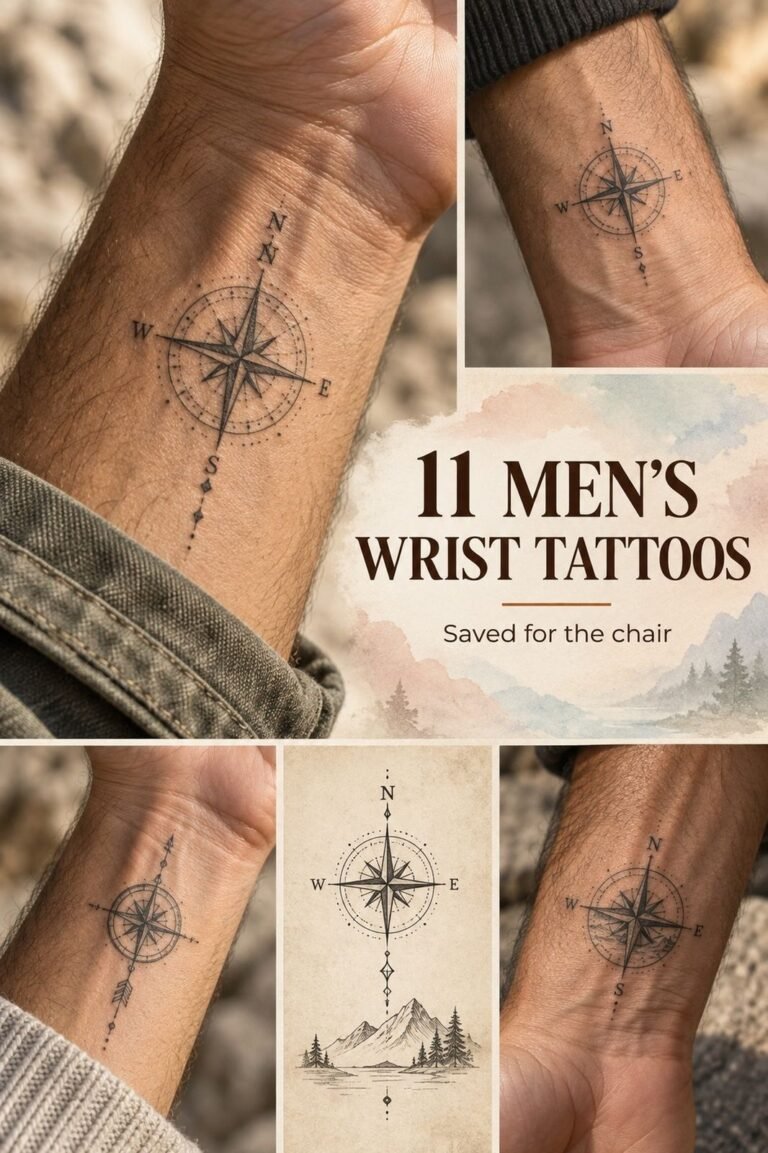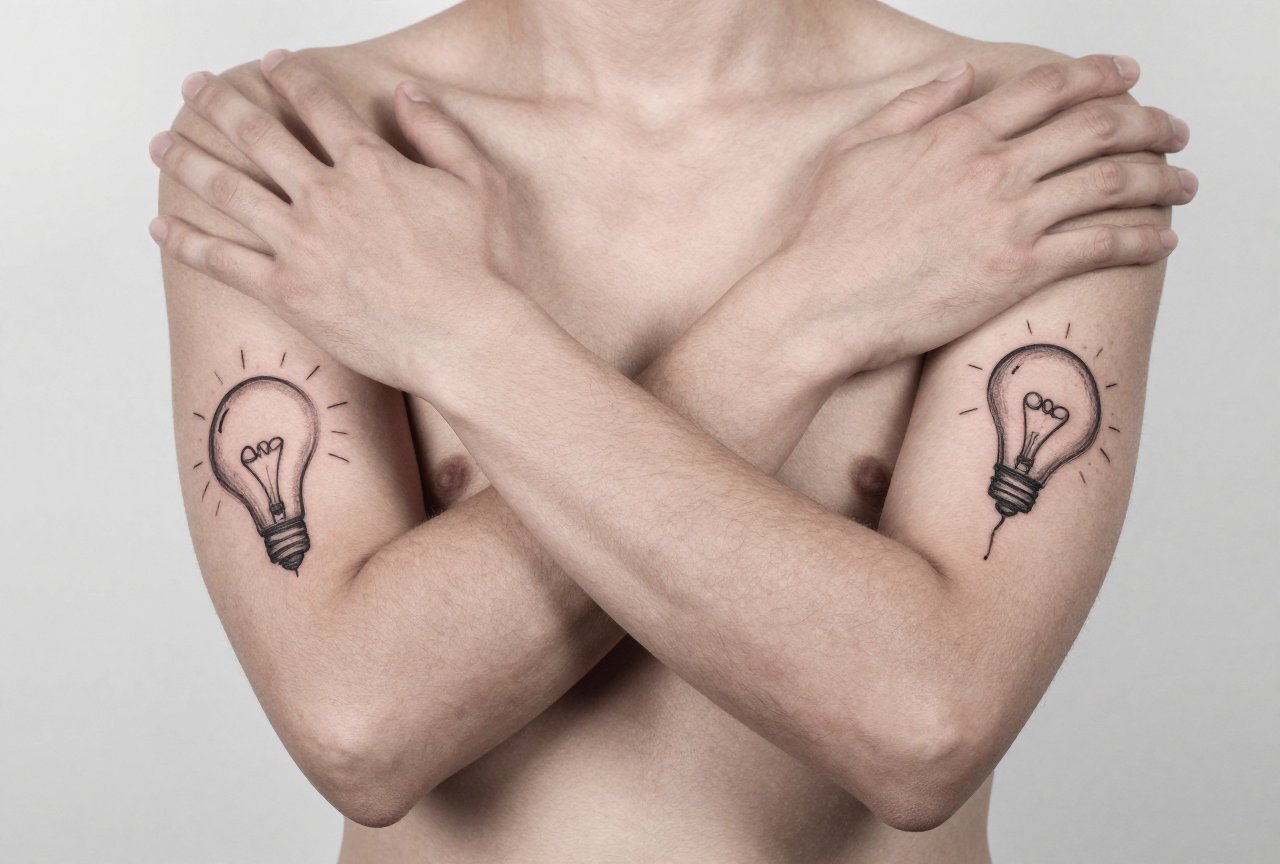
Arms are the gateway drug of tattooing. I’ve tattooed thousands of them over the years, and I can tell you: there’s a reason they’re the first spot most people choose. Easy to show off, easy to hide, and the canvas is forgiving. But “arm tattoo” covers a lot of ground. Bicep hits different than inner forearm. A full sleeve is a completely different conversation than a single piece above the elbow. I’ve watched clients walk in with Pinterest boards full of ideas that won’t work on their build, their skin tone, or their pain tolerance. So let’s break this down like we’re talking at the shop counter, no fluff, just what you actually need to know.
Popular Styles That Hold Up
Not every style ages well on arms. I’ve seen fine-line pieces blur into gray mush after five years on the outer forearm, where sun hits hardest. I’ve also seen bold traditional work look crisp a decade later. Here’s what actually works in real skin.
Traditional and Neo-Traditional
Bold lines, limited color palette, strong black outlines. These were designed for arms specifically, sailors needed art that survived salt, sun, and hard living. I tell clients: if you want something that still reads clean in ten years, this is your safest bet. The skin on arms moves a lot, especially around the elbow and wrist. Traditional designs account for that stretching with their thick lines and simple shapes.
- Ships, anchors, roses, eagles, classic motifs that never look dated
- Neo-traditional adds more color gradation but keeps the strong outline
- Best on: outer bicep, upper arm, forearm flat
- Avoid: right on the elbow ditch unless you want frequent touch-ups
Black and Gray Realism
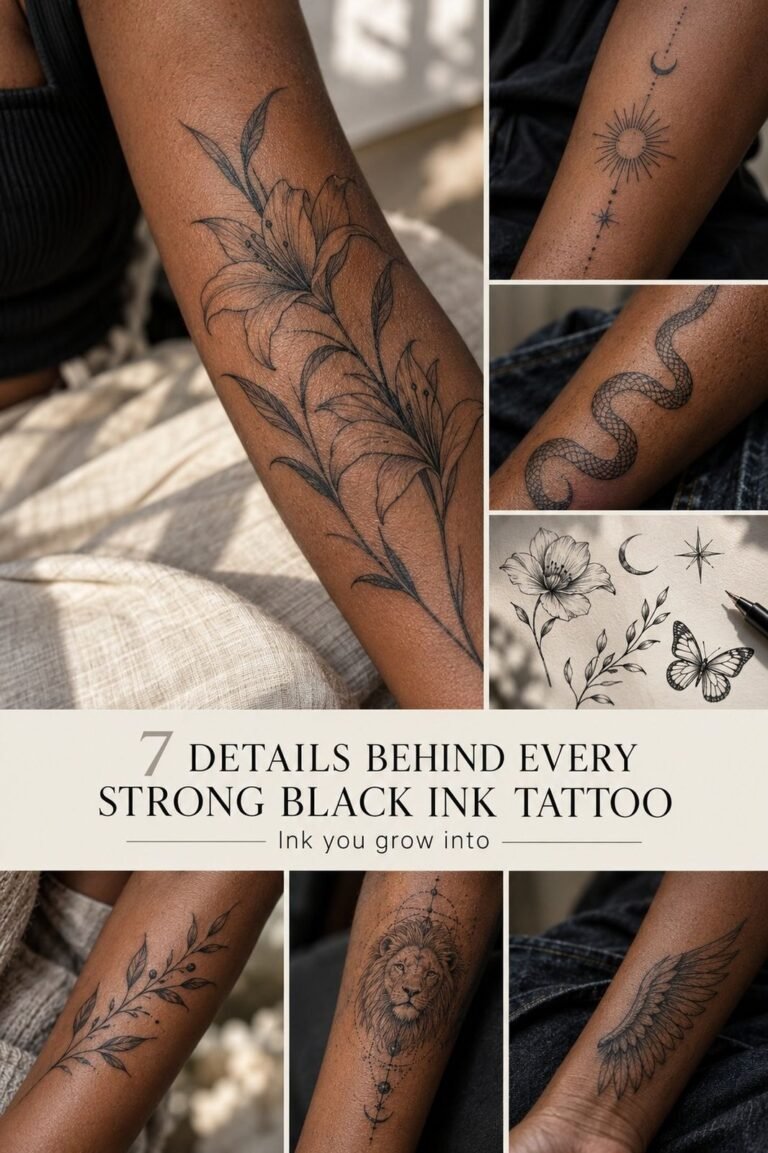
This is what walks through the door most days now. Portraits, animals, religious imagery. The trick is finding an artist who actually understands how black ink heals in skin versus how it looks fresh. Fresh black and gray looks almost charcoal; healed, it drops 30-40% lighter. I always push clients toward slightly darker values than they think they want. On arms, this style works anywhere but heals softest on the inner bicep where there’s less sun exposure.
Design Ideas That Make Sense
Placement should drive design, not the other way around. I’ve had too many people bring me a square image they want wrapped around a cylindrical arm. It doesn’t work. The shape of your muscle, the way your arm hangs, the direction of hair growth, all of this matters.
Flowing With the Arm
Long vertical designs follow the natural line of the forearm. Snakes, koi fish, script, floral vines. These draw the eye up and down, making the arm look longer. I did a Japanese dragon on a client’s forearm last month that started at his wrist and curled toward the inner elbow. The curve matched his muscle exactly. That’s the goal, tattoo and body working together.
- Wraparound bands: popular but tricky; they need to read from every angle
- Mandala or geometric centerpieces: best on the inner or outer bicep where the surface is flatter
- Patchwork collections: small unrelated pieces filling space over years; very common in American traditional
- Single large statement piece: demands commitment but ages better than scattered small work
What We See Too Much Of
Infinity symbols with feathers. Roman numerals in straight lines across the inner bicep. “Believe” in cursive. I’m not judging anyone’s meaning, but these designs fight the arm’s shape. Straight horizontal lines warp when you flex. I’ve had to explain this to clients who don’t want to hear it. The tattoo will look crooked because your body isn’t flat. Curved script, angled placement, or breaking the line into pieces solves this.
Best Placements and the Real Talk on Pain
Everyone asks “does it hurt?” The honest answer: yes, but some spots are worse than others, and everyone has a different threshold. I’ve had grown men tap out on the inner wrist and come back laughing through a rib piece. Bodies are weird.
- Outer bicep/upper arm: Easiest spot. Thick skin, some padding, lots of muscle. Most people’s first tattoo. I can work here for hours without breaks.
- Forearm flat: Moderate. Bone is close to the surface but the skin is tough. Heals reliably. Very popular for visible professional work.
- Inner bicep: Tender. Soft skin, lots of nerve endings, and that weird tickle-pain mix that makes people squirm. Also one of the best-healing spots because it’s protected.
- Elbow ditch and back of elbow: Brutal. Thin skin, constant movement, and the bone is right there. I schedule these with buffer time because clients need breaks. Heals rough too, every bend of the arm stresses the scab.
- Wrist and inner wrist: Bone city. The inner wrist has visible tendons and thin skin. Pain is sharp, not dull. But it’s over fast for small pieces.
Full sleeves require planning. I won’t start a sleeve without knowing the ending. Each piece needs to connect, or you get that “patchwork sleeve” look that some people want but most regret. Negative space becomes as important as the ink. We talk about this in the consultation, where will the skin breathe? Where will the eye rest?
Color Choices: What Lasts on Arms
Arms get sun. Even if you’re diligent with sunscreen, they’re exposed more than your back or thigh. This changes how color behaves.
Black and Gray
Always the safest choice for longevity. Black ink is carbon-based and stable. Gray wash (black diluted with water or mixing solution) creates tone but fades faster than solid black. I use gray wash for soft backgrounds and solid black for lines and key shapes. On arms, especially outer forearms, I push for more black than clients initially want. It heals lighter. Trust the process.
Color Realism and Watercolor
Bright color pops on lighter skin tones but needs maintenance. Red and yellow fade fastest. Blues and greens hold better. I’ve seen watercolor styles look stunning fresh and muddy in three years. The lack of black outline means nothing holds the color in place as skin ages and shifts. If you want color, commit to touch-ups every few years. No shame in that, just know what you’re signing up for.
- Jewel tones (deep emerald, sapphire, burgundy) age better than pastels
- White ink: almost invisible on darker skin, yellows on everyone eventually
- UV/blacklight ink: gimmicky, questionable safety, most reputable artists won’t touch it
Tips for Choosing: Shop Culture and Real Conversations
Here’s what I wish every client knew before sitting in my chair.
- Bring reference, not prescriptions. I need to know what you like, not exactly what you want copied. Good artists adapt designs to your specific arm shape.
- Size matters more than detail. A design with twenty tiny elements needs to be big enough or it’ll blur together. I tell people: if you can’t cover it with a soda can, it probably needs to be bigger or simpler.
- Think about your future self. That inner bicep piece looks great in the mirror now. Will it still make sense when you’re fifty? Some tattoos are time capsules of who you were. That’s valid. But know the difference.
- Budget for quality, not speed. A full sleeve from a skilled artist is twenty to forty hours minimum. Anyone promising less is rushing or inexperienced. Good tattoos aren’t cheap. Cheap tattoos aren’t good.
- Healing is on you. I can tattoo perfectly, but if you swim in a lake three days later or let your cat sleep on it, that’s your result. Follow aftercare. Keep it clean, keep it moisturized, keep it out of the sun while healing.
In my shop, we see a lot of cover-ups. Most are arm pieces done elsewhere with no thought to longevity. The regret isn’t usually the image, it’s the execution. Thin lines that blew out. Color that faded to mud. Placement that warped with movement. These are preventable with the right artist and the right conversation upfront.
Final Thoughts
Your arm is a billboard and a diary at the same time. It’s visible when you want it to be, hidden when you need it. That flexibility makes it the most democratic placement in tattooing. But it also means you’ll live with the result in professional settings, family gatherings, and random Tuesday grocery runs. Choose something that feels like you, not like the algorithm served you. Talk to artists who ask about your life, your build, your plans. The best arm tattoos I’ve done came from real conversations, not just image searches. Your skin deserves that respect.
Frequently Asked Questions
How long does a full arm sleeve take to complete?
Most full sleeves need twenty to forty hours across multiple sessions, depending on complexity and style. We usually space sessions three to four weeks apart to let healing happen between sittings. Black and gray work often moves faster than dense color.
Will arm tattoos stretch if I build muscle?
Moderate muscle gain won’t ruin a tattoo, but dramatic size changes can distort the image. I place designs to account for natural movement, and we avoid putting fine detail directly over the peak of the bicep if you’re actively bulking.
Can I get an arm tattoo if I have a darker skin tone?
Absolutely. Black and gray work beautifully on all skin tones. For color, I recommend jewel tones and designs with strong black outlines so the contrast reads clearly. Some pastels and light colors simply won’t show up well, your artist should be honest about this.
How do I sleep with a fresh forearm tattoo?
Keep it wrapped the first night if your artist recommends it, then sleep with the tattoo exposed to air. Avoid letting your arm press against pillows or sheets that might stick. I tell clients to sleep on their back or opposite side for at least three days.
More Tattoo Ideas
- Finding Tattoo Ideas Online That Actually Work
- Tattoo Ideas USA: What Americans Actually Get
- Voodoo Tattoo Ideas That Actually Work on Skin
- Explore more