Tattooing is a multi-step process that moves from design and stencil placement through needle work and aftercare. Understanding each stage helps you walk into a shop with confidence, ask better questions, and know what quality looks like while it happens. Here’s how a professional tattoo comes together from start to finish.
Before the Needle: Design and Setup
Consultation and Artwork
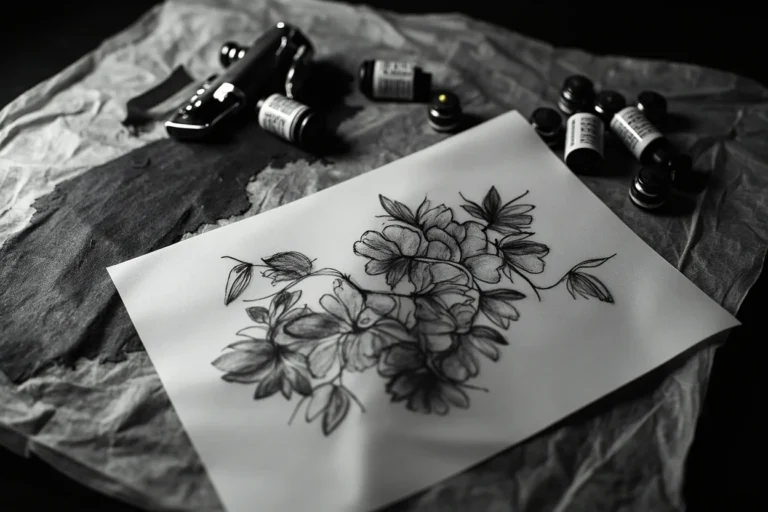
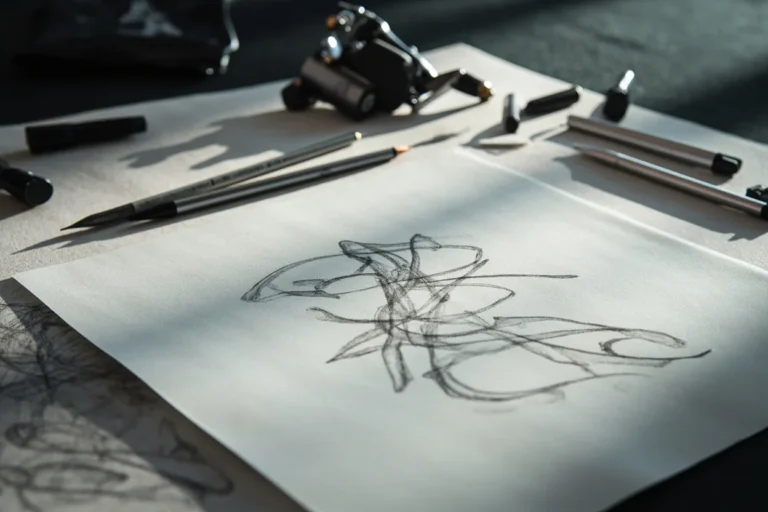
Every tattoo begins with a conversation. You’ll discuss size, placement, style, and any reference images you bring. The artist then draws or adapts your design, often sending a digital mock-up for approval. Black-and-grey realism requires different planning than bold traditional or fine-line work. Color saturation, skin tone, and how the design flows with body contours all factor into the final drawing.
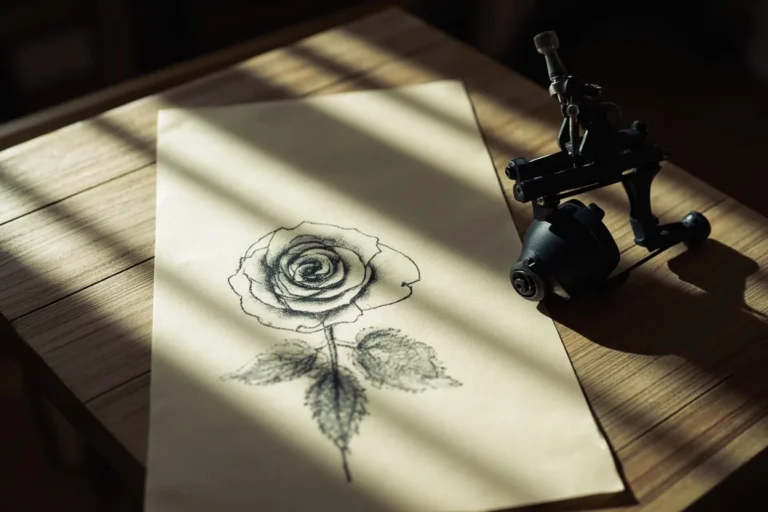
Once approved, the artist prints the design as a stencil. This purple or blue carbon outline transfers onto your skin and serves as the roadmap for the entire session. Stencil placement is critical, poor positioning throws off balance and readability, especially on curved areas like forearms, calves, or ribs.
Station Preparation
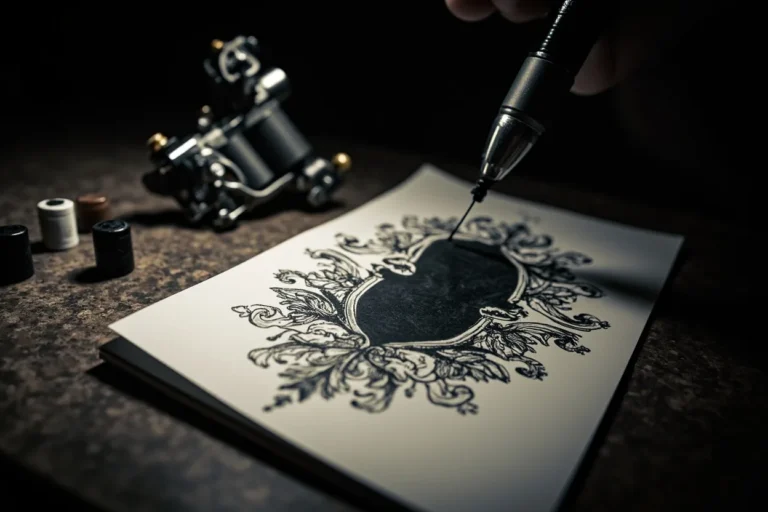
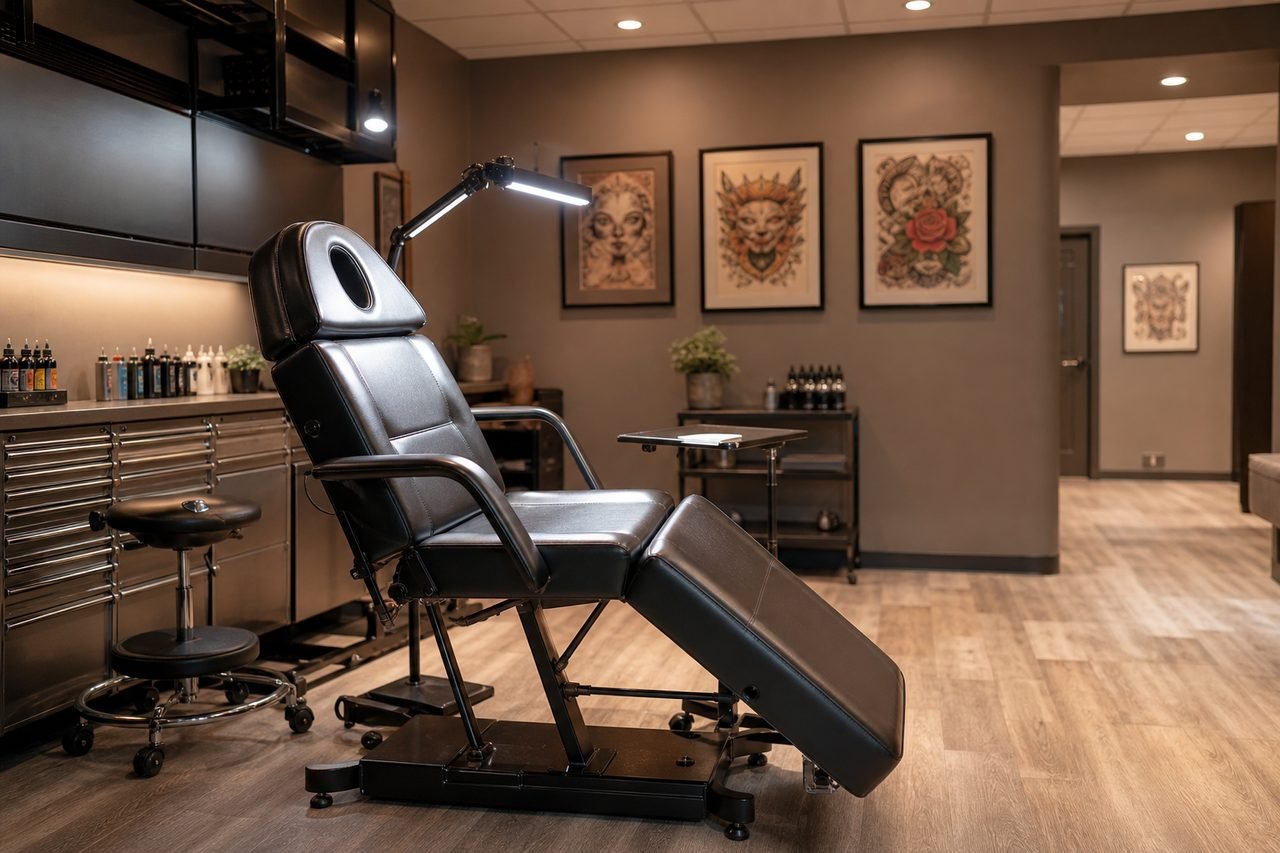
Artists unwrap single-use needles, grip covers, and ink caps from sterile packaging in front of you. The work surface gets covered in barrier film. They’ll set up their machine, coil or rotary, for the specific task: lining, shading, or color packing. Ink gets squeezed into small disposable caps, never dipped directly from bottles to prevent cross-contamination.
- Needles are always single-use and disposed of in sharps containers
- Gloves are changed whenever the artist touches non-sterile items
- The stencil is allowed to dry completely before work begins
Skin Prep and Stencil Application
The target area gets shaved with a disposable razor, then cleaned with a green soap or alcohol solution to remove oils and dead skin. This prevents infection and helps the stencil adhere properly. The artist applies the stencil paper, presses firmly, then peels it back slowly to reveal a crisp purple outline.
You’ll check placement in a mirror. Move your limb through normal range of motion. A bicep tattoo shifts significantly when the arm flexes; a sternum piece compresses differently when you breathe deeply. Speak up now, once lines go in, there’s no moving the design.
After placement confirmation, the artist often applies a thin layer of petroleum jelly or stencil stay. This keeps the skin lubricated during early passes and prevents the stencil from wiping away prematurely.
Lining: Building the Foundation
How Linework Actually Works
Lining establishes every edge and contour. The artist loads a round liner needle grouping, typically 3, 5, or 7 needles clustered tightly together, into the machine. Voltage and hand speed must sync: too fast with too little power causes dotty, blown-out lines; too slow creates excessive trauma and scarring.
The needle penetrates approximately 1.5 to 2 millimeters into the dermis, depositing ink as the machine drives it up and down at 80-150 cycles per second. You hear a consistent buzzing rhythm. The artist stretches your skin taut with their free hand, critical for clean needle entry and consistent depth.
- Thick, confident lines age better than hair-thin outlines
- Single-pass lining minimizes skin damage; going over the same line repeatedly causes scarring
- Line weight variation creates visual depth in traditional and neo-traditional pieces
What You Feel During Lining
Lining typically hurts more than shading. The concentrated needle group and higher voltage create sharper, more insistent sensation. Pain varies wildly by placement: outer forearm and calf are manageable; ribs, sternum, feet, and inner bicep are notably more intense. Most people describe the feeling as hot rubber bands snapping or a cat scratch dragged repeatedly.
Shading and Color Packing
Black and Grey Techniques
After outlines heal slightly (sometimes immediately, sometimes after a quick wipe-down), shading begins. The artist switches to a magnum shader, flat rows of needles, or a curved magnum for softer edges. Hand movements change from the steady pull of lining to circular motions, whip shading, or pendulum techniques that create smooth gradients.
Washier grey tones come from diluting black ink with distilled water in varying ratios. Some artists work “greywash” from pre-mixed bottles; others mix their own on the fly. The goal is readable contrast that won’t muddy together as the tattoo ages and skin regenerates.
Color Saturation
Color work demands different needle configurations and usually more passes. The artist “packs” pigment by working in tight circles or small ovals, ensuring even density without overworking the skin. Solid color fields feel different than shading, more vibration, less pinpoint sting. White highlights go in last, after surrounding colors are established, since white picks up contamination from darker pigments easily.
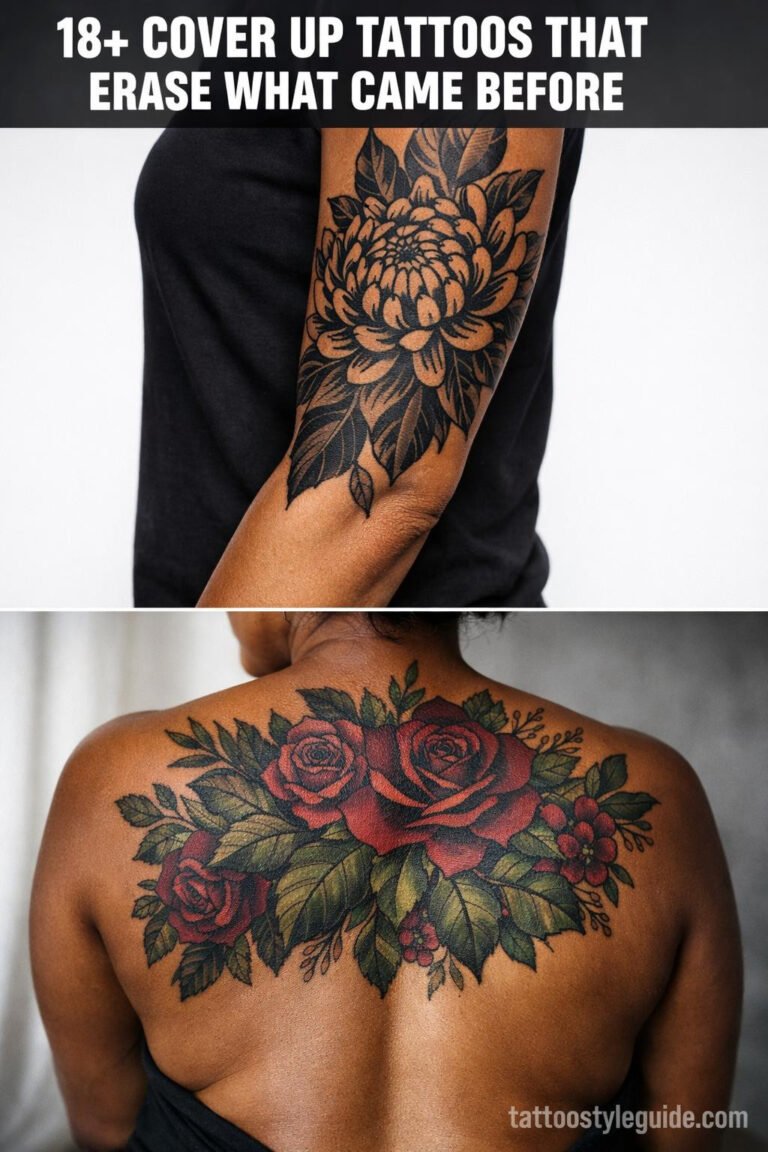
Skin tone affects color choices significantly. Deep purples and blues show vibrantly on darker skin; yellows and pastels can heal ashier. Experienced artists know which pigments perform well across different melanin levels.
During the Session: Wiping, Stretching, and Breaks
Throughout tattooing, the artist wipes excess ink and fluid with paper towels. Your skin releases plasma and small amounts of blood, that’s normal. The stencil gradually disappears as it’s replaced by actual pigment. The artist re-stretches skin constantly, adjusting angle and pressure based on body curvature.
Breaks happen when you need them, not on a schedule. Long sessions (3+ hours) often include a meal break to stabilize blood sugar. Bring water and a snack. Avoid alcohol for 24 hours before, it thins blood and compromises judgment. Cannabis can increase sensitivity for some people.
Endurance varies enormously. Four hours of rib work might exhaust someone who handled six hours on their thigh fine. Listen to your body. Pushing through extreme pain causes excessive movement, which produces shaky lines and longer healing.
Finishing, Bandaging, and Immediate Aftercare
The final wipe reveals the completed tattoo. The artist applies a thin layer of aftercare ointment or a breathable medical bandage like Saniderm or Tegaderm. Some prefer old-school plastic wrap for the first few hours; others use second-skin dressings that stay on 3-5 days.
You’ll receive verbal instructions and often a printed sheet. General guidance: keep it clean, avoid soaking in baths or pools, don’t pick scabs, and apply fragrance-free moisturizer once initial wrapping comes off. Healing typically takes 2-4 weeks for surface skin, 2-3 months for full dermal settling. During this time, the tattoo will peel, itch, and look dull before bold color returns.
- Direct sunlight fades fresh and healed tattoos, SPF 50 after healing
- Tight clothing causes friction and ink loss in high-contact areas
- Over-moisturizing breeds bacteria; under-moisturizing causes cracking
What This Costs and How to Budget
Most reputable artists charge by the piece or by the hour. Hourly rates in major US cities typically run $150-$300, with specialists commanding more. A palm-sized black-and-grey piece might take 2-3 hours. Full sleeves require 15-30 hours over multiple sessions. Many artists require deposits that go toward final cost.
Minimum shop fees usually start around $80-$150 even for tiny designs, this covers setup, sterilization, and materials. Extremely cheap tattoos generally indicate corner-cutting you don’t want in your skin. Budget for tipping 15-20% as standard practice.
Key Takeaways
Tattooing moves through distinct phases: design consultation, sterile setup, stencil placement, linework foundation, shading or color packing, and protective wrapping. Each stage requires specific technical choices from the artist and active participation from you, checking placement, managing pain, and following aftercare precisely. Quality tattoos result from collaboration between skilled application and responsible healing. Research your artist’s healed portfolio, not just fresh photos. Ask about their specific process. The more you understand before sitting down, the better your experience and final result.
Frequently Asked Questions
How do I know if an artist is lining correctly during my tattoo?
Clean, consistent lines with minimal skin trauma indicate good technique. Watch for steady hand speed, proper skin stretching, and the artist not repeatedly going over the same spot. Blurry, blown-out edges or excessive bleeding suggest needle depth problems.
Why does my tattoo look dull and cloudy after a few days?
That’s normal healing. A new layer of dead skin forms over the tattoo, obscuring brightness underneath. Once peeling completes and the fresh skin settles, colors and blacks return to their intended saturation. Don’t panic during this middle phase.
Can I get tattooed if I have very sensitive skin or eczema?
Active eczema, psoriasis, or dermatitis in the tattoo area means postponing until skin is calm. Sensitive skin heals more reactively but can still tattoo successfully, discuss this during consultation so the artist adjusts technique and aftercare recommendations.
How long should I wait between sessions if I’m getting a large piece?
Most artists recommend 2-4 weeks minimum for adjacent areas to heal sufficiently. Working too close to unhealed skin risks infection and makes stretching difficult. For the same area being continued, 3-4 weeks allows surface healing; 6-8 weeks is better for dense color packing.
Related Tattoo Guides
- How to Use Tattoo Transfer Paper Without a Thermal Copier
- Does Ankle Tattoo Pain Hurt? A Real Artist s Guide
- How to Sharpen Maybelline Tattoo Studio Eyeliner
- Explore more