No. Tattoo removal creams do not work. The ink sits in your dermis, below the epidermis that any cream can reach. No topical product has FDA approval for tattoo removal, and no over-the-counter cream can penetrate deep enough to break down pigment particles. What these products can do is irritate your skin, cause chemical burns, or leave you with scarring and a faded, but still visible, tattoo. If you’re serious about removal, you need to understand the actual options, their costs, and what your skin will go through.
Why Creams Fail: The Science of Skin and Ink
Understanding why creams don’t work starts with how tattoos stay put. The needle deposits ink into the dermis, the second layer of skin. Your immune system immediately recognizes the pigment as foreign and sends macrophages to engulf it. But those particles are too large to be carried away, so the ink remains trapped, visible through the translucent epidermis above it.
Removal creams target the epidermis, the outermost layer that constantly regenerates and sheds. Even aggressive chemical exfoliants only reach the stratum corneum or slightly below. They cannot access the dermis where ink lives. Some creams contain acids like trichloroacetic acid (TCA) or hydroquinone, which essentially burn away surface skin in hopes the tattoo will “fade.” This creates an illusion of lightening as inflammation swells the area, but the ink remains untouched. Once healing completes, the tattoo typically looks the same, sometimes worse if the skin texture changes.
What “Fading” Creams Actually Do to Your Skin
Many removal creams rely on harsh bleaching agents or caustic chemicals. The results are predictable and unpleasant:
- Hypopigmentation, permanent light spots where melanin is destroyed
- Hyperpigmentation, darkened patches from inflammation
- Raised scarring or keloid formation, especially on chest, shoulders, or darker skin tones
- Textured, leathery skin that looks worse than the original tattoo
- Infection risk from compromised skin barrier
The tattoo community sees these outcomes regularly. Someone spends months applying a cream, documents “progress” photos where lighting changes create false hope, then ends up at a laser clinic with damaged skin that complicates actual removal.
What Actually Works: Laser Removal
Q-switched and picosecond lasers are the only clinically proven method for tattoo removal. These devices emit extremely short pulses of light that shatter ink particles without destroying surrounding tissue. The fragmented ink becomes small enough for macrophages to carry away through your lymphatic system.
How Laser Sessions Progress
Black ink absorbs all laser wavelengths and responds best. Colors like green, blue, and yellow require specific wavelengths and often need more sessions. A professional, saturated black tattoo typically requires 6, 12 sessions spaced 6, 8 weeks apart. Amateur or lightly applied tattoos may need fewer. Older tattoos sometimes fade faster because sun exposure and time have already begun breaking down the ink.
Each session feels like hot rubber bands snapping against skin. Numbing cream helps superficially; some clinics offer injectable lidocaine for larger pieces. Afterward, the area blisters, scabs, and peels, similar to a second-degree burn healing. Proper aftercare means keeping it clean, avoiding sun completely, and not picking at scabs. Infection or sun exposure during healing can cause permanent pigment changes.
Cost and Commitment Reality
Laser removal is expensive. Small tattoos might run $200, $500 per session. Full sleeves or large back pieces can cost thousands per session, with total investment reaching five figures. Most reputable clinics offer free consultations with realistic assessments, how many sessions, expected outcomes, whether complete removal or significant fading is achievable. Be wary of anyone promising complete removal of dense, multi-colored work in “just a few sessions.”
Alternative Approaches and Their Limits
Beyond laser, several other methods exist with varying legitimacy and risk profiles.
Surgical excision removes the tattooed skin entirely and stitches the edges together. This works only for very small tattoos in areas with loose skin. It guarantees a scar, though often finer than poorly done laser work. Common for small medical tattoos or post-mastectomy reconstruction marks.
Dermabrasion sands away layers of skin down toward the dermis. It’s imprecise, painful, and frequently causes scarring worse than the tattoo. Largely abandoned by professionals for tattoo removal.
Saline tattooing or salabrasion involves tattooing salt solution or abrading with salt to draw out ink. Some cosmetic tattoo practitioners offer this for permanent makeup. It causes significant scabbing and carries high risk of scarring and uneven results. Not recommended for body tattoos.
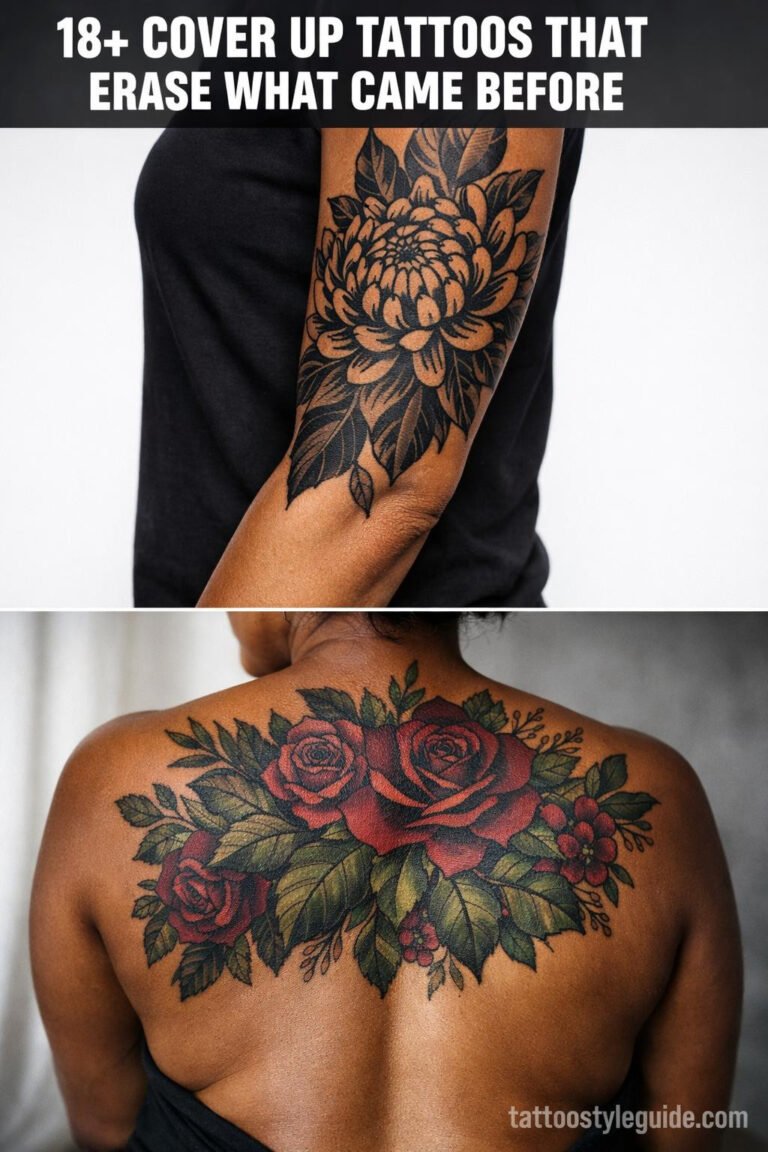
Cover-up tattoos remain the most practical option for many. A skilled artist can design new work that incorporates or conceals existing ink. This requires the old tattoo to be faded enough, sometimes through a few laser sessions first, to allow the new design to read clearly. Black tribal bands and dense dark areas are hardest to cover; lighter, older tattoos offer more flexibility.
Protecting Yourself From Removal Scams
The tattoo removal market attracts predatory products because desperation sells. Red flags to recognize:
- Before/after photos with inconsistent lighting, angles, or skin tones
- Claims of “all-natural” or “chemical-free” removal, natural acids can burn as badly as synthetic ones
- Testimonials without verifiable sources or timelines
- Products sold through multilevel marketing schemes
- Any promise of complete removal without mentioning skin type, ink color, or tattoo age
Check the FDA’s website for warning letters about specific products. The agency has issued numerous statements that no consumer-level cream effectively removes tattoos. If a cream actually worked, dermatologists and laser clinics would recommend it, there’s no conspiracy to hide cheap solutions.
Aftercare and Healing: What to Actually Expect
Whether pursuing laser removal or cover-up work, your skin needs proper care. Freshly lasered skin is essentially a controlled wound. Keep it covered with sterile, non-stick dressings initially. Switch to gentle, fragrance-free moisturizer after scabbing begins. Avoid swimming, hot tubs, and gym environments that expose healing skin to bacteria. Sun protection is non-negotiable, UV exposure on healing skin causes permanent darkening and can make subsequent laser sessions less effective.
For cover-up work, the new tattoo heals like any other: wash gently with unscented soap, pat dry, apply thin layer of recommended ointment, repeat for 2, 3 weeks. Don’t over-moisturize, don’t pick, don’t let it dry out completely. The existing ink beneath can affect how the new tattoo heals, sometimes causing uneven saturation if the old work was particularly dense or scarred.
Key Takeaways
Tattoo removal creams are ineffective at best and actively harmful at worst. No topical product reaches the dermis where ink resides. Laser removal, while expensive and time-consuming, is the only reliable path to significant fading or complete removal. Costs add up quickly, results vary enormously based on ink color and skin type, and aftercare discipline directly affects outcomes. Cover-up tattoos offer a creative alternative, sometimes combined with preliminary laser fading. Whatever path you choose, protect your skin from scams, sun, and impatience, rushed decisions in removal often lead to worse results than living with unwanted ink temporarily.
Frequently Asked Questions
Can I speed up laser removal by going more frequently than recommended?
No. The 6, 8 week spacing allows your lymphatic system to clear shattered ink and your skin to fully heal. Sessions too close together increase scarring risk and don’t improve results.
Will tattoo removal leave me with completely clear skin?
Not always. Complete removal is possible for some black ink on light skin, but ghost images, slight texture changes, or pigment shifts are common. Your consultation should establish realistic expectations.
Does skin color affect laser removal safety?
Yes. Darker skin contains more melanin, which absorbs laser energy and increases burn or hypopigmentation risk. Nd:YAG lasers are generally safer for darker skin tones, but experienced practitioners are essential.
Can I exercise after a laser removal session?
Avoid intense exercise for 48, 72 hours. Sweat, friction, and raised body temperature irritate the wound and increase infection risk. Light walking is fine if the area stays clean and dry.
Related Tattoo Guides
- Do Tattoo Removal Scars Go Away? What to Actually Expect
- Does a Sternum Tattoo Hurt? Pain Levels, Placement What to Expect
- Does Red Tattoo Ink Fade Faster? The Real Story
- Explore more