No, tattoo removal scars don’t typically disappear entirely, but they usually fade substantially over one to three years. The laser itself doesn’t cut the skin, so any scarring usually comes from the original tattoo application, your body’s healing response, or aftercare complications, not the removal process itself. What you’re often seeing post-treatment isn’t true scar tissue but temporary texture changes, hypopigmentation (light spots), or residual ink that reads as unevenness. Understanding the difference helps set realistic expectations and guides better decisions about your skin.
How Laser Removal Actually Affects Skin
Q-switched and picosecond lasers work by shattering ink particles into fragments small enough for your lymphatic system to flush away. The laser energy heats pigment rapidly without ablating the epidermis, no cutting, no burning in the traditional sense. This non-invasive mechanism means the laser itself rarely creates scars de novo.
What does happen: controlled inflammation. Each session triggers a superficial wound response, redness, swelling, occasional pinpoint bleeding or blistering. This is normal and expected. The skin rebuilds, and with proper care, typically returns to near-normal texture. Problems arise when this inflammatory phase extends, repeats too frequently, or gets complicated by infection or sun exposure.
Hypopigmentation vs. True Scarring
These get confused constantly. Hypopigmentation, lighter patches where melanocytes took collateral damage, is the most common “scar-like” outcome. It’s especially visible on darker skin tones and can last months to permanently. True scarring involves collagen remodeling: raised hypertrophic tissue, sunken atrophic marks, or keloid formation in susceptible individuals. Knowing which you’re dealing with shapes everything: treatment options, timeline, and whether additional work (microneedling, targeted lasers) makes sense.
Where Scars Actually Come From
Most removal “scars” trace back to the original tattoo, not the removal. Heavy-handed application, repeated passes during tattooing, or infection during initial healing can leave fibrotic tissue buried under ink. Once the ink clears, that underlying damage becomes visible, sometimes for the first time.
- Pre-existing scarring: Tattoos over scar tissue, stretch marks, or previously compromised skin remove unevenly and reveal old texture issues
- Artist trauma: Deep saturation, blowouts, and scarred-overworked skin don’t laser away cleanly
- Your biology: Keloid formers, slow healers, and people with connective tissue disorders face higher risk regardless of technique
- Aftercare failures: Picking blisters, sun exposure during healing, or infection convert manageable inflammation into permanent marks
- Technician errors: Wrong laser settings, too-aggressive passes, or inadequate cooling can cause burns and subsequent scarring
Skin Type and Location Matter
Darker skin (Fitzpatrick IV-VI) carries higher hypopigmentation risk because melanin competes with ink for laser absorption. Ankles, wrists, and chest, areas with thinner skin and poorer circulation, heal more slowly than the upper back or thighs. Older tattoos often remove cleaner because some natural fading has already occurred, while fresh, dense blackwork requires more sessions and thus more cumulative trauma.
What the Healing Timeline Really Looks Like
Immediate post-session: redness, swelling, possible whitening (frosting) of the skin from laser-induced gas bubbles. This resolves in hours to days. Blistering peaks at 24-72 hours and typically resolves within two weeks. Crusting and flaking follow. The skin may look normal at three to four weeks, but collagen remodeling continues beneath the surface for months.
Texture changes, slight raised or indented areas, often appear around sessions three to six, when cumulative effects become visible. These usually soften between six and eighteen months. Hypopigmentation may worsen before improving, and some never fully repigment. Complete assessment of final outcome requires waiting twelve to twenty-four months after your last session.
Why Rushing Sessions Backfires
Standard spacing is six to eight weeks; darker skin or complex removals often need ten to twelve. Collagen needs time to settle. Stack sessions too close and you create chronic inflammation, the direct path to fibrosis and lasting texture issues. Patience isn’t conservative; it’s the mechanism that prevents scars.
Minimizing Marks: What Actually Helps
Prevention beats treatment. Here’s what moves the needle:
- Vet your technician thoroughly: Look for laser-specific certification, not just tattooing experience. Ask about their device (picosecond vs. Q-switched), how they adjust for skin type, and their complication rate
- Strict sun avoidance: Tanned or recently sun-exposed skin lasers unpredictably and heals poorly. SPF 30+ for weeks before and after each session
- Hands off: Blisters protect healing tissue. Popping them introduces infection risk and guarantees worse outcomes
- Moisture balance: Too dry causes cracking; too wet macerates tissue. Follow your provider’s specific aftercare protocol
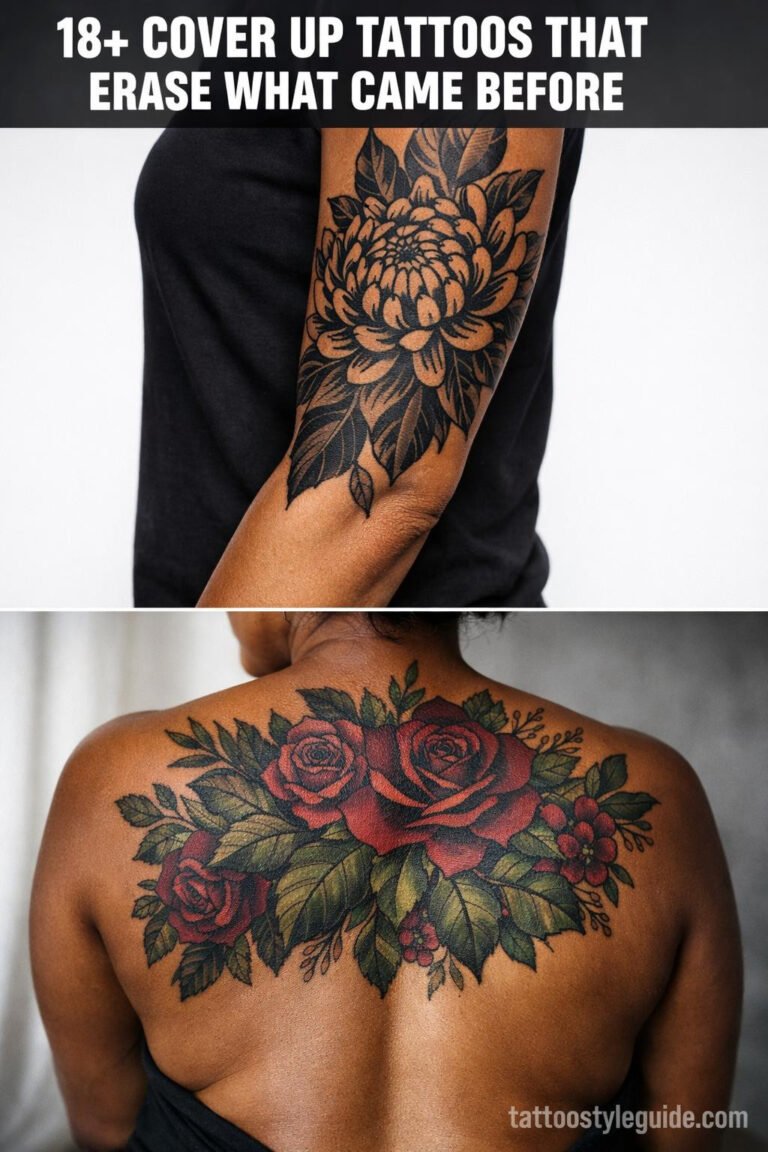
- Consider partial removal: Lightening for a cover-up tattoo often requires fewer sessions than complete removal, reducing cumulative trauma
When Existing Scars Need Attention
Raised hypertrophic scars respond to silicone sheeting, pressure therapy, and sometimes steroid injections, administered by dermatologists, not tattoo removal clinics. Atrophic scars may improve with microneedling or fractional laser, though these require their own healing timelines and can’t be done concurrently with active removal. Hypopigmentation sometimes repigments with excimer laser or simply time; camouflage tattooing (medical micropigmentation) offers an option when repigmentation fails.
Setting Honest Expectations
Complete return to pre-tattoo skin is uncommon. Most people achieve substantial lightening with texture that’s noticeable only on close inspection, slightly different sheen, faint line traces, or subtle color variation. The goal is usually “good enough for a cover-up” or “no longer the first thing people notice,” not invisible skin.
Factors that improve outcomes: younger age, good circulation, non-smoking status, lighter and older tattoos, professional application rather than amateur work, and Fitzpatrick I-III skin types. Factors that complicate things: dense black tribal work, hand/neck/ankle placement, smoking, diabetes, and a history of keloid formation.
Key Takeaways
Tattoo removal scars don’t fully disappear for most people, but they fade significantly with proper technique and patience. The laser rarely causes scarring directly; visible marks usually stem from pre-existing damage, biological factors, or aftercare problems. Hypopigmentation and texture changes are more common than true raised or sunken scars. Spacing sessions adequately, protecting skin from sun, and choosing an experienced technician matter more than any post-hoc scar treatment. Expect twelve to twenty-four months for final assessment, and approach removal as improvement rather than erasure. Partial removal for cover-ups often makes more sense than chasing complete disappearance.
Frequently Asked Questions
Can I tattoo over skin after laser removal?
Yes, but wait at least six months after your final session, ideally a year. The skin needs to complete collagen remodeling before new ink is introduced. Cover-ups on recently lasered skin often heal poorly and deposit ink unpredictably.
Does tattoo removal hurt more than getting tattooed?
Most people find it more uncomfortable, like hot rubber bands snapping repeatedly, or grease splatter. Sessions are shorter than tattooing, which helps. Numbing creams help superficially but don’t reach the deeper ink layers where sensation concentrates.
Why does my skin look whiter where the tattoo was?
That’s hypopigmentation, temporary or permanent loss of melanin from laser energy affecting pigment-producing cells. It’s common and often fades over months, but darker skin tones face higher risk of lasting light spots.
How many sessions until I know if I’ll scar?
Texture issues typically emerge around sessions three to six as cumulative effects show. However, final skin character isn’t assessable until twelve to twenty-four months post-treatment, since collagen continues remodeling long after ink clearance appears complete.
Related Tattoo Guides
- Does a Sternum Tattoo Hurt? Pain Levels, Placement What to Expect
- Does Red Tattoo Ink Fade Faster? The Real Story
- How Bad Does Laser Tattoo Removal Hurt? A Realistic Guide
- Explore more