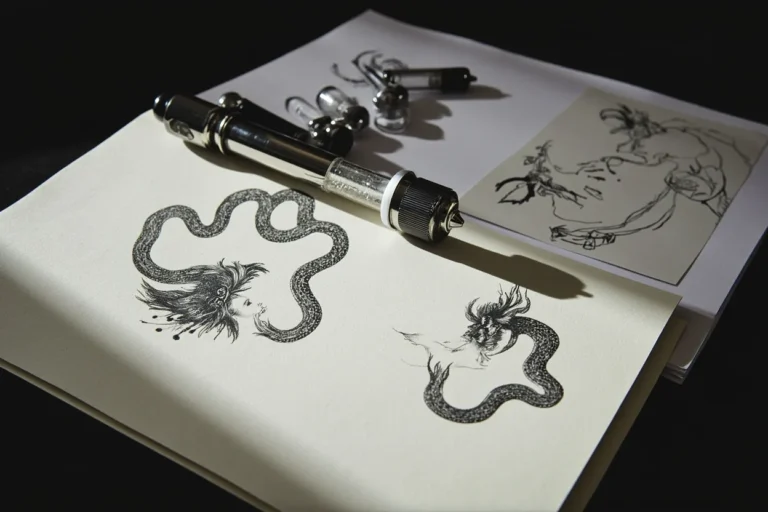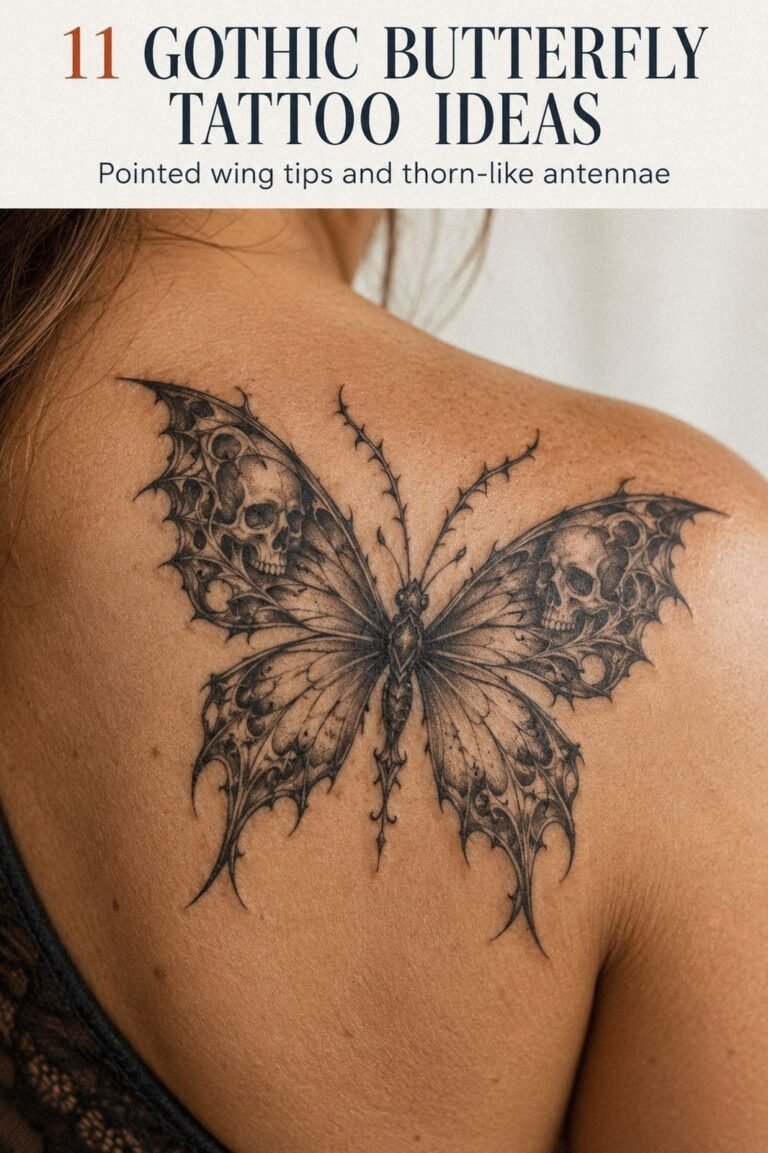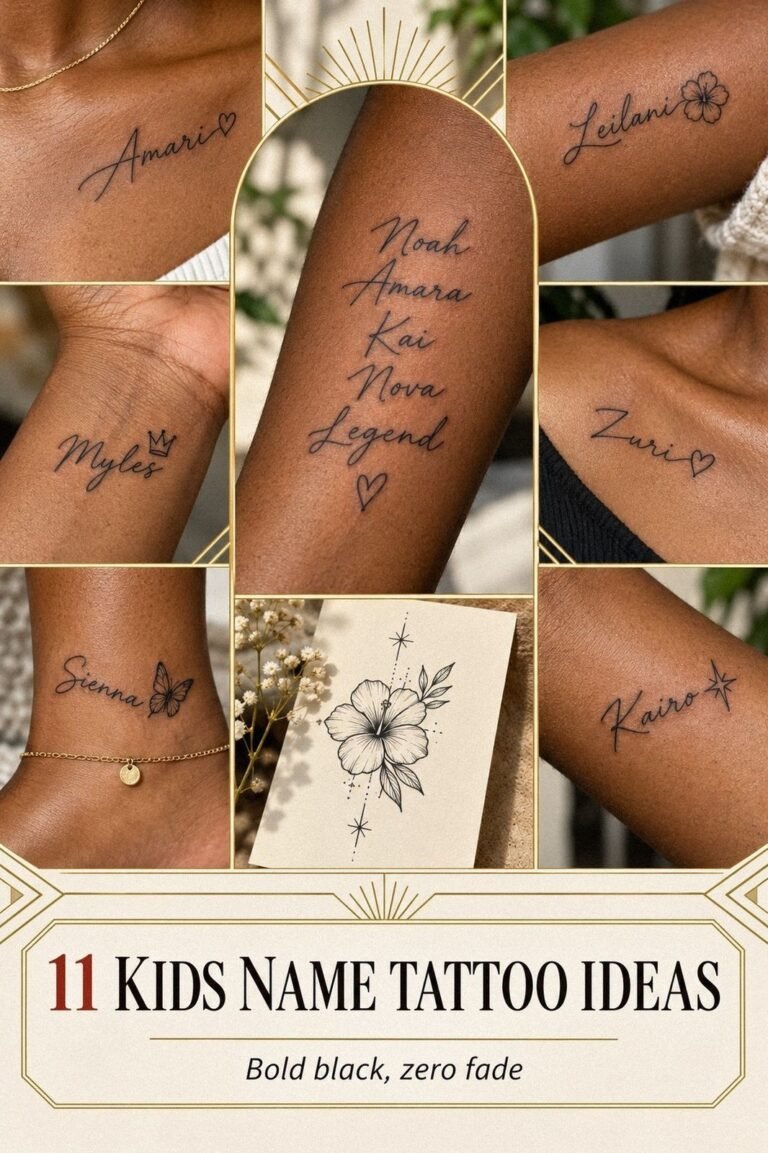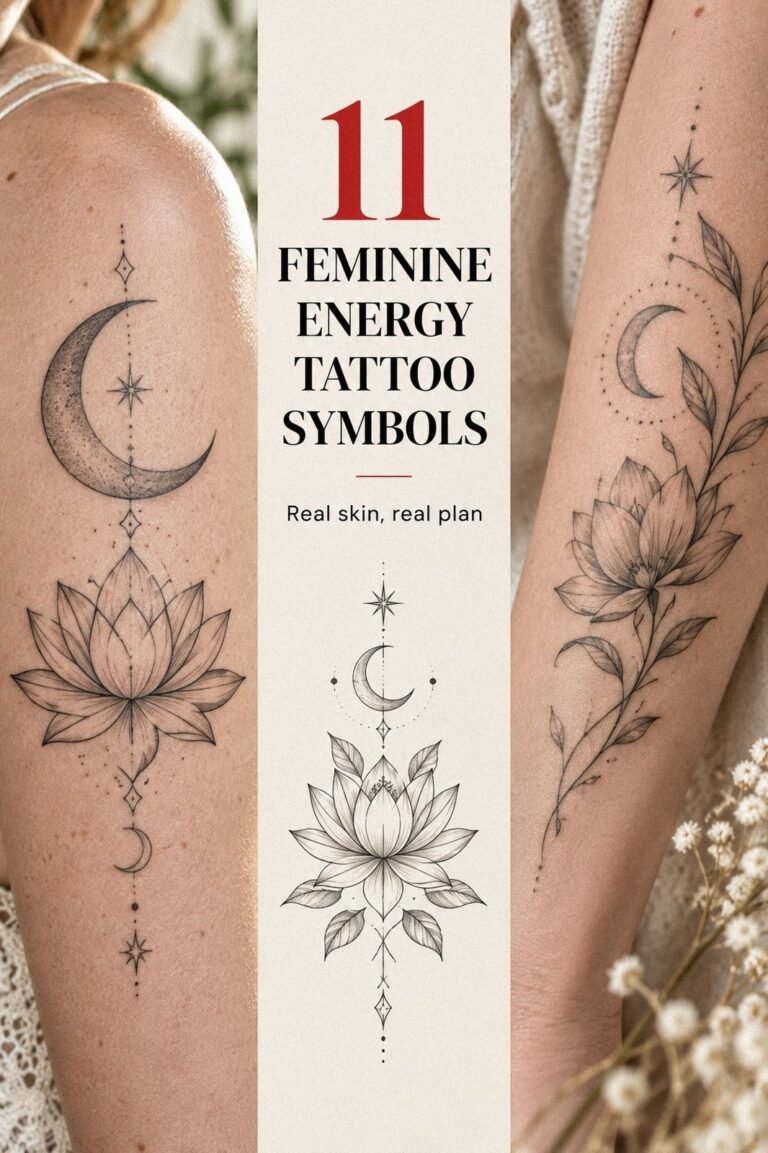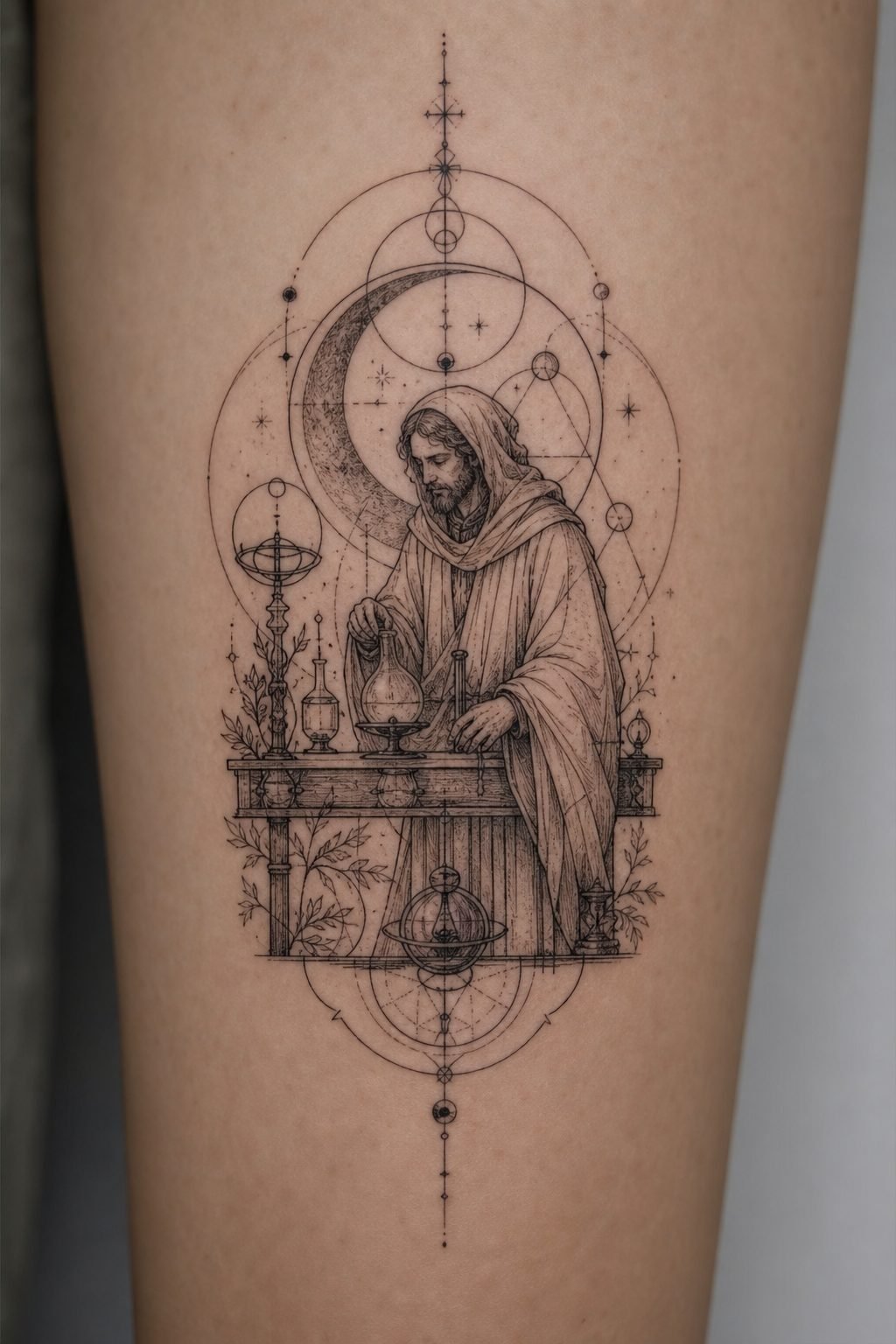
Alchemist tattoos pull from centuries of coded imagery, distillation apparatus, planetary metals, the ouroboros, the philosopher’s stone. The appeal is obvious: dense symbolism, visual complexity, and designs that read as mysterious without requiring explanation. But the difference between a striking alchemical piece and a cluttered mess comes down to how you handle the density. These symbols were never meant to be simple, which makes them both rewarding and risky on skin.
Popular Styles
Not every tattoo style can handle the fine detail alchemical imagery demands. Some approaches compress the symbols into illegibility; others let them breathe.
Blackwork and Etching
Heavy blackwork, especially in the woodcut or copperplate etching style, mirrors how alchemical texts were actually illustrated. Crosshatching builds shadow and depth without relying on smooth gradients that can blur over time. This approach works particularly well for:
- Flasks and retorts with visible interior detail
- Text banners in Latin or Greek
- The ouroboros with visible scales and texture
The limitation: fine crosshatching in small sizes (under 3 inches) can heal into solid gray patches. Plan for adequate scale or accept that some detail will soften.
Neo-Traditional and Illustrative
Bolder line weights and limited but saturated color palettes give alchemical symbols graphic punch. Neo-traditional handles the decorative elements well, ornate borders, jeweled colors for the seven planetary metals, stylized flames. The illustrative approach, looser and more painterly, suits transformation sequences: the crow turning white, the green lion devouring the sun, stages of the great work rendered as flowing narrative panels.
Single Needle and Fine Line
Delicate, precise, and unforgiving. Single needle can render the geometric precision of alchemical diagrams, Mandala-like circular tables, the Tree of the Metals, intricate floret borders. The catch: these lines spread. What reads as crisp at six months may double in apparent weight by year five. Placement on high-movement areas (wrists, fingers, ribs) accelerates this. If you want fine line, commit to touch-ups and avoid sun exposure.
Design Ideas
Specific symbols carry specific visual weight. Mixing too many in one composition weakens all of them.
Core Alchemical Symbols
The classics have lasted for good reason. They scan quickly even to viewers unfamiliar with the tradition:
- Ouroboros: the serpent consuming its tail, representing cyclical return and the unity of opposites. Circular composition, works as standalone or frame.
- Philosopher’s stone: often depicted as a geometric solid, sometimes flaming, sometimes within a vessel. Strong central focal point.
- Seven planetary metals: gold (Sun), silver (Moon), iron (Mars), tin (Jupiter), copper (Venus), lead (Saturn), mercury (Mercury). Each has a distinct glyph; combining them creates pattern and rhythm.
- The peacock’s tail: the iridescent stage before final whitening, rendered as fanning plumage in color or as radiating geometric lines.
Apparatus and Process
Less common, more distinctive. Alembics, retorts, pelicans, athanors, the actual equipment of the laboratory. These read as more technical, less mystical. A sleeve or large back piece can chart an actual distillation sequence: heating, condensation, separation, collection. The visual progression gives long-form tattoos structural logic.
Text integration, whether Latin mottos or Greek maxims, needs careful typography. Fraktur or blackletter styles match the period manuscripts but can become unreadable at small sizes. Clean roman capitals age better and don’t fight the imagery for attention.
Best Placements
Alchemical designs tend toward circular, vertical, or sprawling formats. Match the format to the body part.
Chest and sternum: Natural home for circular mandala arrangements, the ouroboros as central medallion, or the Tree of the Metals as symmetrical spread. The flat plane keeps geometric precision intact; the pectoral muscle movement is minimal compared to shoulders or arms.
Upper back, between shoulder blades: Vertical compositions, flasks stacked, the alchemical wedding of Sol and Luna, the ascent through colored stages. The broad, relatively stable skin accepts detail that would distort on curving limbs.
Forearms and sleeves: Sequential narratives work here. The stages of the great work (nigredo, albedo, rubedo) can progress from wrist to elbow to shoulder. Apparatus designs suit the outer forearm’s flat display surface. Inner forearm, softer and more prone to stretching, suits simpler glyphs or single symbols.
Thighs and calves: Large, stable, and often less sun-exposed than arms or chest. Ideal for dense illustrative pieces with fine detail. The calf’s cylindrical shape suits vertical vessels; the thigh’s broad plane accepts circular or square compositions.
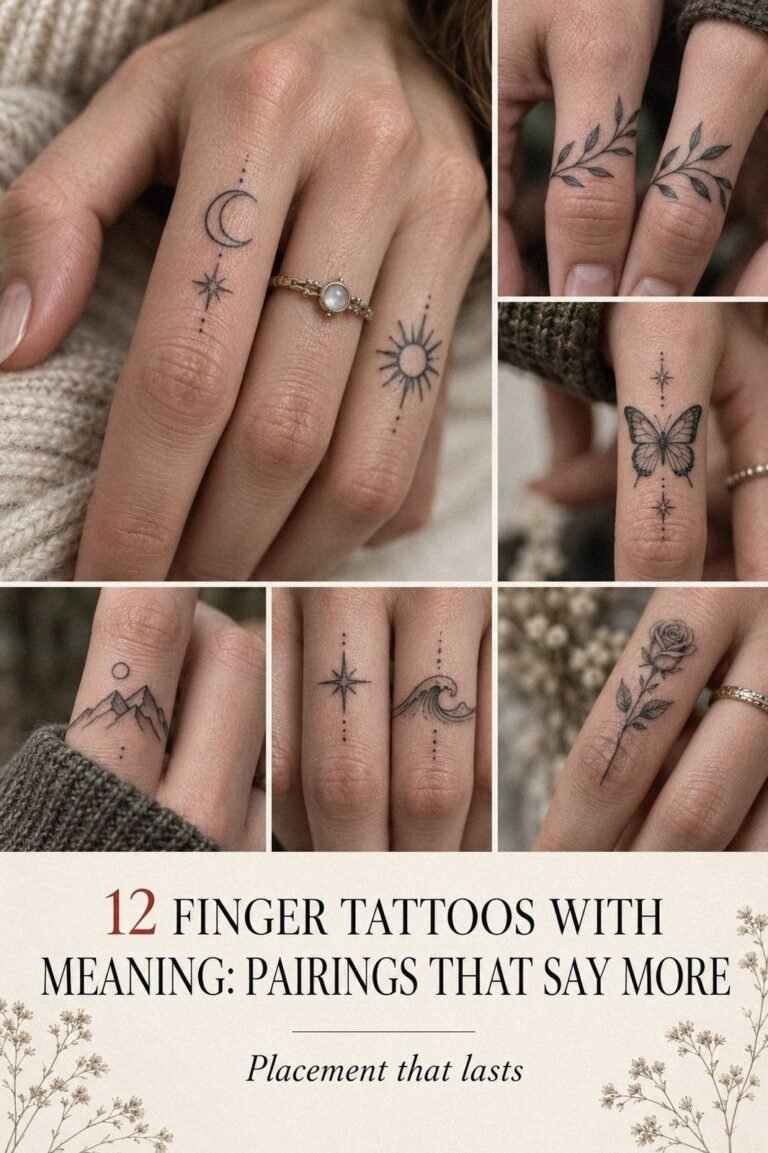
Hands, fingers, neck: High visibility, high maintenance. Small alchemical glyphs, single planetary symbols, the mercury sigil, the sulfur triangle, can read as intentional and coded. Larger attempts here blur fast and look muddy within a few years.
Color Choices
Alchemy has its own color language, which makes color selection more purposeful than decorative.
The Stage Colors
Black (nigredo, decomposition), white (albedo, purification), red (rubedo, completion), and sometimes yellow (citrinitas, an intermediate stage). These aren’t arbitrary aesthetic choices, they’re the internal logic of the symbolism. A piece tracking the great work can use these as progressive washes, or a single-stage piece can commit to one dominant hue.
Metallic Inks
White ink over black for the “whitening” stage. Gold or yellow ink for the completed work. The reality: metallic and white inks fade, yellow, or disappear faster than carbon black. Gold ink never looks like actual gold; it reads as mustard or pale yellow within months. If you want the effect of gold, solid black negative space with warm skin tone showing through often reads more convincingly than gold pigment.
Color saturation matters for longevity. Pale washes, whether watercolor-style or deliberate albedo stages, can vanish into skin tone, especially on darker complexions. Build value through line weight and black density, use color as accent rather than structure.
Tips for Choosing
Research before you commit. Alchemical symbols have specific, sometimes contradictory meanings across different traditions. The ouroboros appears in Greek alchemical texts, but also in Egyptian and Norse contexts, similar image, different implications. The hexagram (Seal of Solomon) appears in alchemy but carries strong Jewish and occult associations. Know what you’re wearing, or accept that others will read their own knowledge onto it.
Consider the density-to-size ratio. An alchemical emblem crowded with twelve symbols, three Latin phrases, and ornamental border needs real estate. Shrinking it to fit a bicep cap or ankle band guarantees a gray blob in five years. Either simplify the design or expand the placement.
Line weight hierarchy keeps complex pieces readable. The primary symbol gets the heaviest outline; secondary elements step down in weight; fine detail sits inside without competing. A good artist builds this hierarchy deliberately; a poor one treats every element with equal emphasis, creating visual noise.
Healing affects fine detail disproportionately. Scabbing over dense crosshatching or tiny text can pull ink out unevenly. Follow aftercare precisely, avoid soaking the tattoo during healing, and expect that some fine lines may need reinforcement at the one-month mark.
Final Thoughts
Alchemical tattoos reward the wearer who actually engages with the material, not just the aesthetic. The symbols are dense, historically layered, and visually demanding. A well-executed piece ages into something that looks intentional and earned; a rushed or poorly scaled one becomes illegible decoration. Take time finding an artist comfortable with technical detail and historical reference. The symbols have survived centuries; with proper execution, your rendering of them can last decades.
Frequently Asked Questions
Do alchemical tattoos need to follow a specific color sequence?
Not necessarily. Some people choose the nigredo-albedo-rubedo progression for personal symbolism, but single-color or black-and-gray designs are equally valid. The color sequence is meaningful if you want it to be, not a requirement for the aesthetic.
How small can an alchemical symbol be before it blurs?
Planetary glyphs and simple symbols can work at 1-2 inches, but anything with interior detail, flasks, text, the ouroboros, needs at least 3-4 inches to heal clearly. Fine line work requires even more generous scaling.
Can I combine alchemical symbols with other spiritual imagery?
Yes, but be aware of clashing visual languages. Alchemical imagery is European, technical, and diagrammatic. Mixing it with, say, Buddhist mandalas or Norse runes can work if unified by style, but risks looking like a collage of unrelated symbols unless the artist integrates them deliberately.
Are there any alchemical symbols that read as offensive or problematic?
The hexagram and pentagram, common in alchemical texts, carry strong associations with occultism and specific religious traditions that some viewers may misread. The skull and raven imagery in nigredo stages can scan as dark or morbid out of context. Research the specific symbols you’re considering, and be prepared to explain or accept misinterpretations.
More Tattoo Ideas
- 18+ Ethereal Tattoos That Float Between Worlds
- Alt Tattoo Ideas That Actually Hold Up
- Avengers Tattoo Ideas for Marvel Fans
- Explore more