
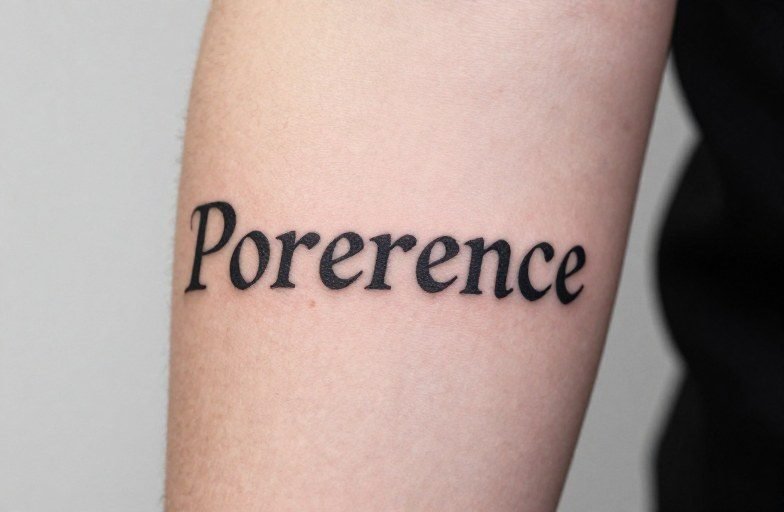
A perseverance tattoo marks the refusal to quit, the quiet decision to keep moving through injury, grief, addiction, failure, or any long fight that doesn’t end cleanly. These designs rarely announce themselves loudly. Instead, they tend toward compact symbols that reward a second look: a half-wrecked ship still sailing, a rope frayed but holding, a plant cracking concrete. The meaning is baked into the image itself, not spelled out in lettering.
History & Cultural Roots
Symbols of endurance run through virtually every tattoo tradition, though the specific images shift by place and era. Understanding where these motifs come from helps explain why certain designs still read as “perseverance” across wildly different wearers today.
Naval and Maritime Origins
The rope, anchor, and ship-in-storm imagery now common in perseverance work descends directly from 18th- and 19th-century sailor tattoos. A fouled anchor, one wrapped in its own line, signified having weathered a specific disaster and returned to port. The ship itself, often shown with shredded sails, meant survival rather than conquest. These weren’t decorative choices. Sailors worked in an industry where death was routine, and the tattoos functioned as a kind of tally or credential. The style conventions persist: bold black outlines, limited shading, and a preference for the outer forearm or hand where others could see and recognize the mark.
Japanese Irezumi and the Koi
The koi swimming upstream, now tattooed globally, comes from Japanese tradition where it is often linked to the legend of fish transforming into dragons at a waterfall’s summit. The image isn’t about winning, it’s about continuing the attempt. In irezumi, the koi typically appears as part of a larger back piece or sleeve, surrounded by water, cherry blossoms, or maple leaves. The direction matters: upstream koi signal active struggle; downstream can mean the battle is past, or alternately that the wearer has accepted a different path. This nuance gets lost in smaller Western adaptations, but the core association with endurance remains intact.
Symbolism & Core Meaning
Perseverance tattoos operate on two levels: the literal image and the accumulated cultural weight it carries. The best designs work on both.
- Broken or mended objects: A cracked teapot repaired with gold (kintsugi), a torn flag still flying, a sword notched but intact. These suggest damage as part of the object’s history, not its end.
- Animals in sustained effort: Oxen pulling, salmon leaping, ants carrying loads disproportionate to their size. The animal doesn’t triumph; it persists.
- Geometric and structural: Interlocking knots that hold under tension, archways that stand through pressure, beams under load. These appeal to people who think in systems rather than narratives.
- Text as image: Single words, “still,” “onward,” “endure”, work when the lettering itself is stressed: weathered, partially erased, or carved rather than written.
The common thread is incompleteness. A perseverance tattoo that looks finished, victorious, or comfortable usually misses the point. The image should contain tension.
Color vs Black and Grey
This choice changes how the tattoo ages and what it communicates, not just how it looks fresh.
When Color Carries Weight
Red is the traditional choice for active struggle: blood, effort, alarm. A red thread or red rope in a perseverance piece specifically signals ongoing fight rather than survived past. Gold, in kintsugi references, marks the repair as valuable, not shameful. Green growth cracking stone works in color because the contrast reads immediately even at small sizes. The downside: bright colors fade faster, especially on hands, feet, and anywhere that sees sun. Yellow and light orange often shift toward muddy brown within five years. Plan for touch-ups if the color contrast is structurally important to the design.
Black and Grey’s Advantages
Black ink ages into a softer blue-grey that stays legible for decades. For perseverance imagery, especially ships, ropes, and architectural elements, this actually helps. Weathered things should look weathered. A black and grey ship in storm reads as timeless; the same design in full color can feel like illustration. Shading technique matters more here than in color work. Smooth whip shading for water and sky, heavier saturation for the object that persists, creates depth without relying on hue contrast. For small pieces (under four inches), black and grey almost always holds up better long-term.
Personal & Modern Meanings
Contemporary perseverance tattoos often combine traditional symbols with personal specifics. The result is less universal but more precise.
Someone rebuilding after a car accident might choose a specific highway number paired with a cracked but functional wheel. A parent who lost a child and continued parenting surviving siblings might use a tree with one branch broken, others still leafed. These aren’t stock designs; they require a tattooist willing to draw from your description rather than flash sheets. The trade-off is that highly personal imagery doesn’t communicate to strangers, which may or may not matter to you.
More recently, mental health perseverance tattoos have grown common: semicolons (from Project Semicolon, though the symbol now exists beyond that origin), medication molecular structures, or simple continuance marks. These function partly as self-reminders and partly as quiet signals to others who recognize the reference. The forearm placement, visible when shaking hands or reaching, is intentional community-building.
Best Placements
Where you put a perseverance tattoo changes who sees it, how it heals, and how the image functions over time.
- Outer forearm: Classic for maritime-derived work. Visible to others, visible to you. Moderate pain, reliable healing. The flat plane suits horizontal compositions, ships, horizons, extended ropes.
- Ribs or side: Hidden, painful, intimate. Good for personal crisis markers you don’t need to explain. The vertical space suits climbing imagery, ladders, upward growth. Expect longer healing due to movement and friction from clothing.
- Chest over heart: Direct, unambiguous. Often chosen for recovery from cardiac events or grief that literally felt heart-centered. The skin here ages relatively well, though weight fluctuation stretches the image.
- Hand or fingers: High visibility, high commitment, problematic healing. Knuckles and fingers shed ink; touch-ups are standard. A single word or small symbol here reads as defiant public declaration. Not recommended for first tattoos.
- Thigh or calf: Large canvas, moderate pain, easy to conceal. Good for detailed narrative pieces, full ship scenes, extended koi compositions. The calf’s roundness distorts straight lines; design accordingly.
Healing reality: any placement that bends, stretches, or contacts clothing constantly will scab more and possibly lose detail. The first two weeks determine the long-term result more than the artist’s skill level.
Religious & Spiritual Angles
Many perseverance symbols carry religious histories that may or may not matter to the wearer.
Christian Imagery
The anchor, beyond its nautical use, appears in early Christian catacomb art as a disguised cross during persecution periods. Some trace it to Hebrews 6:19, describing hope as an anchor for the soul. Modern wearers may choose it without religious intent, but the double meaning persists. The ichthys (fish) similarly carries perseverance associations through the feeding-of-the-multitudes story and the calling of fishermen as disciples. If you want the nautical meaning without religious resonance, a fouled anchor or ship-in-storm reads more secular than a clean anchor alone.
Buddhist and Hindu References
The endless knot, one of the eight auspicious symbols in Buddhism, represents the interconnection of all things and the persistence of wisdom through suffering. In tattoo form, it works as pure geometry or with surrounding lotus or vajra elements. The lotus itself, rising from mud to bloom, carries perseverance meaning across both Buddhist and Hindu contexts, though the specific symbolism differs. A lotus with closed petals signals ongoing struggle; fully open, transformation complete. Most Western tattoo adaptations use the lotus generically, which is fine if the image resonates, but the nuance exists if you want to engage it.
Key Takeaways
Perseverance tattoos work best when they contain tension rather than resolution. The traditional symbols, anchors, koi, ships, ropes, knots, carry centuries of accumulated meaning that still reads clearly. Black and grey ages better and suits weathered imagery; color works when the contrast is structurally necessary. Placement should match whether you need private reminder or public signal. Religious histories layer beneath many symbols without requiring belief. Most importantly, the image should show the struggle, not just the survival. A ship in calm harbor is a travel tattoo. A ship with sails shredded, still upright, is perseverance.
Frequently Asked Questions
Does a perseverance tattoo need to include a traditional symbol like an anchor or koi?
No. Traditional symbols carry instant recognition, but personal imagery, a specific object from your own experience, can work as well or better if the design shows tension or damage survived rather than avoided.
Will fine line work hold up for a perseverance tattoo over time?
Fine line generally blurs faster than bold work. For small pieces with detailed meaning, consider slightly heavier line weight than the trend suggests, or plan for periodic touch-ups to maintain legibility.
Is it okay to get a perseverance tattoo before I’ve fully ‘overcome’ my struggle?
Yes. The symbol marks the act of continuing, not the completion. Many people get these tattoos mid-struggle as a commitment device or simply to acknowledge where they are.
How do I tell an artist I want a perseverance tattoo without sounding vague?
Bring reference images of symbols that resonate, explain the specific quality of struggle (ongoing, survived, cyclical), and ask for imagery that contains tension rather than victory. Good artists translate emotion into composition.
Related Tattoo Meanings
- Veni Vidi Vici Tattoo Meaning: Conquest in Ink
- Alamo Tattoo Meaning: Texas Pride, Defiance, and Memory
- Axolotl Tattoo Meaning: Regeneration, Resilience Rarity
- Explore more









