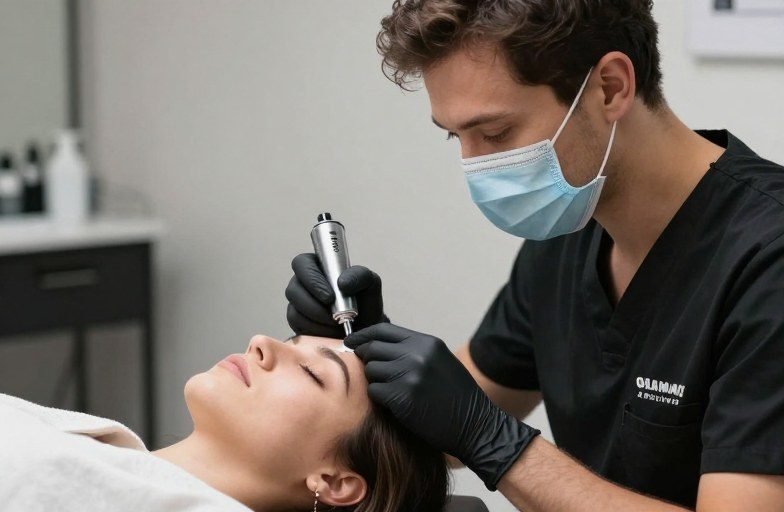
The short answer: wash it gently twice daily with unscented soap, pat dry, apply a thin layer of recommended aftercare, and keep it out of dirty water and direct sun. Don’t overthink it, but don’t ignore it either. Most infections and faded tattoos come from either neglect or too much meddling.
Pain & Comfort
Cleaning a fresh tattoo stings. Not agonizing, but expect a raw, sunburn-adjacent sensation when water first hits it. The pain peaks in the first 48-72 hours, then drops off sharply. Some spots hurt more to clean than they did to tattoo, inner bicep, ribs, anywhere thin-skinned.
What Actually Helps
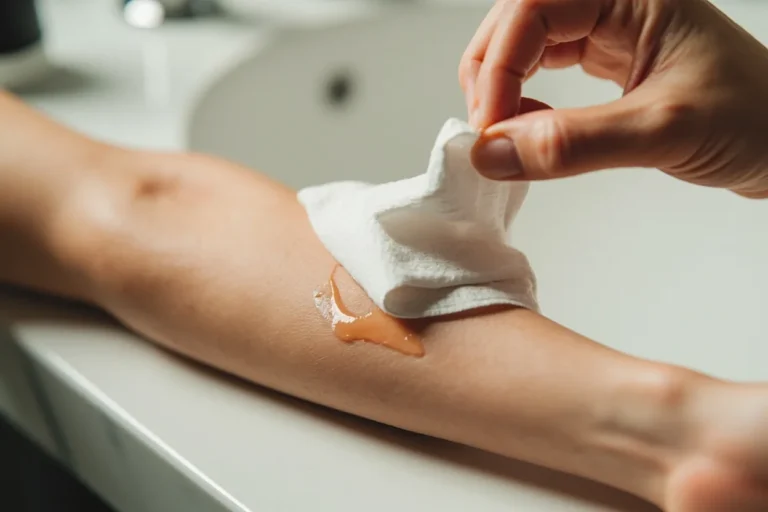
Cool or lukewarm water only. Hot water opens pores and pulls ink, plus it amplifies the sting. Wash your hands thoroughly before touching the tattoo. Use your palm, not a washcloth or loofah, friction is the enemy here. Let the soap do the work; don’t scrub. Air-dry for a minute, then pat with a clean paper towel. Cloth towels harbor bacteria and snag on flaking skin. See also: 14 Beautiful Mehndi Design Front Hand That Hold Up.
- Keep showers brief during the first week, long soaks soften the scabbing layer
- Sleep on clean sheets, ideally light-colored ones you don’t mind staining
- Wear loose, breathable cotton over the tattoo; synthetic fabrics trap moisture and heat
When It Feels Worse Than It Should
Throbbing pain that worsens after day three, spreading redness, or heat radiating from the tattoo warrants a call to your artist or a clinic. Normal healing discomfort should trend downward, not up.
What to Expect Step by Step
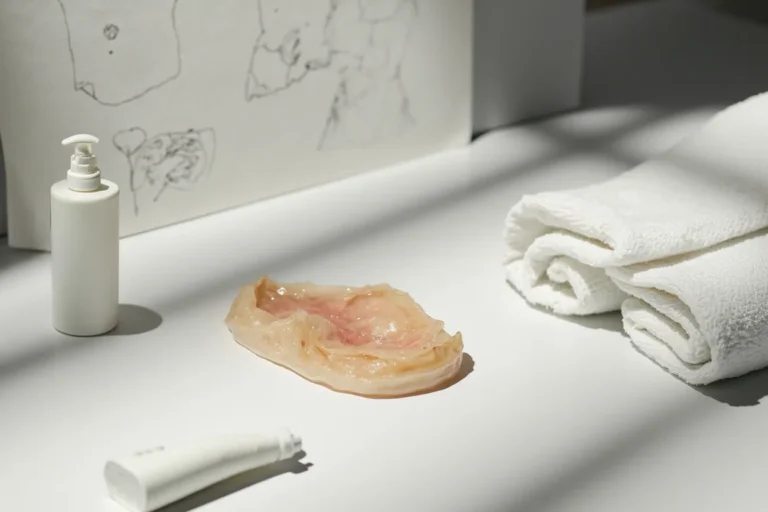
Day one, your artist will bandage the tattoo, either a medical-grade adhesive wrap (Saniderm, Tegaderm) or traditional plastic wrap and tape. Leave adhesive wraps on for the specified time, usually 3-6 days. Traditional wrap comes off after a few hours. The first wash happens then, and it’s the most important one: you’re removing plasma, excess ink, and whatever else accumulated. See also: Dogwood Flower Tattoo Meaning: Resilience, Faith & Renewal.
Days 1-3: The Wet Phase
The tattoo seeps plasma and ink. This is normal. Wash twice daily, morning and night. Apply aftercare so thin that the skin still breathes, if it looks glazed, you’ve used too much. Excess ointment breeds bacteria and causes breakouts around the tattoo.
Days 4-14: Peeling and Itching
Skin flakes. Color looks dull under the white, papery layer. This is not the tattoo falling out; it’s the epidermis shedding. Do not pick, scratch, or assist the peel. Let it come off when ready. Continue washing, though you can switch to a lighter, lotion-style moisturizer once the open surface has closed. See also: Dollar Sign Tattoo Meaning: Wealth, Hustle & Risk.
Week 2 Onward: Settling In
The surface looks healed before it actually is. The dermis is still knitting closed, and the ink is settling into its permanent depth. Keep it clean, keep it moisturized, keep it out of the sun. The shine fades; the true color emerges around week three or four.
Aftercare Essentials
Your artist’s specific instructions override anything generic. That said, certain principles hold across most reputable shops in the US.
What to Use
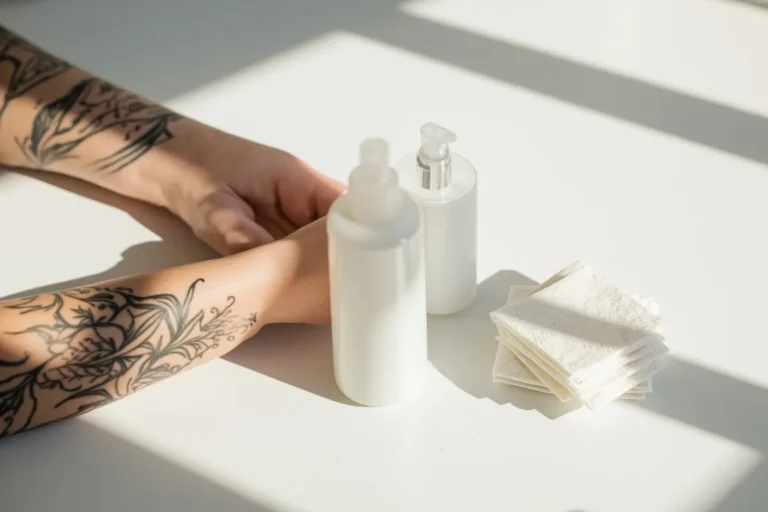
Unscented, dye-free liquid soap, Dr. Bronner’s unscented, Dove sensitive, or similar. Fragrance compounds irritate broken skin. For aftercare, many artists recommend Aquaphor for the first few days, then a plain, unscented lotion like Lubriderm or CeraVe. Some prefer dedicated tattoo balms; the key ingredients are typically beeswax, shea butter, and carrier oils without irritants.
- Avoid petroleum jelly long-term, it suffocates the skin and can pull ink
- Neosporin and similar antibiotic ointments are generally discouraged; they cause allergic reactions in some people and aren’t necessary for a clean tattoo
- No exfoliants, acids, or retinols near the area for the full healing period
What to Avoid
Swimming pools, hot tubs, lakes, oceans, any submersion in non-shower water, for at least two weeks. Salt and chlorine dry and irritate; freshwater bodies carry bacteria. Sun exposure degrades fresh ink rapidly and can blister healing skin. If you work in a dirty environment, construction, kitchens, healthcare, extra covering with clean, breathable fabric helps, but change it if it gets wet or grimy.
Cost Factors
Aftercare itself is cheap: maybe $15-30 for soap and moisturizer. The real cost consideration is what happens if you botch it. Touch-ups run $50-200 depending on the artist and size. A seriously infected tattoo requiring medical intervention costs far more, and the damage to the artwork may be permanent.
Artist Variations in Aftercare Guidance
Some artists include a small aftercare packet in the session price. Others sell their preferred balm at markup. A few high-end shops build one follow-up touch-up into the initial cost, contingent on you following their care instructions. Ask upfront what’s included.
Long-Term Investment
UV protection becomes a recurring cost. A good tattoo sunscreen, SPF 30+, mineral-based, applied every time the area sees sun, preserves saturation for years. Without it, black ink goes charcoal, color goes muddy. Think of it as maintenance, not optional.
Realistic Expectations
A perfectly healed tattoo still looks different from day one. The crisp, almost painted quality of fresh ink softens. Lines settle. Color density drops slightly as the skin’s translucent layers overlay the pigment. This is normal, not failure.
What Clean Healing Looks Like
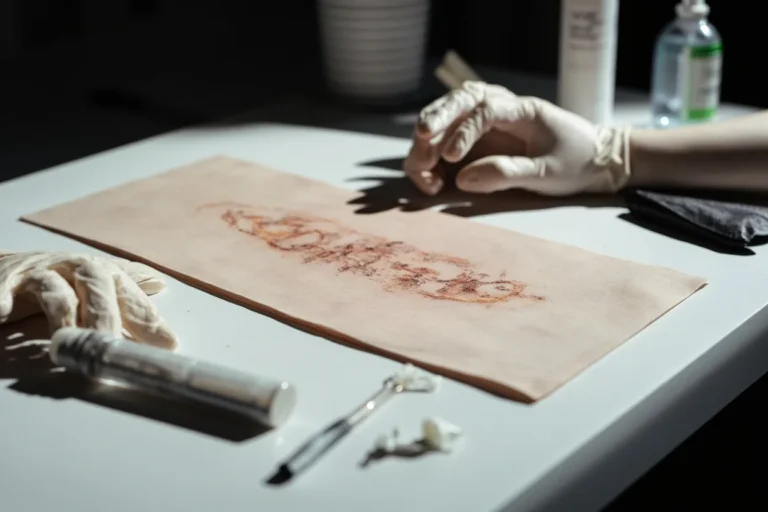
Minor redness at the edges for a few days. Thin, translucent scabbing, never thick, yellow, or crusty. Flaking that resembles dry skin, not wound crust. Gradual color return as the top layer regenerates. No pustules, no red streaks, no expanding hot zones.
Common Missteps
Over-washing dries the skin and triggers more flaking. Over-moisturizing keeps the wound too wet and invites infection. Switching products repeatedly irritates sensitive healing tissue. Changing the bandage too often with adhesive wraps disrupts the protective seal your artist established. Picking scabs pulls ink out with them, leaving permanent gaps.
Healing Timeline
Surface healing: 2-3 weeks for most pieces. Deep healing: 4-6 weeks for smaller work, 2-3 months for large, dense, or heavily shaded pieces. The timeline stretches with size, location, your immune system, and how well you protect the area.
Factors That Slow Healing
- Lower leg and foot tattoos, circulation is weaker, skin is thicker
- Areas that bend constantly: elbows, knees, inner wrists, movement stresses the wound
- Compromised immune systems, whether from illness, stress, or poor sleep
- Smoking, nicotine constricts blood vessels and delays tissue repair
When to Resume Normal Activity
Light exercise after 48-72 hours if you can keep the area clean and dry. Heavy sweating, hot yoga, long runs, wait a week. Swimming, as noted, two weeks minimum. Direct sun exposure: wait until all flaking has stopped, then use sunscreen religiously. Shaving over the area: wait until fully healed, then use a fresh razor and plenty of lubrication.
Before You Decide
Getting a tattoo means committing to the healing process. It’s not dramatic, but it demands consistency. If you can’t wash it properly because of your living situation, if you work in conditions that guarantee contamination, if you’re planning a beach vacation in two weeks, reconsider the timing. The art deserves a window where you can give it basic care.
Choose an artist whose aftercare guidance you trust enough to follow. Ask them specific questions: how long to keep the wrap on, what to do if the adhesive fails, their preferred soap and moisturizer brands, how they handle touch-ups if something goes wrong. A good shop welcomes these questions. The cleanliness of your healing tattoo starts with the cleanliness of their process, but it ends with yours.
Frequently Asked Questions
Can I use antibacterial soap instead of unscented soap?
Most antibacterial soaps are too harsh and can irritate healing skin. Stick to gentle, unscented cleansers unless your artist specifically recommends otherwise. The goal is clean, not sterile, your skin needs its natural microbiome to heal properly.
What if my tattoo sticks to my sheets or clothes at night?
Dampen the stuck area with clean water from a spray bottle or damp paper towel, wait a minute for the plasma to soften, then gently peel the fabric away. Don’t yank it dry. Applying a very thin layer of aftercare before bed helps prevent sticking.
How do I shower without getting my new tattoo too wet?
Keep showers brief and let water run over the tattoo rather than blasting it directly. Don’t position it under the full stream. Pat dry immediately afterward, don’t rub. If the tattoo is on your arm or leg, wash that area last so you’re not soaping up other body parts over it.
Is it normal for my tattoo to look faded after peeling?
Yes, completely normal. The fresh epidermis that replaces the flaked layer is slightly opaque and makes the ink look muted. The true color and contrast return over the following weeks as the skin fully regenerates and settles.
Related Tattoo Guides
- How to Keep a Tattoo From Fading: A Real Guide
- How to Know If You re Allergic to Tattoo Ink
- How Jailhouse Tattoo Guns Work and Why They Fail
- Explore more