A true tattoo ink allergy is relatively uncommon, but when it happens, it usually shows up as persistent redness, raised bumps, or itching that worsens instead of improving after the first week. Most reactions are actually irritation or sensitivity to aftercare products, not the ink itself. Knowing the difference, and what to watch for, keeps you from panicking over normal healing or missing a real problem.
Aftercare Essentials
What Normal Healing Looks Like
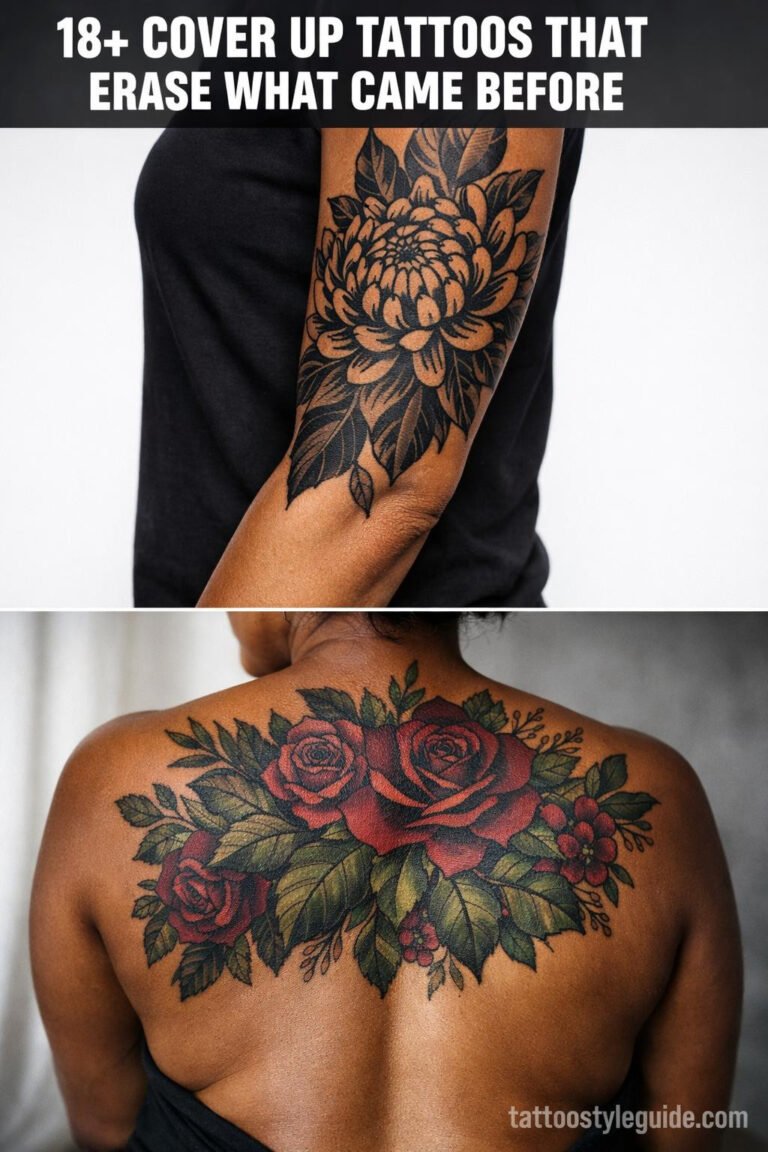
Fresh tattoos go through predictable stages. Days one through three bring redness, mild swelling, and plasma oozing that dries into a thin scab film. By day four or five, light peeling and flaking begin, resembling a sunburn. The skin feels tight and itchy. This is standard. Color tattoos often peel more visibly than black-and-grey work. Fine-line pieces with minimal saturation sometimes heal faster with less surface drama.
Redness should fade steadily after the first 72 hours. If the area around your tattoo stays angry-looking beyond day five, or if the redness spreads outward instead of contracting, that’s your first signal to look closer.
Aftercare Products and Misdiagnosed Reactions
Plenty of “ink allergies” are actually reactions to balms, ointments, or soaps. Petroleum-based products like Aquaphor work for some but clog pores for others, trapping bacteria and causing contact dermatitis that mimics infection. Fragrance-laden lotions are worse. Stick to unscented, dye-free moisturizers after the initial wrap period.
- Wash with plain, unscented soap, no exfoliants, no antibacterials with heavy chemical loads
- Pat dry with clean paper towels, not fabric that harbors detergent residue
- Apply moisturizer in thin layers; the skin should breathe, not suffocate
- Avoid swimming, hot tubs, and direct sun until peeling finishes
Switching products mid-heal can trigger new irritation. If you introduce something and symptoms flare within 24 hours, stop using it before blaming the ink.
When to See a Professional
Signs of True Ink Allergy vs. Infection
Ink allergies typically present differently than bacterial infections. Allergic reactions to pigment often localize to specific colors, red and yellow inks cause more reported issues than black, though black carbon-based ink can trigger reactions too. Look for raised, hard bumps within the tattooed area specifically, not the surrounding skin. These bumps may weep clear fluid, not pus. Itching tends to be intense and persistent, sometimes appearing weeks or months after healing completes.
Infections usually bring heat, throbbing pain, yellow or green discharge, and fever. The surrounding skin swells uniformly. If you spike a temperature or see red streaks radiating from the tattoo, that’s infection territory, urgent care, not a dermatology appointment.
Getting Properly Evaluated
Dermatologists can perform patch testing with specific pigment compounds. Not all dermatologists tattoo-literate, so seek one familiar with tattoo reactions. They may biopsy persistent bumps to distinguish allergy from sarcoidal granulomas or other rare responses. Bring photos of your tattoo at different stages; timeline matters for diagnosis.
Some artists keep pigment lot sheets. Ask your artist for brand and color names if you need medical follow-up. This isn’t accusatory, it’s practical data collection.
Common Mistakes
Over-moisturizing ranks high. Slathering ointment creates a petri dish environment. The skin macerates, whiteheads form, and people assume it’s an allergy. It’s not. Cut back to two or three light applications daily.
Another frequent error: self-diagnosing based on internet photos. Every body heals differently. Your raised lines might be normal plasma scabbing; someone else’s identical-looking photo might show contact dermatitis. Context, timing, symptoms, spread, matters more than visual matching.
Pre-tattoo “allergy testing” by having an artist dot a tiny amount of ink is largely unreliable. The skin trauma of needling itself causes inflammation, and such small exposures don’t reliably predict full-session reactions. No standardized pre-tattoo ink allergy test exists in the US.
- Don’t scratch or pick, this introduces bacteria and obscures what’s actually happening
- Don’t start oral antibiotics without medical guidance; they won’t help allergic responses
- Don’t request “hypoallergenic ink” as a guarantee, marketing terms aren’t regulated
- Don’t assume vegan ink equals allergy-proof; plant-based alternatives carry their own sensitivities
What to Expect Step by Step
Before Your Appointment
Research your artist’s pigment brands if you have known sensitivities. Many quality shops use stable, reputable lines like Eternal, Intenze, or World Famous, but formulations change. If you’ve reacted to hair dye, red ink merits extra caution, some red pigments share chemical families with permanent hair colorants. Discuss concerns during consultation. Experienced artists have seen reactions and can advise on color choices or alternatives.
The First 48 Hours
Expect significant redness and warmth. The body treats tattooing as controlled trauma. Plasma and ink mix on the surface; wiping during the session already shows how your skin handles pigment deposition. By hour 36, swelling should peak and begin descending. If you notice hives beyond the tattooed area, or if your eyelids swell after a forearm piece, that’s systemic response, seek care.
Days 3 Through 14
Peeling dominates. Colors may look dull under scabs. Itching intensifies. This is when most false alarms happen. Tap the area, don’t scratch. Cool, clean compresses help. If individual color patches heal differently, say, the red sections stay raised while black settles flat, note that specifically for your artist or a dermatologist.
Weeks 2 Through 8
The tattoo settles into skin. Itching should resolve. Any return of significant symptoms during this window suggests delayed hypersensitivity. This is more common with certain organic pigments and some white inks containing zinc oxide. Document with dated photos.
Pain & Comfort
Allergic reactions add their own discomfort layer atop normal tattoo pain. Standard tattoo pain is sharp during lining, more diffuse and burning during shading. It subsides within hours. Allergic itching, by contrast, persists and intensifies without positional relief. You can’t “work through” it like session pain.
Location affects both pain and reaction visibility. Soft, thin skin on inner arms or ribs shows swelling more dramatically. Areas with more lymphatic drainage, armpits, groin vicinity, may spread localized reactions faster. If you’re concerned about allergies, avoid these high-reactivity zones for first tattoos.
Pain management during healing: cool (not ice-direct) compresses, oral antihistamines if a clinician approves, elevation for limb tattoos. Avoid topical anesthetics on healing skin, they complicate diagnosis by masking symptoms and potentially adding new irritants.
Realistic Expectations
Most people never experience ink allergy. Industry estimates suggest pigment reactions occur in a small minority of clients, though formal tracking doesn’t exist. The bigger reality is that tattooing involves foreign substance implantation; some immune response is inevitable and usually harmless.
Ink allergies, when they occur, can be managed but not easily reversed. Laser removal of allergic tattoo areas is complicated, laser energy can trigger further immune response to released pigment particles. Surgical excision is sometimes used for small, localized reactions. This is why identifying true allergy versus irritation matters so much.
Long-term, some pigments fade or shift color as they age in skin. UV exposure accelerates this. Yellows and light greens often degrade fastest. This is chemical breakdown, not allergy, but confused clients sometimes interpret color change as reaction. Sun protection preserves pigment integrity and appearance.
Cost considerations: addressing a suspected reaction involves dermatology visits, possible patch testing, and potential revision or removal. These expenses dwarf the original tattoo investment. Good aftercare and prompt professional consultation when something seems off protect both your skin and your wallet.
Final Word
Trust the timeline of normal healing, but don’t dismiss persistent deviations. The line between careful observation and unnecessary alarm isn’t always obvious, experience helps, which is why building relationship with a reputable artist matters. They see your skin’s response in real time and can compare across hundreds of healings. Your job is to communicate clearly, follow aftercare without improvisation, and seek medical input when symptoms break pattern. The vast majority of tattoos heal uneventfully into permanent, satisfying work. Knowing what genuine trouble looks like lets you enjoy the process without unnecessary fear.
Frequently Asked Questions
Can I get tested for tattoo ink allergy before getting tattooed?
There’s no standardized pre-tattoo allergy test available in the US. Small “dot tests” aren’t reliable predictors since the inflammatory response to needling itself confuses results. If you have known sensitivities to hair dyes or specific chemicals, discuss ingredient concerns with your artist and consider avoiding related pigment colors.
Why does my tattoo itch months after it healed?
Delayed hypersensitivity can appear weeks or months post-healing, often linked to specific pigment compounds like certain reds or whites. This differs from normal healing itch. Persistent bumps, hardening, or localized discoloration in specific colored areas warrant dermatologist evaluation rather than more moisturizer.
Are black ink tattoos safer for people with sensitive skin?
Black carbon-based ink generally causes fewer reported reactions than some colored pigments, but “safer” isn’t guaranteed. Individual sensitivity varies enormously. Some black inks contain additives or carrier solutions that trigger responses. There’s no universally hypoallergenic ink option.
Should I avoid red ink if I’m worried about allergies?
Red pigments statistically generate more allergy reports than other colors, partly due to specific chemical formulations used in brighter reds. If concerned, discuss alternatives with your artist, darker burgundy tones sometimes use different bases, or you might choose a design emphasizing black-and-grey with minimal color accents.
Related Tattoo Guides
- How Jailhouse Tattoo Guns Work and Why They Fail
- How to Make a Tattoo Gun Without a Motor: A Practical Guide
- How to Make a Permanent Tattoo at Home With a Pen
- Explore more