
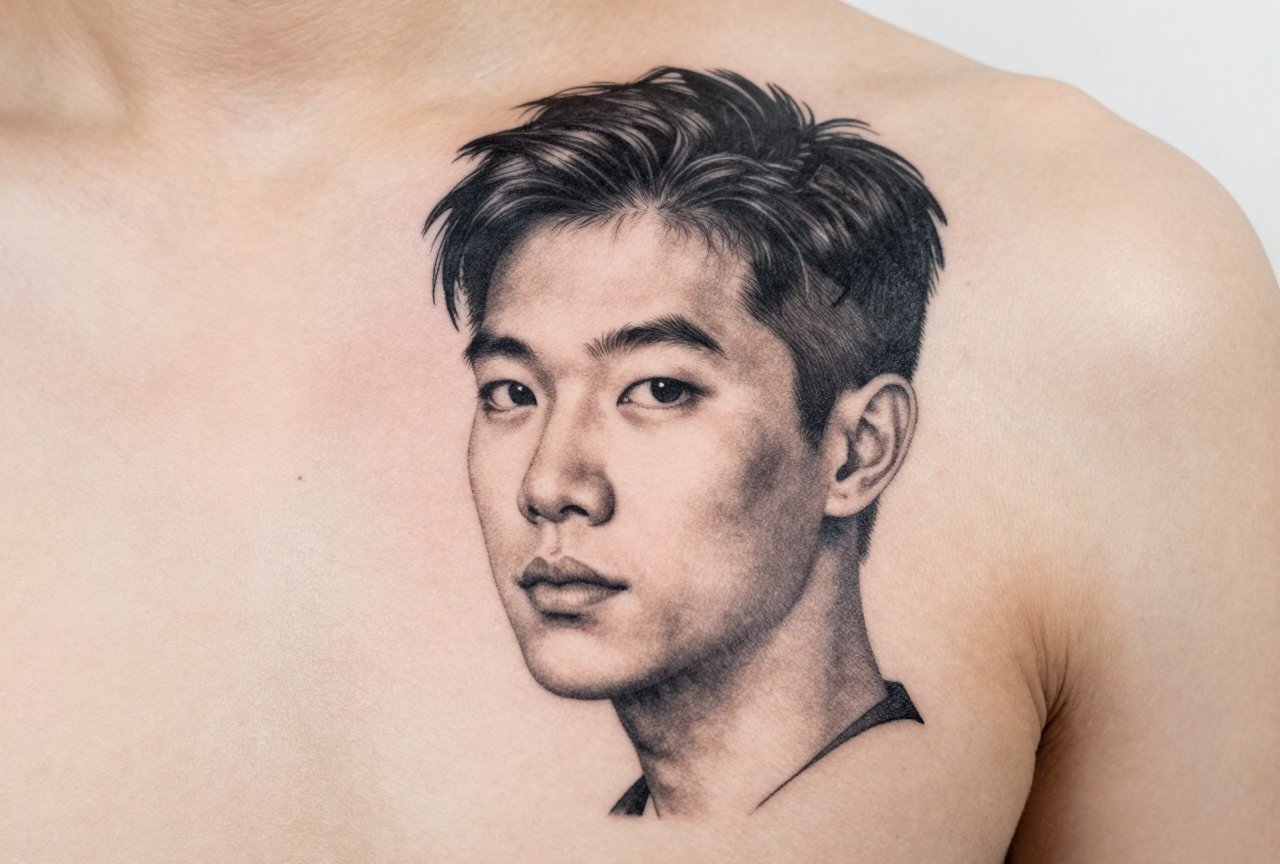
An Asian tattoo encompasses designs drawn from the diverse cultures of East and Southeast Asia, each carrying meanings rooted in mythology, philosophy, and artistic tradition. This broad category connects to concepts like strength, perseverance, protection, spiritual growth, and the natural world. The specific meaning depends entirely on which symbol, creature, or motif you choose, making Asian tattoos deeply personal while honoring cultural heritage.
Symbolism and History
Asian tattoo traditions stretch back thousands of years, with evidence of tattooing in Japan dating to around 10,000 BCE and in China to at least 3000 BCE according to archaeological records. These early practices served purposes ranging from spiritual protection to marking social status. Over centuries, the art forms evolved into sophisticated visual languages where every element carries intentional weight.
- Dragons: In Chinese and Japanese traditions, dragons symbolize wisdom, power, and benevolent authority. Unlike Western dragons, Asian dragons are typically seen as protectors and bringers of rain and prosperity.
- Koi fish: Rooted in Japanese legend, the koi represents perseverance, inspired by the story of koi swimming upstream to become dragons.
- Phoenix (Hou-ou or Fenghuang): This mythical bird embodies rebirth, renewal, and feminine grace paired with resilience, often rising from ashes or flames.
- Cherry blossoms (sakura): These fleeting flowers symbolize the beauty and fragility of life, a concept known in Japanese as mono no aware, the pathos of things.
- Buddhist and Hindu imagery: Lotus flowers represent purity emerging from muddy waters, while mandalas and chakras reflect spiritual balance and cosmic order.
- Calligraphy: Single characters or phrases can encapsulate entire philosophies, such as strength, love, courage, or harmony.
Many Asian tattoo traditions, particularly Japanese irezumi, developed alongside woodblock printing, sharing bold outlines, flat color areas, and narrative compositions. This historical connection gives authentic Asian tattoos their distinctive visual power and storytelling capacity.
Common Styles
Asian tattooing encompasses several distinct artistic approaches, each with unique technical and aesthetic qualities. Understanding these helps you choose a style that resonates with your vision and respects the tradition it comes from.
- Traditional Japanese (Irezumi): Large-scale compositions featuring flowing backgrounds of wind, water, or clouds, often wrapping around limbs or covering backs. Common subjects include dragons, tigers, snakes, and heroic figures from folklore.
- Chinese traditional: Emphasizes mythical creatures like the dragon and phoenix, paired with clouds, flames, and symbolic elements. Often incorporates more fluid compositions than Japanese work.
- Thai Sak Yant: Sacred geometric designs incorporating Buddhist prayers and animal spirits, traditionally applied with a long metal needle by monks or ajarns. Each yantra carries specific protective or empowering properties.
- Korean: Frequently features minimalist approaches, delicate floral arrangements, or calligraphy reflecting Confucian and Buddhist values.
- Neo-Asian or contemporary fusion: Modern artists blend traditional motifs with realism, watercolor techniques, or graphic styling, creating fresh interpretations while maintaining symbolic integrity.
Placement Options
Placement of an Asian tattoo often enhances its meaning and visual impact. Traditional Japanese work frequently follows the body’s natural contours, with designs that flow with muscle structure and movement. Dragons and serpents wrap powerfully around arms and legs, while koi traditionally swim upward, making the forearm, calf, or side of the torso natural choices. Large back pieces provide space for complete narratives, such as a phoenix rising or a warrior scene.
Smaller symbols like cherry blossoms, single characters, or lotus flowers work beautifully on wrists, behind ears, along collarbones, or as part of a larger composition. For Sak Yant designs, traditional placement follows spiritual guidelines, often on the upper back, chest, or arms where the protective energy is believed to be strongest.
Who Gets This Tattoo
People drawn to Asian tattoos come from remarkably diverse backgrounds. Some have direct ancestral connections to the cultures represented and seek to honor their heritage through meaningful imagery. Others without Asian heritage appreciate the aesthetic beauty and philosophical depth, though this requires thoughtful research to avoid appropriation. The question worth asking yourself is whether you understand what you are wearing and can represent it honestly.
Many choose these tattoos during significant life transitions: koi swimming upstream resonate with those overcoming serious obstacles; phoenix imagery appeals to those rebuilding after loss; lotus flowers speak to those emerging from difficult periods. Martial artists often connect with tiger and dragon symbolism representing the balance of strength and wisdom. The key is choosing symbols with genuine personal relevance rather than surface-level appeal.
Related Symbols
Several tattoo traditions share conceptual territory with Asian designs, offering alternatives or complementary imagery depending on your intentions.
- Nordic and Celtic mythology: Dragons, serpents, and tree of life motifs share themes of cosmic power and natural cycles.
- Polynesian tribal: Like Sak Yant, these patterns carry specific protective and status meanings, applied with traditional techniques and following cultural protocols.
- Biomechanical: For those drawn to the koi-to-dragon legend, biomechanical designs explore change through technology-organism fusion.
- Realistic nature tattoos: Botanical realism offers an alternative to stylized cherry blossoms or lotus flowers for those prioritizing naturalistic representation over symbolic tradition.
Cultural Respect and Research
Asian tattoo traditions deserve genuine engagement rather than surface-level appreciation. If you are choosing a Japanese irezumi-style piece, understand that the tradition has specific rules about how subjects are combined: certain pairings are considered inappropriate, and some imagery carries historical connotations that are not immediately obvious to Western collectors. Consulting with an artist who has trained seriously in the tradition, ideally with direct mentorship from Japanese practitioners, is worth the effort and often the additional cost.
For Sak Yant specifically, many practitioners argue that the tattoo is only properly activated when applied by a qualified ajarn in a ritual context, and that decorative reproductions lack spiritual validity. If your interest is aesthetic rather than spiritual, that may not matter to you. But if you want the genuine article, you need to seek out a qualified practitioner, which means traveling to Thailand or finding one of the few legitimate practitioners operating abroad. Do that research before booking anything.
With calligraphy, always have the characters verified by a native speaker before tattooing. Incorrect or meaningless combinations of characters have been documented countless times, often because an artist translated from an online tool without verification. This is avoidable with thirty minutes of due diligence.
Final Thoughts
Asian tattoos offer extraordinary depth for those willing to engage with their cultural and symbolic dimensions. The most successful pieces emerge from genuine understanding rather than exoticized fascination. Take time to research your chosen motif’s history, consult artists who specialize in authentic techniques, and consider how the symbolism aligns with your personal narrative. Whether you honor ancestry, commemorate change, or connect with the aesthetic power of these traditions, an Asian tattoo done with respect and intention becomes a meaningful lifelong companion.









