Becoming a tattoo removal technician means learning to operate Q-switched or picosecond lasers that break ink into particles your body flushes out. It’s not tattooing in reverse, it’s a separate skill that demands physics knowledge, skin-type fluency, steady hands, and real comfort with managing pain and expectations. I’ve sat in shops where the removal tech worked ten feet from me, and I’ve watched clients walk in hopeful and walk out swollen, red, and already booking their next session. If you’re serious about this path, here’s what actually matters.
What the Job Actually Looks Like
You’re not erasing anything. You’re fading. Clients come in with ex-lovers’ names, blown-out tribal they got at eighteen, or sleeves they need cleared for military or corporate work. You zap them, they blister or swell, they come back in six to eight weeks, and you do it again. Twelve to fifteen sessions for a dense black piece isn’t unusual. Color, especially greens and blues, can be stubborn as hell.
I tell people who ask about crossing over from tattooing: the vibe is different. Tattoo artists build something; removal techs take something away, slowly, sometimes painfully. The chair talk is heavier. You’re managing disappointment a lot. Someone paid three grand for a back piece they now hate, and you’re telling them it’ll cost twice that to maybe get it light enough for a cover-up.
Day-to-Day Realities
Your days split between consultations, actual lasering, and aftercare check-ins. Consultations eat more time than you’d think, assessing ink depth, skin tone, scar tissue, whether the tattoo was professional or amateur (amateur ink sits unevenly and behaves unpredictably). The lasering itself is fast: a palm-sized piece might take ten minutes. But the emotional labor is real. You’re part dermatology-adjacent, part therapist.
Training and Certification Requirements
There’s no single national license for tattoo removal in the US. Rules scatter state by state, sometimes county by county. Some states classify laser operation under medical practice, requiring a physician to supervise or actually perform treatments. Others let trained techs work under a medical director’s oversight. A few barely regulate it at all, though that’s changing fast.
- Check your state medical board and department of health websites first. Don’t trust a school’s marketing.
- Laser safety certification through organizations like the Board of Laser Safety or A Laser Academy covers beam physics, tissue interaction, eye protection protocols, and emergency procedures.
- Device-specific training from manufacturers like Cynosure, Cutera, or Lutronic is where you learn the actual machine, settings for different ink colors, spot sizes, pulse durations.
- Shadowing working techs beats classroom time for reading skin reactions and managing client freakouts.
I’ve seen kids drop eight grand on a “laser certification” that left them legally unable to operate in their own state. Do the homework first. Call your state board. Ask direct questions about medical director requirements and whether you need to be an RN, PA, or MD.
Building Real Competence
Classroom lasers don’t prepare you for the variables. Darker skin tones require longer wavelengths and more caution, Nd:YAG at 1064nm instead of the 532nm you’d use for red ink on fair skin. Get it wrong and you cause hypopigmentation or burns. I’ve watched techs freeze in my shop because a client had a tan they didn’t account for. Experience with Fitzpatrick skin types isn’t optional; it’s survival.
Equipment and Startup Costs
Used Q-switched lasers run fifteen to forty thousand. New picosecond machines, PicoSure, PicoWay, can hit two hundred grand. Most new techs start in someone else’s shop or medspa, not as owners. The machines need maintenance, calibration, replacement handpieces. Factor in protective eyewear, cooling systems, topical anesthetic supplies, and liability insurance that specifically covers laser procedures.
If you’re partnering with a tattoo shop, understand the split. Some shops add removal as a service and take a percentage. Others rent space to independent techs. The arrangement matters for your insurance, your client base, and if you’re building your own book or feeding someone else’s.
Pain, Aftercare, and Managing Expectations
Clients always ask if removal hurts worse than getting tattooed. It does. The laser snaps against skin like a rubber band heated by lightning. Most techs use topical numbing, lidocaine creams, sometimes injected local anesthetic for large sessions. Ice helps. But there’s no comfortable removal. Anyone promising that is lying.
Aftercare is straightforward but critical: keep it clean, don’t pick blisters, avoid sun, stay hydrated. I see clients in my tattoo chair who went to bad removal techs and have scarring that makes cover-ups harder. Good aftercare instructions, written and verbal, protect your results and your reputation.
- Expect redness, swelling, possible pinpoint bleeding or frosting (white discoloration from laser heat).
- Blisters form within 24-48 hours; let them resolve naturally.
- Loose clothing over the area, tight jeans on a fresh thigh removal are a mistake.
- No swimming, hot tubs, or gym sweat sessions until skin closes.
Cost runs roughly two to five hundred per session depending on size and market. Full removal of a substantial piece can total five to ten thousand. Clients balk. Be honest about the investment upfront. I’ve heard too many stories of techs who lowballed session counts to get a signature.
Working With Tattoo Artists
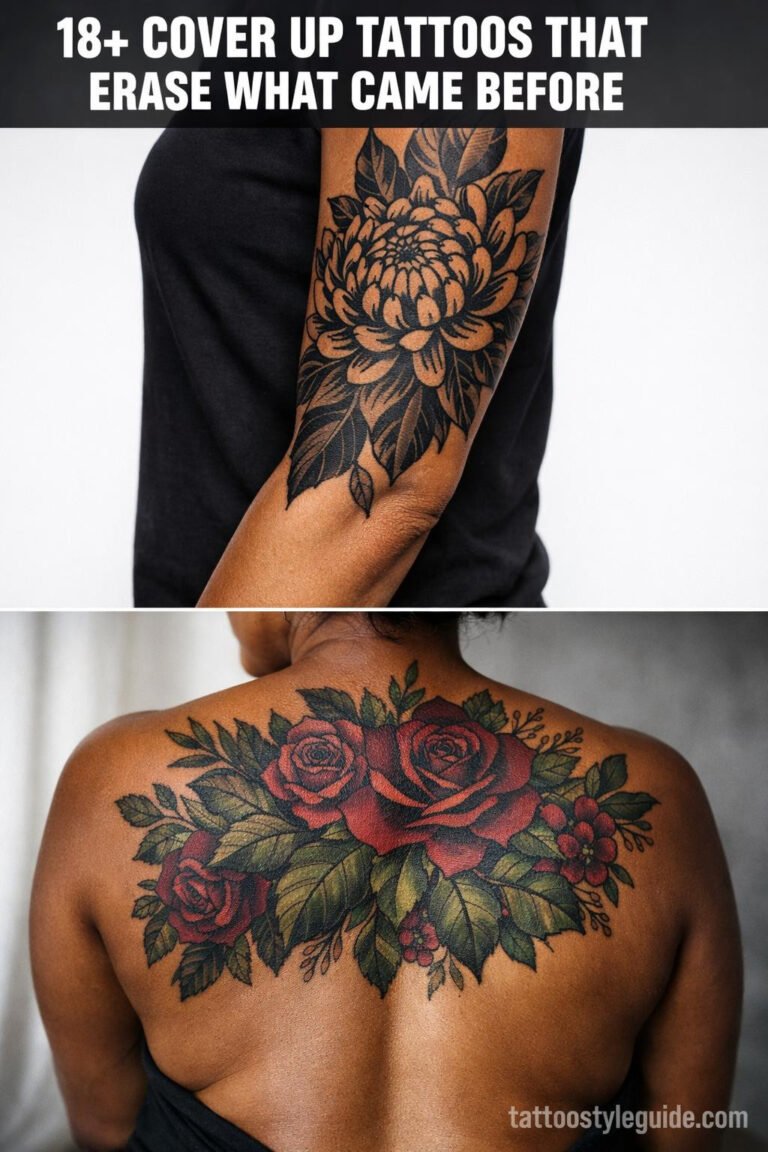
The best removal techs I know collaborate with tattooers, not compete. Fading for cover-ups is huge business, lightening an old piece enough that I can work fresh, saturated color over it. That relationship matters. Tattoo artists send clients your way when they need fade work; you send clients their way when removal won’t fully clear and a cover-up’s the smarter path.
Learn to read tattoo work. Identify blowouts, scarred skin from heavy-handed lining, areas where white ink has oxidized to yellow. This knowledge changes your laser approach. I’ve had techs ask me about specific artists’ ink habits, some pack denser, some use carriers that shift color differently under laser. That granular stuff separates competent techs from great ones.
Key Takeaways
Becoming a tattoo removal technician is a genuine career path with real demand, but it’s not a quick pivot or easy money. You need proper laser training, clear understanding of your state’s medical oversight rules, significant equipment investment or a solid shop partnership, and the emotional stamina to guide people through a long, sometimes painful process with honest outcomes. The work sits at an interesting intersection, technical, physical, psychological, and the techs who thrive combine mechanical precision with human patience. If you’re coming from tattooing, your eye for skin and your client chair manner give you a head start. If you’re new to the industry entirely, find a working tech to shadow before you spend a dime on certification. The laser hums differently when there’s actual nervous person attached to it.
Frequently Asked Questions
Do I need to be a tattoo artist first to become a removal technician?
No. The skills are different enough that plenty of removal techs never picked up a tattoo machine. Your visual eye for skin and comfort with clients helps if you do have tattooing background, but it’s not required. What matters more is your laser training and your ability to manage the technical and emotional sides of fading work.
How long does it take to become fully qualified to work independently?
Most basic laser safety courses run a few days to two weeks. But competent independent practice usually takes six months to a year of supervised sessions, building your eye for skin reactions and your confidence with different devices. Don’t rush into solo work because a certificate says you’re ready.
Can you make good money doing only tattoo removal?
You can, but the math depends on your market and whether you own the machine or split fees. Established techs in busy urban areas charging properly for full removal packages can do well. Starting out, you’ll likely supplement with related services like paramedical tattooing or work under a medspa’s umbrella until your client base builds.
What’s the biggest mistake new removal techs make?
Overpromising results. Clients want timelines and certainty; you have to give them ranges and maybes. Guaranteeing complete removal in six sessions, or taking on skin types you’re not experienced with, burns your reputation fast. The techs who last are the ones who under-promise and over-deliver, every time.
Related Tattoo Guides
- How to Come Up With Tattoo Ideas That Actually Stick
- How to Cover Up a Tattoo: A Working Artist s Guide
- How to Draw a Rose Tattoo: A Realistic Guide
- Explore more