
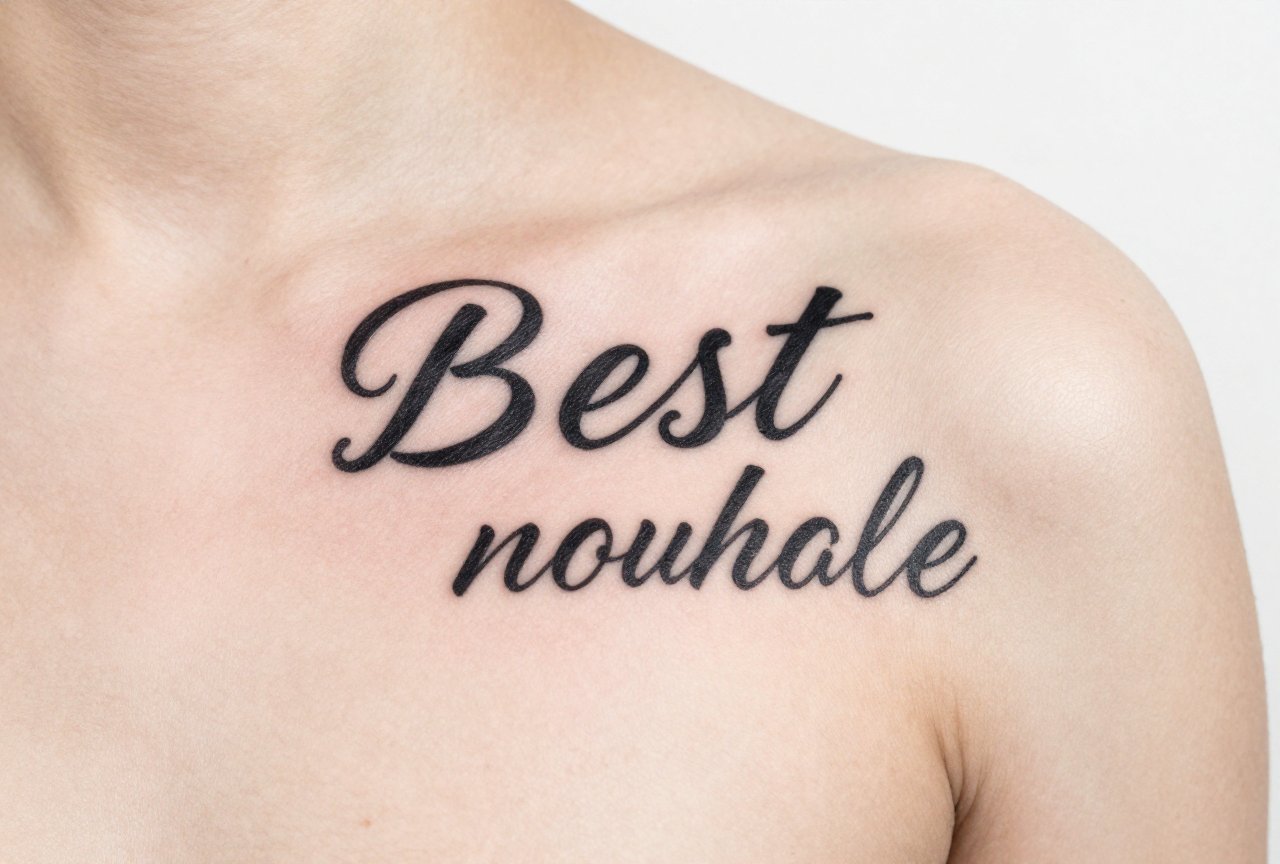
A meaningful tattoo is not a single design but a deeply personal piece of body art that carries genuine significance for the wearer. These tattoos go beyond aesthetics, serving as permanent reminders of pivotal life moments, cherished relationships, core values, or hard-won changes. The best meaningful tattoo is the one that resonates authentically with your individual history and continues to hold power throughout your lifetime.
Symbolism and History
Meaningful tattoos draw from humanity’s oldest artistic traditions, with evidence of symbolic body art dating back over 5,000 years across ancient Egyptian, Polynesian, and indigenous cultures worldwide. The concept of imbuing skin with personal significance reflects a universal human need to externalize internal experiences. Modern meaningful tattoos often incorporate timeless symbols that have carried weight across centuries: the ouroboros for cyclical renewal, the lotus for resilience through adversity, or the compass for guidance and direction.
What distinguishes these tattoos is their intentional connection to specific personal narratives rather than generic trend-following. The symbolism becomes activated through the wearer’s own story, turning universal imagery into something intimately specific.
Common Styles
Meaningful tattoos manifest through remarkably diverse artistic approaches, each offering distinct emotional resonance:
- Script and lettering: Handwritten notes from loved ones, coordinates of significant locations, or phrases in ancestral languages
- Portrait and memorial work: Realistic or stylized depictions of family members, pets, or personal heroes rendered in black and grey or full color
- Nature and animal symbolism: Wolves for loyalty, birds for freedom, trees for growth and rootedness, customized with specific species holding personal relevance
- Abstract geometric and sacred geometry: Metatron’s cubes, flower of life patterns, or custom mandalas representing spiritual beliefs or philosophical commitments
- Minimalist fine line: Delicate, understated designs that prioritize subtlety and personal recognition over public display
- Cultural and heritage imagery: Celtic knots, Nordic runes, Japanese kanji, or indigenous patterns that honor ancestral connections honestly
Best Placements
Placement significantly amplifies a meaningful tattoo’s impact and intimacy. The inner forearm offers visibility for daily personal reinforcement while remaining concealable professionally. The ribcage and sternum provide expansive canvas for larger compositions and carry visceral proximity to vital organs, lending metaphorical weight to protective or heartfelt designs.
The upper back and shoulder blades suit memorial pieces meant to be carried behind you. The inner bicep and thigh offer semi-private placement where meaning can be shared selectively. Finger and hand placements commit to constant visibility. For particularly intimate meanings, the collarbone, behind the ear, or along the spine create personal connection points.
Think carefully about how aging, sun exposure, and potential future modifications might affect your chosen placement over decades of wearing this.
Who Gets This Tattoo
People pursuing meaningful tattoos typically arrive at significant life inflection points: surviving illness or trauma, commemorating loss, celebrating recovery, marking geographical change, or honoring relationships that fundamentally shaped their identity. Parents often choose children’s birthdates, footprints, or interpreted drawings. Military veterans frequently select unit insignia, theater coordinates, or memorial designs for fallen companions.
Survivors of abuse or addiction may choose phoenix imagery, semicolon variations representing continuation rather than ending, or personal mantras that anchored their recovery. Travelers might collect coordinates from places that changed their thinking. Artists and creatives sometimes tattoo their own work or the tools of their craft. The unifying thread is genuine lived experience rather than aspirational projection. The most successful meaningful tattoos come from processing completed journeys rather than marking intentions still uncertain.
Related Symbols
Those drawn to meaningful tattoos often explore related symbolic territories:
- Memorial tattoos: Specifically focused on grief, remembrance, and continuing bonds with deceased loved ones
- Spiritual and religious tattoos: Crosses, om symbols, hamsa hands, or deity representations expressing faith commitments
- Astrological and celestial tattoos: Birth charts, zodiac constellations, or moon phases marking specific temporal significance
- Biomechanical and anatomical tattoos: Revealing internal structures metaphorically, often chosen by medical professionals or those with body-focused personal narratives
- Cover-up and rework tattoos: Deliberately evolving earlier work to reflect changed identity and growth
One pattern I notice: the most enduring meaningful tattoos are ones where the collector can explain the choice to someone who has never heard of the symbol. If your explanation requires the listener to already know what the symbol means, the connection may be more about the symbol’s reputation than your actual relationship with it. A semicolon tattoo is meaningful if you can tell a specific story about what continuation means to you personally. If you cannot, keep thinking before you book.
Questions to Ask Yourself First
Before you meet with an artist, it helps to work through a few questions on your own. What specific moment, relationship, or value does this tattoo need to represent? Vague answers like “my journey” or “strength” are starting points, not designs. Push past the abstract and identify the specific. “My sobriety date” or “the coordinates of the hospital where my daughter was born” are specific. Specific stories make better tattoos.
Second, are you choosing this symbol because it genuinely connects to your experience, or because you have seen it done well and want something similar? There is nothing wrong with finding inspiration in others’ work, but if you cannot explain in your own words why this symbol matters to you, it may not be the right choice yet.
Third, how private do you want the meaning to be? Some people want their tattoo to invite questions so they can share the story. Others want the meaning to be entirely internal, a private ritual that no one else needs to interpret. Your answer here affects placement, scale, and legibility.
Fourth, are you tattooing a chapter that is finished or one you are still in? I find that tattoos marking completed experiences tend to age better emotionally than ones marking ongoing processes that may resolve differently than expected. That said, some people tattoo intentions as a form of commitment rather than commemoration, and that can work too. Just be honest with yourself about which you are doing.
Finally, think about who you will be at fifty or sixty wearing this. Not to talk yourself out of it, but to make sure the symbolism is something you can grow into rather than out of. The best meaningful tattoos become richer with time rather than more embarrassing.
Final Thoughts
The best meaningful tattoo resists replication because its power comes from irreproducible personal history. Prioritize working with artists who demonstrate genuine interest in your narrative and technical skill appropriate to your chosen style. Allow designs to develop through consultation rather than rushing to an appointment. A meaningful tattoo should feel inevitable in retrospect, even if the decision required careful deliberation. The most enduring pieces balance immediate emotional significance with aesthetic principles that will sustain visual satisfaction across decades of changing perspective.









