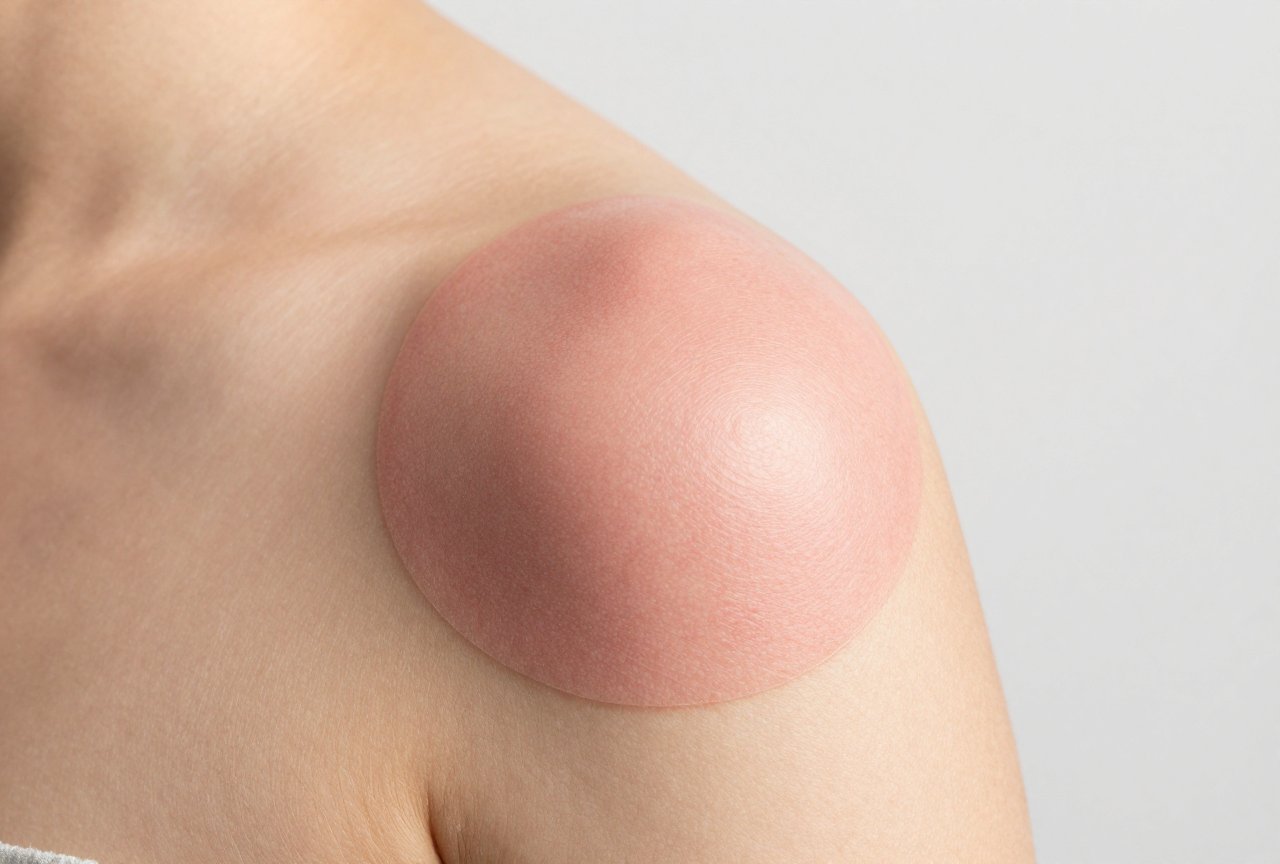
Yes, a back tattoo hurts, but the pain isn’t uniform. Some spots feel like a hot scratch; others will make you grip the armrest until your knuckles go white. I’ve tattooed hundreds of backs over fifteen years, and I’ve watched tough guys tap out on the shoulder blade while someone half their size snoozed through a lower back piece. The back is a large, varied canvas, and pain depends entirely on where you’re getting work done, how long you’re in the chair, and your own pain tolerance that day.
Back Pain by Zone: The Real Breakdown
Not all back skin is created equal. Here’s how I break it down for clients when they ask me during consultations.
The Lower Back: Usually the Easiest
The lower back, what we still call the “tramp stamp” zone in shops, though nobody says that to clients’ faces, has more fat and muscle padding. Most people handle this area well. The skin’s relatively thick, and there’s bone nearby but not pressing right against it. I’ve had clients chat through entire lower back sessions. The exception is if you work down toward the tailbone or out to the hip dimples. That bony edge changes everything.
The Upper Back and Shoulder Blades
This is where things get interesting. The shoulder blade area sits right on bone with a thin layer of skin and muscle. When my machine hits that bone, clients feel vibration through their entire chest. It rattles. Some describe it as a deep, dull thudding pain rather than surface scratching. The inner edge of the shoulder blade, near the spine, is particularly spicy. I always warn people: blade work is manageable for smaller pieces, but full back pieces that spend hours here test everyone.
The Spine and Center Line
Running ink directly over the vertebrae is a specific sensation. The spine has less padding, and the nerves there seem to amplify everything. I tattoo a lot of script and fine lines down spines these days, trendy, but not comfortable. Clients often describe it as a sharp, electric feeling that travels. Not everyone minds it equally, but nobody calls it pleasant. The upside: spine work is usually quick if you’re doing a line. The downside: full shading down the spine is a long, intense session.
The Ribs and Side Extensions
When a back piece wraps to the ribs, that’s often the hardest part. The floating ribs have thin skin, constant movement from breathing, and a whole lot of nerve endings. I see people hold their breath during rib shading. I have to remind them to breathe, literally, out loud, because tensing makes it worse. If your back tattoo extends to the side, budget extra mental preparation for that transition.
What Actually Makes It Worse (or Better)
Pain isn’t just anatomy. I’ve watched identical placements feel completely different based on these factors:
- Session length. The first hour is rarely the problem. It’s hour three, four, five when your endorphins crash and the skin gets raw. I schedule back pieces in chunks for this reason.
- Needle grouping and style. Bold traditional lines with a tight liner? Quick, intense, done. Soft black-and-grey realism with magnum shaders? That machine’s in your skin longer per pass, and the cumulative effect builds.
- Your physical state that day. Hungover? Haven’t eaten? Slept four hours? I can tell within ten minutes. Your pain threshold drops noticeably.
- Artist speed and technique. A heavy-handed artist does more damage to the skin, creating more inflammation and longer pain. I adjust my voltage and hand speed for bony areas specifically.
How Long Does the Pain Last?
During the Session
Active tattooing pain is immediate and constant. For a back piece, you’re typically lying face down, which is its own discomfort, your neck twisted, your arms finding somewhere to go. I let clients adjust position every twenty minutes or so. The pain itself: imagine a cat scratch being repeated rapidly. Some zones add that deep bone vibration I mentioned. After about ninety minutes, most people hit a rhythm where it’s manageable background noise. Others don’t, and that’s okay too.
After You Leave the Shop
The first night, your back will feel like a bad sunburn. Tight, hot, sore. Sleeping is awkward because you can’t really lie on it. I tell clients to plan their first two nights: clean sheets you don’t mind staining, loose shirt, maybe a pillow arrangement that keeps pressure off. By day three, the surface pain fades into itchiness and tightness. The back heals relatively well because it’s not a high-movement area like a knee or elbow, but that also means it can feel stiff when you first get up.
Practical Tips for Managing Back Tattoo Pain
Here’s what I actually tell people in my chair:
- Eat a real meal two hours before. Not a granola bar. Protein, complex carbs, something substantial. Your blood sugar matters more than you think.
- Bring headphones and a distraction. The back is awkward for conversation anyway since you’re face down. Audiobooks work better than music for some people, something that occupies your brain without requiring visual attention.
- Don’t hold your breath. I say this constantly. Breathe steadily. Tensing your whole back makes the needle feel worse and the artist’s job harder.
- Consider breaking up large pieces. A full back piece might be fifteen hours. Nobody does that in one sitting, and I wouldn’t let you. We plan sessions around the worst zones so you’re not hitting bone areas fresh every time.
- Skip the numbing cream unless we discuss it. Most over-the-counter numbing doesn’t last long enough for real work, and it can change how the skin takes ink. If you need it, I’ll recommend what actually works and how to time it.
Healing Reality: What the Back Specifically Needs
Back tattoos heal relatively straightforwardly, but there are practical challenges. You can’t see it well without mirrors. You can’t reach to apply aftercare easily. I recommend clients either have a trusted person help with ointment application for the first three days, or they get creative with a clean spatula or the back of a long-handled spoon wrapped in plastic. Seriously.
The back also rubs against chairs, car seats, bed sheets. For the first week, I suggest sleeping in a clean soft t-shirt that protects the tattoo from direct sheet contact. Loose, breathable fabrics only. No tight workout gear pressing fresh ink. The back sweats during healing, that’s normal, but keep it clean and don’t let moisture sit.
Peeling usually starts around day four or five. The back’s large surface area means you’ll have noticeable flakes. Don’t pick. I know it’s tempting when you feel pieces catching on your shirt. Let them fall naturally. Picking pulls ink out and can leave patchy healing.
Is It Worth It?
I get this question phrased different ways, but the meaning’s the same. My honest answer: if you want the tattoo, the pain is just the price of admission. It’s not a suffering contest. It’s not about proving anything. The back offers incredible space for large, flowing designs that work with your body’s natural structure. Japanese back pieces, ornamental mandalas, realistic portraits, bold traditional, this is where they live best. The pain is real, temporary, and entirely predictable. Most of my back clients, even the ones who struggled in the chair, come back for more work. That tells you something.
Key Takeaways
- Back tattoo pain varies dramatically by placement: lower back is generally easiest, shoulder blades and spine are hardest, rib extensions are brutal.
- Session length, your physical condition, and artist technique all affect how much it hurts beyond just anatomy.
- Prepare practically: eat well, bring distractions, breathe steadily, and plan your sleeping position for the first nights.
- Back healing has specific challenges around visibility and reach, arrange help with aftercare application.
- The pain is temporary and manageable; the back remains one of the best canvases for substantial, beautiful tattoo work.
Frequently Asked Questions
Can I use numbing cream before a back tattoo session?
Some artists allow it, but most prefer you skip over-the-counter options. They often don’t last through long sessions and can affect how skin accepts ink. If you’re genuinely anxious, discuss professional-grade options with your artist beforehand so they can plan timing properly.
How do I sleep with a fresh back tattoo?
Sleep on your side or stomach for the first week. Use clean, soft sheets and consider a thin, clean t-shirt to prevent sticking. I warn clients to expect some awkward nights, it’s just part of the process.
Will a back tattoo stretch if I gain muscle or weight?
The back is relatively stable compared to stomach or thighs, but significant muscle gain or weight fluctuation can affect any tattoo. Most back pieces age well because the skin there doesn’t stretch as dramatically with normal body changes.
Why does my back tattoo hurt more during shading than lining?
Shading uses larger needle groupings and covers more skin repeatedly, creating cumulative irritation. Lining is quicker per area. Also, magnum shaders run differently, more surface contact, more vibration, longer time in any given spot.
Related Tattoo Guides
- How Bad Does a Hand Tattoo Hurt? A Real Talk Guide
- How Long After a Tattoo Can You Sweat? A Real Shop Guide
- How Long After Surgery Can You Get a Tattoo?
- Explore more