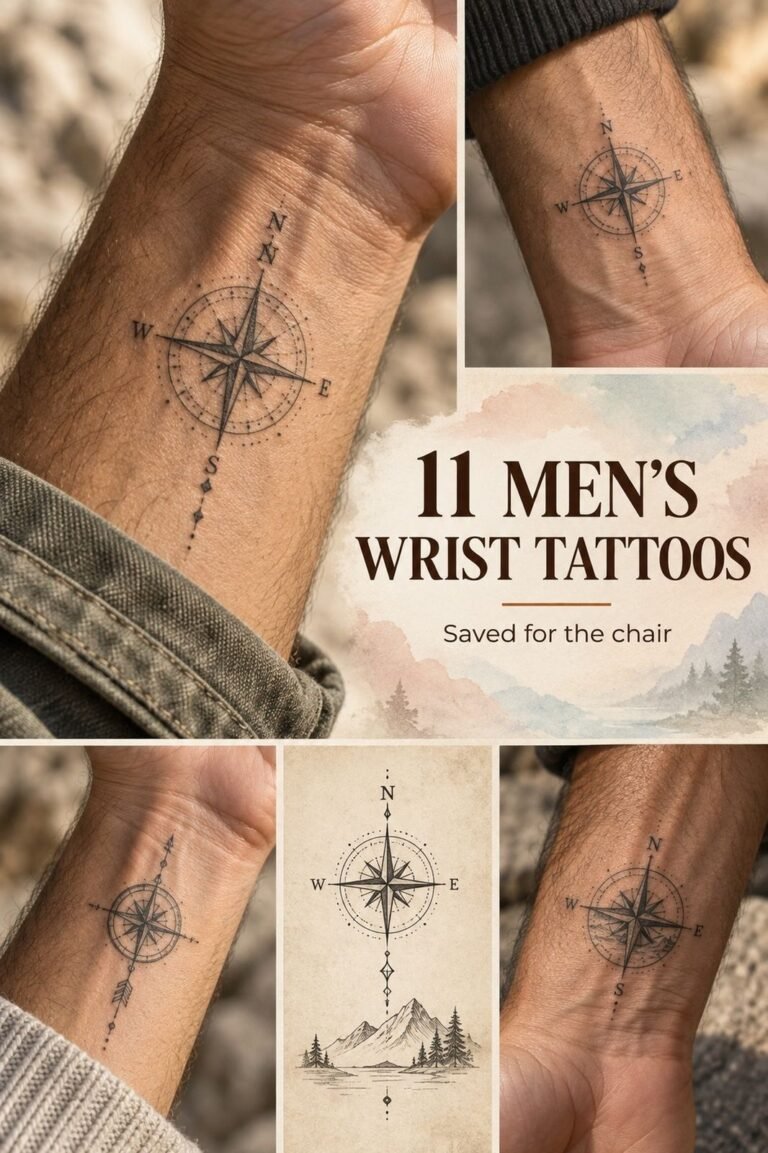
Bad. But not the worst thing you’ve ever felt, and it’s over quicker than you’d think. I’ve tattooed hands for years, everything from delicate finger dots to full knuckle blast-overs, and the honest truth is that hand tattoo pain sits in that brutal-but-brief category. The skin is thin, there’s almost no fat padding, and you’re working directly over bone, tendons, and a web of nerves. That combination makes the sensation sharp, stingy, and relentless. Most clients grip the chair, swear under their breath, and then surprise themselves by how fast it ends. A small hand piece might take 20 minutes. A full hand job, maybe two hours. The pain doesn’t escalate forever; your body dumps adrenaline, you go a little numb, and you get through it.
Why Hand Tattoos Hurt More Than Most Spots
Your hand isn’t built for needles. Unlike your thigh or upper arm, where you’ve got a nice layer of fat and muscle to soak up the trauma, your hand is basically skin draped over hardware. The dermis is thin. The bones are right there. Every time the needle hits, you feel it vibrating through the whole structure. I tell clients to imagine a dental drill on a tooth, but spread across your knuckles. That’s not far off.
The Bone Factor
Knuckles are the worst. The needle rattles against bone, and you feel that buzz in your teeth. The tops of the fingers aren’t much better. The palm side hurts differently, more of a burning, tearing sensation because the skin is thicker and tougher, so the artist has to work harder to get ink in. I’ve had tough guys who sat through full back pieces tap out on palm lines. It’s a different beast entirely.
Nerve Density and Sensitivity
Your hands are packed with nerve endings. Evolution made them sensitive so you don’t grab hot coals or sharp rocks. That same sensitivity makes tattooing them miserable. The spaces between fingers, the webbing near the thumb, the sides of the fingers, those spots make people jerk. I always warn clients: your hand will twitch. It’s normal. I expect it. But it means the artist has to work slower, which paradoxically can make the session feel longer.
What the Pain Actually Feels Like
People want comparisons. Here’s what I hear in my chair:
- Knuckles: Like dragging a hot needle across bone. Sharp, scrapey, with a deep vibration that hums through your whole hand.
- Fingers: A constant cat-scratch sting that doesn’t let up. The skin is thin, so the needle feels closer to the surface.
- Back of hand: Burning and achy. The tendons create weird spots where the pain spikes when the needle crosses them.
- Palm: A deep, tearing pressure. The skin is tough, so the artist works harder, and you feel every push.
- Webbing between fingers: Surprisingly nasty. Soft tissue, lots of nerves, and the needle stretches the skin in a way that feels wrong.
Most clients say it’s a 7 or 8 out of 10. A few call it a 9. Nobody calls it a 4. But here’s the thing: the pain is honest. It’s not the deep, grinding ache of a rib tattoo that goes on for four hours. It’s intense and surface-level, and your body handles it better than you’d expect.
How Long the Session Lasts (and Why That Matters)
Hand tattoos are usually small. That’s the saving grace. A set of four knuckle letters might take 45 minutes. A finger band, 20. Even a complex hand mandala or ornamental design rarely goes past two hours. I’ve done full hand blast-overs that took three, but that’s unusual. The brevity is your friend. Your adrenaline peaks, you ride it, and then you’re done. Compare that to a six-hour thigh session where you’re exhausted and sore by hour three. Hand tattoos hurt more per minute, but the total suffering is often less.
The Breaks Problem
Here’s something clients don’t expect: breaks don’t help much on hands. On a big piece, you stop, breathe, the endorphins settle, and you feel better. On hands, the skin swells fast. Take a ten-minute break, and your knuckles puff up. The artist has to work through edema, which hurts more and makes the tattoo harder to execute. Most hand specialists power through with minimal stopping. I usually do one break max, right at the halfway point. Clients are always shocked by how fast it’s done.
Healing Reality: The Part That Actually Sucks
If I’m being straight with you, the healing hurts worse than the tattoo. Your hand is a tool you use constantly. You can’t not use it. Washing dishes, typing, opening doors, sleeping on it wrong, everything aggravates a fresh hand tattoo. The first three days are swollen and tight. Then it peels, and because hand skin regenerates fast, that peeling is aggressive. Little flakes everywhere. The ink sits in a tricky spot, so artists often have to go heavier, which means more trauma, which means more healing time.
I warn every hand client: plan for two weeks of inconvenience. Wear gloves for anything dirty. Keep it moisturized but not soggy. And accept that you’ll probably need a touch-up. Hands shed ink. It’s just physics. The skin turns over fast, the placement gets sun and friction, and the artist is working at the edge of what tattooing can reliably do. I offer free touch-ups on hand work because I know I’ll see them again in six weeks. Most artists do the same.
What Makes Hand Tattoos Hurt More (or Less)
Not all hand tattoos are equal pain. The design matters. Here’s what changes the experience:
- Line work vs. shading: Bold lines hurt more going in, deeper, more concentrated trauma, but they’re faster. Soft shading spreads the needle out, less intense per pass, but more passes total. I find shading on fingers particularly brutal because the skin is so thin.
- Color packing: Saturated color in the palm or thick knuckle fills? That’s multiple passes over the same spot. Your hand will throb.
- Your personal pain tolerance: Obvious but true. I’ve had ballet dancers sit like stone and construction workers tap out. Previous tattoo experience helps. You know what to expect, and your body remembers how to ride the adrenaline.
- Artist speed and technique: A fast, confident hand specialist hurts you less. Hesitant work, going over the same line twice, poor stretch, those add trauma. Pick someone who does hands regularly. Not every artist will touch them, and that’s a red flag if yours is eager but inexperienced.
How to Handle It (From Someone Who’s Watched Hundreds)
Eat a solid meal beforehand. Not a granola bar, a meal. Bring a sugary drink. The hand will spike your adrenaline, and you’ll crash hard after. Don’t grip the chair so hard you cramp your other hand; I’ve seen that more than once. Breathe. Seriously. Short, panicked breaths make everything worse. Long exhales when the needle hits.
Don’t get your hand tattooed if you’re hungover, sleep-deprived, or already stressed. Your nervous system is already taxed. I’ve sent clients home for being a mess, and they always thank me later. The tattoo will still be there tomorrow. Your hand is too visible, too permanent, and too painful to do when you’re not ready.
Key Takeaways
Hand tattoos hurt sharply and intensely, but the sessions are usually short. The bone, thin skin, and nerve density make every spot on the hand challenging, with knuckles and palms generally the worst. Healing is the real test, your hands are always in use, always exposed, and always shedding skin. Pick an artist who specializes in hands, accept that you’ll likely need a touch-up, and plan your life around two weeks of careful aftercare. The pain is real, it’s significant, but it’s manageable. Thousands of people get hand tattoos every day. You’re not special in your suffering, and that’s weirdly comforting. You’ll walk out sore, swollen, and proud. The pain fades. The art stays. That’s the trade, and in my chair, most people say it’s worth it.
Frequently Asked Questions
Can I use numbing cream before a hand tattoo?
Some artists allow it, some hate it. Numbing cream can change skin texture and make the area harder to work with. If you use it, tell your artist beforehand and follow their protocol. Don’t surprise them with it day-of.
Will a hand tattoo affect my job prospects?
In the US, visible hand tattoos still close doors in corporate, medical, and client-facing roles. Some fields don’t care anymore, but plenty do. Think hard about your career path before committing.
Why do hand tattoos fade faster than other tattoos?
Your hands shed skin constantly, get more sun exposure, and take more friction from daily use. The ink doesn’t settle as deep or stay as stable. Touch-ups are normal and expected.
Is it true some artists refuse to do hand tattoos?
Yes, absolutely. Many reputable artists won’t tattoo hands, faces, or necks on people who aren’t already heavily tattooed. It’s an ethics and professionalism thing, they don’t want to be responsible for someone’s regret.
Related Tattoo Guides
- How Long to Become a Tattoo Artist: A Realistic Timeline
- How Long Till a Tattoo Heals: A Real Shop Timeline
- How Long to Keep a Tattoo Cover On: A Shop Artist s Guide
- Explore more