Tattoo tipping is awkward because the bill is already high. Nobody wants to look cheap. Nobody wants to throw money around because a stranger on the internet said 30 percent or else. The better answer is simpler: tip for the session you actually had.
Quick answer: In the US, many clients tip a tattoo artist 15 to 25 percent for good work and clean service. On a $200 tattoo, that means $30 to $50. On a $600 session, $90 to $150 is common when the artist handled the design, placement, pain breaks, and aftercare well.
How to use the tip chart
The numbers below are a social compass, not a command. If the artist rushed you, ignored placement concerns, or left you confused about aftercare, the tip does not have to pretend everything was perfect.
| Session price | 15 percent | 20 percent | 25 percent |
|---|---|---|---|
| $100 | $15 | $20 | $25 |
| $200 | $30 | $40 | $50 |
| $400 | $60 | $80 | $100 |
| $600 | $90 | $120 | $150 |
| $1,000 | $150 | $200 | $250 |
Small sessions at shop minimums are a special case. If the shop minimum is $80 and you sit for twenty minutes, 25 percent is only $20. Some clients round up to $25 or $30 because the artist still set up, broke down, and spent design time you did not see. Others stick to percentage because the hourly rate at minimum is already adjusted. Either choice is understandable if you are consistent and polite.
What the tip actually covers
The needle time is the visible part. The invisible part is the drawing, the stencil edits, the placement conversation, the calm when you need a break, and the judgment to simplify a design before it heals into a gray smudge. A good tattoo artist saves you from bad decisions before you know they are bad decisions.
That matters most on first tattoos, fine line work, ribs, hands, cover-ups, and anything with personal meaning. If your artist talked you out of a bad size or a trendy placement that would age poorly, that advice may be worth more than the linework itself.
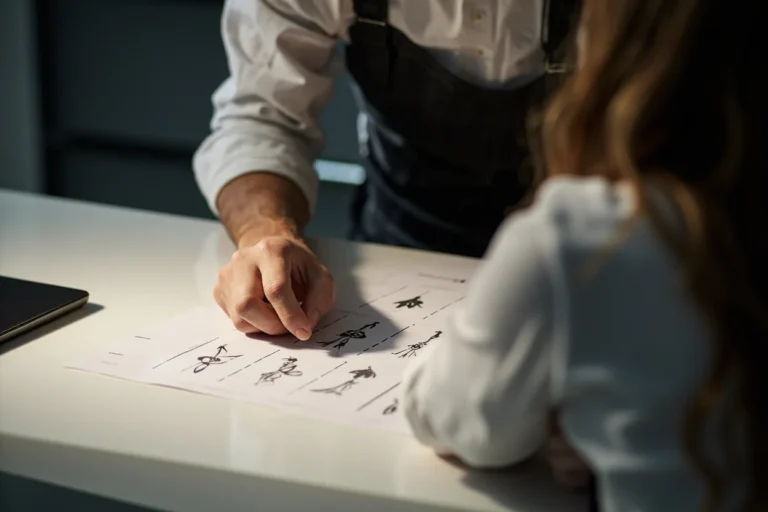
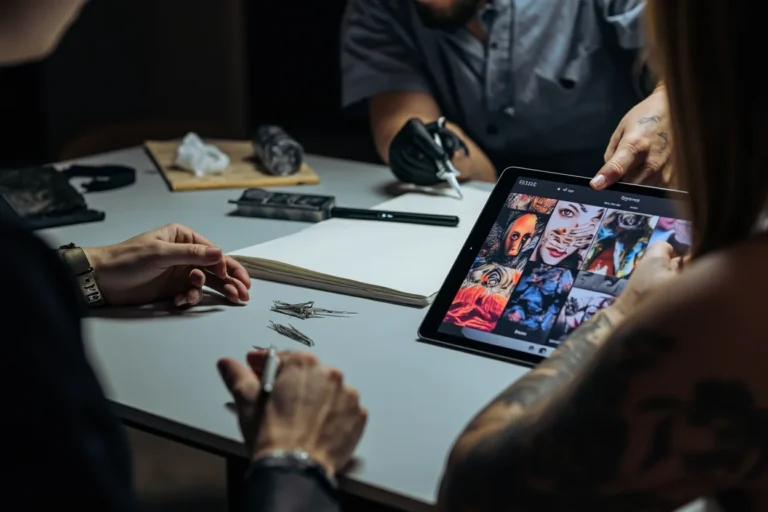
Preparation is also unpaid labor you are supporting. The stencil may be printed three times before the curve of your shoulder accepts it. The reference may be redrawn to fit your muscle tone rather than copied flat from Instagram. Tipping acknowledges this preparation, not just the hours under the needle.
When the invisible work deserves more
Consider tipping toward the higher end when the artist redrew the design to fit your body instead of copying the reference flat. When they found a better placement after testing the stencil in more than one spot. When they worked patiently around pain, swelling, or skin that got difficult. When they gave clear written aftercare and told you what normal healing looks like versus what needs attention.
These are not extravagances. They are the difference between a tattoo you forget about and one you regret.
Deposits, multi-session work, and timing
Do you tip on the deposit?
No. Tip on the session price after the work is done. A deposit is usually part of the tattoo price, not a separate service. If you paid a $100 deposit and the final balance is $400, treat the tattoo as a $500 piece when you calculate the tip.
What about multi-session tattoos?
Tip each session. It keeps the gesture tied to the actual day: how long you sat, how much was finished, and how the artist handled the work. For a sleeve, back piece, or large blackwork project, tipping only at the end can get messy because months may pass between appointments. The artist has already invested hours you have not paid for in full.
There is a common mistake here. People tip only at the final session of a multi-session piece, stiffing their artist on every appointment that came before. Each session is its own labor and deserves its own tip. If you cannot afford to tip every session, say so early. A solid 10 to 15 percent every session plus clean communication is better than promising a huge final tip and disappearing after session three.
Free touch-ups
Yes, tip for a free touch-up if the artist fixed normal healing loss without charging. You are thanking them for time, setup, and care. The amount can be smaller, $10 to $20 on a small piece or 10 percent on something larger, but the gesture matters. It shows you do not expect free labor as a right.
Cash, cards, and other thank-yous
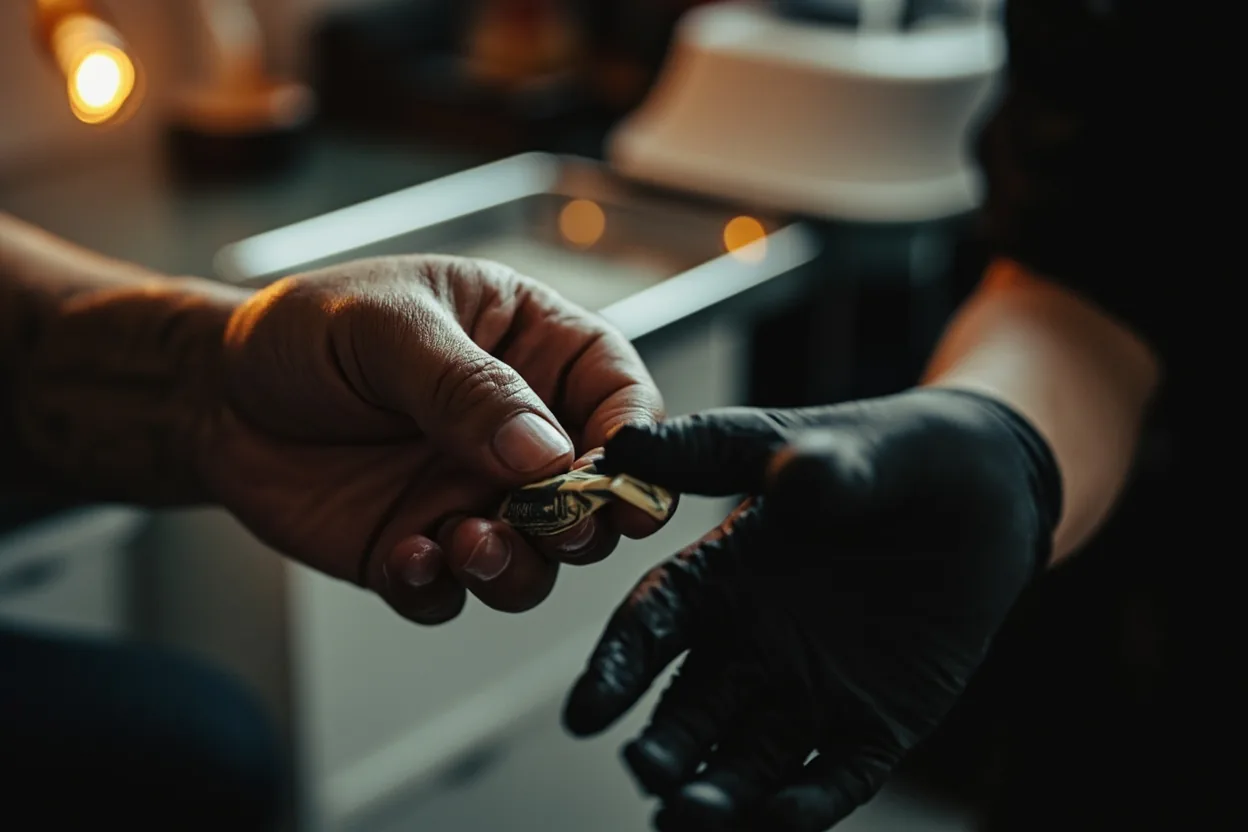
Bring cash for the tip every single session. Most shops run cards for the base rate, but handing your artist folded bills at the end is a direct, personal thank-you that never gets split with the house. Some studios can add tips to card payments, but cash keeps it simple and immediate. If you forget to stop at an ATM, ask when you arrive if the shop can add gratuity to your card charge so you are not scrambling at the end.
Cash is clean, but it is not the only currency. A healed photo in natural light, a thoughtful review that mentions specifics, and referrals to clients who respect the artist’s style can matter too. Artists build books from trust. If you love the result, send a clear healed photo after the shine is gone. It helps the artist show what the work looks like settled into skin, not just fresh.
When the math gets complicated
Guest spots and conventions
Artists who travel to guest at other shops or work conventions often price higher to cover their own travel, housing, and booth fees. They may also carry more of their own supplies. The tip percentage stays the same, but the base price already reflects their extra overhead. Do not feel pressured to tip extra simply because the artist traveled. Tip for the session quality as usual.
Apprentice tattoos
Apprentice work is usually discounted, sometimes heavily. The apprentice is learning, and the price reflects that. Tipping 20 percent on a discounted rate is standard, but many clients tip closer to 25 or 30 percent because the apprentice is working slowly and carefully under supervision. The gesture encourages good habits and recognizes the extra time involved.
Friend tattoos and gift work
This is where etiquette gets genuinely awkward. If a friend is tattooing you at their normal rate, tip normally. If they gave you a heavy discount or free work as a gift, a tip can feel strange but is still appropriate. Consider a gift in return: a nice dinner, supplies they use, or a sincere public review. Ask directly if they prefer cash or something else. The transparency itself is respectful.
What if the session went poorly?
Tipping is not a law. It is a response to service. If the artist was rude, rushed, dismissive of your concerns, or careless with hygiene, you are not obligated to tip well or at all. Poor communication, visible frustration with your pain responses, or refusal to adjust placement after you expressed discomfort are all valid reasons to reduce or withhold gratuity.
That said, distinguish between a bad artist and a bad fit. An artist who specializes in bold traditional work may not be the right choice for your fine-line floral request. That is a booking mistake, not a service failure. Tipping fairly and choosing differently next time is the cleaner path.
Before You Decide
The percentage you tip should reflect the session you actually experienced, not the session you imagined or the one a chart prescribed. Fifteen percent is a solid baseline for competent, professional work. Twenty percent is standard for artists who prepared well, communicated clearly, and left you with work you are proud to wear. Twenty-five percent and above is for exceptional care: the artist who saved you from a bad decision, who worked around your body’s quirks, who made a long sit feel manageable.
Bring cash. Tip every session. Say thank you with specificity, not just with money. The artists who last in this industry are the ones who know their clients notice the work behind the work.
If you are still price-shopping, read how much tattoos cost in the US first. Tipping makes more sense once you understand the base price and what it already covers.
Frequently Asked Questions
What is a normal tattoo tip in the US?
A common US tattoo tip is 15 to 25 percent when the session went well. For expensive multi-session work, many clients tip per session instead of waiting until the end.
Do you tip for a free tattoo touch-up?
Yes, a small tip is a good move if the artist fixed normal healing loss without charging. You are thanking them for time, setup, and care. Ten to twenty dollars on a small piece, or around 10 percent on larger work, is typical.
Is it rude not to tip a tattoo artist?
It depends on the situation. Tipping is not a law, but in the US it is a strong courtesy when the artist communicates well, works cleanly, and gives you work you are happy with. If service was poor, you are not obligated.
Should I tip more for a guest spot or convention tattoo?
Not necessarily. Guest artists and convention workers often price higher to cover their own travel and supply costs. Tip for session quality as usual, not extra because of their travel.
How do I tip for a multi-session sleeve or back piece?
Tip each session individually. This keeps the gesture tied to the actual work done that day and avoids the awkwardness of months passing between appointments with no gratuity.