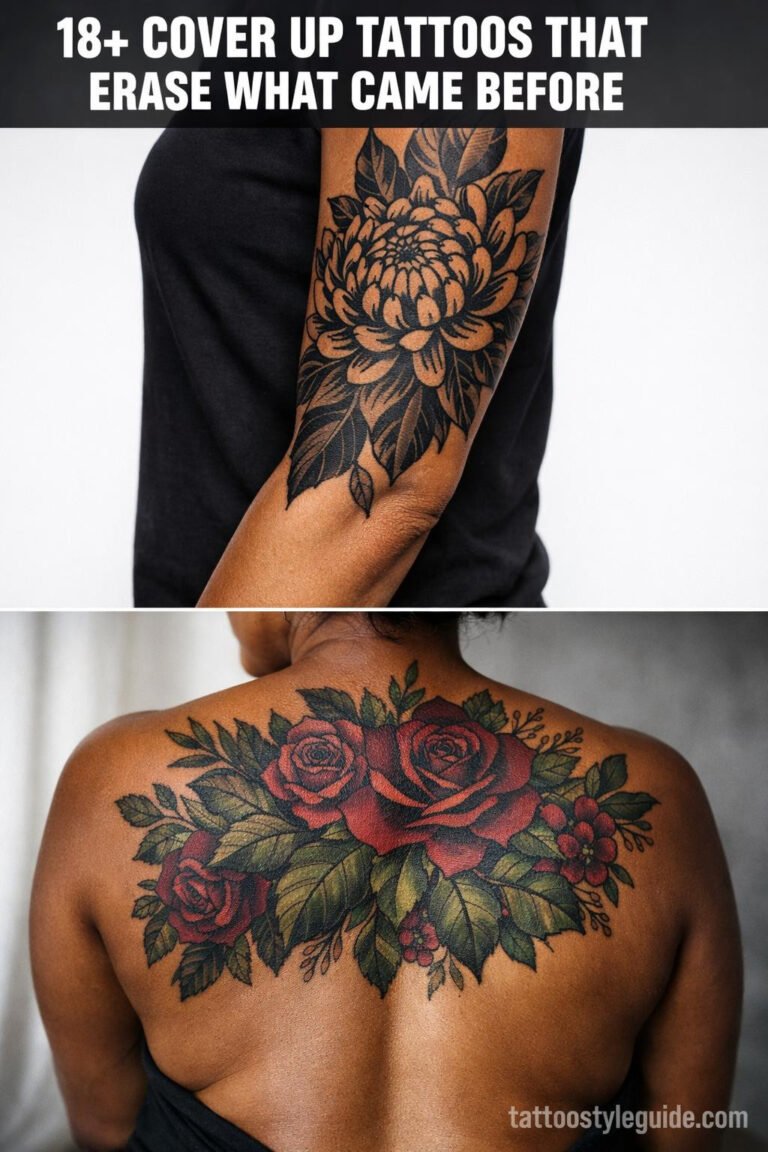
Deciding on a tattoo isn’t about finding the perfect image on Pinterest and rushing to the nearest shop. I’ve sat with too many clients who got something because it was “now or never” and now they’re booking cover-ups. The real decision happens in layers: what you want, where it goes, who puts it there, and whether you’ll still want to look at it when you’re sixty. Here’s how to work through it without the panic or the regrets.
Start With the Why, Not the What
Most people walk in with a picture. I ask them why that picture. Half the time they don’t have a good answer, and that’s where trouble starts. A tattoo doesn’t need deep meaning to be worth it, but it needs some kind of anchor, something that makes you want it even when the novelty wears off.
Meaning vs. Aesthetics
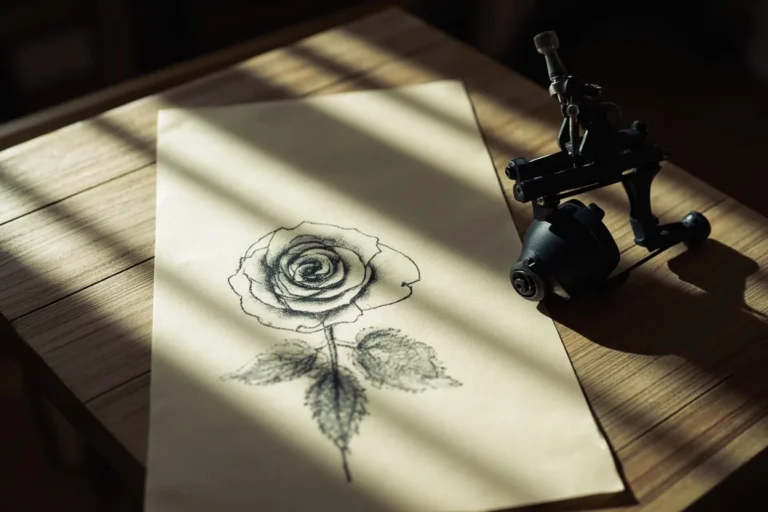
Some of my favorite pieces to do are pure visual: a well-designed snake, a bold traditional rose, a clean geometric pattern. The client just thinks it looks badass. That’s valid. Other people want memorial work, dates, coordinates. Also valid. The problem is when someone picks a symbol they don’t connect with because they think tattoos “should” mean something. I’ve tattooed matching puzzle pieces on friends who stopped speaking two years later. I’ve done elaborate “spiritual” mandalas on people who couldn’t tell me what a mandala actually represents. Be honest about your motivation. Aesthetic-only tattoos age fine if the design is strong. Meaning-only tattoos fall apart if the design is weak.
The Six-Month Test
I tell clients: screenshot the design, set it as your phone wallpaper, and live with it. If you’re sick of it in two weeks, you just saved yourself money and laser sessions. If you keep coming back to it, if you find yourself explaining it to friends without embarrassment, that’s your green light. I’ve had people return after eight months with the same reference. Those tattoos almost never get covered up.
Design Reality: What Actually Works on Skin
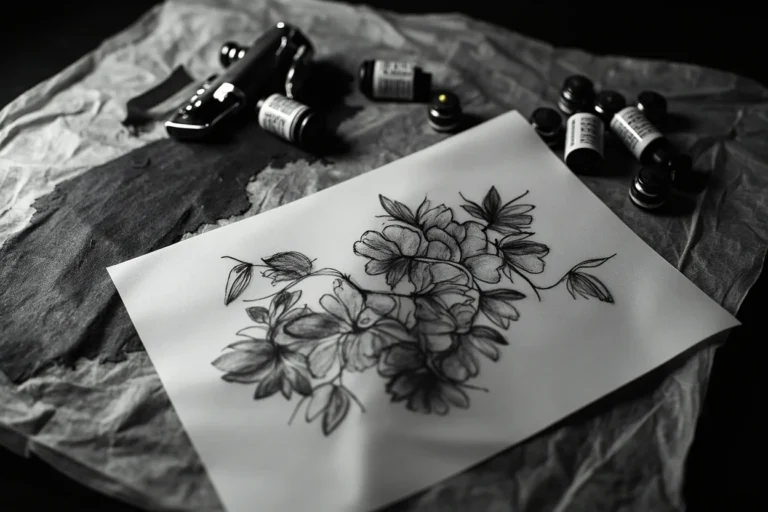
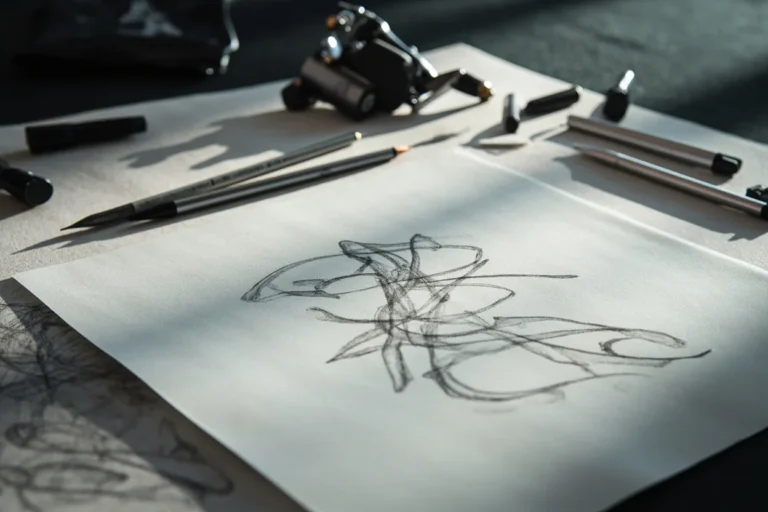
Paper and skin are different canvases. What looks crisp on a screen spreads and softens over time. This isn’t pessimism, it’s physics. Your body changes, ink settles, lines blur. Good design accounts for that.
- Line weight matters: Hair-thin lines look stunning fresh but can disappear into a gray smudge in five years. Bold lines hold. I steer people toward designs with varied line weights, not monoline everything.
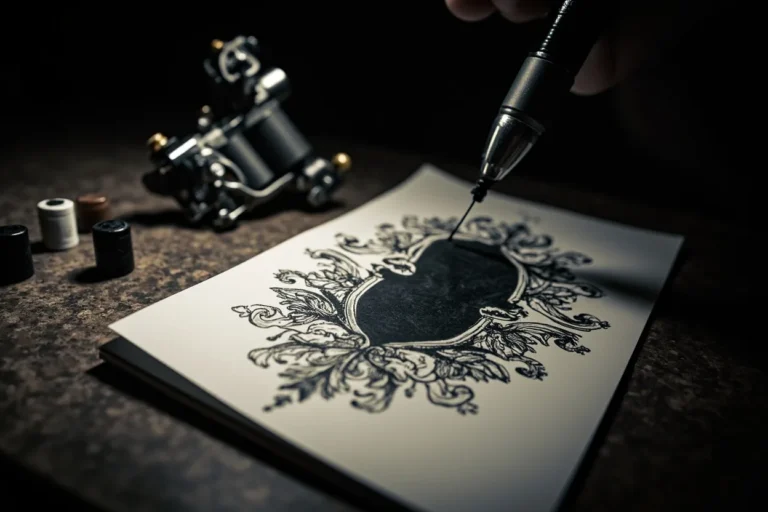
- Contrast keeps it readable: All-black tattoos with no skin breaks turn to muddy blobs eventually. Negative space isn’t wasted space, it’s what lets the dark parts stay dark.
- Shading has limits: Smooth gradients are harder to maintain than solid blacks or clean whip-shading. Watercolor-style pieces without outlines? I’ve seen them fade to unrecognizable bruise-like patches.
- Size has a floor: That tiny single-needle butterfly behind the ear? Cute today. In three years it’s a blue-green blob. Detail needs room to breathe.
Bring references, but trust your artist to adapt. I redraw almost every piece that walks in. Not because the original was bad, but because it wasn’t built for skin.
Placement: Pain, Visibility, and Your Actual Life
Where you put it changes everything. I’ve had clients cry from a bicep piece and laugh through ribs. Pain is weirdly personal. But placement also determines who sees it, how it ages, and what jobs you can work.
The Pain Conversation
Here’s what I actually see in my chair: outer arm, outer thigh, calf, most people handle fine. Ribs, sternum, ditch (inner elbow), kneecap, feet, those make tough people sweat. Hands and fingers hurt less than you’d think but heal poorly and blur fast. I never promise pain levels. I do tell people to eat beforehand, avoid alcohol for 24 hours, and bring headphones. The mental game matters more than the physical one.
Visibility and Consequences
Neck, hand, face, those are “commitment placements.” I ask younger clients if they’ve thought about job interviews, not to scare them, because it’s real. Some industries don’t care. Others do. Know your actual life, not your ideal one. I’ve turned away twenty-year-olds wanting throat tattoos with no other work. That’s not gatekeeping; that’s watching too many people limit themselves before they know who they’re becoming.
Also: sun destroys tattoos. A full sleeve you never sunscreen turns khaki in five years. A back piece under shirts stays crisp for decades. Think about your habits, not just your aesthetic.
Finding the Right Artist
This is where most guides get vague. I’ll be specific. Don’t DM seventeen artists with “how much for a sleeve.” That’s the fastest way to get ignored or overcharged. Look at portfolios first. Actually look.
- Style matching: If you want Japanese irezumi, don’t book the realism specialist. Every artist has a lane. My shop has six of us and we turn down work outside our specialties constantly. A good “no” saves everyone.
- Healed photos: Fresh tattoos are misleading. Ask to see healed work, or check their tagged photos on Instagram. That’s where the truth lives.
- Consultation quality: Do they listen? Do they push back when your idea won’t work? I redraw, suggest size changes, sometimes refuse placements. Artists who say yes to everything are either desperate or don’t care about your result.
- Shop hygiene: Autoclave bags on opened needles, new razors, barrier film on everything. If you’re not sure what to look for, ask. Any decent shop explains proudly.
Price is real. Good work isn’t cheap. I’ve seen $50 tattoos that cost $2,000 to fix. Save longer, book better. Deposit policies, wait times, minimums, these vary by city and reputation. New York and rural Ohio aren’t the same market. Expect to wait for good artists. That’s normal.
Timing, Cost, and Aftercare Basics
Don’t get tattooed before beach vacations, before surgery, or during major life chaos. Healing takes two to four weeks of real attention. Swimming, sun, gym friction, pet hair on fresh work, those cause infections or blowouts.
Aftercare isn’t mystical. I give clients: wash gently with unscented soap, thin layer of recommended ointment for three days, then unscented lotion, don’t pick, don’t soak. That’s it. Every artist tweaks this slightly. Follow your specific artist’s instructions, not your cousin’s from 2019.
Cost runs by piece or hourly. Small simple work: shop minimum, usually $80-$150. Larger work: hourly, $150-$400+ depending on city and artist. Full sleeves take fifteen to thirty hours. Do the math. Tip your artist, typically 15-20%. We remember.
Key Takeaways
- Live with the idea before committing, screenshot test works.
- Design for skin, not screens: bold lines, contrast, adequate size.
- Placement affects pain, visibility, aging, and your actual daily life.
- Match artist to style, demand healed photos, respect the process.
- Time and money are part of the decision; don’t rush or cheap out.
- Aftercare is simple but non-negotiable; plan your healing window.
The best tattoo decision is a slow one. I’ve watched confident spontaneity work exactly twice in fifteen years. The rest of the time, the people who sit with it, research their artist, and show up prepared are the ones who walk out proud and stay proud. That’s who I want in my chair.
Frequently Asked Questions
How do I know if a tattoo idea is too trendy?
If you’ve seen it on ten strangers this month, it’ll date fast. Trends like fine-line florals or ornamental wrist cuffs peak and fade. Ask yourself if you’d want it without Instagram existing. If yes, you’re probably safe.
Should I bring my own design or let the artist create it?
Bring references, mood boards, even bad sketches, those help. But let the artist redraw. We understand how lines flow with muscle movement and how ink settles. A direct trace rarely works as well as an adaptation.
Is it okay to get a tattoo while going through a big life change?
Honestly, wait. Breakup tattoos, grief pieces, new-relationship matching work, I’ve done them all, and I’ve covered many later. Emotion makes you ignore practical concerns. Give it three months minimum.
What if I want multiple tattoos but don’t know where to start?
Start with placement you can expand from. Outer arm, outer thigh, back pieces, these build into larger work. Avoid scattered tiny pieces if you want cohesion later. Think about the overall canvas, not just one spot.
Related Tattoo Guides
- Where Should I Get My First Tattoo? A Real Guide
- How to Make a Tattoo Gun: A Working Artist s Honest Guide
- How to Remove a Tattoo: Your Real Guide to Fading Ink
- Explore more