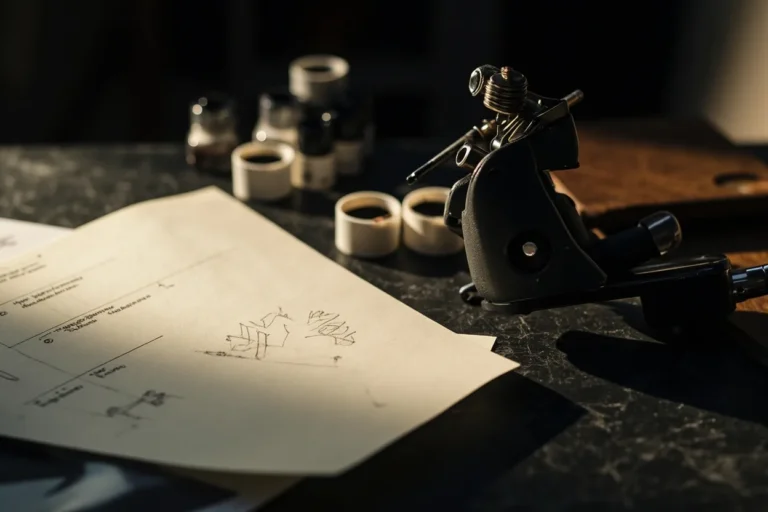
The short answer? You find a tattoo artist by looking at healed work, having a real conversation, and trusting your gut. Not Instagram likes. Not who your cousin’s friend knows. I’ve been in shops for over a decade, and I’ve watched people get incredible tattoos and disasters from the same street, usually because someone skipped the actual homework. This guide is what I tell friends, what I wish every client knew before walking through my door, and what I’ve learned from sitting in both the artist’s chair and the client’s.
Start With the Work, Not the Hype
Social media makes everyone look like a genius. Flash, filters, fresh photos with the skin still angry and saturated, it’s designed to pop. But fresh tattoos lie. Healed tattoos tell the truth. When I’m researching someone for my own skin, I dig for photos taken six months to two years later. That’s when you see if lines stayed crisp, if blacks held, if that watercolor actually aged into something beautiful or turned into a bruised-looking blob.
What to Actually Look For in a Portfolio
- Consistency across multiple pieces, not one or two bangers surrounded by mediocre work
- Healed photos, especially for fine line and delicate shading
- The style you want, done well, multiple times, don’t ask a traditional artist to suddenly do realism
- Photos of the actual tattoo, not just artful poses with jewelry and mood lighting
- How they handle tricky spots: hands, ribs, inner bicep where skin behaves differently
I’ve had clients show me screenshots from TikTok of some traveling artist with 200k followers. “Their work looks amazing,” they say. Then we zoom in. Blowout city. Inconsistent saturation. The algorithm rewards drama and speed, not craftsmanship. A quiet artist with 3,000 followers and ten years of solid healed work is the safer bet every time.
Understand Style Specialization
Tattooing isn’t one skill. It’s dozens. The hand speed for traditional bold lines is completely different from the soft, layered approach of black and grey realism. The needle groupings change. The stretch changes. I can do both, but I know which one I’m stronger at, and I’m honest about it. A good artist will be too.
Matching Your Idea to Their Strengths
If you want a tiny, delicate floral behind your ear, don’t go to someone whose portfolio is 90% heavy traditional Japanese. If you want a massive backpiece with saturated color, the fine-line specialist who works with single needles probably isn’t your person. This seems obvious, but I see the mismatch constantly, people fall in love with a personality or a vibe and hope the artist can adapt. Some can. Most can’t, or shouldn’t. The best tattoo of your life comes from someone who’s done your specific thing fifty times and has the healed photos to prove it.
Shop Culture Matters More Than You Think
Walk in. Seriously. Before you book anything, visit the shop. Is it clean? Not hospital-clean, tattoo shops are working spaces, but organized, with new needles in sterile pouches, artists washing hands, barriers on everything? Do you feel comfortable asking questions? I’ve worked in shops where the front desk made people feel stupid for not knowing terminology, and shops where apprentices explained aftercare like they were talking to a friend. Which experience do you want when you’re nervous and half-naked?
- Watch how artists treat each other, respectful shops produce better work
- Notice if consultations are rushed or genuine conversations
- Ask about their setup: do they use disposable tubes? Autoclave? (They should.)
- See if they have healed work physically in the shop, some artists keep binders
The shop I apprenticed in had a “no assholes” rule. Clients felt it. They relaxed faster, sat better, and their tattoos healed better because they weren’t tense through the whole session. Energy is real in this work.
The Consultation: Your Interview, Theirs Too
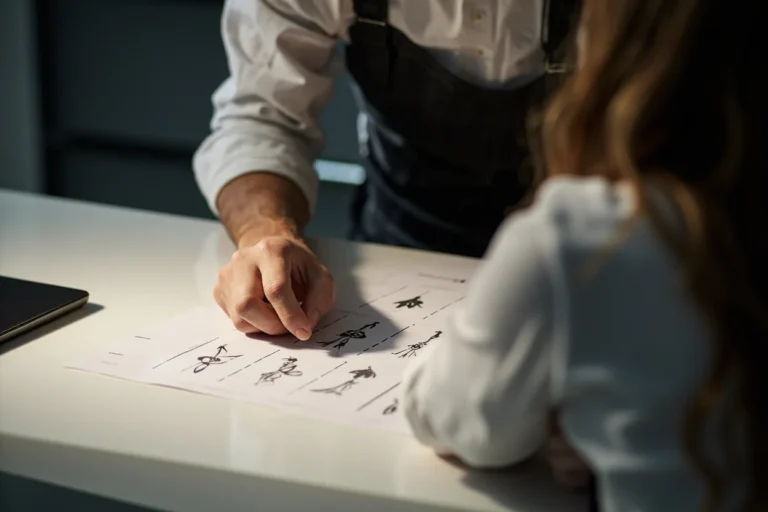
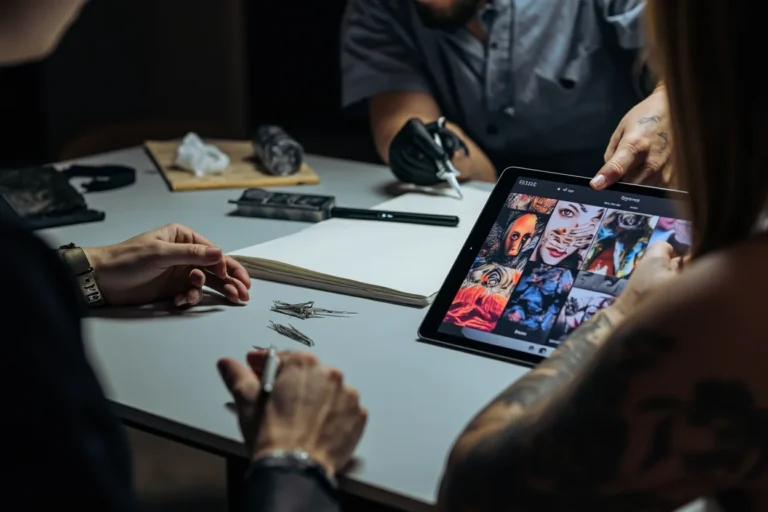
A real consultation isn’t a formality. It’s where you figure out if you can sit with this person for hours while they hurt you. I always tell clients: bring references, but also bring flexibility. The artist knows what works on skin, what ages well, what fits your body’s movement. If someone just nods and says “yeah, I can do exactly that” without asking about your lifestyle, your pain tolerance, your future plans for the area, be suspicious.
Questions Worth Asking
- “How would this age?”, a good artist will be honest about thin lines spreading, light colors fading
- “What’s your experience with this placement?”, rib tattoos move differently than forearm
- “Can I see healed photos of something similar?”
- “What’s your touch-up policy?”, most decent artists include one within a year
- “How do you handle sessions if I need breaks?”
I once had a client cry during a consultation, not from pain, from relief. She’d been to three other artists who made her feel rushed and dumb for asking about how a sternum tattoo would look as she got older. We talked for forty minutes. She booked. Three years later, she still sends me photos of how it settled. That consultation built trust that carried through the whole process.
Red Flags That Should Send You Running
After years in shops, I can spot trouble fast. So can you, if you know what to ignore versus what matters.
- “I can do any style”, nobody masters everything. Confidence without specialization is dangerous.
- No healed work to show, only fresh photos with heavy editing
- Pressure to book immediately, especially with discounts for “today only”
- Disrespecting other artists or clients in front of you
- Sketchy hygiene: reusing ink caps, no gloves, working out of homes without proper setup
- Prices way below market rate, good supplies, good time, good training all cost money
The home tattoo thing needs emphasis. I know talented artists who started in kitchens. I also know people with lifelong scarring from someone who bought a kit online. If someone won’t show you their workspace before you commit, if everything feels secretive, trust that discomfort. Your skin doesn’t get a redo.
Pain, Cost, and Aftercare: The Real Talk
I won’t tell you it won’t hurt. That’s dishonest. Ribs, feet, sternum, inner thigh, those spots suck. But pain is manageable, temporary, and different for everyone. I’ve had clients fall asleep during ribs. I’ve had others tap out on a bicep. Your nervous system, your sleep, your hydration, your anxiety level that day, all of it plays in. What I can tell you: breathe steady, eat beforehand, don’t drink alcohol the night before (it thins blood and makes you bleed more), and trust that your body can handle this.
Cost varies wildly by region, artist experience, and piece complexity. In my area, established artists run $150-250 hourly. Some charge by piece. Cheap tattoos aren’t good, and good tattoos aren’t cheap, but expensive doesn’t automatically mean quality either. The portfolio is your price validator.
Aftercare isn’t mystical. Keep it clean, keep it lightly moisturized, don’t pick, don’t soak it, keep sun off it while healing. I give clients written instructions and my phone number. Most problems come from over-caring, not under-caring, people drowning new tattoos in petroleum jelly, suffocating them. Let it breathe. Let it flake. Let it heal like skin, because it is skin.
Key Takeaways
- Healed work tells the truth, demand to see it
- Style specialization matters more than follower count
- Visit the shop, feel the energy, ask uncomfortable questions
- The consultation reveals everything about trust and communication
- Red flags around hygiene, pressure, and pricing exist for a reason, don’t ignore them
- Pain is temporary, but a bad tattoo is permanent; do the research once
Finding your artist takes time, and that’s okay. The best tattoos I’ve done have been on people who found me after months of looking, who asked hard questions, who showed up informed. They got better art because they cared enough to choose well. Your skin deserves that same patience.
Frequently Asked Questions
How far in advance should I book a good tattoo artist?
Established artists often book 2-6 months out, sometimes longer for large pieces. If someone can take you tomorrow, ask why. Rush availability isn’t always a red flag, cancellations happen, but consistent empty schedules usually signal something worth investigating.
Is it rude to ask an artist to change their design?
Not during the consultation phase, that’s exactly when feedback belongs. Once you’re in the chair and they’ve started? That’s costly and disrespectful. Speak up early, clearly, and trust that a good artist wants you happy with the result.
Can I bring my own design or does the artist need to draw it?
You can bring references, but let the artist interpret. Straight-up tracing someone else’s custom tattoo is considered stealing in shop culture. Bring mood, bring elements, bring what speaks to you, then collaborate on something original.
What if I love an artist’s style but they’re expensive?
Save up. Wait. Budget artists exist, but this is permanent. I’ve watched people get cheap work removed or covered at triple the original cost. Good tattoos aren’t impulse purchases, and most artists offer payment plans for large sessions if you ask.
Related Tattoo Guides
- How to Make Your Own Temporary Tattoo at Home
- How to Pick a Tattoo You ll Actually Love Forever
- How to Relieve Itchy New Tattoo: A Real Shop Guide
- Explore more