Tattoo blowout happens when ink spreads beyond the intended lines, creating blurry, smeared edges. The best prevention starts before the needle touches skin: choosing an experienced artist, placing the tattoo correctly on your body, and following proper aftercare. Most blowout stems from technical errors during application, not something that happens randomly after you leave the shop.
The Direct Answer
Blowout occurs when tattoo ink gets deposited too deep in the skin, below the dermis layer where it belongs. At that depth, the fat layer lacks the stable structure to hold ink in place, so it migrates along tissue planes and blurs over weeks or months.
What Actually Causes It
Several technical factors lead to blowout:
- Needle angle and depth: An artist holding the machine at too steep an angle or running the needle too deep punches through the dermis into subcutaneous fat.
- Machine speed and voltage: Incorrect tuning can cause needles to bounce or penetrate inconsistently.
- Skin tension: Poor stretching technique while tattooing lets skin ripple, creating uneven depth.
- Going over the same spot repeatedly: This weakens the skin structure and allows ink to seep deeper.
Placement Risks
Certain body parts carry higher blowout risk due to thinner dermis or more mobile tissue. The sides of fingers and feet, inner biceps where skin is soft, and areas with prominent fat deposits underneath thin skin all demand extra precision. Experienced artists adjust their technique significantly for these spots, sometimes using smaller needle groupings or shallower hand speed.
Healing Timeline
Understanding normal healing helps you distinguish between temporary blur and true blowout. Fresh tattoos often look slightly fuzzy during the first two weeks due to plasma, excess ink, and mild inflammation in the epidermis. This surface-level cloudiness resolves as the top layers shed.
When Blowout Becomes Visible
True blowout typically reveals itself after the initial healing phase. Around three to six weeks, once the epidermis has fully regenerated and any surface confusion clears, you’ll notice if ink has migrated into surrounding tissue. The blur appears as a hazy halo or streak extending from lines, not uniform softness. Color packing and shading can also blow out, though it’s less visually dramatic than black linework spreading.
Long-Term Changes
Even well-applied tattoos soften over years as skin ages and collagen shifts. This gradual diffusion differs from blowout, which is localized and often directional based on how the needle traversed tissue planes. Sun exposure accelerates all aging effects, including the appearance of migrated ink.
Pain & Comfort
Blowout-prone areas often correlate with more painful tattooing experiences, though the connection is anatomical rather than causal. Thin skin over bone or sensitive nerve clusters both hurts more and offers less margin for depth error.
How Pain Affects the Process
Excessive movement from discomfort makes an artist’s job harder. Shifting, tensing, or pulling away can cause inconsistent needle depth. Being honest about your pain tolerance lets the artist plan shorter sessions, breaks, or different approaches. Numbing creams used before the appointment can help, but discuss this beforehand, some products change skin texture temporarily.
Aftercare Pain vs. Problem Pain
Normal healing involves soreness, tightness, and occasional sharp twinges. Deep, throbbing pain that increases after day three, or pain radiating outward from the tattoo, warrants checking in with your artist. These symptoms don’t indicate blowout specifically, but they suggest something in the healing process needs attention.
Realistic Expectations
Not every blurry tattoo edge is blowout. Saturation issues, where an artist works too quickly and leaves patchy color, can look uneven without being true migration. Blowout specifically means ink physically relocated from its intended placement.
What Can and Can’t Be Fixed
Small blowouts sometimes get camouflaged with strategic touch-ups or surrounding design elements. Laser tattoo removal can target migrated ink specifically, though complete resolution is difficult when the original tattoo remains. Cover-ups require enough contrast and design complexity to distract from blurred areas. The honest truth: prevention matters enormously because correction options are limited and expensive.
Aging and Existing Blowout
Over decades, blowout tends to become more noticeable as surrounding skin changes. What looks acceptable at twenty-five may bother you at fifty. This doesn’t mean avoiding tattoos, it’s context for placement decisions and why precision matters more in highly visible or line-dependent designs.
Aftercare Essentials
Proper aftercare doesn’t prevent blowout caused by application errors, but poor aftercare can worsen the appearance or cause complications that mimic or accentuate blur.
The First 48 Hours
Keep the bandage on per your artist’s instructions, usually a few hours to overnight. Wash gently with fragrance-free soap, pat dry, and apply a thin layer of recommended ointment. Over-moisturizing creates maceration, where skin stays too wet and sloughs unevenly, potentially affecting how the tattoo settles.
What to Avoid
- Soaking: No baths, swimming pools, or hot tubs until fully healed. Submersion softens healing tissue and can draw ink out irregularly.
- Picking or scratching: Scabs protect forming skin; disturbing them removes ink unevenly and can cause scar tissue that traps color poorly.
- Tight clothing: Friction over fresh tattoos irritates and can pull at healing edges.
- Direct sun: UV damage during healing causes more dramatic long-term fading and color shift.
Moisturizing Strategy
Switch from ointment to unscented lotion after the initial peeling phase, usually around day four to seven. Continue light moisturizing for several weeks. Dry, cracking skin heals poorly and can create visual inconsistencies that look similar to technical problems.
Cost Factors
Prevention has a price, but so does correction. Understanding the economics helps you budget appropriately upfront.
Artist Rates and Experience
Artists who consistently avoid blowout typically charge more per hour. They’re not being greedy, they’re pricing for the years of technical refinement that let them read skin thickness in real time, adjust machine settings intuitively, and place lines precisely. Hourly rates vary enormously by region, from roughly $150 in smaller markets to $400+ for established artists in major cities. Flat-rate pieces from inexperienced or rushed artists carry higher blowout risk.
Correction Costs
Touch-ups by the original artist are sometimes free if blowout resulted from their error, though policies differ. Laser sessions for blowout specifically run $200-$500 per treatment, with multiple sessions likely. Cover-up work requires a skilled artist and often costs more than the original tattoo due to complexity. Spending more initially for proper application is almost always cheaper than fixing problems.
Before You Decide
Research matters more than price comparison. Look at healed photos in portfolios, not just fresh work. Ask artists directly about their experience with your chosen placement. A good artist discusses blowout risk honestly and explains their technical approach to minimizing it.
Consider design adaptability too. Fine-line single-needle work shows blowout dramatically; bolder traditional lines tolerate slight spread better. Watercolor and abstract styles with soft edges intentionally obscure precision, making minor technical imperfections less relevant. Matching your design complexity to the artist’s demonstrated strengths reduces risk.
Your role in prevention is mostly upfront: choosing wisely, communicating clearly, and following aftercare precisely. The actual technical execution belongs to the artist. Trust the process, but verify the practitioner.
Frequently Asked Questions
Can blowout happen months after a tattoo is fully healed?
True blowout is caused by ink placement during the tattoo session itself, not something that develops later. However, the visibility of existing blowout can increase over time as skin ages and collagen changes. What you’re seeing months later is almost always migration that happened initially but became more apparent as surrounding tissue settled.
Does tattoo blowout mean my artist was unskilled?
Not necessarily. Even excellent artists occasionally encounter blowout, especially on difficult placements like fingers or thin-skinned areas. However, frequent or severe blowout suggests technical issues with depth control, machine setup, or skin tension technique. One small instance is a learning moment; a pattern indicates a problem.
Can I get a blowout covered up with another tattoo?
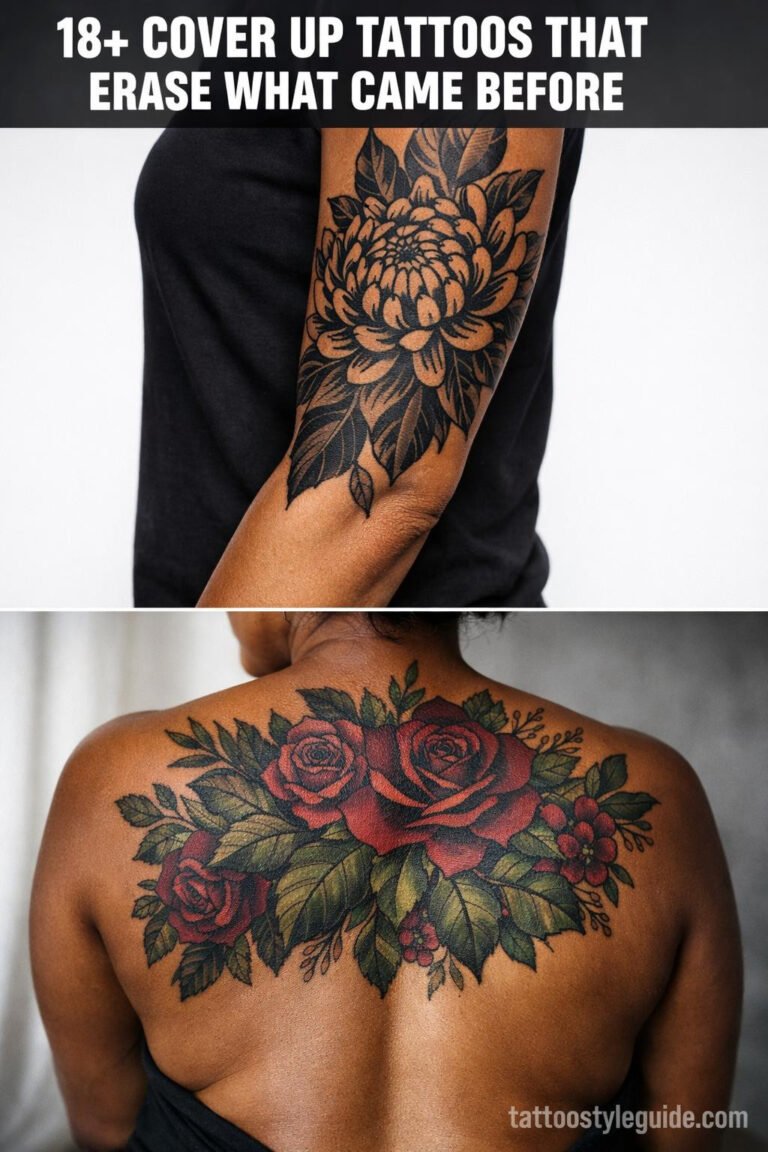
Cover-ups are possible but challenging. The blurred ink remains under any new work, so the cover design needs enough density and strategic placement to distract the eye. Darker, more saturated imagery works better than light or delicate pieces. Consult an artist experienced specifically in cover-up work for realistic assessment.
Is blowout more common with certain colors of ink?
Black and dark gray linework shows blowout most visibly because the contrast against skin makes migration obvious. Colors can blow out too, but the effect is often less dramatic, especially in shaded or saturated areas where slight spread blends naturally. White ink blowout is particularly problematic as it turns grayish and muddy.
Related Tattoo Guides
- How to Apply a Water Transfer Fake Tattoo
- How to Relieve Tattoo Pain: A Practical Guide
- How to Remove Semi-Permanent Tattoo Ink Safely
- Explore more