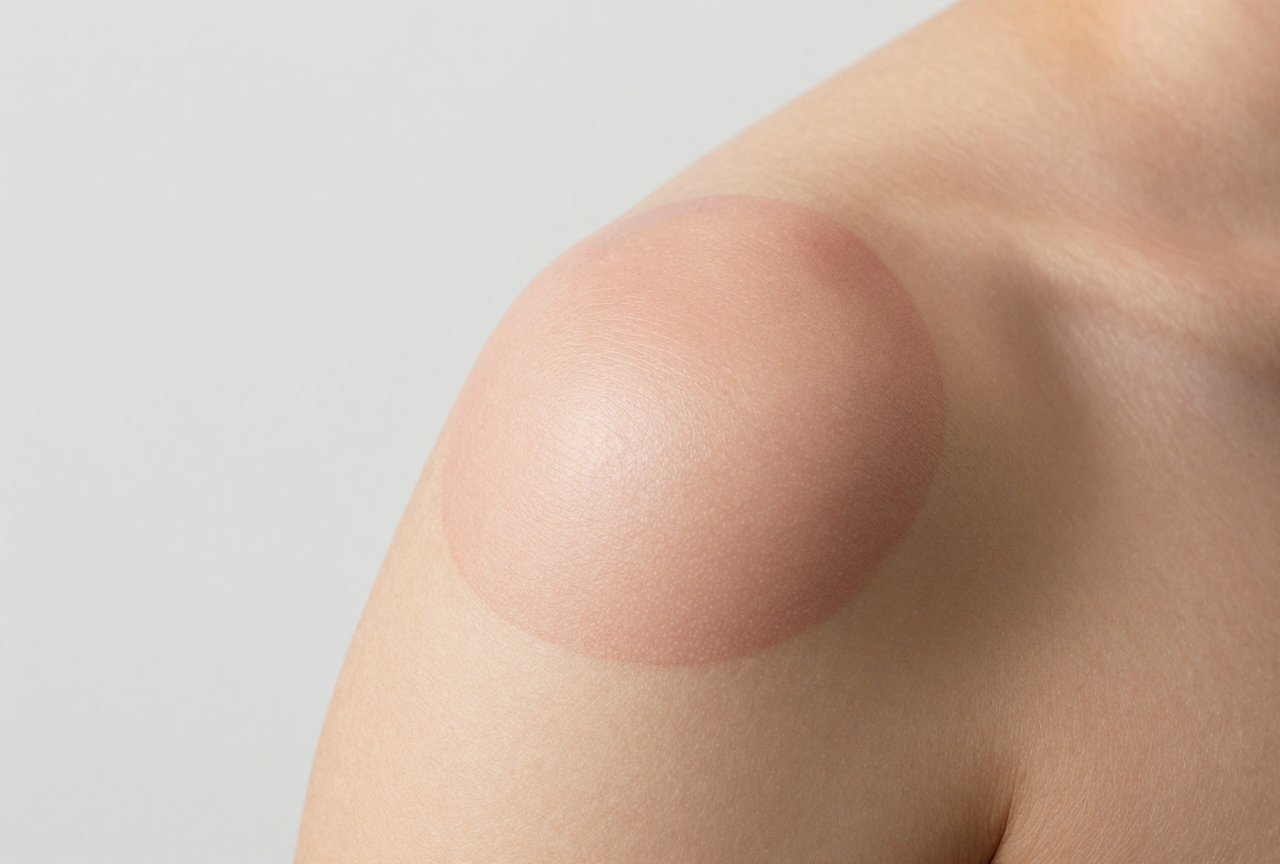
Here’s the straight answer: clean the skin, peel off the backing, press the design face-down with a wet cloth for 30 seconds, then peel slowly. But if you want it to look like actual ink and not a shiny sticker that screams “I got this from a vending machine,” there’s more to it. I’ve had clients come into my shop with temp tats that looked so convincing I had to do a double-take, and I’ve seen others that looked like they’d been slapped on during a kindergarten craft hour. The difference is all in the details.
Prep Your Skin Like You Mean It
Skin prep is where most people tank their temporary tattoo before they even start. I tell clients who are testing placements before committing to real ink: treat the fake one with the same respect you’d give a needle.
Shave and Exfoliate the Area
Hair is the enemy of a flat, realistic temp tattoo. Even fine vellus hair creates air pockets and lifted edges. Shave 24 hours beforehand, same day shaving can leave micro-cuts that sting when you apply adhesive. Gently exfoliate with a washcloth or mild scrub to remove dead skin. The smoother the canvas, the better the transfer.
Degrease Thoroughly
Your skin produces oil constantly. That oil breaks down the adhesive and creates that telltale halo where the tattoo edges lift. Wash with soap, rinse, then hit the spot with rubbing alcohol or witch hazel. Let it dry completely. In my chair, I’ve watched temp tattoos last three extra days just because someone took thirty seconds to degrease properly.
Placement: Where It Sits Matters
Not all skin is equal. Some areas eat temporary tattoos alive, others cradle them gently for days.
- Inner forearm: Classic spot. Low friction, minimal oil, easy to show off. This is where I place stencils for clients to test-drive designs.
- Upper arm/shoulder: Good longevity, but watch the bend points. Elbow creases and deltoid edges flex constantly and crack the image.
- Ribcage/side: Terrible for temps. Too much stretch, too much sweat, too much rubbing against your arm all day.
- Ankles and feet: Socks and shoes are murder. If you must, go high on the calf where sock lines don’t hit.
- Hands and fingers: Hands down the hardest. We wash them constantly, they bend, they grip. Expect a day, maybe two.
Pro tip from shop culture: mirror the placement of real tattoos in your reference photos. A temp rose slapped randomly on your bicep looks like a temp. That same rose tucked into the inner elbow, following the muscle flow, reads as intentional ink.
The Application: Slow and Wet
Peel the clear plastic cover off first. Position the tattoo, sticky side down. Don’t stretch the skin, relax the muscle underneath. Press a wet washcloth or paper towel over the backing paper and hold it there. I count to forty, not thirty. The paper needs to be saturated through, not just damp on top.
Peeling Technique
This is where people panic and rush. Slide the backing paper off at a low angle, almost parallel to the skin. If any image sticks to the paper, stop. Wet it more. Yanking leaves half the design on the backing and patches of blank skin that look like mange. I’ve seen it. It’s not pretty.
Patience After Peeling
Don’t touch it. Don’t rub it. Let it air dry for ten minutes minimum. The adhesive is still setting. Blowing on it or fanning it seems to help, but really you’re just passing time. Go make coffee. Scroll your phone. Leave it alone.
Sealing: The Difference Between Toy and Tattoo
That plastic sheen is the dead giveaway. Real tattoos don’t reflect light like a laminated bus pass. You need to knock down the gloss and lock the edges.
- Translucent powder: Makeup setting powder, the kind with no shimmer. Pat it on with a clean sponge, dust off excess. Kills the shine immediately.
- Hairspray: Light mist from twelve inches away. Two thin coats, not one soaking. Cheap aerosol works fine, no need for salon brands.
- Liquid bandage: Products like New-Skin or similar brush-on sealers. Thin layer, let dry. Adds a matte, skin-like finish and genuine water resistance. This is what I recommend to friends who need their temp to survive a wedding or beach day.
Avoid thick petroleum jelly or heavy lotions. They dissolve the adhesive from underneath and create that greasy bleed where the tattoo turns into a blue smear.
Making It Read as Real Ink
Line weight and shading are what separate tattoo art from clip art. Real tattoos have depth. The black isn’t uniform; it varies with the needle passes. Temp tattoos are flat.
Distress the Edges
Take a damp cotton swab and gently blur the outer border in a couple spots. Not all around, just enough to suggest the slight blowout and healing variation that real skin produces. A perfectly crisp edge is a dead fake. In my shop, we call it the “sticker line,” and clients learn to spot it instantly once I point it out.
Add Dimension with Makeup
Subtle brown eyeshadow or contour powder around the design creates a soft shadow, like the ink is sitting in the dermis rather than floating on top. Keep it faint. You’re not drawing a cartoon; you’re suggesting depth. Blend outward with a clean finger.
Aftercare and Longevity
Even fake tattoos need babying if you want them to last.
- Pat dry after showers, don’t rub with the towel.
- Avoid direct hot water blasting the area. Steam rooms and hot tubs are accelerants to fading.
- Don’t sleep with fresh temp tattoos pressed against sheets. The friction transfers pigment to fabric and leaves blank patches.
- Moisturize around, not on, the design. Keep the surrounding skin healthy so it doesn’t flake and lift the edges.
Realistic lifespan: two to five days for standard temps, up to a week with good sealing and placement. Henna-style temps last longer but stain rather than sit on top, so they’re a different game entirely.
Testing Before Real Ink
This is honestly my favorite use for temporary tattoos. I keep a stash of blank transfer paper in my station. Clients print their design ideas, I cut them to size, and they wear them for a week. Live with it. See it in different lighting, with different outfits, while working, while sleeping. The number of people who come back saying “thank god I didn’t commit to that” or “okay, now I’m sure”, it’s invaluable. We see this a lot in busy shops. The regret reduction is real.
Pay attention to how the placement interacts with your body’s movement. A rib piece that looks stunning in the mirror might feel claustrophobic when you’re sitting hunched at a desk. An inner bicep quote might twist unreadably when you flex. The temp test reveals what Pinterest poses cannot.
Removal Without the Misery
When you’re done, baby oil or any oil-based makeup remover breaks the adhesive down gently. Rub in circles, let it sit a minute, wipe away. Don’t scrub aggressively, your skin will redden and you’ll look like you had a bad reaction to something. If residue persists, a second pass with rubbing alcohol cleans it completely. Moisturize after. Your skin has been through adhesive, sealers, and solvents. It deserves some care.
Key Takeaways
- Prep skin by shaving, exfoliating, and degreasing, smooth, oil-free surface is everything.
- Choose low-friction, low-flex placements: inner forearm, upper arm, calf.
- Apply with plenty of water, peel slowly at a low angle, and let it dry undisturbed.
- Seal with powder, light hairspray, or liquid bandage to kill shine and add water resistance.
- Distress edges and add subtle shadow with makeup to suggest real ink depth.
- Protect from friction, hot water, and sleeping pressure to maximize lifespan.
- Use temporary tattoos as a genuine trial run before committing to permanent work.
The best fake tattoo is the one that makes people ask where you got it done. I’ve had that conversation more times than I can count, and I always respect the effort. Good fakery takes skill. Bad fakery is just lazy. Choose your side.
Frequently Asked Questions
Can I shower with a temporary tattoo or will it wash off immediately?
You can absolutely shower, but keep the water warm, not scalding, and pat the area dry gently rather than rubbing. A sealed temp tattoo handles normal showering fine; the enemy is prolonged soaking and direct hot spray pounding the same spot.
Why does my temporary tattoo look shiny and obviously fake?
The adhesive layer reflects light differently than skin. Dust translucent powder over it, or seal with a thin liquid bandage once fully dry. That matte finish reads as ink sitting in skin rather than plastic sitting on top.
Can I put a temporary tattoo over a real tattoo to cover it up?
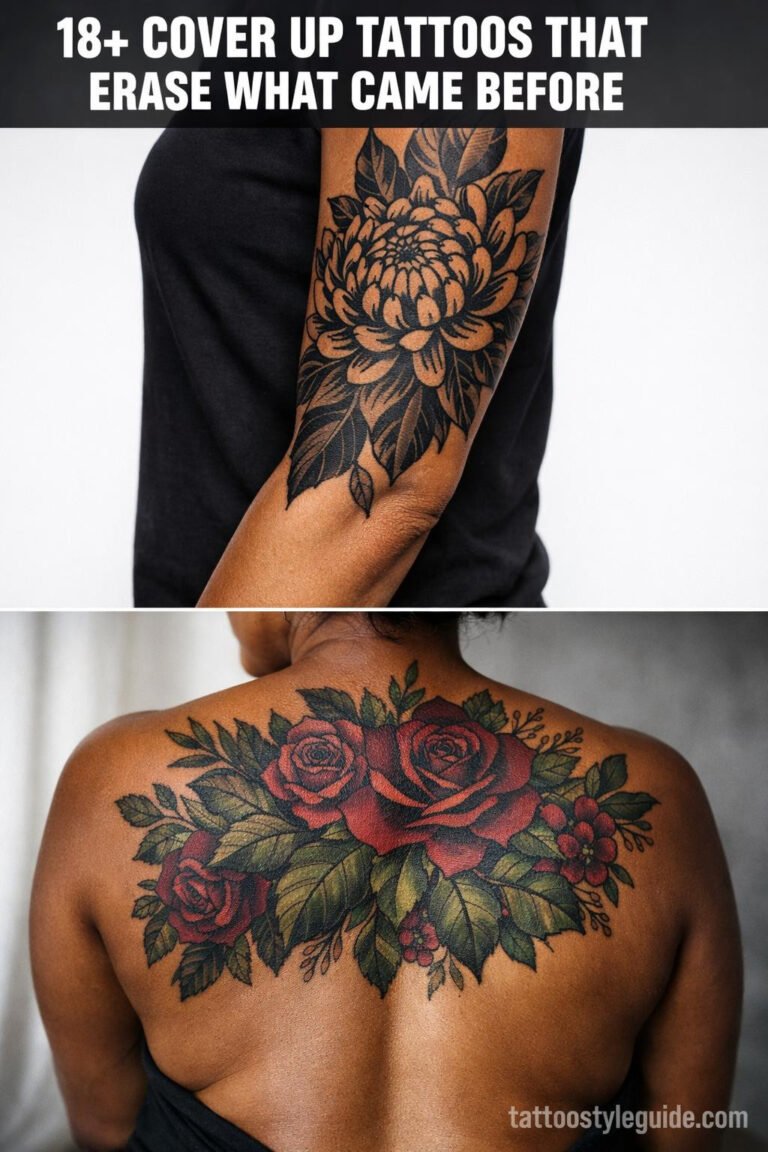
It won’t fully cover dark, saturated ink, the real tattoo will show through like a shadow underneath. Light, faded old work might get masked, but for bold cover-ups, temp tattoos aren’t dense enough to do the job convincingly.
How do I stop the edges from peeling up after just one day?
Usually that’s oil or moisture trapped during application. Remove and reapply on properly degreased skin, seal the edges specifically with liquid bandage, and avoid flexing that body part constantly. Inner wrist and finger placements are notorious for this.
Related Tattoo Guides
- How to Remove Henna Tattoo: A Real Artist s Guide
- How to Stop Tattoo Itching: A Real Artist s Guide
- How to Treat an Infected Tattoo: A Shop Guide
- Explore more