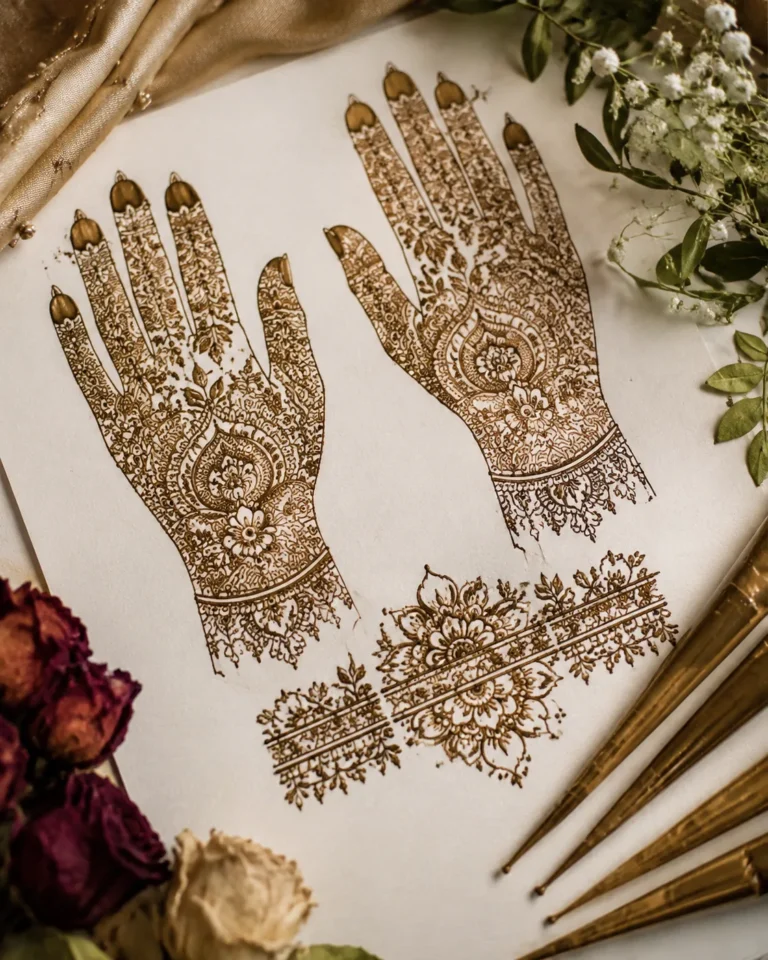
Henna is temporary by design, but sometimes you want it gone faster than nature allows. The honest truth? There’s no magic eraser. Henna stains the surface of your skin, and you’ve got to wait for those cells to shed. That said, I’ve had plenty of clients in my chair who needed to fade a henna design before a job interview, a wedding, or because the mehndi artist botched the pattern. I’ve also seen people panic and scrub their skin raw. Don’t do that. Below is what actually works, what doesn’t, and what I’ve learned from years watching skin dry, fade, and renew.
What Henna Actually Does to Your Skin
Henna paste contains lawsone, a dye that binds with the keratin in your dead skin cells. It stays on the surface rather than entering deeper tissue. Henna sits in that outermost layer, the stratum corneum. That’s why it fades in one to three weeks instead of lasting forever.
The color you get depends on your skin chemistry, the henna quality, and how long the paste sat. I’ve seen “black henna” that was really PPD-laden hair dye, and that’s a whole different problem. Real henna is reddish-brown. If yours is jet black and itchy, read the safety section below first.
Why “Removal” Is Really Just “Accelerating Fade”
You’re not pulling color out. You’re encouraging your skin to turn over faster. Think of it like buffing a stain off a countertop versus bleaching it. The goal is gentle, consistent exfoliation without damaging living skin underneath. I’ve seen people apply fresh henna over irritated, scrubbed skin, and I can tell you: angry skin takes paste unevenly and may become even more uncomfortable.
Methods That Actually Speed Up Fading
These are the approaches I’ve seen work, ranked by how much they actually help versus how much they irritate your skin.
- Oil soaking and gentle exfoliation: Olive oil, coconut oil, or even baby oil. Slather it on, let it sit ten minutes, then use a soft washcloth or sugar scrub in circular motions. The oil penetrates the dead skin layer and helps lift it. I tell clients to do this once daily, not hourly. Your skin needs time to recover between sessions.
- Warm water and salt: Dissolve regular table salt in warm water, soak a cloth, and hold it on the area for several minutes. The salt draws moisture and helps loosen that stained layer. Follow with a moisturizer. I’ve seen this fade a dark henna hand design noticeably in three days.
- Swimming or hot tubs: Chlorine and extended water exposure accelerate cell turnover. Real talk: I’ve had clients come in with patchy, faded henna after a beach vacation. The salt, sun, and sand did the work. Just don’t burn yourself trying to speed things up.
- Antibacterial soap with exfoliating beads: The kind with those little plastic or natural scrubbers. Use it twice daily with warm water. Nothing fancy needed. Dial or similar works fine.
What to Skip
I’ve heard some wild suggestions over the years. Bleach, lemon juice left on overnight, straight rubbing alcohol, sandpaper, razor blades. These will damage your skin, possibly scar it, and won’t remove henna significantly faster. Your skin is not a floor tile. Treat it like living tissue, because it is.
The Fading Reality: What to Expect
Henna removal isn’t usually painful, but it’s not nothing either. Aggressive exfoliation makes skin red, tender, and sometimes flaky. I’ve seen people scrub so hard they developed contact dermatitis on top of the henna stain. Then they’ve got two problems.
Expect gradual lightening, not overnight disappearance. A dark henna stain on thick palm skin might take two weeks to fade significantly. The same stain on thin inner wrist skin? Maybe five to seven days with consistent effort. Everyone’s skin turns over at different rates. Age matters too. Younger clients shed cells faster.
After any exfoliation session, moisturize. Plain, unscented lotion. Your skin barrier needs support. In my shop, we see a lot of people who forget this step and end up with dry, cracked skin that looks worse than the henna did.
When Henna Goes Wrong: Safety First
This part matters. “Black henna” isn’t real henna. It’s henna mixed with paraphenylenediamine (PPD), the same chemical in dark hair dyes. PPD can cause blistering, permanent scarring, and lifelong chemical sensitivities. I’ve seen the photos. I’ve heard the stories from other artists.
If your henna is black, smells chemical, or causes burning, itching, or swelling within 24 hours, that’s not normal henna behavior. Real henna smells earthy, like hay or tea. It shouldn’t hurt. If you’re reacting, stop trying to remove it yourself and see a medical professional. Don’t exfoliate broken skin. Don’t put oils on open blisters.
How to Tell Real from Dangerous
- Real henna: brownish paste, earthy smell, stains orange-brown at first, darkens over 48 hours
- Black henna warning signs: jet black stain immediately, chemical or ammonia smell, vendor won’t disclose ingredients, applied at beach boardwalk or tourist spot with no license
I’ve had to turn away clients who wanted fresh henna applied over PPD-scarred skin. The damage can be permanent. Be careful out there.
Covering It Up Instead
Sometimes removal isn’t the answer. I’ve had clients book a new mehndi design to cover a pattern they stopped liking. This works fine if the earlier henna is fully faded to a light stain. Applying fresh paste over a dark, recent stain? Problematic. The artist can’t judge your natural skin tone accurately, and the new paste may not take evenly on stained, possibly oily skin.
Another option: makeup. Dermablend, Kat Von D’s line, even theatrical cover cream. For a one-day event, this beats scrubbing your skin raw. I’ve seen brides use this trick when their pre-wedding henna didn’t dry right and smudged.
What We See in the Shop
We get questions about henna removal more than you’d think. Usually from parents whose kids got it at a festival, or adults who didn’t realize how long it lasts. My mehndi studio policy? We don’t apply fresh paste over skin that hasn’t fully dried, faded, and returned to normal. That includes fresh henna, sunburn, recent scars, and rash. Skin needs to be baseline normal.
The conversations I have are usually about patience. People want instant results. Skin doesn’t work that way. The clients who listen, who do gentle daily oil scrubs and moisturize after, get results in a week. The ones who attack their arm with a pumice stone and lemon juice come back with damaged skin that takes longer to look normal than the henna would have taken to fade naturally.
Key Takeaways
- Henna stains dead skin cells; true removal means waiting for natural shedding
- Oil soaking plus gentle exfoliation is the safest, most effective acceleration method
- Avoid bleach, sandpaper, harsh chemicals, and aggressive scrubbing
- “Black henna” with PPD is dangerous; seek medical help for reactions, don’t try to exfoliate damaged skin
- Moisturize after every removal attempt to protect your skin barrier
- Consider cover makeup or simply waiting if you’re not seeing fast enough progress
- Real mehndi artists won’t work over fresh henna; let it fade completely first
At the end of the day, henna is temporary. That’s the whole point. Your skin will do the work if you give it time and a little help. Be kind to it, and it’ll be kind back.
Frequently Asked Questions
Can I apply a new henna design right after my old henna fades?
Wait until your skin is completely back to normal, with no stain residue, dryness, or irritation from scrubbing. I usually tell clients to give it two weeks minimum after the henna is fully gone. Freshly exfoliated skin doesn’t take paste evenly and may become irritated.
Will lemon juice actually remove henna faster?
Lemon juice can slightly lighten henna because it’s acidic, but leaving it on too long causes chemical burns, especially in sunlight. I’ve seen people get nasty blisters this way. It’s not worth the risk for minimal gain.
Why is my henna still dark after a week of scrubbing?
Palm and sole skin is thick and renews slowly. The more you scrub, the more your skin protects itself by thickening. Back off, moisturize, and let your skin recover. Gentle oil treatments once daily will work better than aggressive daily attacks.
Does henna removal cream work on henna?
Those creams are generally unnecessary for henna. Henna isn’t deep enough to need them. Save your money and use oil and patience instead.
Related Henna Guides
- Fresh Henna Care: A Real Mehndi Guide
- How to Handle Irritated Henna Skin: A Mehndi Guide
- How to Protect Henna While Swimming: A Real Mehndi Guide
- Explore more