
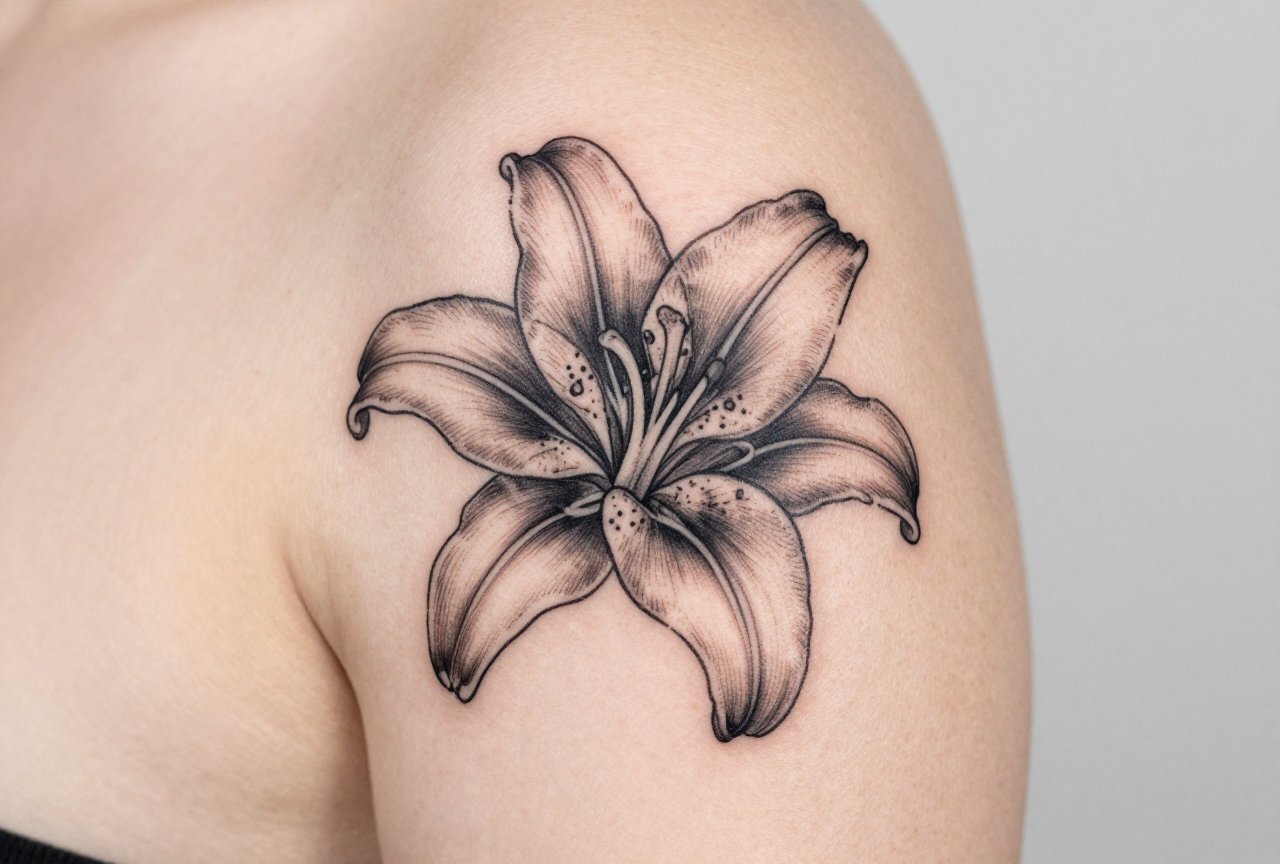
The lily of the valley tattoo carries deep symbolism rooted in humility, sweetness, and the return of happiness. This delicate bell-shaped flower has enchanted cultures for centuries, making it a meaningful choice for those who value quiet strength over bold display. Its associations with spring renewal, maternal love, and personal transformation give it layered significance that resonates across many life experiences.
Symbolism & History
The lily of the valley (Convallaria majalis) blooms in shady woodland areas, which historically shaped its symbolic meaning. Unlike flowers that demand full sun and attention, this plant thrives in modest conditions, earning its reputation as an emblem of humility and unassuming grace.
In Christian tradition, the flower became linked to the Virgin Mary’s tears and is sometimes called “Our Lady’s Tears” in European folklore. This connection established enduring associations with purity, maternal devotion, and spiritual renewal. The flower also appears in Swedish and Finnish culture as the national flower, representing the beauty found in quiet perseverance.
May Day traditions across France and other European countries involve giving bouquets of lily of the valley for good luck. This practice cemented its meaning as a harbinger of happiness and positive change. The flower’s brief blooming period, typically just a few weeks in spring, adds another layer: appreciation for fleeting beauty and living in the present moment.
Notably, the actual plant is toxic if ingested, which has occasionally influenced its symbolic use as a representation of duality: beauty that requires respect and careful handling, or the idea that sweetness can coexist with hidden strength.
Common Variations & Styles
Artists interpret lily of the valley tattoos through diverse aesthetic approaches, each emphasizing different aspects of its meaning:
- Fine line and botanical illustration: Precise, delicate renderings capture the flower’s scientific beauty and appeal to those drawn to naturalistic art. This style highlights the intricate bell shapes and arching stems.
- Watercolor washes: Soft color bleeding around the white or pale pink blooms creates an ethereal, dreamy quality that emphasizes the flower’s connection to spring and emotional renewal.
- Black and grey realism: Shadow and texture create depth without color, often chosen for memorial pieces where solemnity feels appropriate.
- Minimalist single stem: A simplified design with just a few bells and leaves suits smaller placements and speaks to understated personal significance.
- Jeweled or decorative elements: Some designs incorporate gemstone colors, lockets, or ribbon wraps, blending the flower’s natural symbolism with personal ornamentation.
Color choices matter symbolically too. Traditional white blooms emphasize purity and innocence, while soft pink variations suggest gentler, romantic meanings. Green-heavy designs stress growth and life cycles.
Best Placements
The lily of the valley’s naturally slender, cascading form suits several body locations particularly well:
- Wrist and forearm: A small stem or cluster wraps elegantly along these areas, visible enough for personal reminder yet easy to conceal.
- Behind the ear: The tiny bell shapes mirror this intimate placement, creating a whispered rather than announced statement.
- Ribcage and side: The flower’s arching growth pattern follows the body’s natural curves beautifully here, allowing for slightly larger compositions.
- Ankle and foot: Connecting to the flower’s woodland ground-cover nature, these placements feel organically rooted.
- Collarbone and shoulder: A trailing stem can extend toward the heart area, physically embodying the emotional symbolism.
Many choose placement based on visibility preferences, as this tattoo often carries private significance rather than public declaration.
Who Chooses This Tattoo / Personal Meanings
People drawn to lily of the valley tattoos often share certain sensibilities. They tend to value subtlety over spectacle, finding depth in quiet symbols rather than aggressive imagery. Common personal connections include:
- May birthdays: As the official birth flower for May, it naturally commemorates one’s own arrival or that of a loved one.
- Mothers and children: The flower’s maternal associations make it popular among mothers honoring their role, or adult children memorializing a mother’s love.
- Recovery and new beginnings: The spring-blooming nature resonates with those marking personal transformation, whether from hardship, loss, or major life transition.
- European heritage: Those with French, Scandinavian, or broader European roots sometimes choose this flower as cultural connection.
- Memorial tributes: The “return of happiness” meaning offers gentle comfort for remembering someone while embracing life’s continuation.
The tattoo particularly suits individuals who identify with introverted strength, those who have achieved or survived through persistent quiet effort rather than dramatic confrontation.
Similar Symbols
Those considering lily of the valley often explore related botanical symbols with overlapping meanings:
- Lily (general): More overtly associated with purity and resurrection, but lacks the specific humility and woodland modesty of the valley variety.
- Snowdrop: Another early spring bloomer pushing through snow, symbolizing hope and resilience in adversity, though with less romantic tradition.
- Bluebell: Similar woodland habitat and bell shape, but with stronger fairy folklore and British cultural associations.
- Cherry blossom: Shared meaning of fleeting beauty and renewal, though more explicitly Japanese in cultural origin and visually bolder.
- Violet: Comparable modesty and hidden-virtue symbolism, with added meaning of faithful love.
The lily of the valley distinguishes itself through its specific combination of sweetness without naivety, and its particular resonance with maternal and spring-renewal themes.
Final Thoughts
The lily of the valley tattoo offers remarkable symbolic density in a visually delicate package. Its meanings of humility, returning happiness, and quiet resilience speak to those who find strength in gentleness and significance in overlooked beauty. Whether chosen for birth month connection, maternal bonds, personal transformation, or simply love of its unassuming form, this flower rewards contemplation. In a tattoo culture often drawn to bold declarations, the lily of the valley remains a powerful choice for those who believe the most profound statements sometimes come in the softest voices.
Related Tattoo Meanings
- Thorn Tattoo Meaning
- Tree of Life Tattoo Meaning: Roots, Family, Growth and Renewal
- Elephant Tattoo Meaning: Strength, Memory, Family and Gentle Power
- Explore more









