
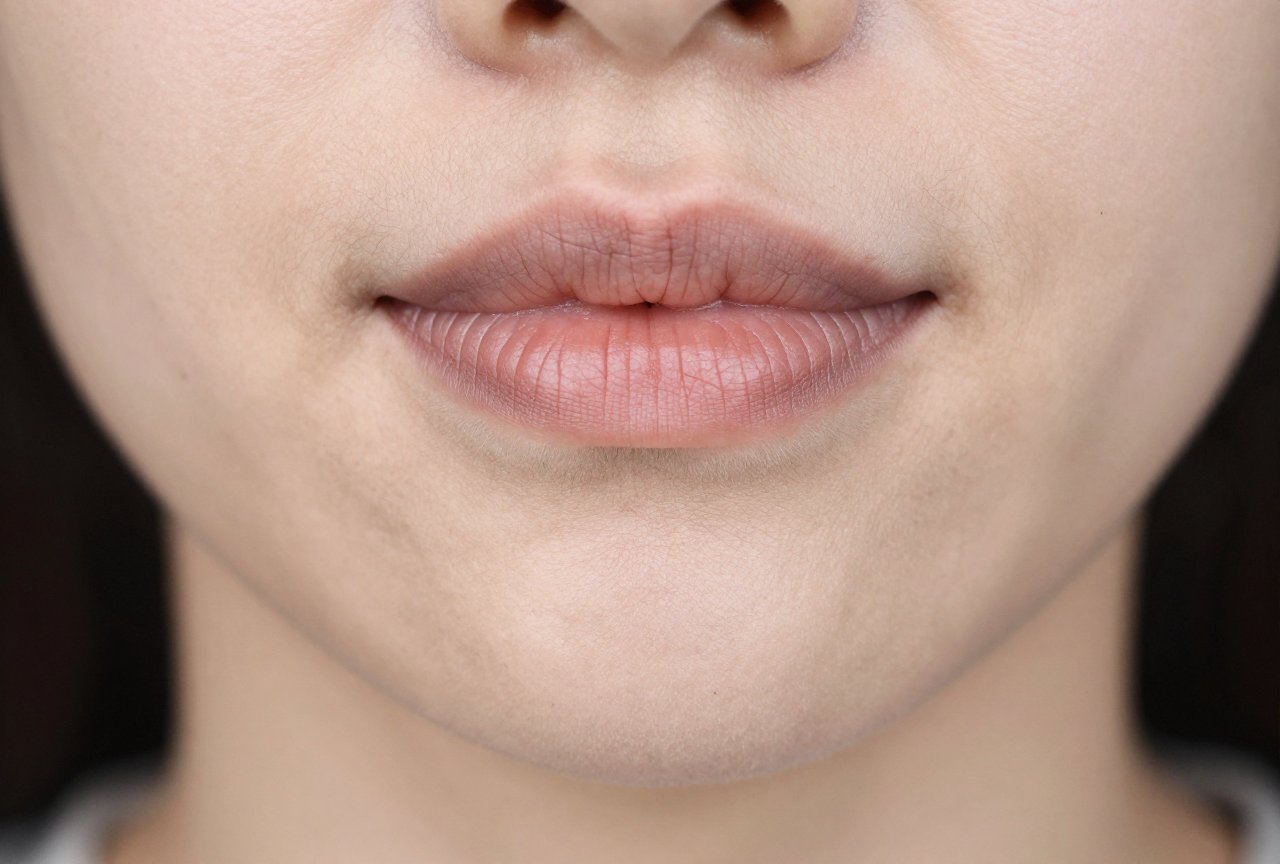
A line tattoo on the chin most commonly represents strength, identity, and cultural heritage. For many, it’s a direct nod to Indigenous traditions, particularly among Alaskan Native women, where chin markings signified maturity, survival, and tribal belonging. Today, people also choose this placement for its stark visual impact and the way it frames the face like a deliberate, permanent statement.
Symbolism & History
I’ve tattooed chin lines on clients who spent years researching their family lineage before sitting in my chair. The weight of that matters. This isn’t a spur-of-the-moment finger tattoo. The chin line carries ancestral memory for Indigenous peoples, particularly Inupiaq and other Alaskan Native women, who wore these markings as part of life-stage ceremonies. The line marked passage, coming through hardship, earning status, surviving what the land and colonizers threw at them.
For non-Indigenous wearers, the meaning shifts but retains that core of endurance. I’ve had clients tell me it represents “the line they won’t cross” or a boundary they’ve finally set. Others see it as a seam, something that holds them together after breaking apart.
Respecting the Roots
Here’s what we see a lot in shops: someone walks in with a Pinterest screenshot of a chin line, no context. I always ask. If there’s no Indigenous connection, I talk through whether this placement appropriates something living and painful. Some artists won’t do it. Others will, but with education first. The line itself is simple; the history isn’t. If you’re drawn to this, do the reading. Talk to people. The tattoo lasts longer than your ignorance will.
Modern Reclamation
Indigenous women are reclaiming these markings after generations of suppression, boarding schools, missionaries, government policies that banned cultural practices. When an Inupiaq woman gets her chin line now, it’s often an act of political and spiritual restoration. I’ve watched clients cry in the mirror after. The line isn’t decoration. It’s return.
Common Variations & Styles
The chin line isn’t one thing. In my chair, I’ve done variations that look completely different despite sharing the same real estate.
- Single straight line: The classic. Usually 2-4 inches, centered. Clean, bold, unapologetic. Ages well because it’s simple, no fine detail to blur.
- Double parallel lines: Creates a band effect. I’ve seen this on clients who want more visual weight or who reference specific tribal variations.
- Curved or tapered line: Follows the jaw’s natural geometry. Softens the look while keeping the placement’s intensity.
- Broken/dotted line: Less common. Some interpret this as interrupted journey, stitches, or scarification aesthetic.
- Extended vertical: Runs from lower lip to chin point. Dramatic, elongates the face. High pain zone, lots of nerve endings there.
Line weight matters hugely. A thick 9RL or 11RL bold line sits differently than hairline single-needle work. The bold line stays readable as it ages; fine lines on the face can soften into indistinct gray faster because of sun exposure and skin movement. I generally push clients toward slightly heavier lines for this placement unless they’re committed to touch-ups.
Color vs. Blackwork
Almost always black. I’ve done one dark blue chin line in fifteen years. The face demands permanence and gravity, color reads as playful, which fights the placement’s natural severity. Black ink also ages most predictably on facial skin, which takes more sun damage than covered areas.
Best Placements
The chin line has limited real estate, but subtle shifts change everything.
- Centered under the lip: Most traditional, most visible. Frames the mouth. Every expression activates it.
- Offset slightly: Creates asymmetry that can feel more contemporary or personal. I’ve done this for clients who want the tradition but with individual twist.
- Lower on the chin bone: Less immediately visible, more revealed by angle. Some clients prefer this for professional contexts.
- Extending toward jaw corners: Visually widens the face. Good for heart-shaped faces, less so for already square jaws.
Skin texture here is tricky. The chin has pores, occasional hair follicles, sometimes acne scarring. I tell clients to come in with clean-shaven skin if they have facial hair, we need to see the canvas. The line has to account for how the skin moves when you talk, eat, express. I make clients smile, frown, talk through the stencil phase. A straight line at rest can crook with animation if we’re not careful.
Who Chooses This Tattoo / Personal Meanings
In my experience, three broad groups seek chin lines.
Cultural bearers reconnecting with suppressed heritage. These sessions feel ceremonial. I’ve had grandmothers come in with granddaughters. The line becomes inheritance.
Survivors marking something, addiction, abuse, illness, loss. The chin line’s visibility matters here. They want to be seen as changed. One client told me it was “the line between who I was and who I became.” I think about her when people ask about meaning.
Aesthetic radicals drawn to facial tattooing’s transgressive history. Punk lineage, body modification community, people who reject conventional beauty standards. For them, the chin line is refusal, of employment norms, of invisible conformity, of being palatable.
The personal meanings I’ve heard defy categorization: a seamstress’s thread, a horizon line from a childhood landscape, a reference to a parent’s scar, a minimalist commitment to less. The simplicity invites projection. That’s its power and its risk.
Similar Symbols
Clients considering chin lines often look at related markings.
- Teardrop tattoos: Completely different lineage, prison culture, gang affiliation, sometimes anti-gang reclamation. I steer people away from confusing these. The visual similarity is minimal, but public misreading is real.
- Forehead/third eye lines: Hindu and Buddhist traditions, New Age adoption. More spiritually explicit than chin lines tend to be.
- Facial scarification patterns: African and Pacific traditions, raised keloid lines rather than ink. Some clients want the visual language without the cultural specificity.
- Neck lines/bands: Less visually confrontational than chin placement. Easier to cover, less immediately readable as “facial tattoo.”
- Single line elsewhere: Wrist, forearm, finger. The same minimalist gesture without the facial permanence and social weight.
I always ask chin line clients: have you lived with a visible marking before? Try drawing it on daily for a month. The face isn’t like a forearm. People will stare. Children will point. Strangers will ask. The line itself is ten minutes of tattooing. The social reality is lifelong.
Final Thoughts
The chin line tattoo holds meaning that exceeds its simple form, ancestral survival, personal transformation, deliberate visibility, or quiet refusal. What it means depends on who wears it and why they sat down in the chair. As an artist, I’ve learned not to assume. The same mark on two different people tells completely different stories.
If you’re considering this, sit with it longer than you think necessary. Research the history, especially if you have any Indigenous heritage to explore. Talk to artists who’ve done facial work, not just any shop with an open appointment. And understand that the meaning isn’t just in the getting, it’s in the living with it, every morning in the mirror, every interaction where someone sees you before they hear you. That’s the real tattoo. The ink just makes it permanent.
Frequently Asked Questions
Does a chin line tattoo hurt more than other facial tattoos?
The chin has dense nerve endings and sits directly on bone, so yes, most clients rate it sharper than cheek or temple work. The skin also moves constantly with talking and eating, which can make the session feel longer than it is.
How long does a chin line tattoo take to heal?
Surface healing runs about two weeks, but the chin’s movement and moisture from eating/drinking complicate aftercare. I tell clients to expect flaky, tight skin and to avoid spicy or acidic foods that irritate fresh ink in that zone.
Will employers care about a visible chin tattoo?
Facial tattoos still carry professional stigma in most US industries. I’ve had clients cover theirs with makeup for years, or switch careers entirely after getting one. The chin is impossible to hide without a beard, so consider your field honestly.
Can I get a chin line if I’m not Indigenous?
Some artists will do it, some won’t. The key question is your intention and research. If you’re drawn to the aesthetic without cultural connection, I’d point you toward similar placements that don’t carry specific tribal meaning, neck bands, for instance, or abstract facial geometry.
Related Tattoo Meanings
- Lipstick Tattoo Meaning: Symbolism, Styles Personal Significance
- Lizard Tattoo Meaning: Symbolism, Styles What Artists See
- Love Yourz Tattoo Meaning: J. Cole s Message of Self-Acceptance
- Explore more









