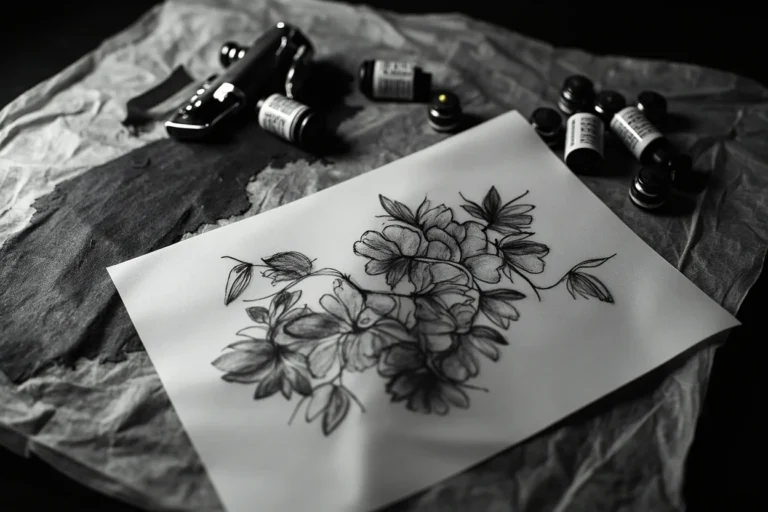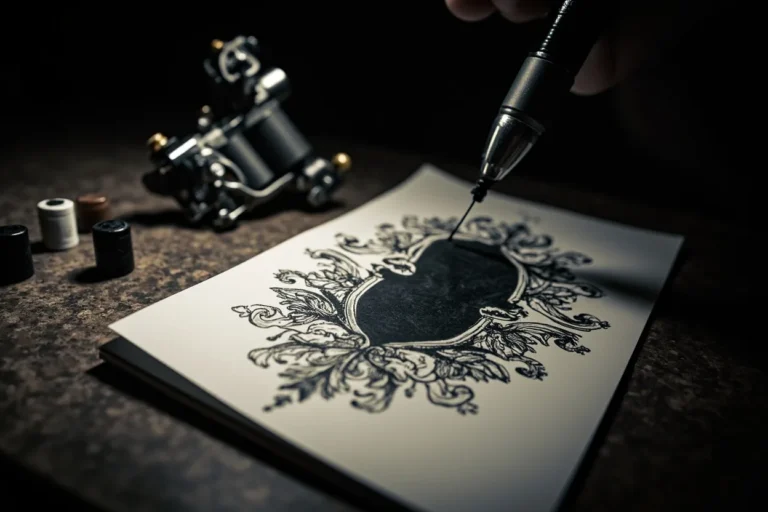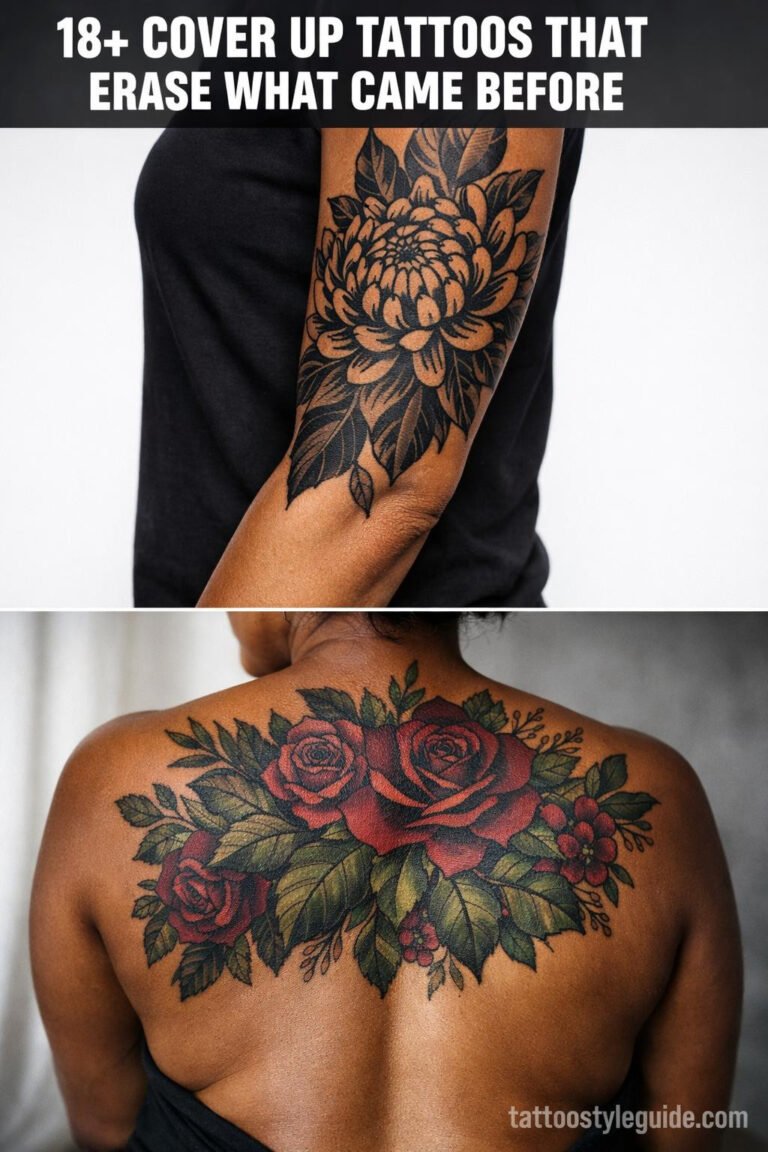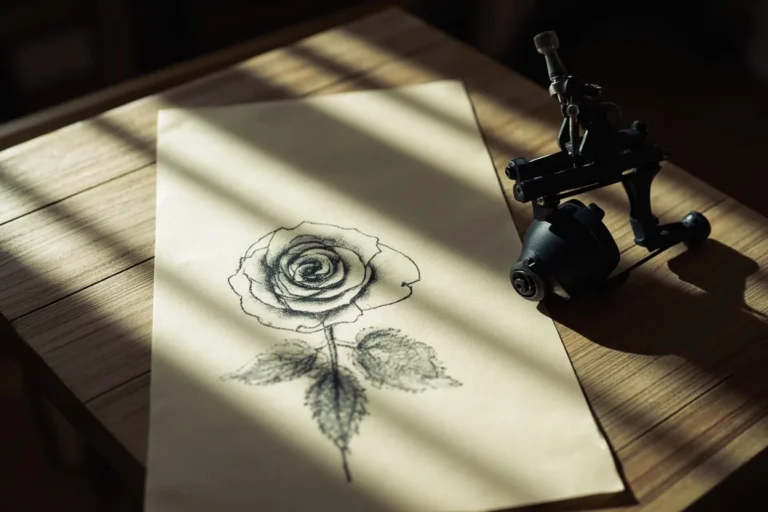
Yes, you can absolutely cover up an MGK tattoo, I’ve done it. Whether it’s the double-x logo, lyrics from Tickets to My Downfall, or a portrait that’s not aging how you hoped, cover-ups are bread-and-butter work in most shops. The real question isn’t if it can be done, but what your specific piece needs to disappear completely. Dark, saturated MGK imagery takes more planning than a faded line drawing, and some placements are trickier than others. Here’s what I’ve learned from years of turning old tattoos into something people actually want to show off.
What Makes MGK Tattoos Tough to Cover
Machine Gun Kelly’s aesthetic is bold by design. Thick black linework, heavy black fills, and high-contrast imagery, that’s the stuff that hangs around. I’ve had clients come in with the XX logo on their forearms, chest pieces with his face in solid black and grey, and lyric bands around wrists that were done dark and deep. The problem isn’t the subject matter; it’s the saturation.
Black ink doesn’t fade evenly. I’ve seen ten-year-old tattoos that look like they were done last month, and fresh ones that already look washed out. MGK-inspired pieces tend to be done by artists who pack black hard because that’s the style. That density becomes your enemy in a cover-up.
Placement Realities
Some spots are just harder. Here’s the honest breakdown from my chair:
- Wrists and hands: Skin here is thin, moves constantly, and cover-ups often need to go bigger than clients expect. I’ve had to explain that a small wrist logo becomes a half-sleeve situation more than once.
- Chest and ribs: Large surface area helps, but rib skin stretches and breathes. Black fills here can look blotchy as they age, which complicates covering them later.
- Forearms: The sweet spot. Good skin, easy to work with, plenty of room to expand a design. Most of my MGK cover-ups have been here.
- Neck and throat: Limited real estate, visible as hell, and the skin is unforgiving. I’ve turned down neck cover-ups that needed laser first, no shame in that.
The Aging Factor
How old your MGK tattoo is changes everything. A piece from 2017 has had years of sun, skin turnover, and maybe some regret-fueled scrubbing in the shower. That natural fading is your friend. Fresh, dense black from 2023? We’re probably talking about a much larger design, or laser sessions to break it up first.
I always tell clients: bring me a healed tattoo, not something six months old. Let it settle. Let me see what I’m really working with.
Cover-Up Strategies That Actually Work
There’s no magic wand. In my shop, we have three approaches, and I pick based on what I’m looking at.
Direct Cover-Up
This works when the original is faded enough, small enough, or light enough that a new design can dominate it. Roses, koi fish, geometric mandalas, these are classic cover-up motifs because they have natural dark areas that swallow old ink. I once covered a faded “EST 19XX” script with a raven whose wing feathers just absorbed the old lettering. The client cried. Good tears.
Direct cover-ups need to be roughly 30-50% larger than the original. That’s non-negotiable. You can’t hide a four-inch solid black piece with another four-inch piece. The math doesn’t work.
Blast Overs
This is when we incorporate the old tattoo into something new rather than hiding it completely. I’ve turned MGK lyrics into branches of a tree, worked the XX logo into a stained-glass pattern, and made a portrait into a skull with creative reimagining. Blast overs are honesty with artistry. You acknowledge the past but transform it.
Clients sometimes resist this at first. They want erasure. I get it. But the best cover-ups I’ve done were blast overs because the old ink became texture, not enemy.
Laser-Assisted Cover-Up
I’m not a laser tech, but I work with several. For dense, black, large MGK pieces, especially portraits or solid logos, laser fading before tattooing gives us options we wouldn’t have otherwise. Two to four laser sessions can drop the black enough that I don’t need to go massive with the new design. It’s an investment, but so is a cover-up you’re not happy with because we were forced into compromises.
I always recommend a consultation with both me and a laser specialist if the original is heavy. No point in guessing.
What Your New Tattoo Should Be
Not every design covers well. I have this conversation constantly.
- Heavy black and grey realism: Portraits, animals, dark florals. These create natural shadow areas that hide old ink.
- Traditional Japanese: Dragons, waves, koi. The style was literally developed to cover things. The bold outlines and saturated color blocks are cover-up gold.
- Neo-traditional with deep jewel tones: Emerald, sapphire, deep purple. These pigments sit heavy and can compete with old black.
- Geometric mandalas: The dense patterning and strategic blackouts work magic on smaller pieces.
What doesn’t work: fine-line single needle, watercolor without heavy structure, white ink only (white doesn’t cover black, it turns grey), and anything too small or too light. I’ve had to gently redirect clients who wanted a delicate butterfly over their solid black chest piece. Not happening.
The Pain and Healing Reality
Cover-ups hurt more. I’m not going to sugarcoat that. We’re working over scarred skin, often going deeper to push pigment through old ink. The area has been tattooed before, so the nerve endings are primed. Clients who sat fine for their original MGK piece often tap out sooner on the cover-up.
Plan for longer sessions. I break big cover-ups into multiple sittings, three to four hours max, then heal and come back. Your skin needs the break, and so does your nervous system.
Healing is standard but watch closer. Old tattooed skin can hold moisture differently, peel unevenly, and itch like hell. I tell my cover-up clients: no picking, keep it clean and lightly moisturized, sleep on clean sheets, and expect the old tattoo to look weird during the flaky phase before the new ink settles. That ghost of the MGK piece might peek through for a week or two before the cover fully matures. It freaks people out. It’s normal.
Cost and Time Expectations
Cover-ups cost more than original tattoos. More ink, more time, more planning, more stress on my end. A forearm cover-up that would be $800 fresh might run $1,200-$1,500 as a cover. Large pieces with laser prep can hit $2,000-$4,000 over the full process.
Time-wise, from first consult to final heal, budget six months to a year for a serious cover-up. Laser sessions spaced eight weeks apart. Tattoo sessions spaced six to eight weeks for healing. This isn’t a weekend project.
I have a waitlist for cover-ups specifically because I need headspace to design them right. Any artist who quotes you immediately without photos and a long conversation is suspect.
Key Takeaways
Covering an MGK tattoo is absolutely doable, but it demands honesty about what you’re working with and what you’re willing to become. Dense black ink needs space, dark designs, and sometimes laser help. Expect to go bigger, pay more, and hurt a bit worse than last time. The best results come from artists who specialize in cover-ups, not every tattooer loves this work, and it shows. Bring reference, bring patience, and bring a healed tattoo to the consult. What was once about someone else’s music can become something that’s actually yours.
Frequently Asked Questions
Can any tattoo artist do a cover-up, or do I need someone who specializes in them?
Not every artist takes cover-ups regularly, and it matters. Cover-ups require different design thinking, strategic use of dark areas, understanding how aged ink behaves, and planning for optical mixing. Ask specifically to see healed cover-up photos in their portfolio, not just fresh ones.
Will I be able to see my old MGK tattoo through the new one?
A well-done cover-up should make the old tattoo invisible to casual viewers, though you might spot hints up close if you know where to look. During healing, the old piece can seem to reappear through flaking skin, this is temporary and normal as the new ink settles.
How do I know if I need laser removal before covering up?
If your tattoo is dense black, large, or in a spot with limited room to expand, laser fading opens up your options. I always recommend a consult with both a tattoo artist and laser specialist for heavy pieces. A few sessions can drop the black enough to avoid a massive blast-over design.
Why does my artist want to make the cover-up so much bigger than my original tattoo?
Cover-ups need negative space to work, and old ink doesn’t disappear, it gets hidden under new pigment. Going 30-50% larger lets the new design establish its own visual identity without the old piece fighting through. Fighting the size requirement usually leads to a cover-up that still reads as two tattoos layered awkwardly.
Related Tattoo Guides
- Tattoo Cost Estimate: What You ll Actually Pay in 2024
- Finding a Watercolor Tattoo Artist: What to Know
- What to Put on a Healing Tattoo: A Working Artist s Guide
- Explore more