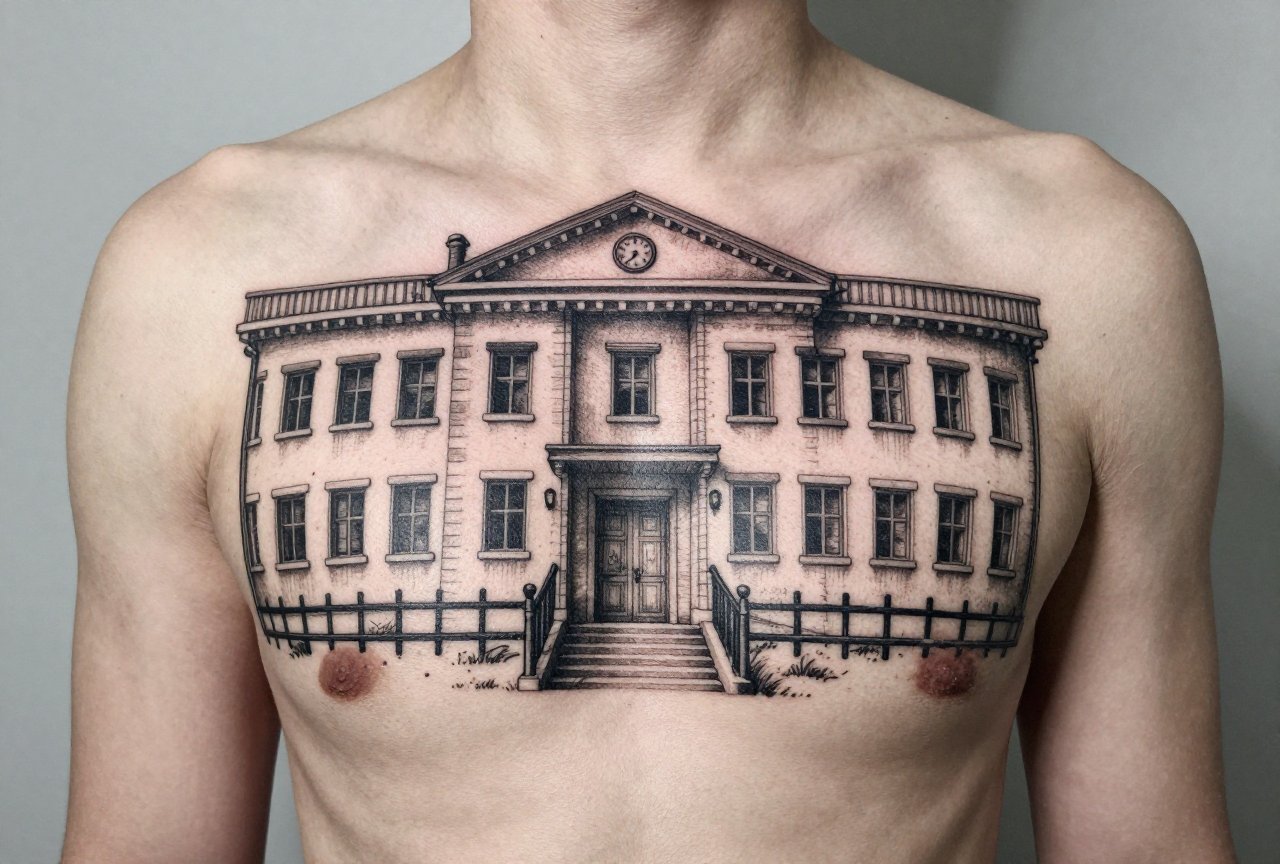
Russian prison tattoos are a complex visual language developed within Soviet and post-Soviet penal systems, where each design communicates specific information about a criminal’s rank, crimes served, time spent incarcerated, and standing within the thief-in-law hierarchy. These tattoos functioned as both identity documents and coded warnings, readable only to those initiated into the criminal subculture. Far beyond mere decoration, they represented a permanent commitment to a criminal way of life that could not be easily abandoned or hidden.
Symbolism & History
The tradition emerged during the Stalinist era when millions passed through the Gulag system. In an environment where paperwork could be lost or falsified, the body became the only reliable record. The vory v zakone (thieves-in-law) developed strict tattoo conventions enforced through brutal consequences for wearing unearned marks.
Key symbolic elements include:
- Stars on knees or shoulders: Indicate refusal to kneel before authority or high rank within the criminal hierarchy
- Cathedrals with domes: Each dome traditionally represents a completed prison sentence
- Skulls and daggers: Often mark convicted murderers or those who have killed within prison walls
- Barbed wire: Signifies lengthy sentences; rings around the wrist indicate years served
- Epaulettes or military insignia: Worn by those who have committed crimes against representatives of state power
- Religious iconography: Madonna and child or crucifixion scenes often indicate a thief’s “prison family” or protection rackets
The left and right sides of the body carried distinct meanings. Tattoos on the right side typically signified active criminal status, while left-side markings could indicate passive homosexual roles or lower status, though these conventions varied across regions and time periods.
Common Variations & Styles
Traditional Russian prison tattooing employed primitive methods: melted boot heels for ink, guitar strings for needles, and urine as a mixing agent. The resulting aesthetic was characteristically bold, black, and somewhat crude compared to professional tattooing, though remarkably detailed given the circumstances.
Contemporary variations fall into several categories:
- Documentary reproductions: Exact copies of historical designs from Danzig Baldaev’s famous archive, preserved for their anthropological value
- Stylized adaptations: Modern interpretations using professional equipment while maintaining symbolic content
- Aesthetic appropriations: Designs borrowed for visual impact without claimed criminal affiliation
- Anti-authoritarian symbols: Stars and cathedral imagery adopted by political activists and punk subcultures
The skull-and-dagger motif frequently appears in American traditional and neo-traditional styles, stripped of specific criminal context. Cathedral designs have inspired elaborate architectural tattoos among collectors who appreciate their graphic complexity.
Best Placements
Historical placement followed strict rules that contemporary wearers sometimes reference or deliberately subvert. The forehead and face were reserved for the most committed criminals, as these locations made reintegration into mainstream society nearly impossible. Knuckle tattoos spelled out abbreviated slogans or identified specific criminal specializations.
Modern enthusiasts typically choose:
- Chest and back: Accommodating large cathedral or religious compositions
- Shoulders and upper arms: Traditional location for stars and rank insignia
- Forearms: Visible barbed wire or ring designs
- Thighs and calves: Less confrontational placements for those drawn to the aesthetic without seeking public association
Professional tattoo artists working with these designs often recommend against face and hand placement for clients without authentic cultural connection, both out of respect for the tradition’s serious origins and to prevent dangerous misidentification.
Who Chooses This Tattoo / Personal Meanings
Contemporary wearers span several distinct groups with vastly different motivations. Russian and Eastern European immigrants sometimes seek these tattoos as connections to cultural heritage or family histories involving the Soviet penal system. Others choose them as markers of survival through personal hardship, translating the prison context into metaphorical imprisonment by addiction, abusive relationships, or oppressive circumstances.
Some collectors are drawn purely to the raw graphic power and historical significance of the imagery. The bold lines and limited palettes align with current trends in blackwork and minimalist tattooing. A smaller number unfortunately romanticize criminality without understanding the violent reality these tattoos documented.
Meaningful personal adaptations include:
- Modified cathedral domes representing recovery milestones rather than prison terms
- Stars combined with national flags or family emblems
- Barbed wire transformed into flowering vines
- Religious imagery reclaiming spiritual meaning from criminal appropriation
Similar Symbols
Several tattoo traditions share visual or conceptual overlap with Russian prison ink. Japanese irezumi similarly communicates social status and criminal history through codified imagery, though with entirely different aesthetic traditions and symbolic vocabulary. American prison and gang tattoos, particularly Chicano black-and-grey work, serve comparable documentary functions within their respective systems.
Orthodox Christian iconography appears across multiple Eastern European tattoo traditions, often with divergent meanings. The same Madonna image might signify protection in one context, criminal family affiliation in another, and genuine religious devotion in a third. Military and maritime tattoo traditions also employed rank and accomplishment markers, though generally without the coercive enforcement mechanisms of the criminal underworld.
Contemporary “ignorant style” tattooing deliberately emulates the crude aesthetic of prison work, sometimes crossing into uncomfortable appropriation. Collectors should distinguish between appreciating visual history and carelessly adopting symbols that may carry life-threatening significance in certain contexts.
Final Thoughts
Russian prison tattoos represent one of the most extensively documented and culturally significant criminal tattoo traditions in history. Their meanings emerged from genuine suffering, rigid hierarchy, and the human need to communicate identity under oppressive conditions. Whether approached as historical study, cultural heritage, or aesthetic inspiration, these designs demand respectful understanding of their origins. The best contemporary work acknowledges this weight while allowing space for personal reinterpretation. For those considering such tattoos, thorough research and honest self-reflection about motivation will produce results that honor both the tradition and the individual wearing it.
Related Tattoo Meanings
- Crown of Thorns Tattoo Meaning: Faith, Suffering Strength
- Totenkopf Tattoo Meaning
- Iron Cross Tattoo Meaning
- Explore more