A symbolic religious tattoo is any design that represents faith, spiritual belief, or divine connection through imagery rather than text. These tattoos serve as permanent reminders of what someone holds sacred, whether that’s a specific religion, a personal spiritual journey, or protection from something greater than themselves. I’ve tattooed hundreds of these over the years, and the meaning is almost always deeply individual, even when the symbol itself is ancient and widely recognized.
Symbolism & History
Religious symbols have adorned human bodies for thousands of years, long before electric tattoo machines existed. The oldest known tattooed human, Ötzi the Iceman, carried spiritual markings. In my chair, I see this lineage continue every single week, someone walking in with a symbol their grandmother wore, or one they discovered during their darkest hour.
Crosses and Christian Imagery
The cross dominates requests in most American shops. But here’s what clients often don’t consider initially: the style changes the meaning dramatically. A simple line cross, two thin black lines intersecting, speaks to quiet, personal faith. It ages clean, stays readable, and doesn’t scream for attention. I’ve had bikers request rugged, wood-grain crosses with thorns and blood drops, and I’ve had nurses ask for delicate, almost invisible crosses behind their ears. Same symbol, entirely different conversations while I’m wiping the stencil.
The praying hands, popularized by Albrecht Dürer’s 1508 drawing, carry grief as often as devotion. I tattooed a pair on a father’s forearm after he lost his daughter. He didn’t pray regularly, he told me, but he prayed in that hospital room. The hands became about that moment, not about church attendance.
Eastern and Indigenous Symbols
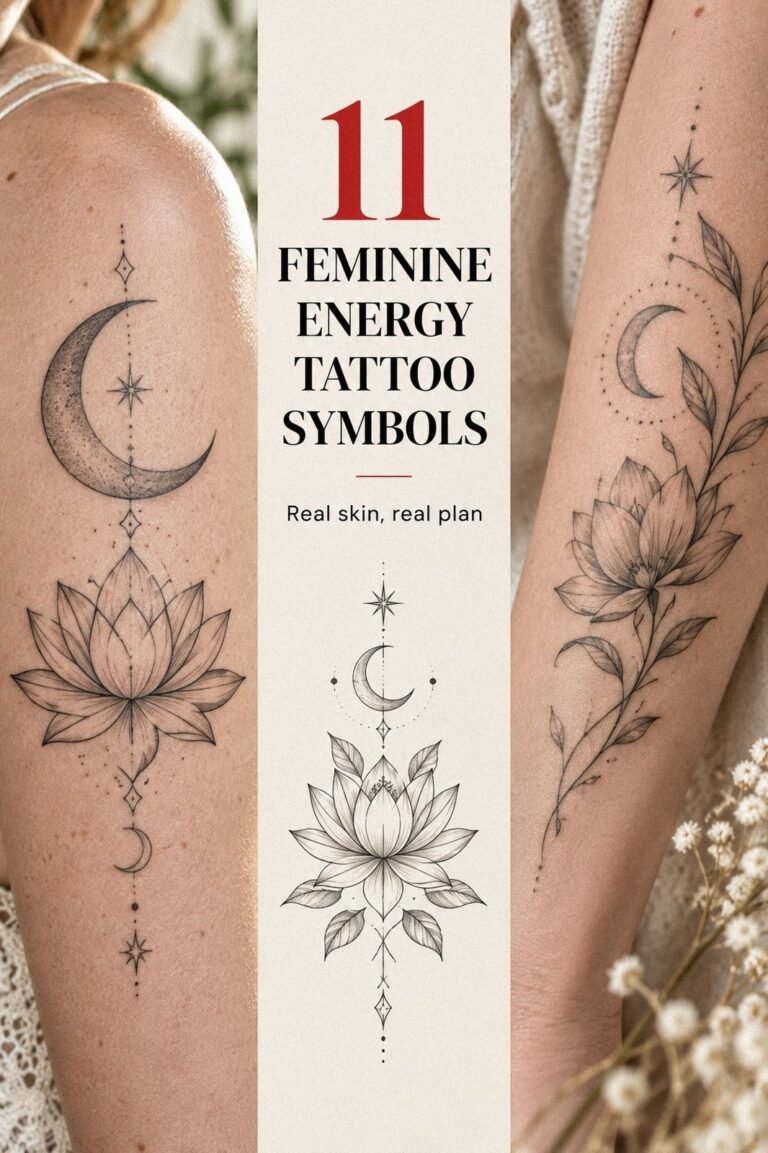
The om symbol, lotus flowers, and mandalas flow through the shop from clients exploring Buddhism, Hinduism, or simply seeking peace. I always slow these clients down. The om isn’t decoration, it’s a sacred syllable. I ask if they’ve discussed placement with a teacher, because some traditions hold that the symbol should never be below the waist. Respect matters. The lotus, rising through mud to bloom, resonates with people in recovery especially. I’ve watched grown men cry explaining why they need it.
- Cross/crucifix: sacrifice, redemption, personal faith journey
- Praying hands: devotion, grief, intercession for loved ones
- Om/Aum: universal consciousness, the sound of creation
- Lotus: spiritual awakening, resilience, purity emerging from struggle
- Mandala: cosmic order, meditation focus, wholeness
- Hamsa/Evil Eye: protection against negativity, often secularized now
- Ichthys (fish): early Christian secret symbol, reclaimed by some believers
Common Variations & Styles
Style choice shapes how these tattoos live on your skin. I’ve watched fine-line religious pieces blur into soft gray blobs after five years. I’ve watched bold traditional crosses stay crisp for decades. The shop conversation about longevity is uncomfortable but necessary.
Black and Gray Realism
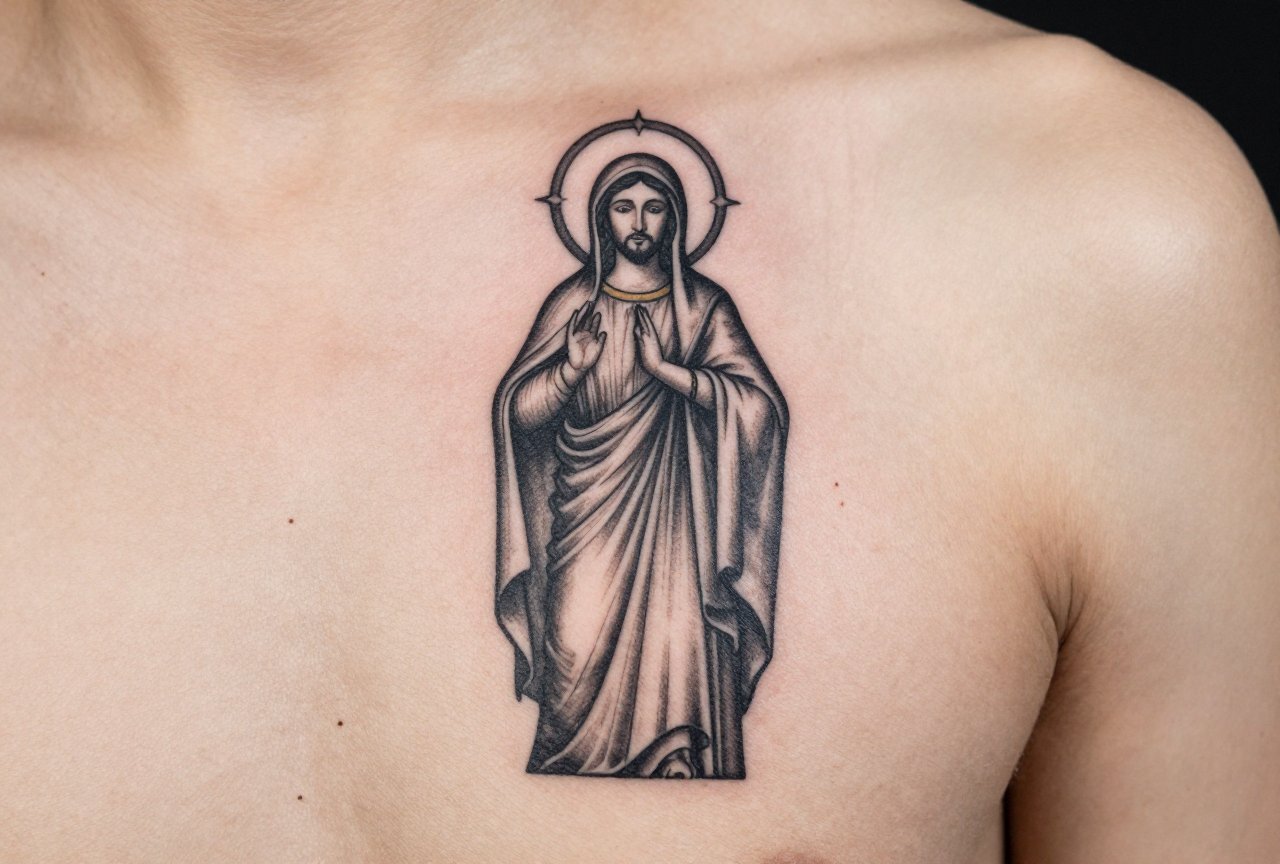
Hyper-realistic praying hands, weeping Virgins, or crucifixion scenes demand large scale and skilled hands. The shading creates depth, but it also creates risk. Small areas of solid black heal differently than smooth gradients. I’ve touched up plenty of religious portraits where the face went muddy. If you want realism, budget for a specialist and give them real estate, at least palm-sized, preferably larger.
Traditional and Neo-Traditional
Bold lines, limited color palettes, graphic readability. Traditional Christian imagery, crosses with banners, sacred hearts dripping blood, these read immediately from across a room. They age like champions. I have a sacred heart on my own leg from fifteen years ago that looks essentially unchanged. The trade-off is less subtlety, more statement.
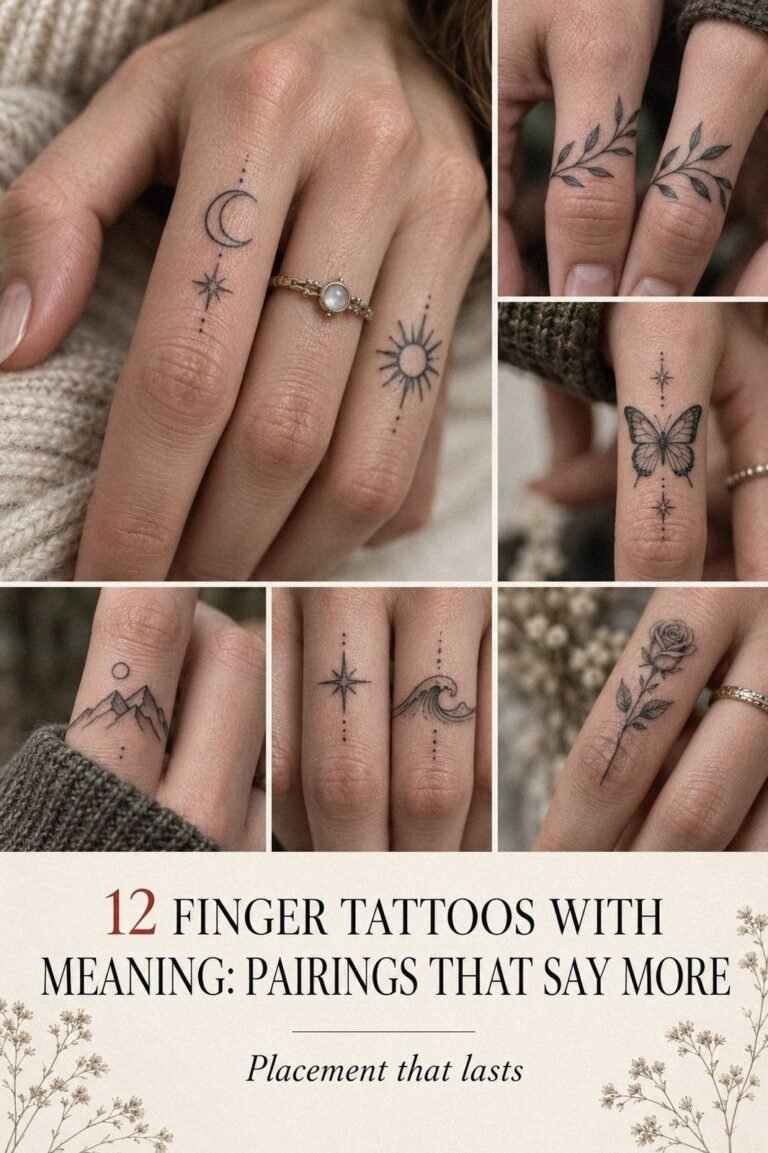
Minimalist line work exploded recently. Single-needle crosses, tiny om symbols, microscopic lotus outlines. They’re beautiful fresh. I warn every client: these will soften, some will disappear entirely. If the symbol’s meaning transcends its visibility, fine. If you need it sharp forever, go bolder than your Pinterest board suggests.
Best Placements
Placement carries its own symbolism in religious tattooing. I don’t dictate, but I do share what I’ve observed.
The chest, over the heart, remains the classic choice for crosses and sacred hearts. It hurts more than people expect, sternum skin is thin and the vibration travels through bone. But the meaning of proximity to the heart overrides the discomfort for many. I’ve had clients white-knuckle through three-hour chest pieces, never considering stopping.
Forearms function as daily reminders, visible to the wearer. I’ve tattooed rosary wraps around wrists that become touchstones during anxiety. The back of the neck, the “tramp stamp” zone for some, becomes a private altar for others. One client placed a small ichthys there, invisible to her conservative employer, known only to her and her god.
Feet and hands present problems. Hands shed ink constantly, religious symbols included. I’ve re-touched a cross on a hand three times in four years. Foot tattoos, especially for clients who wear boots for work, fade and blur from friction and moisture. I mention this. Some still choose it, wanting the pilgrimage symbolism of the foot itself.
- Chest/heart area: intimacy, keeping belief close
- Forearm: daily visibility, personal accountability
- Upper arm/shoulder: strength, protection, tradition
- Back: private devotion, hidden commitment
- Behind ear: whispered faith, personal secret
Who Chooses This Tattoo / Personal Meanings
After fifteen years, I can tell you the demographic is everyone and no one. Teenagers getting parental permission for their first cross. Seventy-year-olds finally marking a lifetime of belief. People who haven’t entered a church in decades but carry childhood faith like a scar. People who found religion in prison, in rehab, in the NICU watching a premature child fight.
I tattooed a mandala on a woman who’d left a cult. She reclaimed circular spiritual imagery, made it hers. I tattooed a Celtic cross on a man whose Irish grandfather had the same one, done in Dublin in 1962 with a homemade machine. The needle broke three times, his grandfather told him. He wanted to feel that lineage in his own skin.
The “trendy” religious tattoo exists, I won’t pretend otherwise. Celebrities flash tiny crosses, and clients arrive with screenshots. But in the chair, the conversation usually turns real. The symbol becomes a vessel. What fills it is individual grief, hope, fear, love, the whole human mess.
Similar Symbols
Clients often arrive torn between related imagery. I help them sort it.
The cross versus the crucifix: the cross is the structure, the crucifix includes Christ’s body. Catholics lean crucifix, Protestants often prefer the empty cross representing resurrection. But I’ve tattooed empty crosses on Catholics and crucifixes on people who just found the image powerful, regardless of denomination.
The hamsa and the evil eye: related but distinct. The hamsa is a hand, often containing an eye. It predates Islam and Judaism, though both traditions claim it. The evil eye alone, a blue concentric circle, is more Mediterranean folk protection. I see both on people with zero connection to their origins, which is fine, but I mention the history.
Angels versus praying hands: angels imply active divine intervention, messengers, guardians. Praying hands imply human agency, petition, humility. The choice says something about how someone relates to the divine, distant protector or intimate conversation.
Final Thoughts
Symbolic religious tattoos carry weight that outlasts the trend cycle. I’ve watched them mark recovery, commemorate loss, declare belonging, and quietly remind the wearer who they want to become. The symbol itself matters less than the meaning you pour into it, though respecting origins matters too. If you’re considering one, sit with the image before you sit in the chair. The permanence is the point. The best religious tattoos I’ve done weren’t the most technically perfect, they were the ones where the client knew exactly why they needed it, and that certainty carried through every needle pass.
Frequently Asked Questions
Will a religious tattoo affect my job prospects?
It depends on placement and industry. Visible religious symbols can create bias in conservative fields, though forearm crosses are increasingly mainstream. I always suggest clients consider their specific workplace culture before choosing exposed placement.
Can I get a religious symbol from a tradition I wasn’t born into?
This requires honest research and often conversation with practitioners. Some symbols are broadly shared, others are deeply protected. I ask clients if they’ve done that homework, and I respect artists who refuse to tattoo culturally restricted imagery.
How do I keep fine-line religious tattoos from fading?
You can’t fully prevent it. Sunscreen is non-negotiable, moisturizer helps, but fine lines will soften. I tell clients to expect touch-ups and to design with some boldness if they want longevity over delicacy.
What if I lose my faith after getting a religious tattoo?
It happens. I’ve covered crosses, modified them into other imagery, and talked with clients who keep them as markers of who they were. The tattoo documents your journey, not just your current destination.
Related Tattoo Meanings
- Equal Sign Tattoo Meaning: Love, Equality Identity
- Jackalope Tattoo Meaning: Myth, Humor, and American Folklore
- Male Tree of Life Tattoo Meaning: Roots, Growth Masculine Symbolism
- Explore more