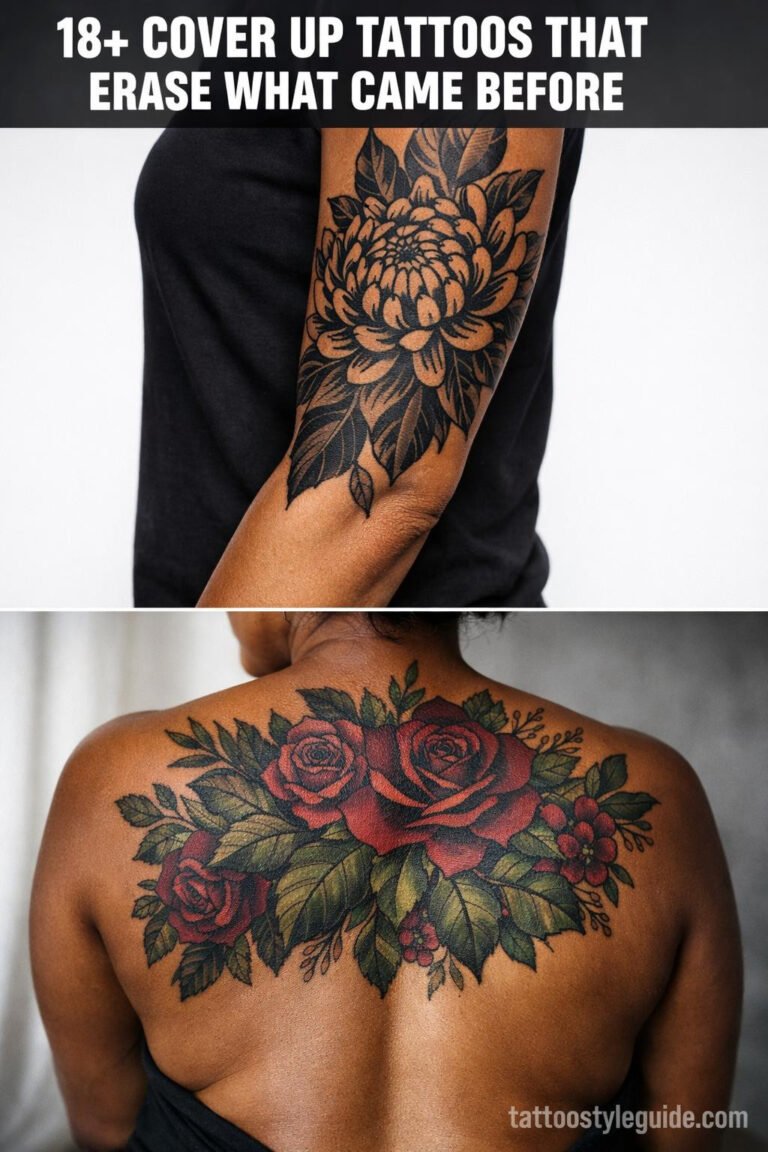
If you just got tattooed and want to donate plasma, you’ll typically need to wait four months from the date the tattoo was finished. That’s the standard deferral period at major US plasma collection centers like CSL Plasma, BioLife, and Octapharma. Some centers may accept a 12-month wait depending on state regulations or if your tattoo was done in a jurisdiction they don’t recognize as regulated. The wait isn’t about the visible healing, you could be fully scab-free and still be deferred. The concern is blood-borne pathogen exposure during the tattooing process, and plasma centers operate under FDA guidelines that err heavily on the side of caution.
Why the Four-Month Rule Exists
Blood-Borne Pathogen Risk Assessment
Plasma used for pharmaceutical manufacturing faces stricter screening than whole blood donations. The four-month window covers the incubation period for hepatitis B and C, which are the primary concerns. Unlike whole blood donation, where a 12-month deferral was once standard, plasma centers have moved to shorter waits in many states, but only where they can verify the shop operated under regulated conditions. The FDA doesn’t regulate tattoo shops directly; states and local health departments do. This patchwork of oversight creates the variation in rules you’ll encounter.
State-by-State Variation
Some states maintain lists of approved or inspected tattoo facilities. If your shop appears on that list, your deferral might be shorter. If you got tattooed in a state without such oversight, or while traveling abroad, expect the full 12-month deferral. Call your specific plasma center before making the trip. They’ll check their database or ask for documentation, shop name, address, and sometimes the artist’s license number.
- Bring your aftercare instructions or receipt; some centers accept these as proof of professional work
- Tattoos done in licensed medical facilities (radiation marker tattoos, for example) may have different rules
- Cosmetic tattooing, microblading, permanent eyeliner, usually triggers the same deferral
- Stick-and-poke or home tattoos almost always result in permanent deferral from plasma donation
How Tattoo Healing Actually Progresses
The Timeline Your Skin Follows
Understanding real healing helps explain why the plasma deferral feels excessive. Days 1-3: plasma weeps, the tattoo closes like a shallow abrasion. Days 4-14: scabbing or peeling, depending on size and placement. By week 3, the surface looks settled. But the dermis is still remodeling collagen and encapsulating ink particles. Month 2-3: the settling phase where brightness drops 10-20 percent, lines soften slightly, and the true healed appearance emerges. Month 4: stable enough that any blood-borne infection would have shown symptoms or been cleared by your immune system.
What “Healed” Means for Donation
Plasma centers don’t inspect your tattoo. They don’t care if it’s shiny or matte, raised or flat. The four-month mark is a calendar calculation, not a clinical assessment. However, donating with an actively healing tattoo is genuinely unwise, the needle insertion for plasma collection can irritate nearby skin, and your body is already allocating resources to repair the tattooed area.
- Large back pieces or full sleeves create more systemic healing demand than a small wrist tattoo
- Color packing and heavy saturation cause more trauma than fine-line work
- Areas with poor circulation (ankles, feet) heal slower than torso or upper arm placements
- Second skin or Saniderm use doesn’t accelerate the underlying dermal healing
Preparing to Donate After Your Wait
Documentation to Bring
Arrive with specifics. The center needs to confirm your tattoo was done in a regulated environment. Shop business cards, Instagram posts with geotags, or email confirmations work. Some centers want the artist’s state license number. If you can’t prove professional work, you’ll face the longer deferral or permanent exclusion. This isn’t personal, plasma derivatives go into medications for immunocompromised patients, so the screening is aggressive.
Physical Readiness
Even after four months, your body should be in good donation condition. Hydration matters more than usual if you’ve been healing recently. Eat protein-rich food the day before, plasma is protein, and your body needs reserves. Avoid alcohol for 24 hours. The tattoo itself won’t affect the donation process once healed, but the anticoagulant they return with your red blood cells can cause calcium drop symptoms (tingling lips, metallic taste) that feel worse if you’re run down.
- Wait 6 months if you experienced any infection, even minor, during healing
- Antibiotics for tattoo aftercare complications usually add deferral time beyond the medication course
- Multiple new tattoos reset the clock from the most recent one
- Tattoo removal triggers the same deferral period as getting tattooed
What Plasma Donation Involves
The process takes 45-90 minutes. They draw blood, spin off the plasma, return your red cells and platelets with saline and anticoagulant. The needle is larger than a blood draw, 16 or 17 gauge, and stays in your arm the whole session. You can donate twice in a seven-day period with at least one day between. Payment varies by center and your weight class, typically $50-$100 per donation for new donors with promotional bonuses, less for regulars.
Your tattoo’s location matters for comfort. A fresh or recently healed inner elbow tattoo sits exactly where the phlebotomy needle goes. Even after four months, scar tissue or thickened skin in that spot can make needle insertion harder. Mention it to the technician. They may switch arms or use a different vein. A fully healed forearm or shoulder tattoo won’t interfere with the process at all.
If You’re Deferred Longer Than Expected
Some donors get surprised at the center. Maybe the shop wasn’t in the approved database, or your travel tattoo falls outside their verification system. Options exist. You can appeal with documentation, health department inspection records, the shop’s business license, even a notarized statement from your artist in some cases. Success varies by center and how much effort staff want to invest.
Alternatively, consider whole blood donation, which sometimes operates under different deferral rules through the Red Cross (currently a 3-month deferral for tattoos from licensed shops in most states). You won’t be paid, but you’ll maintain donation habits and help a different supply chain. Or simply wait out the deferral and return to plasma collection afterward. The four months pass; plasma demand doesn’t diminish.
Key Takeaways
- Standard plasma deferral after tattooing: 4 months in regulated states, up to 12 months otherwise
- The wait is pathogen-based, not healing-based, your tattoo can look perfect and you’ll still be deferred
- Bring documentation of professional work; home tattoos or unverified shops mean longer or permanent deferral
- Large tattoos, complicated healing, or antibiotics can extend your personal timeline beyond the minimum
- Whole blood donation may offer a shorter deferral path if you want to donate sooner
- Once cleared, healed tattoos don’t affect the physical donation process unless they’re at the needle insertion site
Frequently Asked Questions
Does a small tattoo have a shorter deferral period than a large one?
No. Plasma centers don’t adjust wait times based on tattoo size. A single needle poke from a professional shop triggers the same 4-month deferral as a full back piece. The risk assessment is about the environment and needle exposure, not the amount of ink or skin trauma.
Can I donate plasma if my tattoo is still peeling or scabbed?
You shouldn’t, and centers will likely turn you away even if you’re technically past the deferral date. Active healing means open skin, increased infection risk, and your body needs resources for repair. Wait until all surface healing is complete before returning to donate.
Will donating plasma affect how my tattoo heals if I go back right after the deferral?
Once fully healed (4+ months), donation won’t affect the tattoo. But if you’re close to that line or had a slow-healing piece, the fluid shifts and anticoagulant can make you feel lightheaded. Your body prioritizes plasma replacement, which is generally harmless but uncomfortable if you’re not fully recovered.
Do stick-and-poke tattoos from professional studios count differently?
Hand-poked work from a licensed, inspected studio usually follows the same deferral as machine tattooing. The issue is verifiable professional environment, not technique. However, some centers are unfamiliar with hand-poke practices and may default to longer deferrals unless you provide thorough documentation of the shop’s regulation.
Related Tattoo Guides
- When Can You Get a Tattoo Wet? A Real Healing Guide
- How Long Do Airbrush Tattoos Last? A Realistic Guide
- How Long Does a New Tattoo Itch? A Real Healing Timeline
- Explore more