
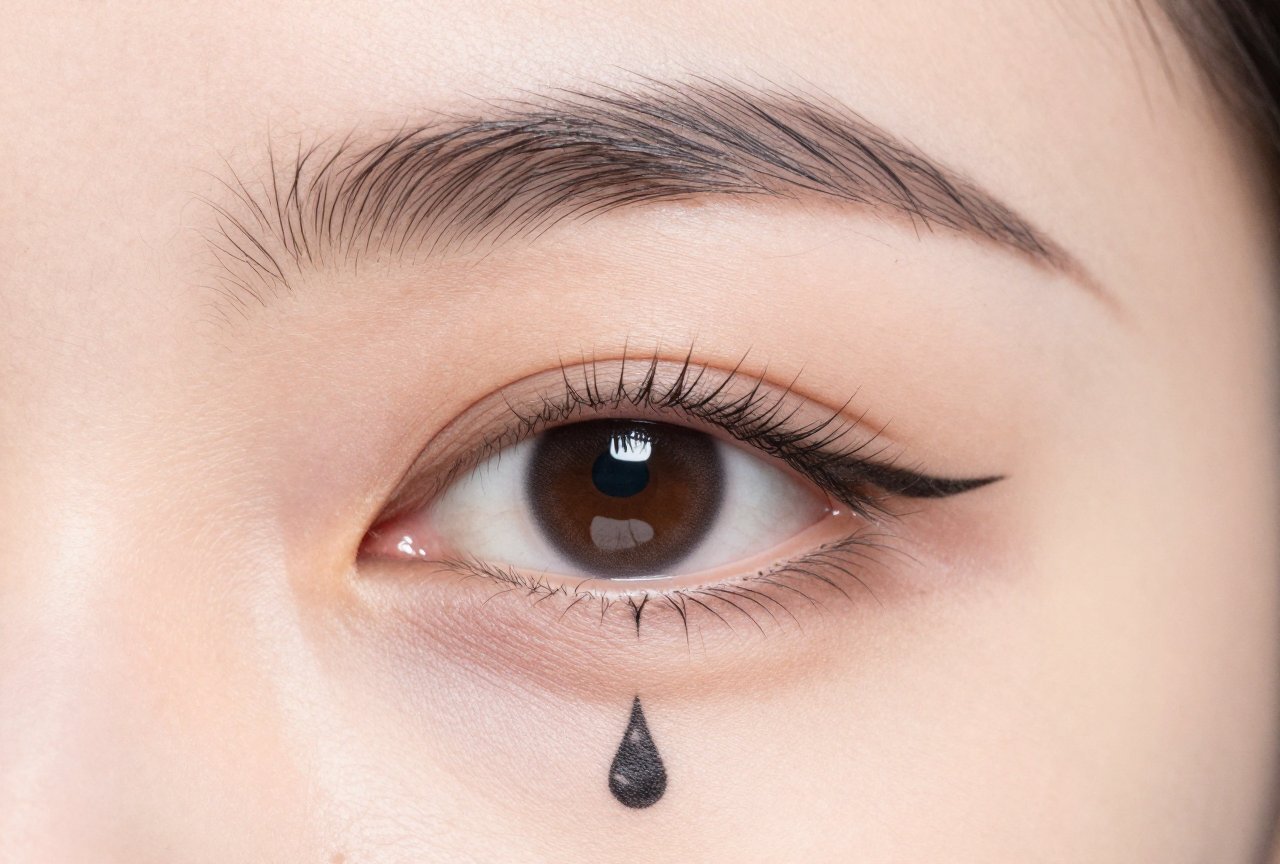
The tear drop tattoo under the left eye is one of the most recognizable and emotionally charged designs in tattoo culture. While many people associate it with criminal backgrounds or prison history, its meaning has broadened significantly over decades. Today, the left eye placement specifically can symbolize personal loss, mourning for a loved one, survival through hardship, or a powerful life experience. The symbolism varies enormously based on context, geography, and the individual wearer’s story.
Symbolism & History
The tear drop’s origins trace back to mid-20th century American prison culture, where it initially signified time served, loss of fellow inmates, or acts committed inside. The left eye placement specifically developed distinct regional interpretations. In some communities, the left side became associated with personal grief rather than outward violence, a subtle but meaningful distinction from right-side placement traditions.
Outside prison contexts, the symbol evolved through Chicano art movements, hip-hop culture, and mainstream tattooing into something more nuanced. Modern wearers often choose the left eye specifically to represent:
- Mourning a deceased family member, partner, or close friend
- Surviving a period of intense personal struggle or addiction
- Marking a significant life transformation or “rebirth”
- Honoring cultural heritage where left-side symbolism carries spiritual weight
The tattoo’s controversial reputation means many artists discuss placement and intent thoroughly with clients before proceeding. Responsible tattooers recognize the design’s loaded history and help wearers understand potential social perceptions.
Common Variations & Styles
Artistic interpretation dramatically affects how the tear drop reads visually and symbolically. The simplest form, a solid black filled teardrop, maintains the strongest connection to traditional meanings. However, contemporary variations have expanded the design’s expressive range.
Popular stylistic approaches include:
- Outlined or hollow teardrops, suggesting ongoing grief rather than resolved loss
- Multiple small drops cascading downward, representing cumulative losses or layered hardships
- Red ink accents or entirely red teardrops, symbolizing blood ties, family sacrifice, or intense emotional wounds
- Geometric or dot-work styling that abstracts the traditional shape for a more contemporary aesthetic
- Integration with surrounding imagery like roses, clocks, or names that contextualize the specific loss
Size matters significantly in this placement. A delicate, finely lined drop reads differently than a bold, heavily saturated design. Many artists recommend smaller sizing for first-time facial tattoos, allowing future expansion if desired.
Best Placements
While the keyword specifies left eye placement, understanding surrounding options helps contextualize this choice. The classic position sits directly beneath the outer corner of the eye, following the natural contour where tears would fall. Some wearers extend the placement slightly downward toward the cheekbone for subtlety.
Alternative placements that carry related symbolism include:
- Behind the left ear, a more concealable location with similar personal significance
- On the left side of the neck, connecting facial emotion to vocal expression or “speaking truth” about hardship
- Inner left wrist or forearm, visible to the wearer as personal reminder rather than public statement
- As part of a larger left-sided composition incorporating portraits, dates, or memorial elements
Facial tattoos require particular consideration regarding professional implications, social judgment, and the permanence of highly visible placement. The left eye position specifically draws immediate attention during conversation, making it impossible to conceal without makeup or strategic positioning.
Who Chooses This Tattoo / Personal Meanings
Contemporary wearers of left eye tear drops represent remarkably diverse backgrounds. Military veterans sometimes choose the design memorializing fallen comrades, particularly those from units with tattoo traditions. Survivors of violent crime or domestic abuse have adopted the symbol as marks of endurance rather than perpetration.
Common personal narratives include:
- Parents mourning children, especially in stillbirth or infant loss communities where the tattoo serves as permanent acknowledgment of brief lives
- Former gang members or incarcerated individuals documenting reformed identity while acknowledging past experiences
- Artists and musicians referencing the symbol’s cultural presence in their creative communities
- Individuals marking “the last tear” after resolving to leave behind destructive relationships or behaviors
The left eye specifically sometimes connects to spiritual beliefs about the left side representing receptivity, emotion, or the feminine in certain traditions, though these associations vary widely by individual belief system.
Similar Symbols
Tattoo enthusiasts considering tear drop imagery often explore related symbols that communicate comparable themes without identical social baggage. Understanding alternatives helps informed decision-making.
Comparable memorial and resilience designs include:
- Single raindrops or water droplets, abstracting the grief association while maintaining visual similarity
- Broken chains or birds in flight, representing liberation from hardship rather than dwelling within it
- Semicolon tattoos, widely recognized in mental health communities for survival and continuation
- Hourglasses with specific dates, more explicitly memorializing time and loss
- Phoenix imagery, emphasizing rebirth and transformation over mourning
Some artists create custom hybrid designs incorporating teardrop shapes with personal symbols, allowing wearers to reference traditional imagery while clearly distinguishing their individual narrative.
Final Thoughts
The tear drop under the left eye remains powerful precisely because its meaning resists simple definition. Context, execution, and the wearer’s own story ultimately determine whether observers see tragedy, resilience, or something entirely personal. Anyone considering this tattoo should research thoroughly, consult experienced artists familiar with facial work, and reflect honestly on their motivations. The most successful tear drop tattoos come from places of genuine emotional significance rather than trend or aesthetic imitation. When chosen with intention, this small mark carries extraordinary weight.
Related Tattoo Meanings
- Tears Tattoo Meaning: Symbolism, History Variations
- Cobwebs Elbow Tattoo Meaning: Symbolism Style Guide
- Blueface New Face Tattoo Meaning: Ink, Identity, and Street Culture
- Explore all tattoo symbol meanings









