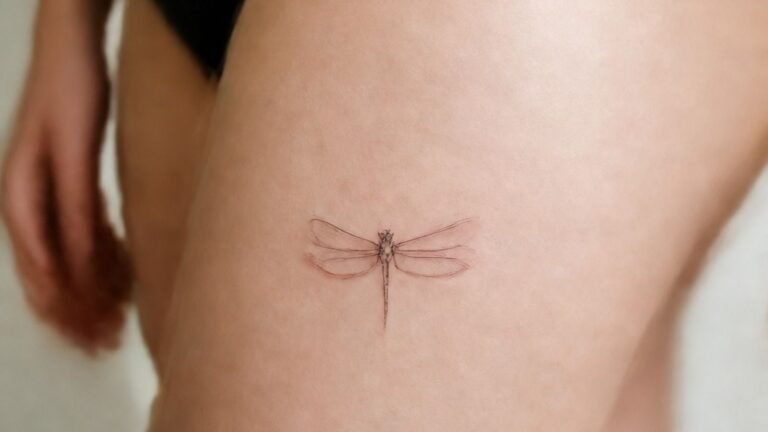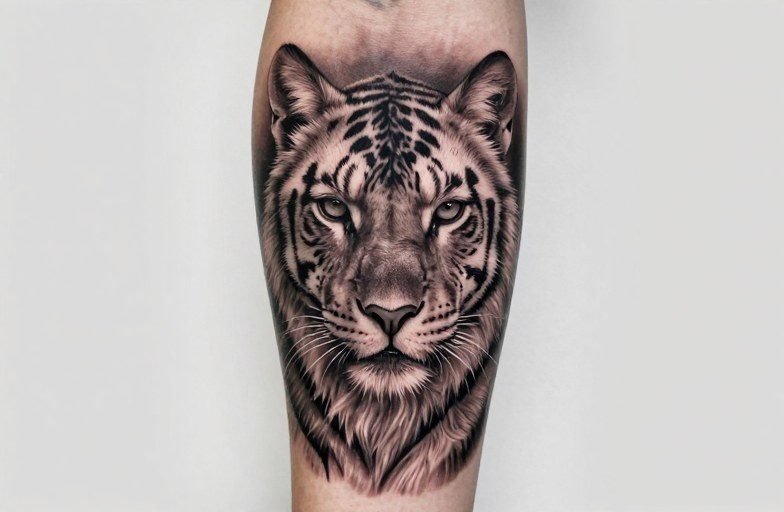
Ultra realistic tattooing aims to reproduce photographic detail on skin, portraits, animals, objects, or scenes rendered with smooth gradients, accurate anatomy, and the illusion of three-dimensional depth. Unlike illustrative or traditional styles that simplify forms into bold lines and flat color, this approach hides the medium. You should not see individual strokes or outlines; the image should read as continuous tone, like a photograph transferred to the body. Achieving this requires specific technical knowledge, equipment, and an understanding of how human skin differs from canvas or paper.
Origins & History
The style emerged from portrait tattooing’s evolution in the late 20th century, as artists began applying airbrush and fine-art shading techniques to skin. Early realism often leaned on heavy black and grey, borrowing from Chicano black-and-grey traditions that prioritized smooth gradation. The shift toward full-color photo replication accelerated with the refinement of coil and rotary machines capable of softer saturation, alongside the proliferation of reference photography in the digital age.
From Black and Grey to Full Color
Black and grey realism established the foundational vocabulary, soft shading, whip shading, and the elimination of hard outlines. Color realism built on this by adding layered saturation and temperature variation. Some trace the full-color branch to European artists in the 1990s who adapted oil painting techniques, though multiple regional scenes developed parallel approaches. The style is now commonly associated with artists who specialize in single subjects rendered at large scale: faces, animals, or mechanical objects.
Linework & Technique
Ultra realistic work deliberately minimizes visible linework. Where traditional tattoos use outlines to contain color, realism relies on implied edges created through contrast between adjacent tones. When lines do appear, eyelashes, hair strands, fine mechanical details, they are typically single-pass, thin, and precise, often executed with needle groupings of 3RL or smaller.
Needle Choice and Saturation
- Soft shading: Magnum shaders (curved or flat) laid in smooth, overlapping passes build gradients without visible steps.
- Detail work: Single needles or tight round liners add texture, pores, hair, or weathering effects.
- Color packing: Multiple passes at consistent depth prevent mottling; rushing this produces patchy, aged results.
Skin as a Limiting Factor
Skin is not paper. It has thickness, elasticity, and a living surface that sheds. Ink spreads slightly in the dermis, this bleed is minimal with proper depth but unavoidable. Realistic artists compensate by planning for slight diffusion: details cluster tighter than in the reference, contrast is pushed slightly harder, and highlights are often left as negative space or very light grey rather than pure white (which rarely holds long-term).
Color vs Black and Grey
Both approaches demand technical precision but age differently and suit different subjects.
Black and Grey Realism
Graphite tones, charcoal effects, and the full value range from pitch black to skin tone define this branch. It ages more predictably than color, black ink fades to softer grey rather than shifting hue. Portraits of older subjects, noir imagery, and anatomical studies often benefit from this restraint. The limitation is warmth: without red, yellow, or orange, skin can look cold or dead if values are not carefully balanced.
Color Realism
Full-color pieces require understanding temperature and complementary relationships. Warm light sources need cool shadows; skin tones contain surprising greens and purples in reflected light. Color realism demands more sessions, more ink load, and typically more maintenance. Bold reds and yellows are particularly prone to fading or migration. The payoff is immediacy, a fresh color portrait can be startlingly photographic.
Who It Suits
Not every collector or placement suits this style. The work demands space: a photorealistic eye the size of a quarter will dissolve into grey mush within years. Ideal candidates have:
- Flat, stable skin: The upper outer arm, thigh, calf, and back provide the most predictable surfaces. Ribs, inner bicep, and joints move too much and distort the image.
- Realistic expectations: Skin cannot replicate a 4K photograph. Viewing distance matters, these pieces are designed to be seen from 18-24 inches, not inspected under magnification.
- Commitment to scale: A portrait smaller than a softball rarely achieves convincing detail. Most successful pieces span palm-sized minimum, often much larger.
Skin tone affects outcome significantly. Darker skin requires adjusted value ranges; highlights must be brighter, shadows deeper, and the overall contrast increased. Not all artists work comfortably across all skin tones, this is a valid question to ask during consultation.
Common Mistakes to Avoid
Collectors and newer artists both make predictable errors with this style.
Reference Dependency Without Adaptation
Tracing a photograph directly onto skin ignores how form curves over muscle and bone. A face flattened to a forearm will look distorted when the arm moves. Good artists redraw references to account for body geometry, sometimes splitting a face across a shoulder where the natural break follows anatomy.
Overworking the Skin
Realism tempts artists to keep refining, adding passes until the skin is saturated or damaged. Overworked skin heals raised, shiny, or scarred, permanently compromising the image. Knowing when to stop, when the next session will serve the piece better than ten more minutes, separates competent from masterful work.
Ignoring Long-Term Aging
White highlights brighten fresh work but often yellow or disappear. Fine details, pores, subtle freckles, distant background texture, blur together over 5-10 years. Planning for this means structuring the image so it remains readable even as sharpness degrades: strong value structure survives when detail does not.
Aftercare Notes
Realistic tattoos, particularly color pieces with heavy ink load, require disciplined aftercare. The saturated skin has experienced more trauma than a simple line piece.
- First 48 hours: Keep clean, avoid soaking, and follow your artist’s specific instructions. Plasma and excess ink need gentle removal without scrubbing.
- Moisture balance: Too dry leads to scabbing and color loss; too wet macerates and breeds bacteria. Thin layers of recommended ointment, applied when the skin feels tight, not on a schedule.
- Sun avoidance: UV degrades ink rapidly. Fresh work must stay covered; healed work needs SPF 50+ applied consistently. Black and grey pieces are somewhat more forgiving, but color realism without sun protection fades unevenly and disappointingly.
- Touch-ups: Most realistic pieces benefit from a single touch-up session after full healing (6-8 weeks). This addresses areas that settled lighter and refines details that healed imperfectly.
Healing typically takes 2-3 weeks for surface closure, 2-3 months for full settling. The image will look dull and slightly cloudy during this period, this is normal, not failure.
The Bottom Line
Ultra realistic tattooing is technically demanding, visually striking, and unforgiving of shortcuts. It rewards collectors who research artists thoroughly, commit to proper scale and placement, and maintain realistic expectations about what skin can hold. The best pieces result from genuine collaboration: a skilled artist who understands adaptation, a reference that suits the medium, and a collector willing to care for the work through healing and beyond. Choose an artist whose healed portfolio matches their fresh photos. Ask about their approach to aging. The photograph on your skin will not last forever, but strong structure, proper saturation, and intelligent design will keep it compelling for years.
Frequently Asked Questions
How long does an ultra realistic tattoo take to complete?
Most pieces require multiple sessions of 3-6 hours each. A palm-sized portrait might take 8-12 hours total; a full sleeve in this style can exceed 40 hours across months. Large color work is often split to allow healing between sessions.
Why do some realistic tattoos look blurry after healing?
Ink spreads slightly in the dermis, and fine details placed too close together merge during healing. Artists compensate by spacing detail appropriately, but aggressive sun exposure, poor aftercare, or simply too-small scale will accelerate this blurring.
Can any tattoo be covered up with realistic work?
Realism is actually difficult for cover-ups because it relies on light tones and negative space. Dark existing tattoos usually require significant laser fading first, or the artist must design around and incorporate the old ink into shadows.
How do I find an artist who actually specializes in this style?
Request healed photos from 1+ years prior, not just fresh work. Look for consistent smooth gradients, accurate anatomy, and evidence they work at sufficient scale. Social media often shows only fresh, filtered images, ask to see healed results in person if possible.
Related Style Guides
- How to Choose Fine Line Tattoos That Heal Clean and Stay Crisp
- Finger Word Tattoo Ideas
- Small Butterfly Tattoos for Women: Ideas Placement
- Explore more