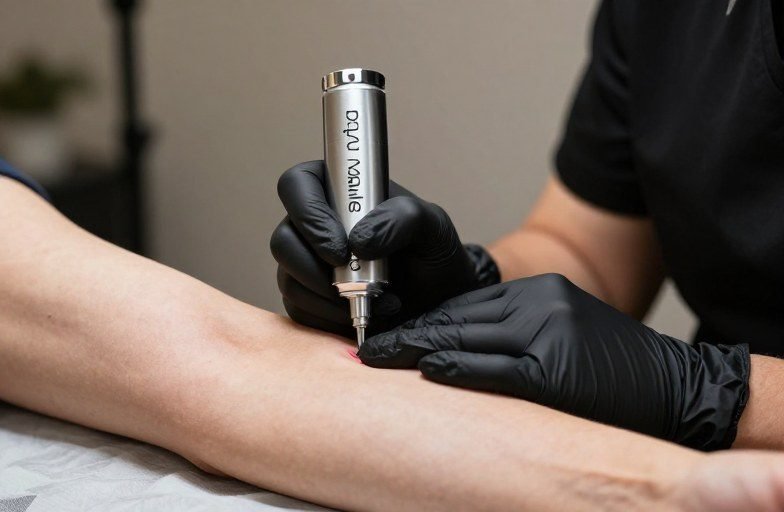
A tattoo is fully healed when every layer of skin that received ink has completed its repair cycle, typically three to six months from the needle, though the surface looks normal far sooner. The outer layer, what you can see and touch, usually calms down within two to four weeks. Beneath that, the dermis is still locking ink into place, rebuilding collagen, and settling into its final color and texture.
Aftercare Essentials
How you treat a fresh tattoo in the first two weeks shapes how it heals and how it looks at five years. The goal is simple: keep it clean, keep it lightly moisturized, and keep it out of situations that damage new tissue.
The First 48 Hours
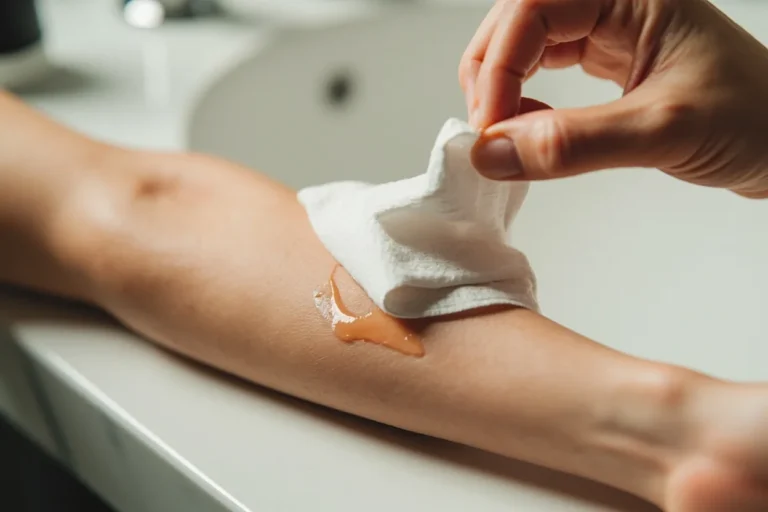
Your artist will bandage the tattoo before you leave. Leave that covering on for the time they specify, usually a few hours to overnight. Once removed, wash gently with unscented soap and lukewarm water. Pat dry; don’t rub. Apply a thin layer of recommended ointment or fragrance-free lotion. Thick layers suffocate the skin and breed bacteria.
- Wash hands before touching the tattoo
- Use clean paper towels, not bathroom towels with lingering bacteria
- Wear loose, breathable clothing over the area
- Sleep on clean sheets; avoid letting pets near the fresh ink
Days Three Through Fourteen
Peeling and light flaking start around day three or four. This is normal. Do not pick, scratch, or exfoliate. Let the dead skin fall away naturally. The tattoo may look dull or cloudy under this layer, this is not the final result. Continue light moisturizing; switch to lotion once the initial ointment phase passes. Keep showers brief and avoid submerging the tattoo in baths, pools, or hot tubs until the surface is fully intact.
Common Mistakes
Most healing problems come from doing too much, not too little.
Over-Moisturizing and Trapping Moisture
Slathering on product creates a wet environment where bacteria thrive. The tattoo should never feel soggy. If it’s glossy or tacky hours after application, you’re using too much. A whisper-thin layer that absorbs within minutes is the target.
Early Sun Exposure and Submersion
UV light damages fresh ink and healing skin alike. A sunburn on a new tattoo can blister and distort lines. Submerging in water, especially communal water, introduces infection risk and softens the forming scab. Wait until all peeling has finished and the surface feels like normal skin again.
- Skipping aftercare because the tattoo “looks fine” by day two
- Working out and letting sweat pool on the area
- Letting clothing rub repeatedly against the tattoo (think waistbands, bra straps, socks)
- Using petroleum jelly for the entire healing period, it blocks air exchange
When to See a Professional
Some reactions mean you need a doctor, not more lotion.
Infection Warning Signs
Spreading redness, warmth that increases after day three, yellow or green discharge, red streaks radiating from the tattoo, or fever all indicate infection. These symptoms warrant prompt medical attention. Don’t wait to see if they resolve.
Allergic Reactions to Ink
Itchy, raised bumps confined to specific colors, especially reds and yellows, suggest ink allergy. This can appear weeks or even months after healing. A dermatologist can confirm and treat; your artist can note the pigment batch for future reference.
Contact your artist first for routine concerns like patchy healing or mild irritation. They know how their work heals and can distinguish normal settling from genuine problems. Go to a clinician for signs of infection or systemic symptoms.
The Direct Answer
Surface healing: two to four weeks. The tattoo stops being an open wound, peeling ends, and you can resume normal activity with care. Deep healing: three to six months. The dermis has fully incorporated the ink, collagen remodeling is complete, and the true final color and sharpness are visible.
What “Fully Healed” Actually Means
A healed tattoo has no more sensitivity, no remaining texture differences, and stable color that won’t change significantly with further time. The skin moves and stretches normally. You can sun-expose with SPF, swim freely, and exfoliate the area without risking the ink.
Why the Range Is So Wide
Size, location, your immune system, and aftercare quality all shift the timeline. A small line tattoo on your forearm heals faster than a densely shaded piece on your ankle, where circulation is weaker and friction from shoes is constant. Older skin heals more slowly. Smokers often see delayed healing due to reduced oxygen delivery.
Pain & Comfort
Fresh tattoo pain is sharpest in the first hours, then settles into a dull, sunburn-like ache. By day three or four, discomfort should trend downward. Lingering or increasing pain after this point deserves attention.
Placement and Sensation
Ribs, feet, hands, and inner thighs hurt more during the session and often feel tender longer afterward. Areas with more muscle and fat, outer arm, calf, upper back, tend to calm faster. Joint areas take extra abuse from movement, which can reopen healing tissue and extend discomfort.
Itching: The Real Test
Itching peaks during peeling and can resurface briefly at week three or four. This is nerve regeneration and skin tightening, not necessarily dryness. Slapping the area lightly or pressing a cool, clean cloth against it beats scratching. Breaking the skin with nails introduces bacteria and can pull out ink, leaving visible gaps.
Healing Timeline
Knowing what to expect each week prevents panic and poor decisions.
Week by Week
Days 1-3: The tattoo weeps plasma and ink. It’s tender, slightly swollen, and needs protection. Redness and warmth are normal.
Days 4-7: Peeling begins. Colors look muted under translucent skin. Mild itching starts. The surface feels tight.
Weeks 2-3: Peeling finishes. The tattoo looks cloudy or milky, this is the new epidermis forming over the ink. It will clear.
Weeks 4-6: Surface appears normal. You can ease back into full activity, but the deeper layers are still stabilizing.
Months 3-6: Full healing complete. Color saturation reaches its final state. Any touch-ups should happen after this point, not before.
Touch-Ups and Settling
Most artists include one touch-up in their pricing, but timing matters. Booking at four weeks is premature, ink can still drop out or shift after that. Three months is the safer minimum. Areas that see heavy friction or sun may need more frequent refreshment over the years.
What to Remember
Healing is not a race. The two-week mark is when most people relax; it’s also when complacency causes problems. A tattoo that looks healed rarely is. Protect it from sun for life, UV radiation fades and blurs ink regardless of age. Moisturize the area regularly even after healing; healthy skin holds color better. If something seems wrong, trust your instincts and ask your artist or a clinician. The time you invest in proper healing pays out over decades in color that stays true and lines that stay crisp.
Frequently Asked Questions
Can I work out while my tattoo is healing?
Light activity is fine after a few days, but avoid anything that stretches the skin heavily, causes friction against the tattoo, or lets sweat pool on it for long periods. Gyms are also full of bacteria you don’t want near fresh ink.
Why does my tattoo look cloudy after peeling?
That’s the new epidermis forming over your ink. It takes several more weeks to fully clarify and reveal the true color beneath. Be patient and keep moisturizing lightly.
Is it normal for my tattoo to still itch at week four?
Yes, occasional itching can persist as deeper nerves regenerate. It should be mild and decreasing. Intense or spreading itching, especially with raised bumps, could indicate an allergy or infection.
How do I know if I need a touch-up?
Wait at least three months before deciding. Some spots naturally heal lighter, especially where ink sat in thinner skin or saw more friction. Your artist can assess what needs reinforcement once everything has fully settled.
Related Tattoo Guides
- Why Your Tattoo Still Hurts After 3 Days
- Why Your Tattoo Looks Faded After Peeling
- Do Colored Tattoos Fade? What to Actually Expect
- Explore more