Yes, colored tattoos fade. Every tattoo fades. But color work doesn’t automatically turn into a washed-out mess, and black ink isn’t immortal either. The difference in how fast different colors break down, where they hold up best, and what you can realistically do about it, that’s what actually matters when you’re deciding between a bold color piece and something monochrome.
How Different Colors Age
Not all pigments are created equal. The molecular structure of each color determines how it interacts with your immune system and how much light it absorbs.
Black and Gray
Carbon-based black ink is the most stable pigment used in tattooing. It sits cleanly in the dermis and reflects minimal light, which means less photodegradation. Gray wash, black diluted with distilled water or mixing solution, fades more uniformly than color, often softening into a vintage photograph look rather than blotchiness.
Reds and Yellows
Red pigments, particularly naphthol and cadmium-based reds, have improved dramatically over the past two decades. Modern organic reds hold reasonably well. Yellow is the most notorious fader, lighter, more translucent, and prone to looking muddy as surrounding black lines soften. Bright yellow needs to be packed in solid; watercolor-style yellow washes disappear fastest.
Blues, Greens, and Purples
Phthalo blue and green are workhorses. They outlast most warm tones. Purple sits in the middle, some formulations shift toward blue or brown as they age, depending on the specific pigment blend. White ink is technically a pigment, not a color, and it yellows or disappears entirely within a few years on most skin tones.
Neons and Pastels
UV-reactive and neon inks are gimmicks. They fade unpredictably, often contain additives that don’t meet standard cosmetic safety regulations, and most reputable artists won’t touch them. Pastel tattoos, light pink, lavender, mint, require dense saturation to read as anything other than skin tone after healing. They demand touch-ups.
Placement Makes or Breaks Color
Where you put the tattoo matters more than most people realize. Friction, sun exposure, and skin turnover vary dramatically across the body.
- Upper arms and outer thighs: Protected from direct sun when you’re wearing short sleeves, moderate friction. Color holds well here for years.
- Hands, fingers, and feet: Constant cell turnover, frequent washing, sun exposure, and abrasion. Color fades fast; many artists won’t do color finger tattoos at all.
- Chest and sternum: Thin skin, lots of movement from breathing, often sun-exposed in V-necks. Color softens noticeably within 3-5 years.
- Ribs and stomach: Stretching from weight fluctuation, less sun, but skin texture changes. Color holds if the saturation is heavy enough.
- Calves and shins: Lower legs get sun. Color tattoos here need committed SPF use or they’ll dull within a decade.
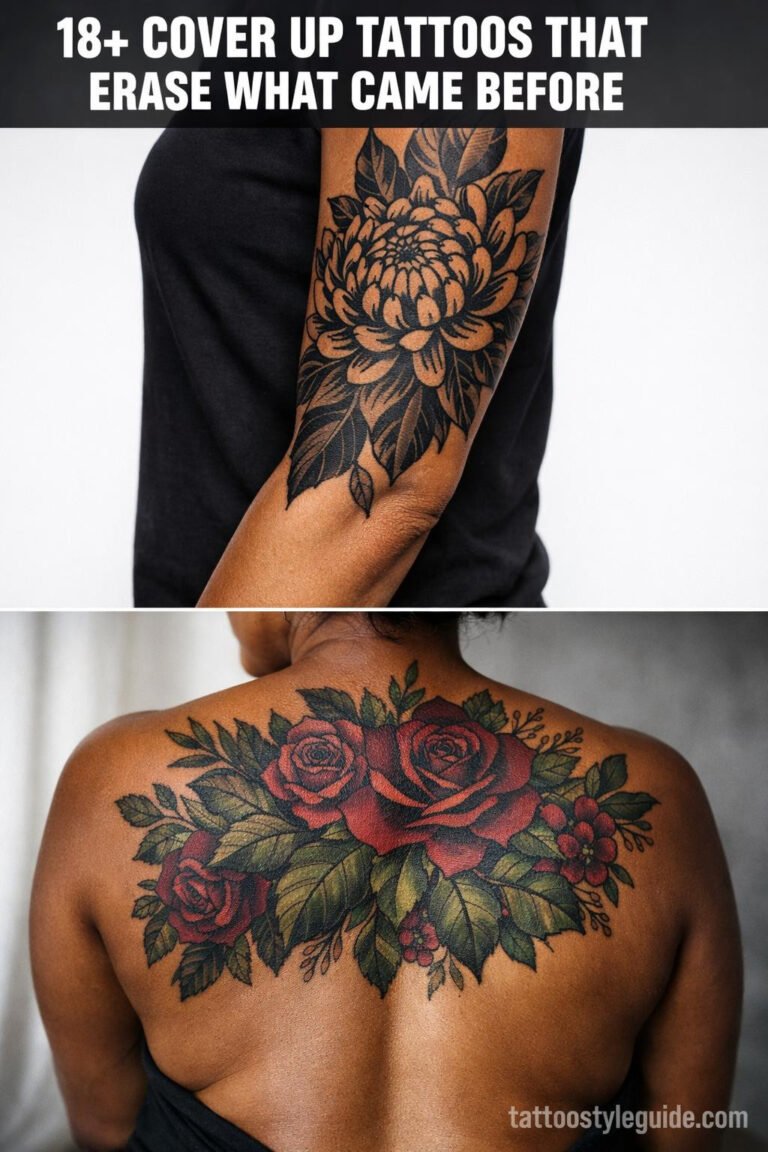
Inner bicep and upper back, areas that rarely see sun and don’t rub against clothing, are the safest bets for long-term color vibrancy.
The Role of Artist Technique
A color tattoo’s longevity starts in the session. Under-saturated color looks bright during healing because of plasma and ink sitting in the epidermis. Once that sheds, what’s left in the dermis determines the real result.
Proper saturation means consistent needle depth, steady hand speed, and enough passes to pack pigment without overworking the skin. Overworked skin scars, and scarred tattoo skin doesn’t hold color evenly. An experienced artist knows the difference between “looks good fresh” and “will look good healed.”
Line work matters too. Black outlines create boundaries that keep adjacent colors from bleeding together as they age. Traditional Japanese and American styles use bold outlines precisely for this structural reason. Watercolor and illustrative styles without outlines age differently, softer, more impressionistic, sometimes blurrier.
Sun Exposure: The Actual Enemy
UV radiation breaks down pigment particles. Your immune system then flushes the fragmented bits. This happens to black ink too, just slower.
There’s no negotiating with this. A color tattoo on someone who tans regularly without protection will look five years older than the same tattoo on someone who uses SPF 50 or keeps it covered. Window glass blocks UVB but not UVA, so indoor sun exposure near windows still counts.
Physical barriers, clothing, tattoo sleeves for athletes, outperform sunscreen for protection, but mineral-based sunscreens with zinc oxide are the best chemical option. Reapply every two hours of actual sun exposure.
Healing and Aftercare Reality
The first two weeks set the trajectory. Scabbing pulls ink out with it. Picking scabs is the fastest way to create patchy, faded spots that need touch-ups.
Moisture balance is key: too dry, skin cracks and ink falls out; too wet, maceration breeds bacteria and poor ink retention. Most artists recommend washing gently with unscented soap, patting dry, and applying a thin layer of recommended aftercare product, typically for 2-3 weeks, not until it’s “healed enough.”
Submerging in pools, hot tubs, or oceans during healing risks infection and color loss. Sweating heavily through fresh tattoos can push ink out too. Plan the timing of color work around your training schedule or vacation.
Touch-Ups: When and Why
Most color tattoos benefit from a touch-up at 1-3 years, depending on the factors above. This isn’t a failure, it’s maintenance. Black linework might go 5-10 years before needing refreshment.
Some artists include a free touch-up within six months to a year; others charge full rate. Clarify this before booking. Heavily faded pieces may need more than simple reinforcement, relining, reshading, or partial redesign might be necessary.
Skin changes over decades. A color tattoo at 25 will sit differently at 55. Touch-ups on older skin require different needle configurations and more conservative approaches. Not every faded tattoo can be restored to original brightness.
Key Takeaways
- All tattoos fade. Color fades faster than black, but the gap narrows with modern pigments and proper care.
- Yellow and white fade fastest; blue, green, and black hold longest.
- Sun protection is the single most effective way to preserve color vibrancy over years.
- Placement on low-friction, low-sun areas extends color life significantly.
- Artist saturation technique determines whether a color tattoo looks good for two years or twenty.
- Expect at least one touch-up in a color tattoo’s lifetime; budget for it.
Frequently Asked Questions
Will my color tattoo look bad in 10 years?
Not necessarily. A well-saturated color tattoo on a protected area with consistent sun care can still look solid at 10 years. It won’t look brand new, but it won’t be embarrassing either. Placement and aftercare matter more than the color itself.
Is it worth getting a color tattoo if I work outdoors?
You can, but you’ll need to be disciplined about covering it or using high-SPF mineral sunscreen. Outdoor workers often gravitate toward black and gray for lower maintenance, or choose placements that stay under clothing.
Why did my yellow tattoo basically disappear?
Yellow has the least pigment density and the highest light reflection. It needs to be packed heavily to survive healing, and even then it fades faster than darker colors. Many artists use golden yellow or orange undertones to give it more staying power.
Can a faded color tattoo be fixed with one touch-up session?
Usually, if the fading is even and the original line work is intact. Patchy or scarred areas need more attention. Very old or poorly applied color might need multiple sessions or partial redesign to look cohesive again.
Related Tattoo Guides
- Do Tattoo Removal Creams Actually Work? A Realistic Guide
- Do Tattoo Removal Scars Go Away? What to Actually Expect
- Does a Sternum Tattoo Hurt? Pain Levels, Placement What to Expect
- Explore more