
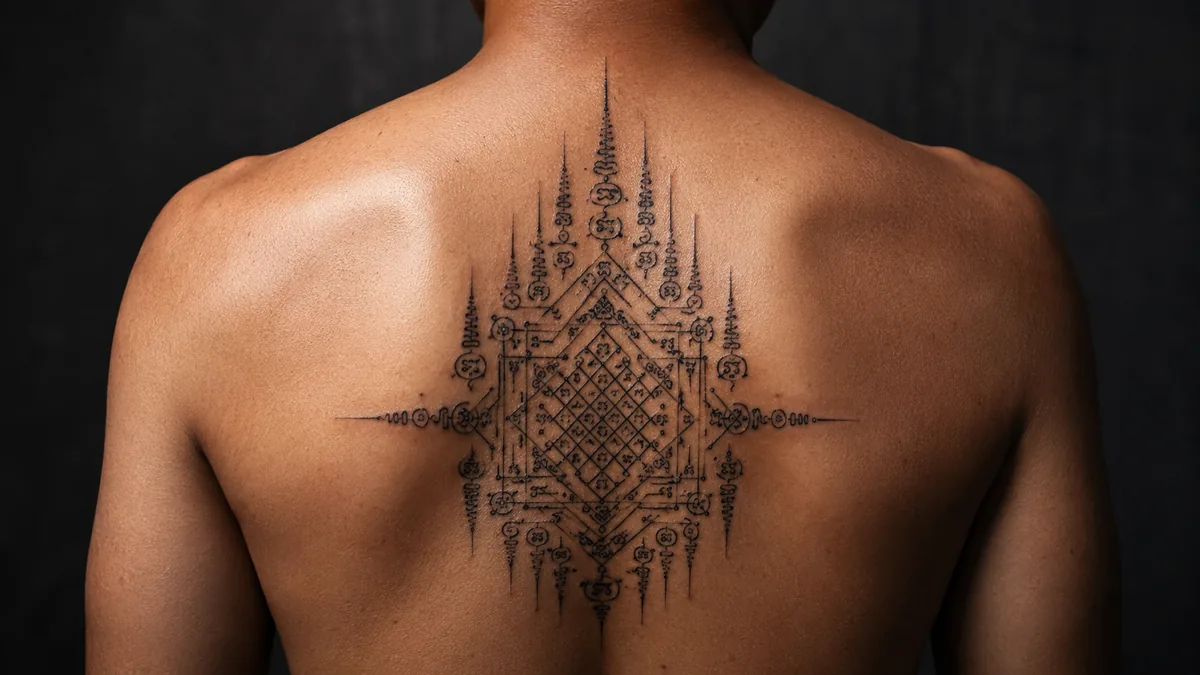
Yant tattoos, sometimes called Sak Yant, are sacred geometric designs rooted in Southeast Asian Theravada Buddhism and Hindu-animist traditions. They’re not decorative patterns someone made up. They carry real spiritual weight, specific protective meanings, and centuries of ritual behind them.
If you’re thinking about getting one, you need to understand what you’re putting on your body. These aren’t just cool-looking shapes. Each design has a name, a purpose, a blessing tied to it. That’s worth knowing before you sit down in the chair.
What Yant Actually Means
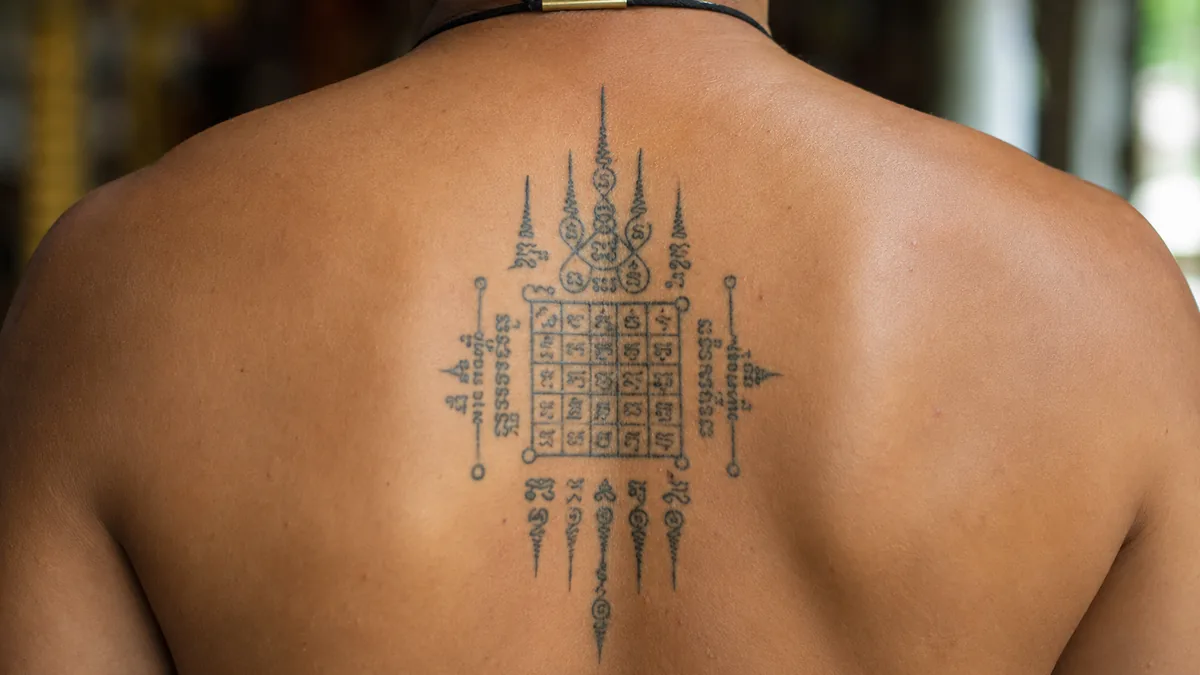
The word ‘yant’ comes from the Sanskrit ‘yantra,’ meaning a sacred instrument or geometric tool used in spiritual practice. In Thai, Khmer, Lao, and Burmese traditions, yant are ritual diagrams believed to hold magical and protective power. They’re not just symbols. They’re active containers for blessings, written prayers, and specific spiritual intentions.
Each yant is composed of sacred geometric shapes, Buddhist prayers written in ancient Khmer or Pali script, and numerological sequences. The combination isn’t random. A monk or a trained Sak Yant master (called an Ajarn) designs them to serve a specific purpose: protection, luck, love, strength, or power over enemies. The meaning lives inside the geometry itself.
The Cultural and Historical Background
A yant copied without knowledge is just geometry. The meaning lives in the lineage.
Sak Yant has roots going back at least 2,000 years across mainland Southeast Asia. ‘Sak’ means to tap or tattoo in Thai. The tradition merges Theravada Buddhism with older animist and Hindu-Brahmic practices that were already established in the region long before Buddhism arrived. Warriors received these tattoos before battle. The belief was simple: the right yant made you invulnerable, fast, or invisible to enemies.
Traditionally, Sak Yant is applied by a Buddhist monk or an Ajarn using a long metal rod or bamboo spike. That method is called hand-poke, and it’s deliberately slow and deliberate. The master recites prayers during the process. For true practitioners, the ritual matters as much as the tattoo itself. Many serious collectors travel to Thailand specifically for this experience.
Core Symbolism of the Most Common Yant Designs
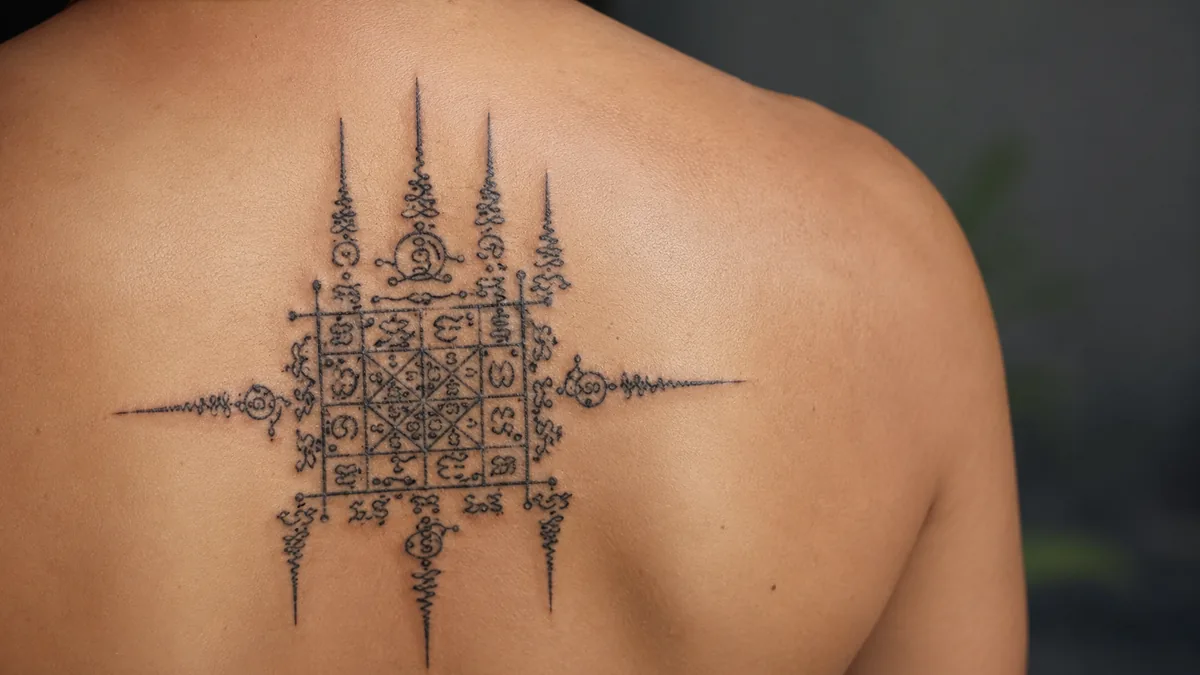
The Yant Hah Taew, or Five Lines, is probably the most recognized design in the West. Each of the five rows contains a different prayer in ancient Khmer script. The blessings cover protection from evil spirits, good fortune, success with the opposite sex, power and good luck, and pure charisma. Angelina Jolie made this one famous, and it got a lot of people through the door asking for it.
The Yant Gao Yord, or Nine Spires, represents the nine peaks of Mount Meru, the sacred cosmic mountain in Buddhist cosmology. It’s considered one of the most powerful protective yant you can carry. The Paed Tidt, or Eight Directions, offers protection wherever you travel. The Suea, or Tiger yant, is about strength, authority, and commanding respect. Every design has a specific job.
Design Variations and How They Look on Skin
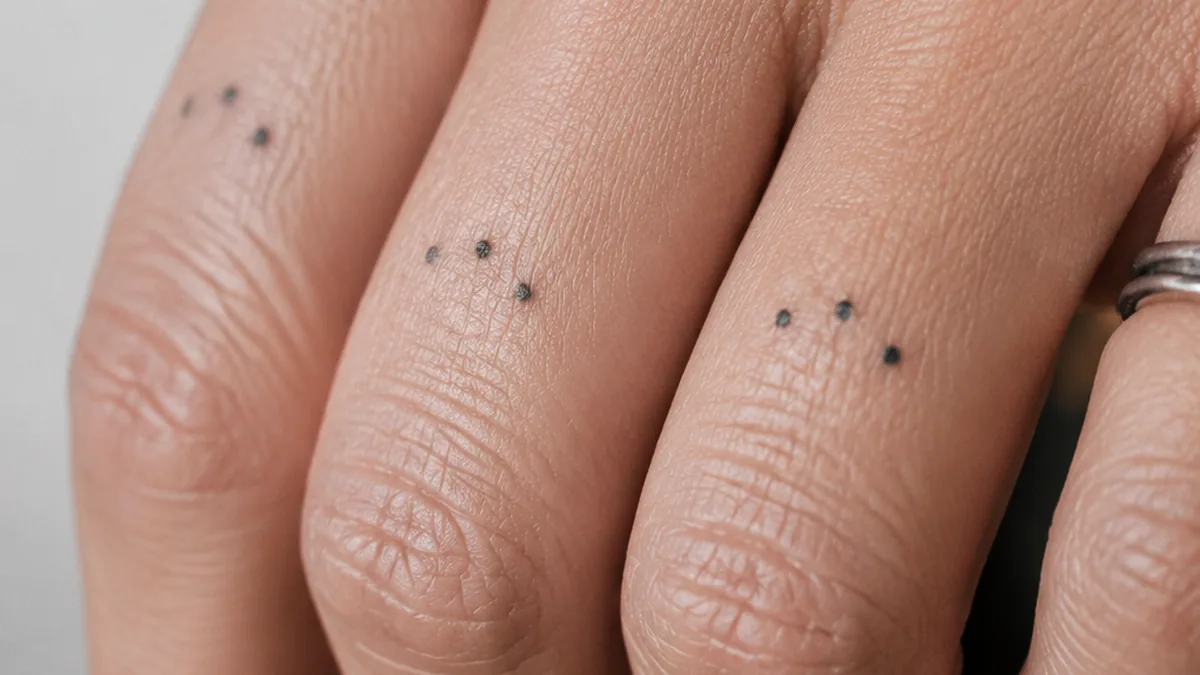
Traditional Sak Yant work is done in black ink only, no color, clean and precise. The lines are thin and geometric, with intricate script filling the interior of shapes. These read beautifully in black and grey. The contrast between thick border lines and fine interior script creates a visual layering that photographs well and holds up solidly over time if placed correctly.
Western tattoo artists often interpret yant designs with heavier line weight, which makes them read better from across the room but changes the delicate script quality. Some shops offer fine line yant work that stays closer to the original look. If you want the authentic feel, fine line black and grey is your best bet. Avoid heavy color fills on script-based designs. Color can overwhelm the text elements and turn crispy script into a muddy mess after a few years.
Best Placements and How They Age
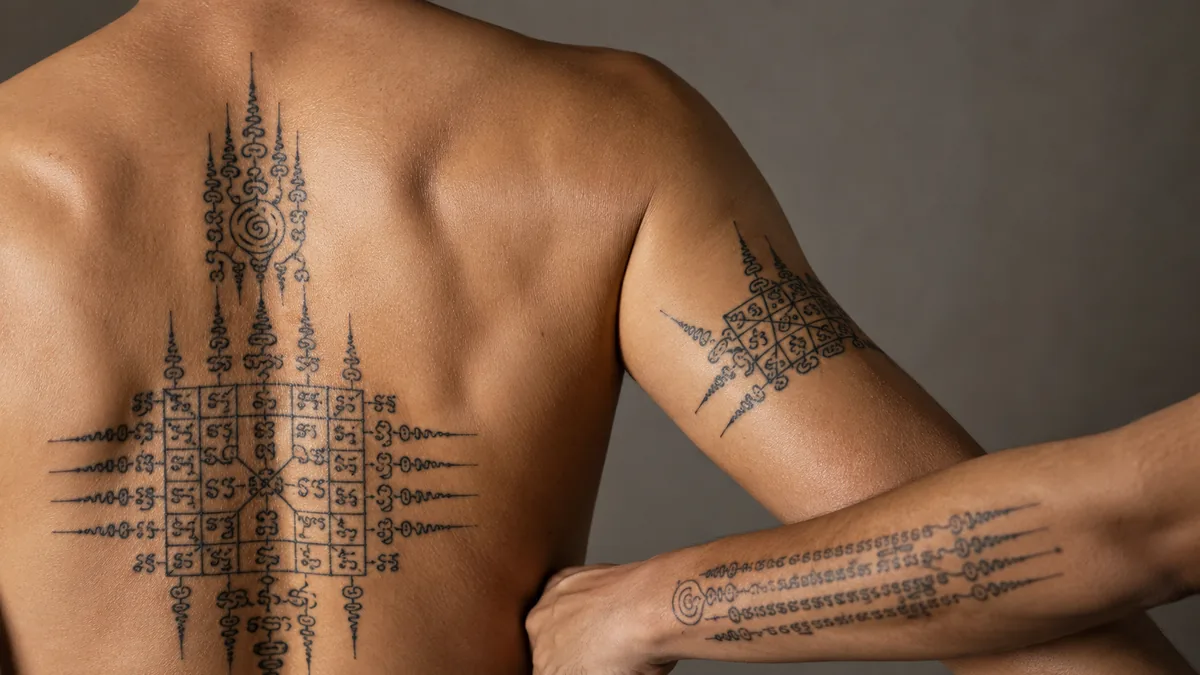
Traditionally, Sak Yant placement is not random. The upper body, especially the back, chest, and shoulders, is considered the most sacred area. Many masters will not tattoo below the waist on religious grounds. For practical tattoo reasons, the upper back is also one of the best spots for these designs. The skin is relatively flat, heals nice, and keeps fine lines tight for years.
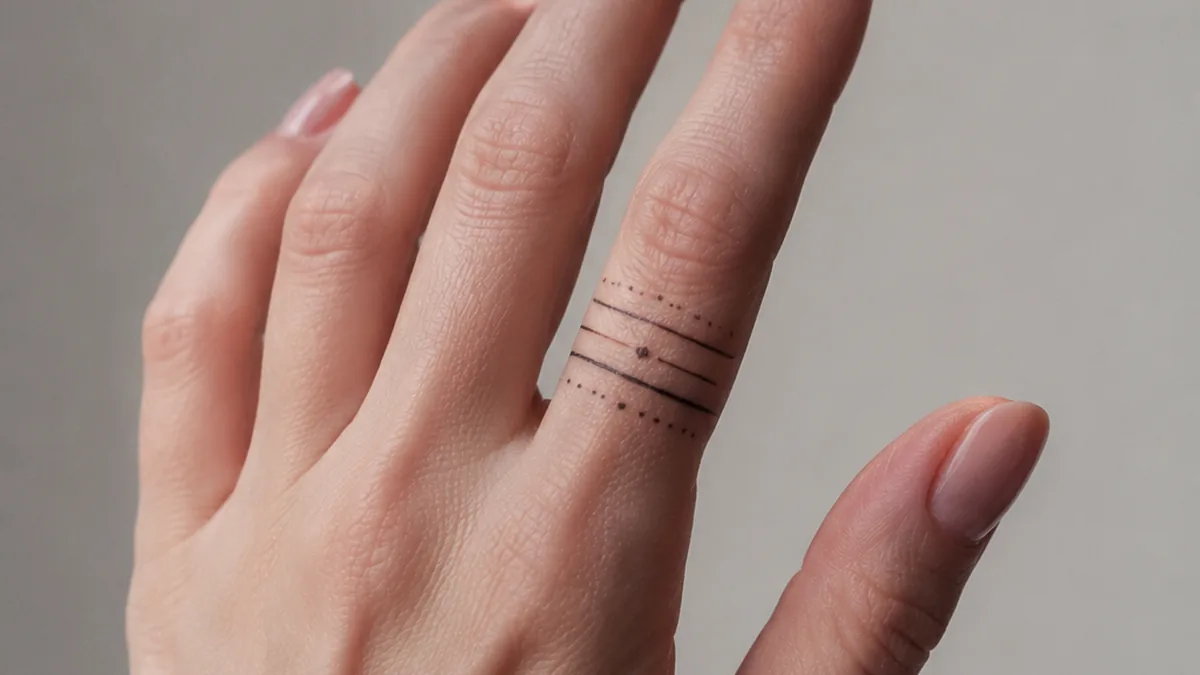
High-wear zones like hands, fingers, and inner wrists will blur the fine script faster than you want. The inner elbow crease and the backs of the knees are spicy to sit through and age poorly for detailed geometric work. A well-done yant on the chest, upper arm, or upper back will hold its geometry and stay legible for a long time. Bold outer lines will hold. The ultra-fine interior script is what needs protection from sun and friction.
The Pain Factor by Placement
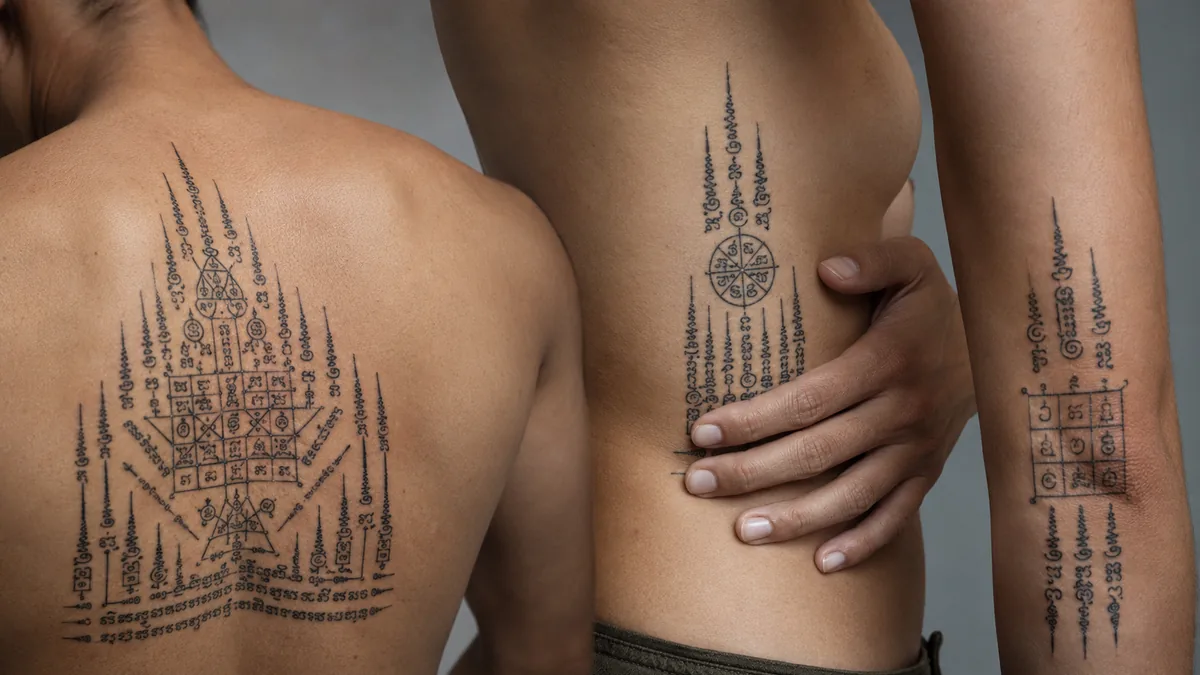
A yant on the upper back or shoulder blade is one of the more manageable sits for this type of work. The skin is thick, the area is relatively flat, and most people handle it fine for a multi-hour session. The spine itself gets spicy fast. If your design runs over the vertebrae, plan for that. The ribs are a different story entirely and earn that reputation every time.
Chest placements over the sternum will have you breathing through it. The inner arm is sensitive but manageable. The neck and behind the ear, popular for smaller yant designs, are moderately spicy but short sessions keep them doable. Traditional hand-poke Sak Yant from a master is slow and rhythmic but not necessarily less painful than machine work. The pace is different, the sensation is different, but it still bites.
Color Versus Black and Grey
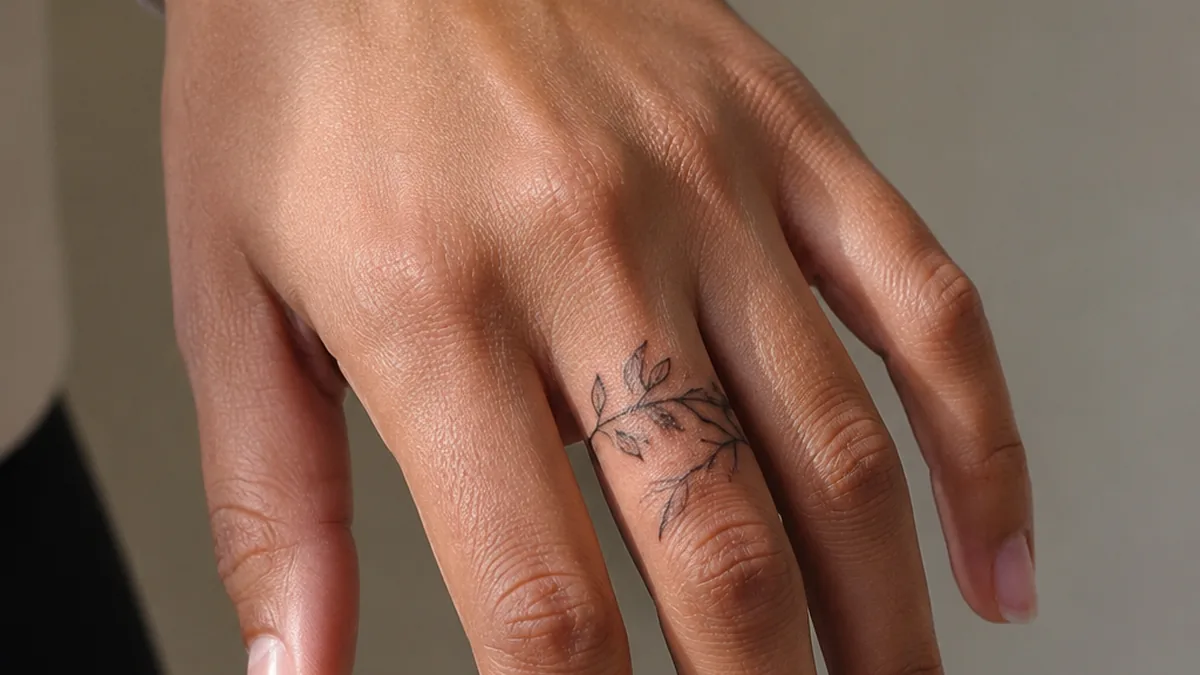
Traditional yant are black only. That’s not a stylistic choice, it’s part of the practice. The ink itself, in sacred Sak Yant tradition, is sometimes mixed with blessed materials. Western adaptations sometimes add red or gold to highlight border elements or specific symbols, and that can look sharp if the artist knows what they’re doing with contrast. A red outline on a black geometric yant reads strong and saturated.
Full color yant designs exist but they’re more of a Western fusion interpretation than anything rooted in the tradition. If the script elements are your priority, stick to black and grey. The fine line detail in the prayers is what carries the meaning, and black ink on light skin gives you the sharpest, most legible result long term. On darker skin tones, a skilled artist should pack the black solid so the design still reads clean.
Who Gets Yant Tattoos and How to Make It Personal
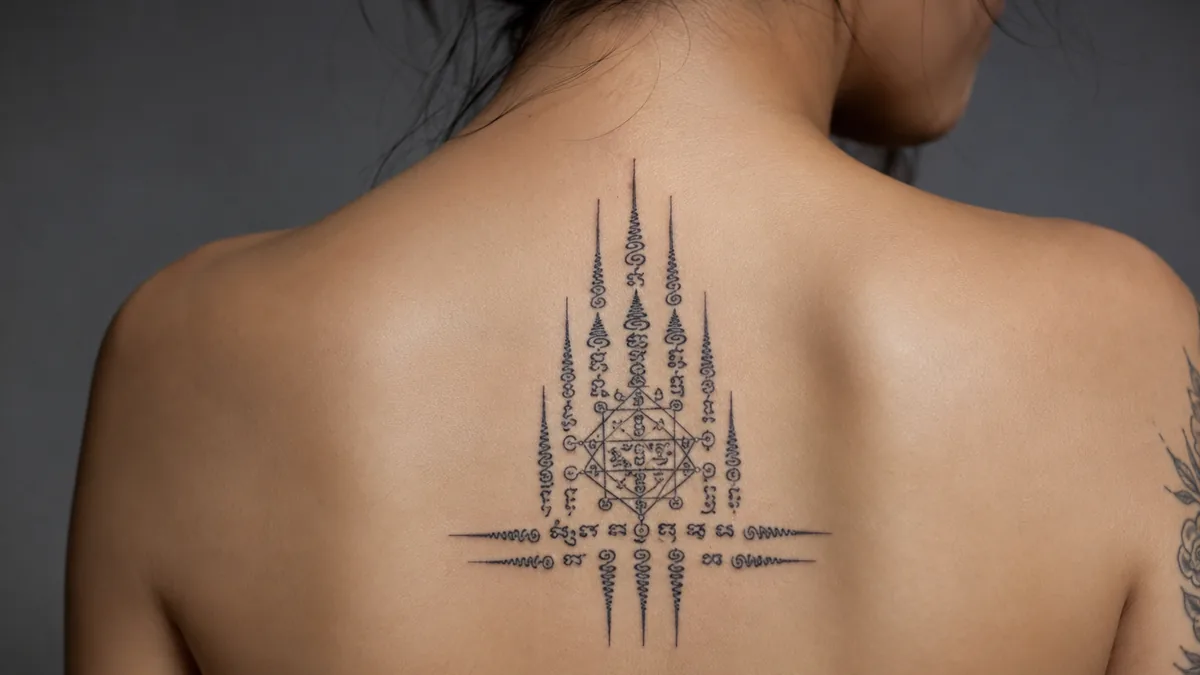
A lot of people who get yant tattoos have a real connection to Thai or Southeast Asian culture, have traveled through the region, or practice Buddhism. That context matters and tends to produce the most considered, lasting choices. Others are drawn purely to the geometry and the aesthetic, and that’s a valid starting point too, as long as you go in knowing what the design actually carries.
If you want to make a yant personal, talk to your artist about which specific design aligns with what you’re looking for in your life right now. Protection, strength, love, good fortune, these are not abstract concepts in this tradition. They’re specific. A good artist or a knowledgeable Ajarn can help you choose or commission a yant suited to your intention. That specificity is what separates a meaningful piece from just a pattern.









