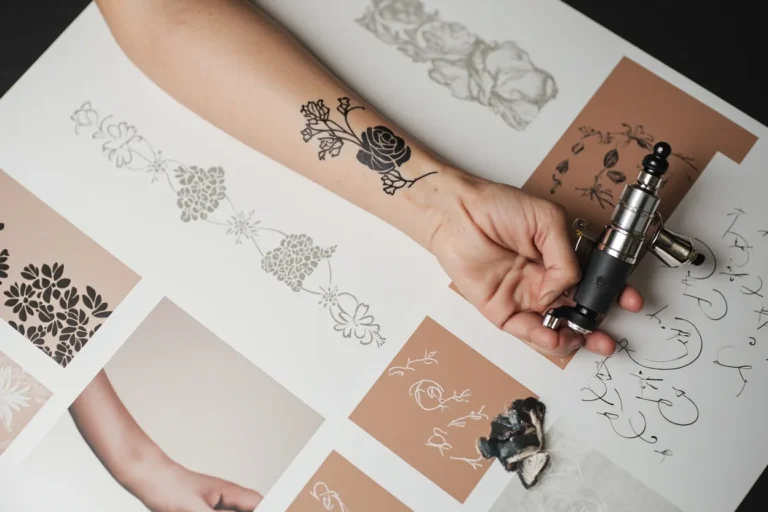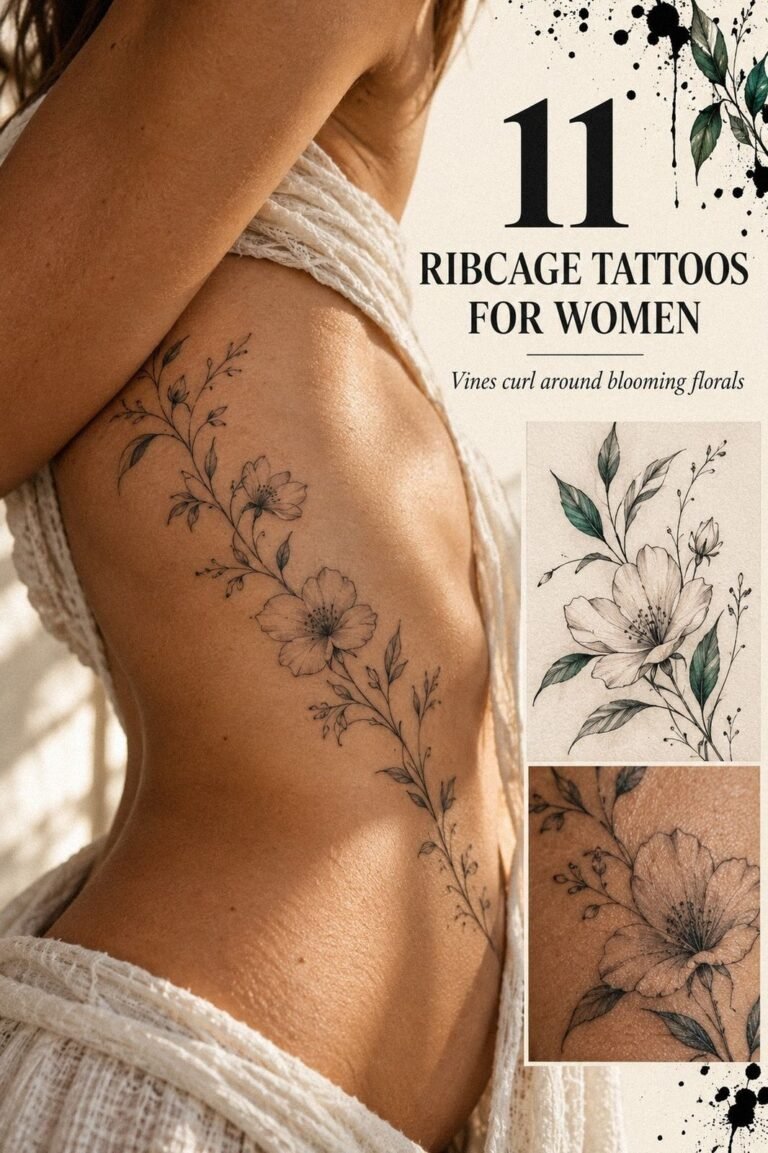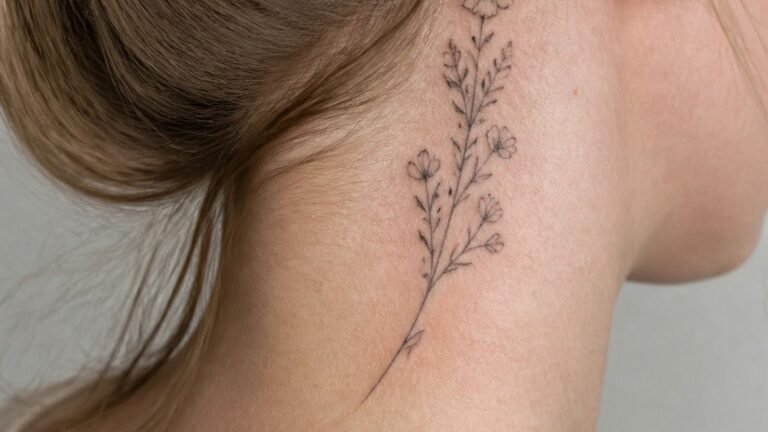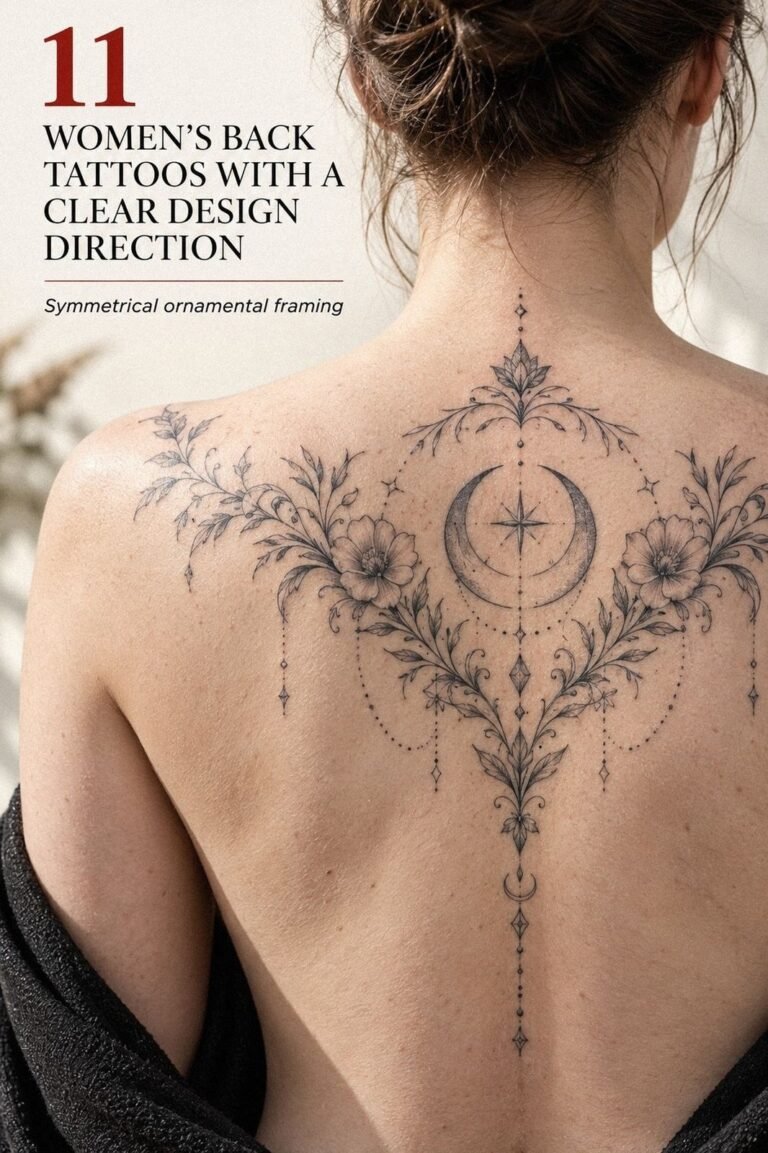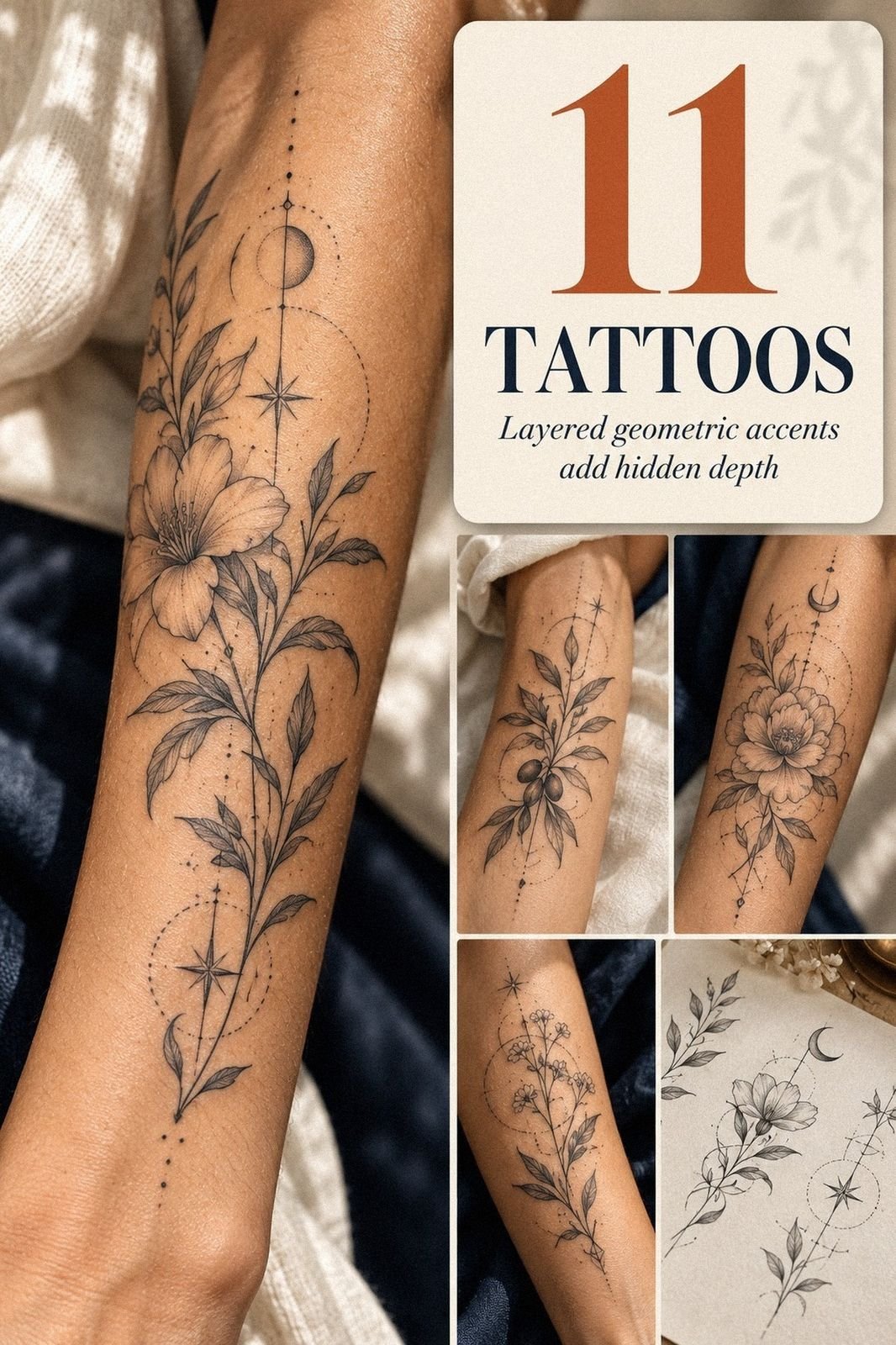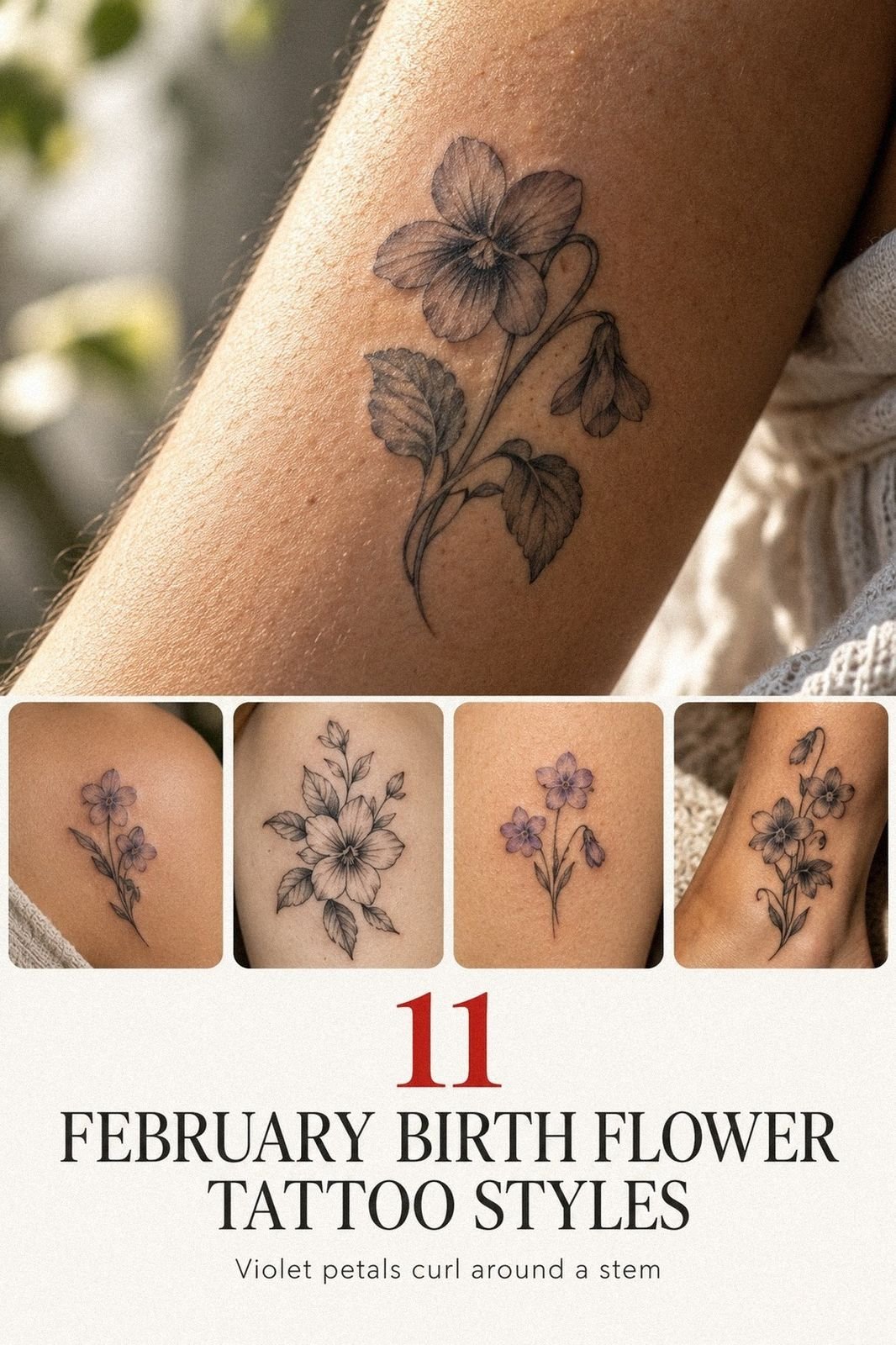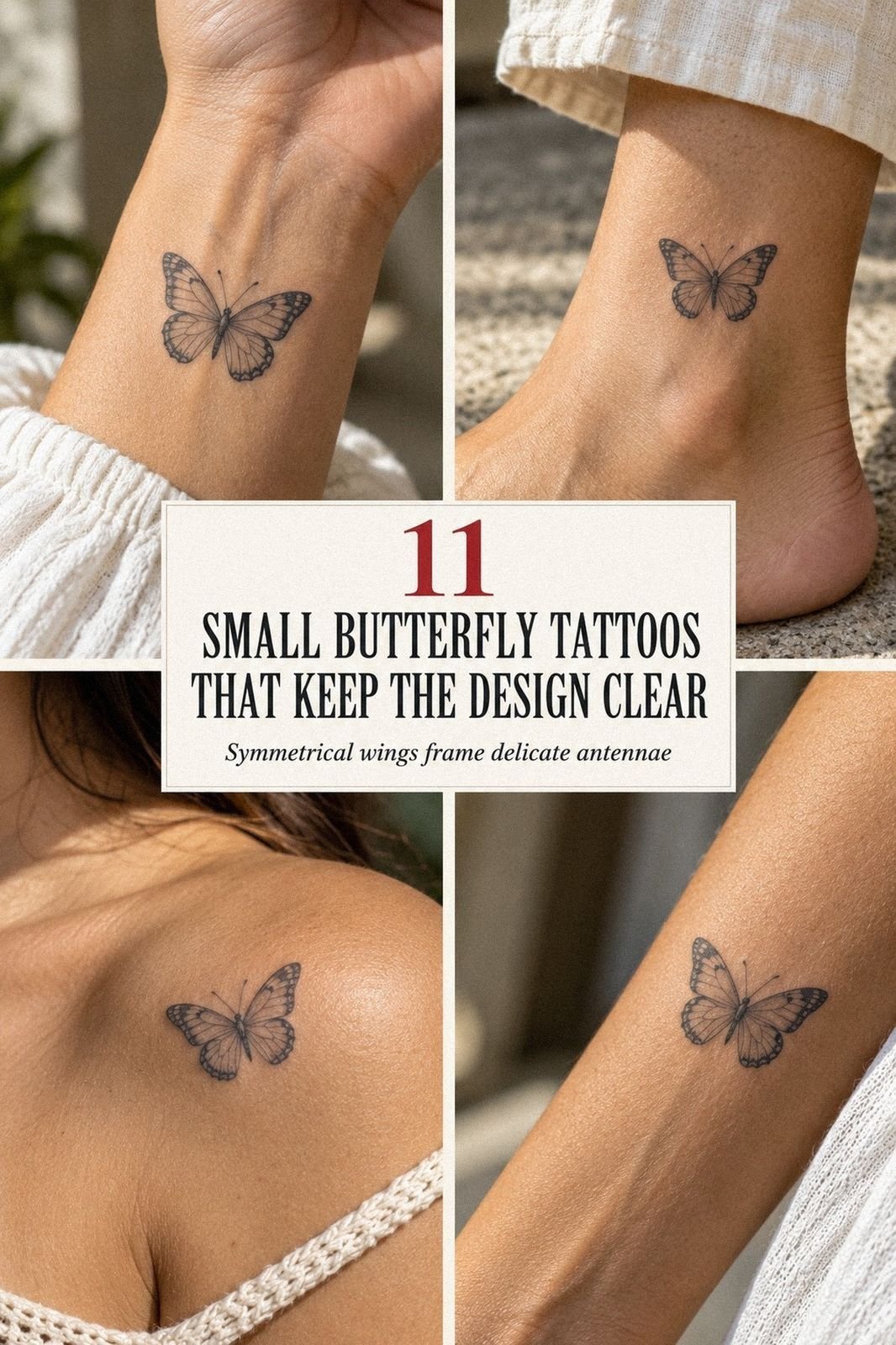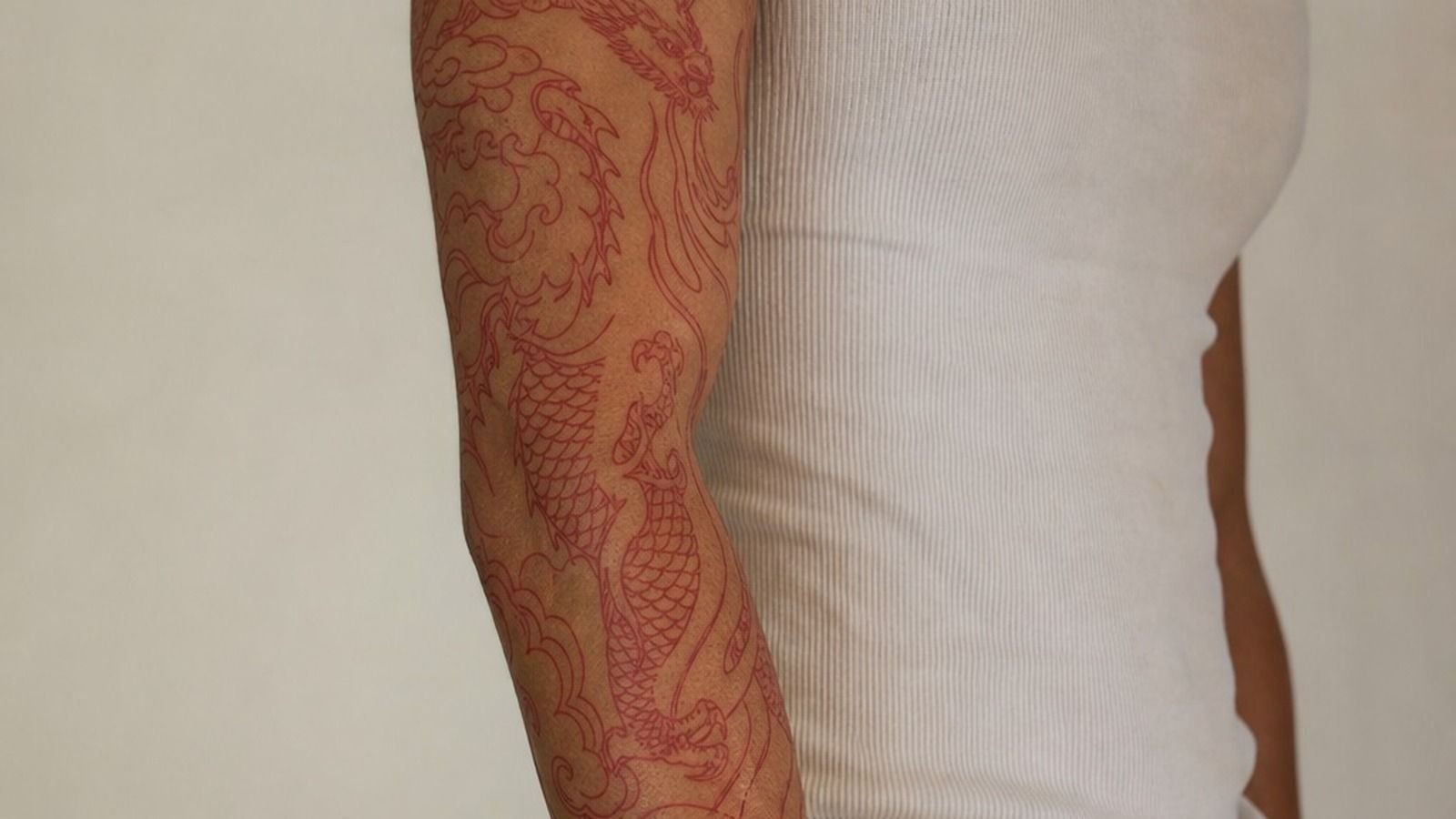
My red shoulder tattoo was a 3-inch fine-line floral piece, and it still reads clean because I gave the lines room and kept it off the joint. I got it the week I turned 30. I wanted something visible in a tank top, but not something that would get chewed up every time I moved.
Here’s what it looked like before
Before the tattoo, it was the patch of blank skin I kept saving for the “right” idea. You know that spot: too good for a random filler, too exposed for a tiny design you’ll stop noticing.
I had tried placing the idea closer to my collarbone, then farther down the upper arm. Neither gave it the calm, open flow I wanted.
The shoulder cap did. It gave my artist a rounded surface where the stems could travel without getting pinched when I lifted my arm.
I Chose a Red Shoulder Tattoo Placement
I placed the tattoo high on my outer shoulder, about an inch below the bony edge and clear of the top of the arm. That placement is pretty chill for pain, and you get enough flat skin for crispy, confident lines.
If you’re choosing between a shoulder cap and the front of your shoulder, I’d take the cap every time. The front gets more movement and can make a delicate design feel cramped.
My reference had three flowers, two curved stems, and a few leaves. I kept the whole shape around 3 inches wide so you could see the petals from across the room without making the shoulder look crowded. For more layouts, I’d start with these shoulder tattoo ideas.
You want the design to breathe, not sit there like a sticker.
I Tested an All-Red Shoulder Tattoo Design
An all-red tattoo can look soft, bright, and a little unexpected. It can also heal flat if the artist treats red like a pale version of black. Mine used a saturated red outline with tiny breaks of open skin, so the petals didn’t turn into one red blob.
I asked for a warm red that would hold against my cool-pink skin. Your artist should show you healed work in red, not only fresh photos under studio lights.
Fresh ink always looks louder. Healed ink tells you whether they can pack color in one solid pass without overworking the skin.
Red ink isn’t automatically a problem, but I’d read up on red ink tattoo allergy before booking. You shouldn’t panic over it. You should be informed.
I Sketched Fine-Line Red Shoulder Florals
The first sketch was too detailed. Tiny veins in every leaf, six-petal flowers, little dots between every stem.
Cute on paper. Soup later.
I simplified it into three readable blooms with single-needle linework and fewer interior marks. A fine-line floral needs negative space more than it needs another decorative detail. I told my artist, “If it won’t read from a few feet away, cut it.” That saved the piece.
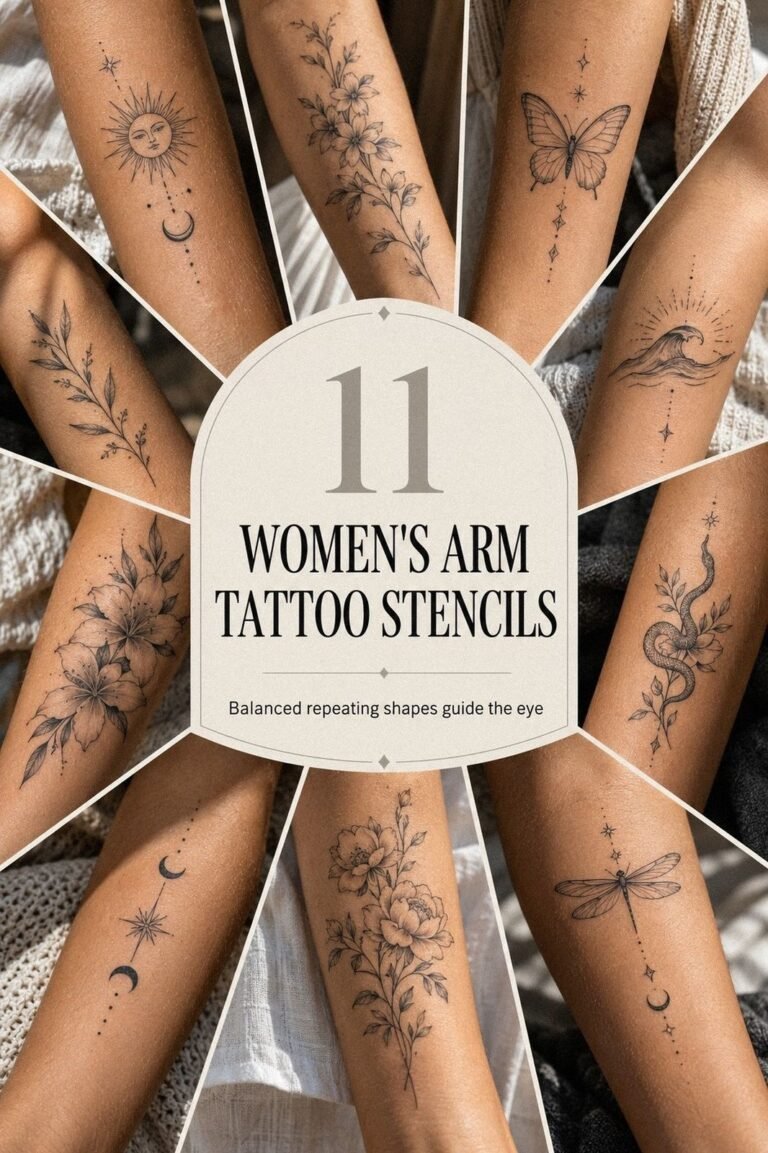
But you should still bring references. Bring screenshots for shape, movement, and mood, then let the artist draw for your body.
If you want Pinterest-exact, I’m not your artist. Your shoulder isn’t a flat phone screen, and a custom sketch has to follow your anatomy.
I Planned a Red Ink Shoulder Sleeve
I didn’t want a full sleeve, but I did plan for one. That matters. A shoulder tattoo can become the top anchor for future work, especially if you might add a red ink sleeve tattoo down the upper arm.
I left the lower edge of my floral piece open instead of sealing it with a hard circle. Now, if I add a red branch, a moth, or a few black-and-grey leaves later, the new work can flow downward. You can see why that approach works in these shoulder cap tattoo examples.
The Shoulder Flow Rule is simple: don’t end a growing tattoo collection exactly on a bend. Your shoulder rotates all day. Give the design a soft exit point, and your future artist won’t have to wrestle a stiff border.
I Simplified My Minimalist Red Shoulder Tattoo
My minimalist red tattoo looked better once I removed the “meaningful” extras. No dates.
No tiny quote. No little stars filling every gap.
I wanted the flowers to do their job without a bunch of visual noise.
The final design had one larger bloom, two smaller buds, and leaf shapes wide enough to survive the years. I used a flash-sheet mindset here: clear silhouette first, personal detail second. A good flash design is bold because it has to read fast.
That’s useful for your custom tattoo too.
And I’d skip ultra-thin lettering around a shoulder floral. It’s trendy, sure, but curved script next to red petals gets busy fast.
If you want a symbol with a similar emotional pull, look at the placement ideas behind a red heart tattoo. Keep one focal point. Your skin will thank you.
I Matched Red Ink to My Skin
Red can look gorgeous on deep skin, olive skin, fair skin, and warm brown skin, but the exact red matters. I’ve seen a cool pink-red disappear on deeper tones while a richer brick-red healed much clearer. Your artist should work from healed examples on skin close to yours whenever possible.
For my own piece, I picked a vivid red with enough depth to stay visible after the fresh shine faded. The ink sat bright at first, then softened during the silver-skin stage. That’s normal.
The healed version looked more refined, not weaker.
Ask your artist how they approach contrast. A red outline needs open skin around it, clean spacing, and a needle choice that matches the detail.
If they can’t explain the plan beyond “red will look cute,” keep looking. You need a clean technician, not a scratcher.
I Checked Shoulder Tattoo Pain Before Booking
Shoulder pain was manageable for me. The outer shoulder felt spicy during crisp lines, then settled into a dull burn during shading. The closer we got to the bony top edge, the sharper it felt.
Still, it was nowhere near ribs, feet, hands, or sternum territory.
Here’s the honest version: you can sit through a shoulder tattoo if you eat, hydrate, and speak up. Don’t try to win a toughness contest. Tap out for five rather than pass out on me.
I booked a shorter session because I knew I wanted clean pulls, not rushed linework. You can always add more. You can’t un-chew-up skin that’s been worked too hard.
I Approved the Red Shoulder Tattoo Stencil
The stencil looked too centered at first. That’s a common trap. Centered on a standing body can look off once you move your arm, wear a strap, or turn toward a camera.
We rotated mine slightly forward and let the main flower follow the shoulder curve. I checked it with my arm relaxed, lifted, and bent across my chest.
You should do the same. A stencil is your last free edit, so don’t nod yes while you’re nervous and hoping the artist knows what you mean.
But don’t over-direct every millimeter either. Your artist sees skin movement for a living.
Tell them what you need the tattoo to do: sit clean in a sleeveless shirt, stay visible from the front, or leave room for more ink. For alternate placement options, these shoulder blade tattoo ideas show how much the body changes a drawing.
I Balanced Blackwork With Red Shoulder Ink
I considered adding blackwork behind the red flowers. I didn’t. For this piece, black would’ve swallowed the airy red linework and turned a soft shoulder tattoo into something heavier than I wanted.
That doesn’t mean blackwork and red can’t work together. They can look bold when the black is a separate anchor, like a black moth below red botanicals or a black-and-grey branch framing a red flower.
The contrast has to be intentional. Don’t make black a background just because the red feels “too simple.”
The Red-Anchor Method is what I’d use for a larger piece: black holds the structure, red becomes the spice. Black is your best friend for longevity.
Red is there for feeling. If you want a tattoo that reads in ten years, let contrast do the hard work.
I Compared Red Shoulder Tattoo Design References
I brought references that showed the same subject in three versions: stencil, fresh tattoo, and healed tattoo. That comparison changed my whole decision.
The stencil showed shape. The fresh photo showed saturation. The healed photo showed whether the lines stayed clean.
You should look closely at the healed image. Are the lines still separate?
Does the red still show? Are the petals readable, or did the fine details blur into each other?
That’s the portfolio evidence that matters.
I also saved a few tattoo red flags before I booked. Blown-out lines, fuzzy close-ups, no healed work, and bad studio hygiene aren’t “style differences.” They’re reasons to leave. Your tattoo deserves better than a gamble.
I Budgeted for My Red Shoulder Tattoo
My shoulder tattoo took a little under two hours. I paid my artist’s hourly rate, then tipped because the drawing, stencil changes, and careful linework were part of the work too. Your price will depend on artist, city, detail, and whether you’re booking custom work or flash.
Typical U.S. tattoo shop minimums run around $50 to $100. Many established artists charge about $100 to $250 per hour.
A small red shoulder tattoo can land around $100 to $300, but don’t shop only by the lowest number. Cheap red ink that heals patchy isn’t a bargain.
I’d rather see you save for the artist whose healed work is solid than rush into a bargain appointment. A red tattoo isn’t the place to let someone practice color packing on you.
I Followed My Red Shoulder Tattoo Healing
The first few days, it was an open wound. I washed it with gentle unscented soap, patted it dry with a clean paper towel, and used a thin layer of ointment. Thin means thin.
Don’t suffocate it.
Around the first week, it started to peel like a sunburn. I didn’t pick the flakes, even when the red looked uneven for a day or two. Pulling flakes can pull color out, and nobody wants to pay for a touch-up because they got impatient.
Surface healing usually takes about 2 to 3 weeks. Full settling takes closer to 2 to 3 months, so don’t judge the final color too early.
I kept checking my progress against this guide on how long red tattoos take to heal. It helped me stop staring at every tiny change.
I Protected My Red Shoulder Tattoo Outdoors
Sun is what fades a red shoulder tattoo faster than most people expect. Once mine was fully healed, I used broad-spectrum sunscreen whenever the tattoo was exposed. Tank-top weather is fun, but UV doesn’t care how much you paid for clean work.
I also avoided pools, hot tubs, and heavy gym friction during the early healing window. Shoulder straps can rub fresh ink hard, especially if you’re carrying a bag every day. Wear soft, loose fabric for the first stretch and keep your gear off the tattoo when you can.
And this is why I like the shoulder: it’s visible when you want it, easy to cover when you need to, and low-wear compared with fingers or feet. It ages cute on you if you give it basic care. That’s not glamorous.
It’s just true.
What I Learned About Red Ink That I’d Tell You First
I’m Hazel, and the biggest mistake I see with red tattoos is treating them like a novelty instead of a real color choice with its own rules. People bring in a screenshot with whisper-thin red lines, tiny petals, tiny words, tiny stars, then ask me to fit it all into a 1-inch shoulder spot.
I won’t. That size on a shoulder might look delicate for a fresh photo, but it won’t have enough breathing room to stay readable.
You don’t need a giant tattoo to make red hold. You need contrast, spacing, and an artist who can pull one clean line instead of ten fuzzy ones.
I’d rather make your design 3 inches with fewer details than cram it into 1.5 inches because a Pinterest crop made it look smaller. Fresh tattoos lie a little.
They’re swollen, bright, and glossy. Healed tattoos tell the truth.
I went back and forth on black outlines for my own shoulder piece. Black would have made the red more permanent-looking, but it also would’ve changed the mood.
I wanted soft red florals, not a trad rose. So I made the red lines slightly stronger and gave the leaves more open space.
That’s the middle ground I’d suggest if you want a red piece that feels gentle but still has bones.
Your artist matters more than the exact flower. Look for healed red work, clean studio habits, and a portfolio that includes skin tones beyond one narrow range.
Ask questions. Check the stencil twice. If something feels rushed, it probably is.
A tattoo isn’t a fast checkout item. It’s your skin.
The Questions I Get Asked Most
How much does a Red Shoulder Tattoo usually cost?
A red shoulder tattoo usually costs about $100 to $300 for a small design, depending on size and artist. A strong healed result is worth budgeting for. Shop minimums often run $50 to $100, while many U.S. artists charge $100 to $250 hourly.
Are Red Shoulder Tattoo a good idea for a first tattoo?
Yes, a red shoulder tattoo can be a solid first tattoo because the outer shoulder is fairly tolerable and easy to cover. You get visibility without constant wear. Keep your design simple, give lines room, and choose an artist with healed red work.
How do I choose a tattoo artist for Red Shoulder Tattoo?
Choose an artist whose portfolio shows clean red linework, healed tattoos, and proper studio hygiene. Healed photos matter most. Crisp lines.
Saturated color. Clear close-ups.
You can also review common tattoo red flags before you commit.
How much do Red Shoulder Tattoo hurt?
Outer shoulder tattoos are usually low to moderate on the pain scale. The placement is more manageable than ribs or feet. Lines feel sharper, shading feels like a dull burn, and the bony top of the shoulder can get spicy.
How long does a Red Shoulder Tattoo take to heal?
Surface healing usually takes 2 to 3 weeks, while full healing can take 2 to 3 months. Gentle care protects the color. Unscented soap.
Thin ointment. No picking.
No pools or direct sun while the tattoo is fresh.
What’s the best placement for Red Shoulder Tattoo?
The outer shoulder cap is my favorite placement for red florals and minimalist designs. It gives your lines room to age well. You can also move the design toward the upper arm if you want space for a future shoulder tattoo collection.
Where I’d Start First
If I had to pick one, I’d start with a 3-inch red floral on the outer shoulder. Tiny detail is what turns red fine line into mush, while open petals stay readable. Pin that placement for later, then bring your artist references for vibe, not duplication.