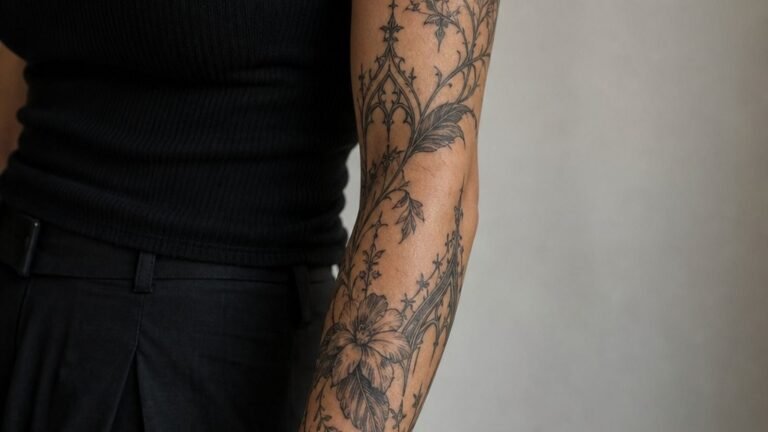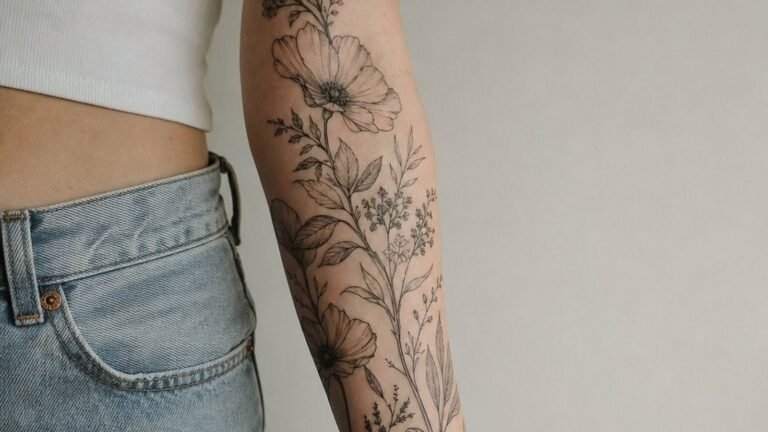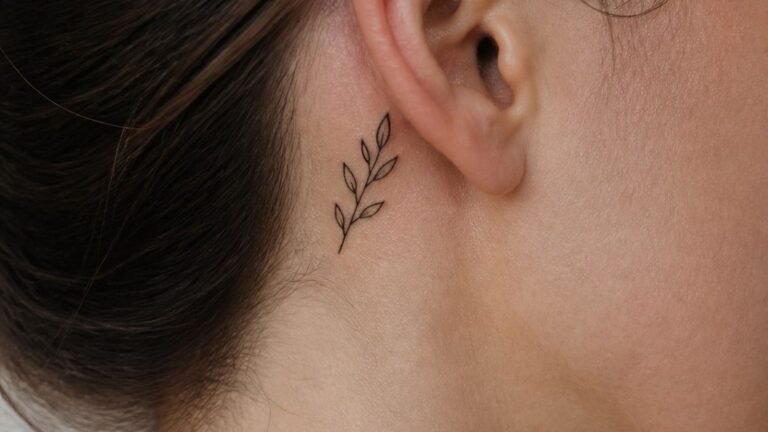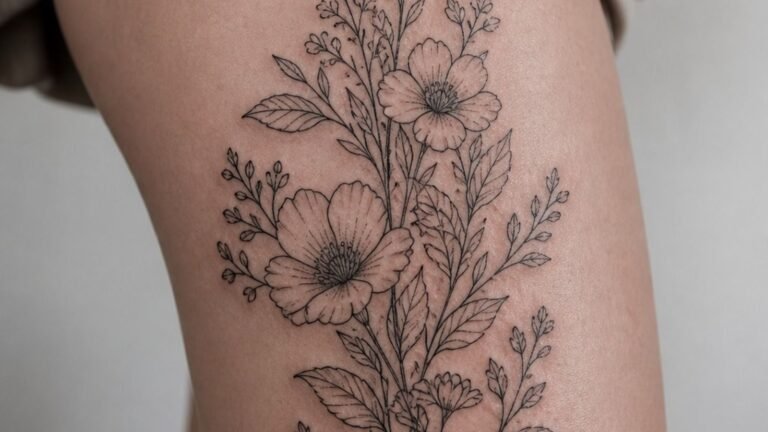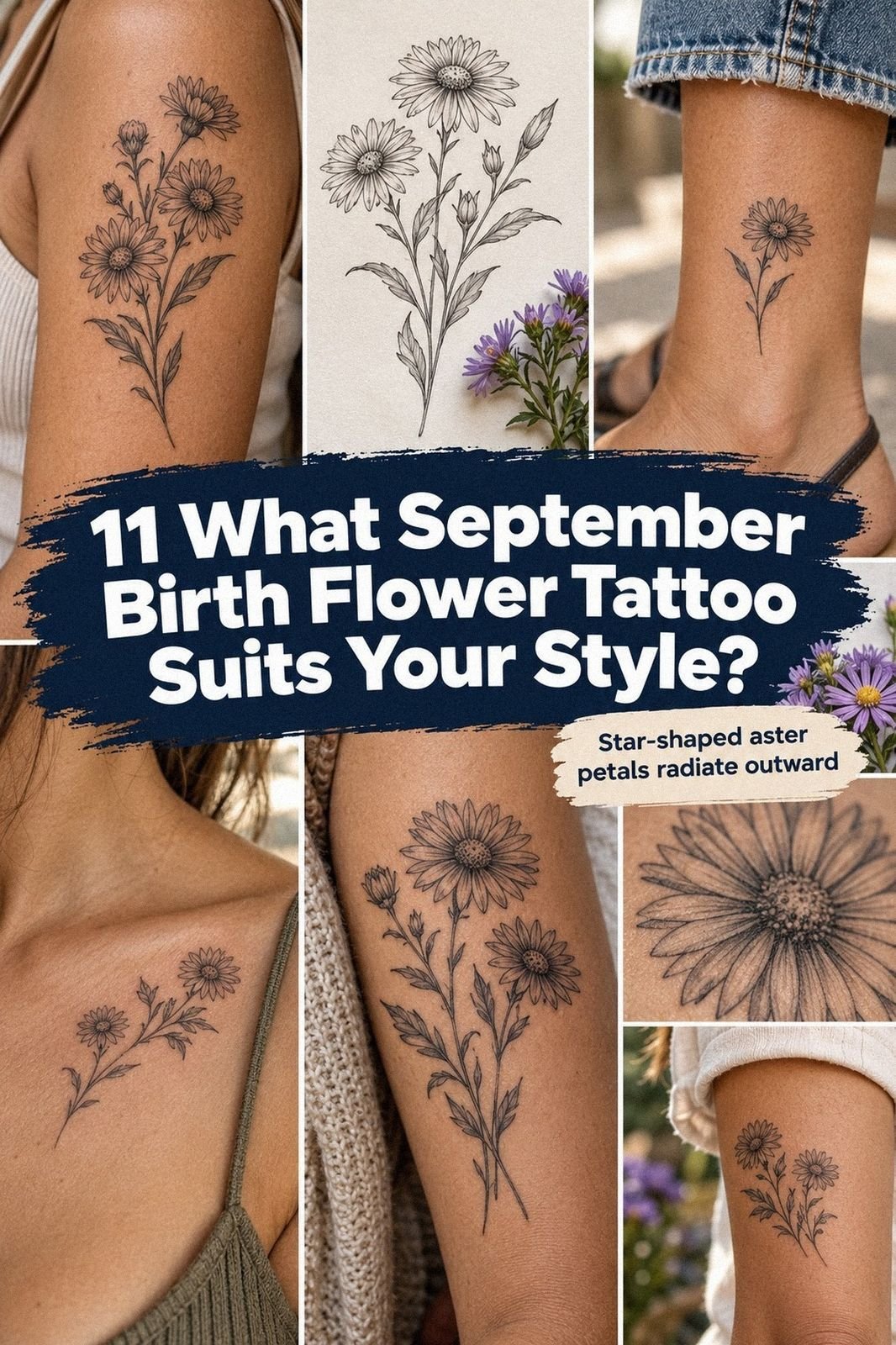
A September Birth Flower Tattoo usually works best when the aster has enough room to stay readable. You’ll choose the meaning, sketch, artist, placement, price, and aftercare in that order. I learned this after almost choosing a stem too small to read. Start with clarity!
- September Birth Flower Tattoo Meaning: Start With the Feeling
- What Should an Aster Birth Flower Tattoo Look Like?
- August and September: One Stem, Two Birth Flowers
- A Wildflower September Tattoo Bouquet
- Fine Linework or Stronger Ink for a September Aster?
- Where Should a September Birth Flower Tattoo Sit?
- A Date Beneath the Aster
- Keep September Aster Petals Crisp Through Healing
- Blackwork vs. Color in September Ink
- Your September Flower Story, Made Visible
- Plan the Consultation: Size, Cost, and Placement
1September Birth Flower Tattoo Meaning: Start With the Feeling

The aster carries a symbolic meaning tied to patience, love, wisdom, and quiet strength. If you want a meaningful tattoo, begin with the feeling you want the flower to hold, then let the shape follow. Your first sketch shouldn’t be a random flower copied from a search result.
Write three words that matter to you. Mine would be “patience, return, courage.” Your artist can turn those words into petal spacing, stem length, or a second botanical detail. That’s more personal than choosing a flower because its shape is trending.
A single stem often has more emotional force than a crowded bouquet. The negative space around the bloom lets the design breathe and keeps the symbolism legible. If your wrist is narrow, that breathing room may be more valuable than another leaf.
I’d skip stuffing initials, dates, leaves, and stars into the first draft. One flower has an understated strength, especially when the stem follows your body naturally. The birth flower tattoo ideas guide can help you compare meanings before you book.
And remember, your tattoo doesn’t need to explain your entire September story. A personal symbol can stay private, even when the placement makes it visible. If the meaning feels right without a paragraph of explanation, you’re starting from the right place.
That private meaning is often what makes the design worth it. A trend may inspire you, but the emotional value comes from the detail you’d still choose years later. Keep it yours!
A Clear Meaning Before the Sketch
Your birth month can be the starting point, not the entire concept. A September aster might represent resilience, a friendship, a birthday, or a period when you found your direction again.
I’d write the story in one sentence before opening reference images. That keeps the final design expressive instead of overloaded with borrowed symbolism.
2What Should an Aster Birth Flower Tattoo Look Like?
An aster flower tattoo can look intricate without becoming heavy. Start with one dominant bloom, a readable center, and a stem that has somewhere to go. Your artist can then adjust the petal count, leaf angle, and overall scale.
I call this the Single Stem Rule: one flower should lead, and every other mark should support it. A second bloom can make your tattoo more ornate, but it can also blur the focal point after the lines soften with age.
Bring a reference with a similar scale and body angle, not just a collection of flowers you like. Spirit Thermal Paper is commonly used to transfer a stencil, and your artist can move it around before any needle touches skin. You’ll see whether the placement feels natural.
I’d choose a slightly open aster over a tightly packed one for a first piece. The open version reads more crisp, and you’ll have clearer spaces between the petals. For another floral comparison, explore this lily flower tattoo meaning guide.
Don’t chase microscopic detail because a reference looks sharp on a phone. Your artist needs enough room for each petal to remain legible. A sleek upper-arm design with fewer lines may offer better long-term value than a miniature botanical encyclopedia.
Ask yourself whether the extra detail earns its cost. More lines can raise the price, extend the appointment, and make future touch-ups harder. Simple doesn’t mean plain; it means every mark has a job.
Aster Scale Matters More Than Detail
The most timeless choice is often a flower large enough to remain recognizable. Tiny petals may look dainty at first, but dense detail can soften into a dark patch over time.
Ask to see the design at its actual intended size. A readable center matters more than squeezing in every leaf from a reference photograph. That matters!
3August and September: One Stem, Two Birth Flowers
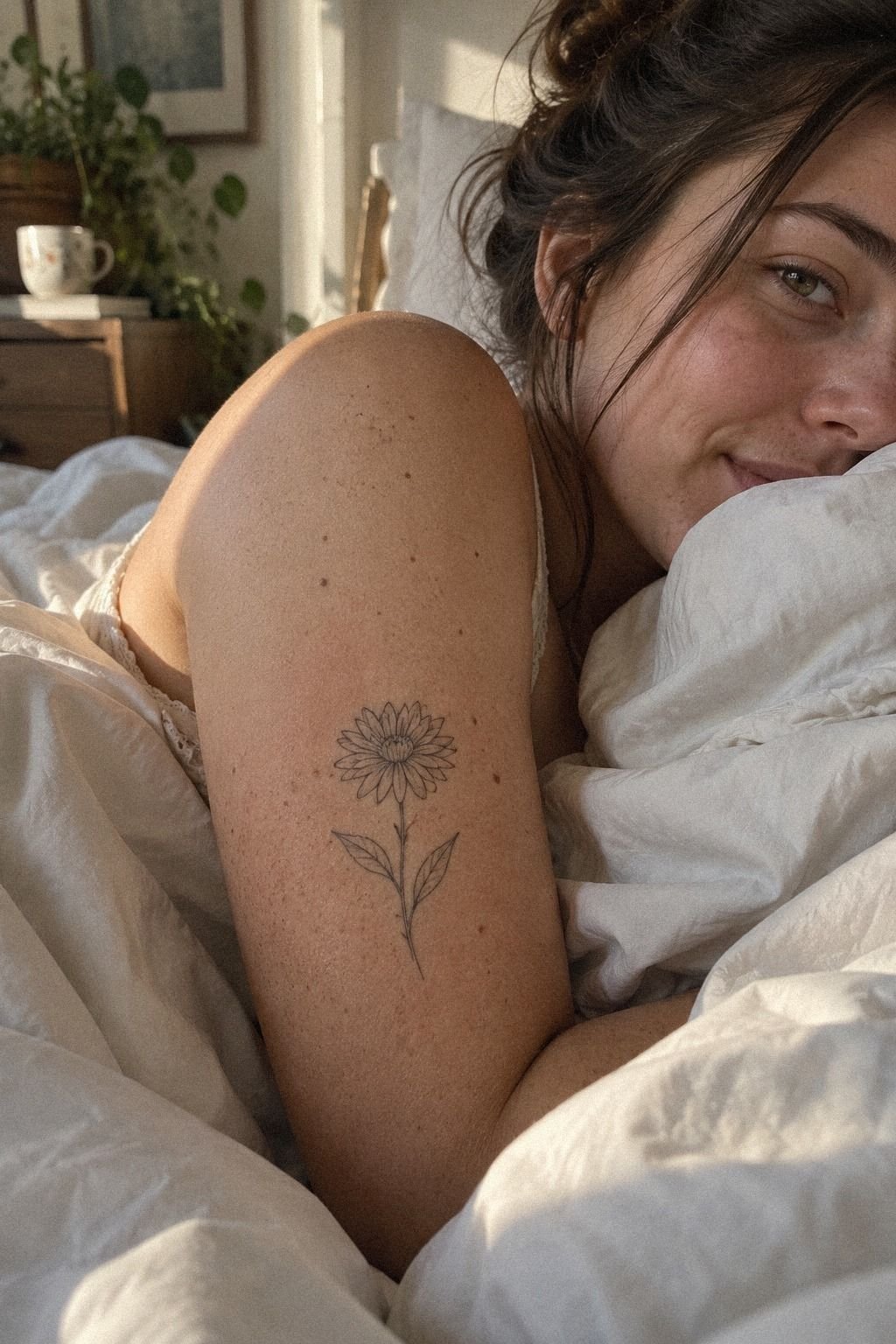
Pairing August and September birth flowers gives you a shared design with two different personalities. The August flower is often the gladiolus or poppy, while September is represented by the aster. You’ll want the stems to feel connected, not tangled.
Ask your artist to vary the scale so the aster remains readable. A flowing stem can connect both flowers, but equal-sized blooms may make the composition look stiff. One flower can lead while the other answers it.
I’d give the September aster the cleaner outline and let the August flower carry softer detail. That contrast feels graceful without requiring bright pigment. If you’re comparing other combinations, this sakura flower tattoo meaning article offers another way to think about delicate symbolism.
Use a studio-approved black pigment selected by your artist, then discuss whether either flower needs muted color. You don’t need color to separate them. Different petal shapes, stem directions, and line weights can do the work.
Check the stencil from several angles before you approve it. Your skin shifts when you lift your shoulder, turn your neck, or relax your arm. A balanced composition should still look natural when your body is moving.
A two-flower tattoo can be worth the investment when each bloom represents someone or something specific. If the second flower is only there to fill space, the added cost may not add emotional value.
Let the Two Flowers Share the Story
Give each bloom one job. The August flower can represent a person, while the aster marks your birth month or a specific season of life.
I’d avoid making both flowers equally loud. A bold focal bloom and a quieter companion usually create a more intentional result than two competing centers.
4A Wildflower September Tattoo Bouquet
A wildflower tattoo bouquet gives your September aster a more raw, hand-drawn quality.
A Bouquet Needs a Hierarchy
A good bouquet still needs a lead flower. Let the September aster carry the strongest outline, then use lighter details for the surrounding stems.
Ask your artist where the eye should land first. A polished arrangement has a beginning, a middle, and a natural ending rather than equal detail everywhere.
5Fine Linework or Stronger Ink for a September Aster?
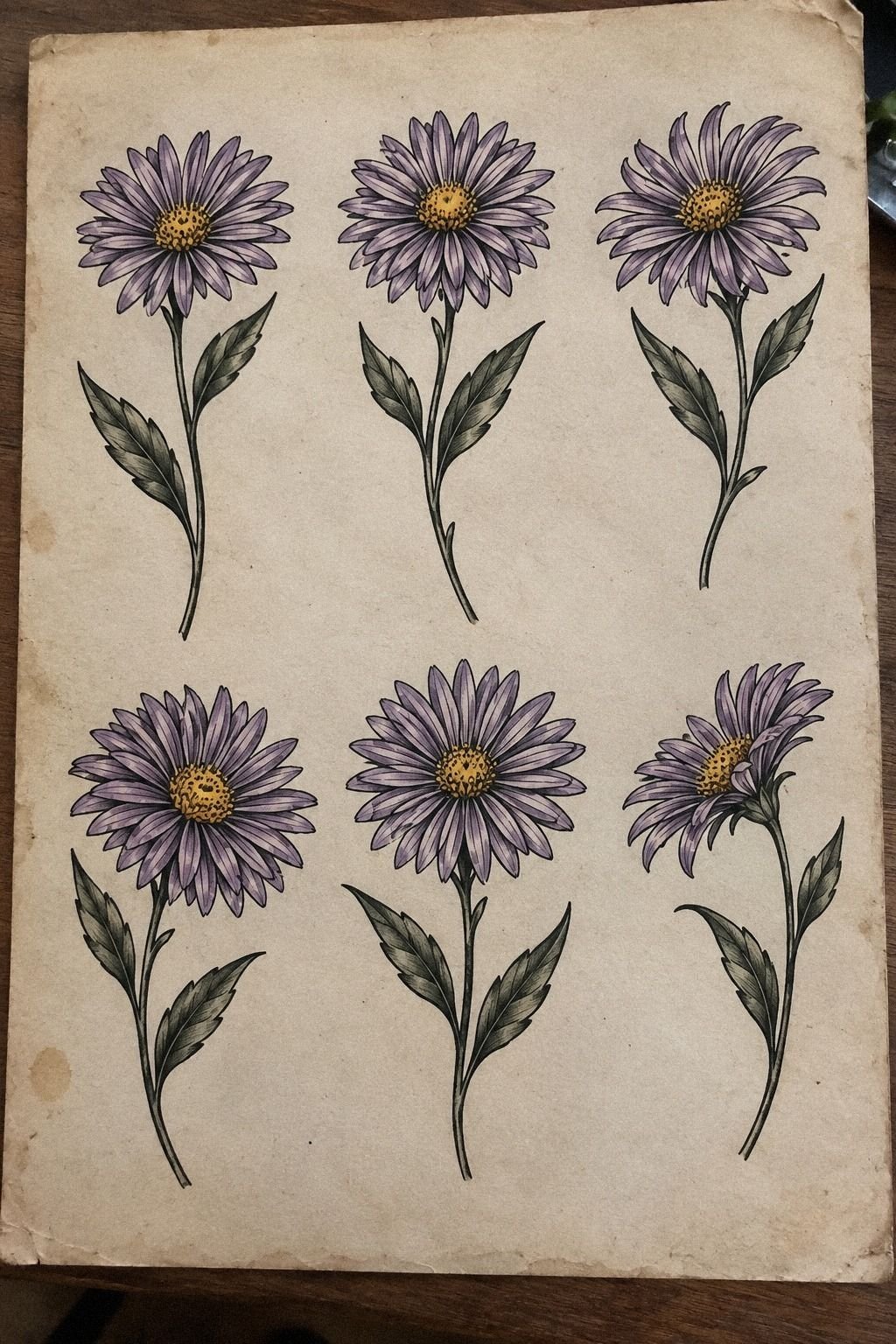
Fine linework can look elegant when the design is built for skin instead of copied from paper. Study petal spacing, stem length, and line density before choosing a direction.
Your artist’s portfolio matters more than the prettiest reference. Look for healed photographs, not only fresh tattoos.
Fine lines may soften or spread over time, especially when they’re packed tightly. I’d choose a polished artist with consistent healed work over someone whose fresh images look more dramatic.
Ask what needle grouping and line weight they’d use for your skin and placement. You don’t need to dictate the technical setup, but you do need a clear conversation. Spirit Classic Thermal Transfer Paper may appear during the process, yet the final result depends on control and your skin’s response.
I’d skip the thinnest possible line for a sternum, hand, or foot design. It can look dainty on day one and lose structure sooner than a slightly stronger line. The Japanese flower tattoo guide shows how line weight can support a lasting floral silhouette.
Don’t confuse minimal with unfinished. A minimal tattoo still needs a clear contour, a readable center, and a stem that doesn’t disappear into the placement. If your artist removes three unnecessary lines, that’s editing, not a loss of detail.
The cheapest option isn’t always the best value. Paying for an artist who understands healed botanical work can protect you from a costly correction later.
Strong Lines Can Still Feel Delicate
A stronger outline doesn’t automatically make an aster look heavy. It can create a sharp silhouette that keeps the petals readable after the fine interior marks soften.
Show your artist examples of healed work. A delicate interior detail paired with a confident outer contour often gives the flower both clarity and softness. That distinction matters!
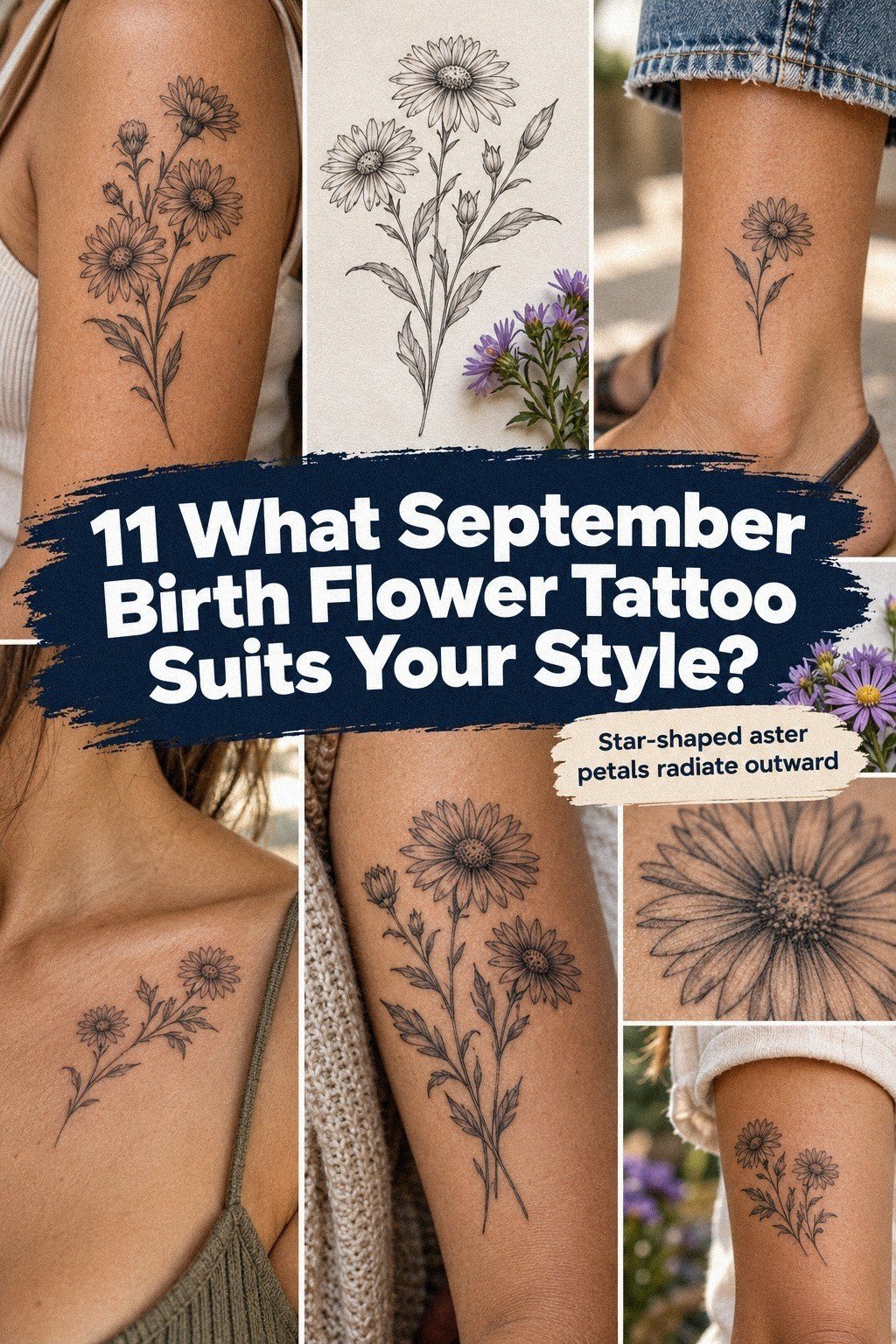
6Where Should a September Birth Flower Tattoo Sit?
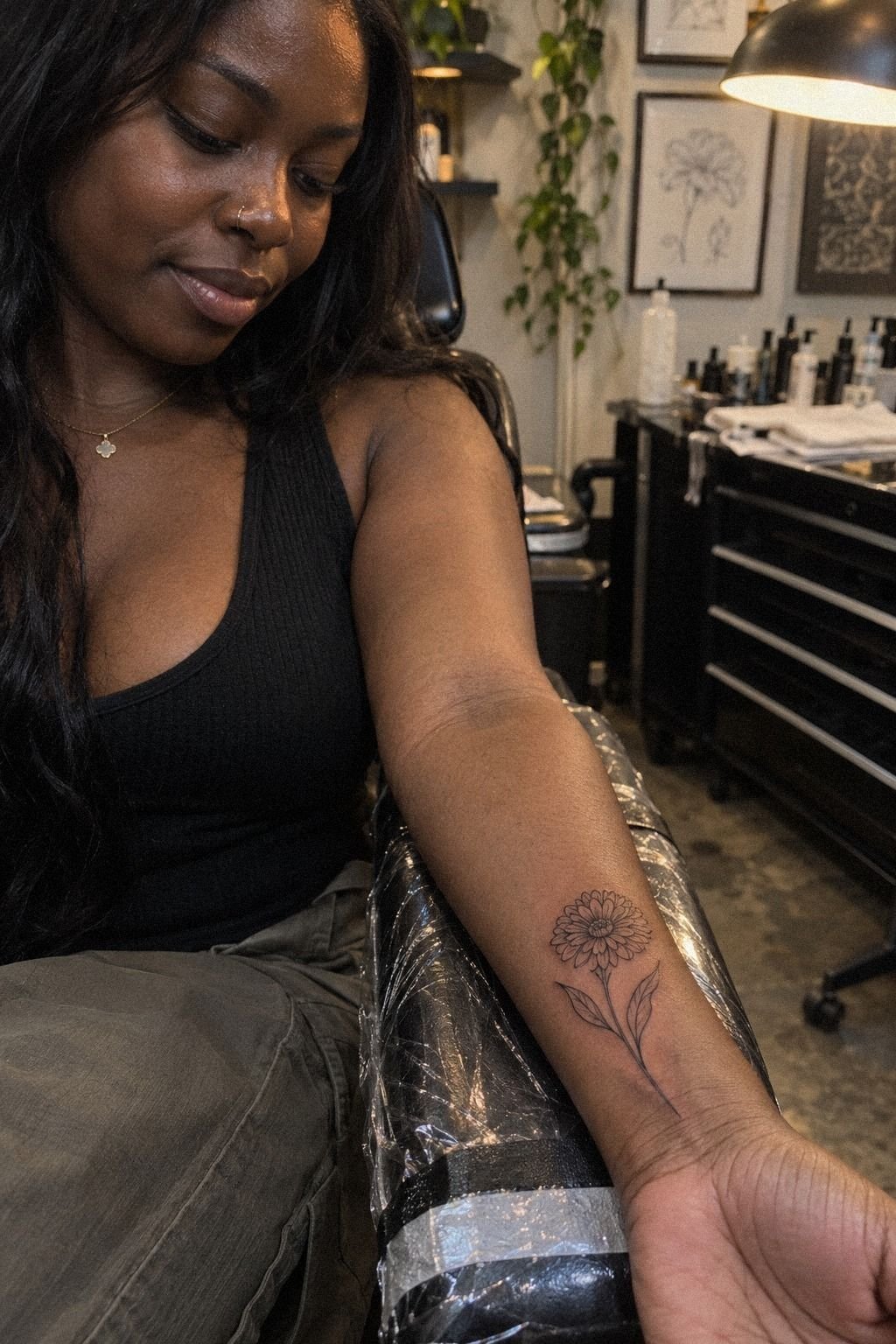
The wrist is visible, easy to check, and naturally suited to a vertical stem. It also gets sun, movement, and frequent contact with clothing, so you’ll need to be realistic about daily wear.
The forearm gives an aster more room while keeping it easy to see. An upper arm can feel more private, and a calf offers a longer vertical canvas. Your striking placement should match how often you want the tattoo on display.
Try the stencil while standing, sitting, and moving your arm. A design that looks centered in one position may shift when your wrist bends or your shoulder relaxes. Placement is part of the design, not an afterthought.
If you’re comparing visible locations, review the flower tattoo ideas page before deciding. The best placement is the one whose visibility, maintenance, and price fit your actual routine.
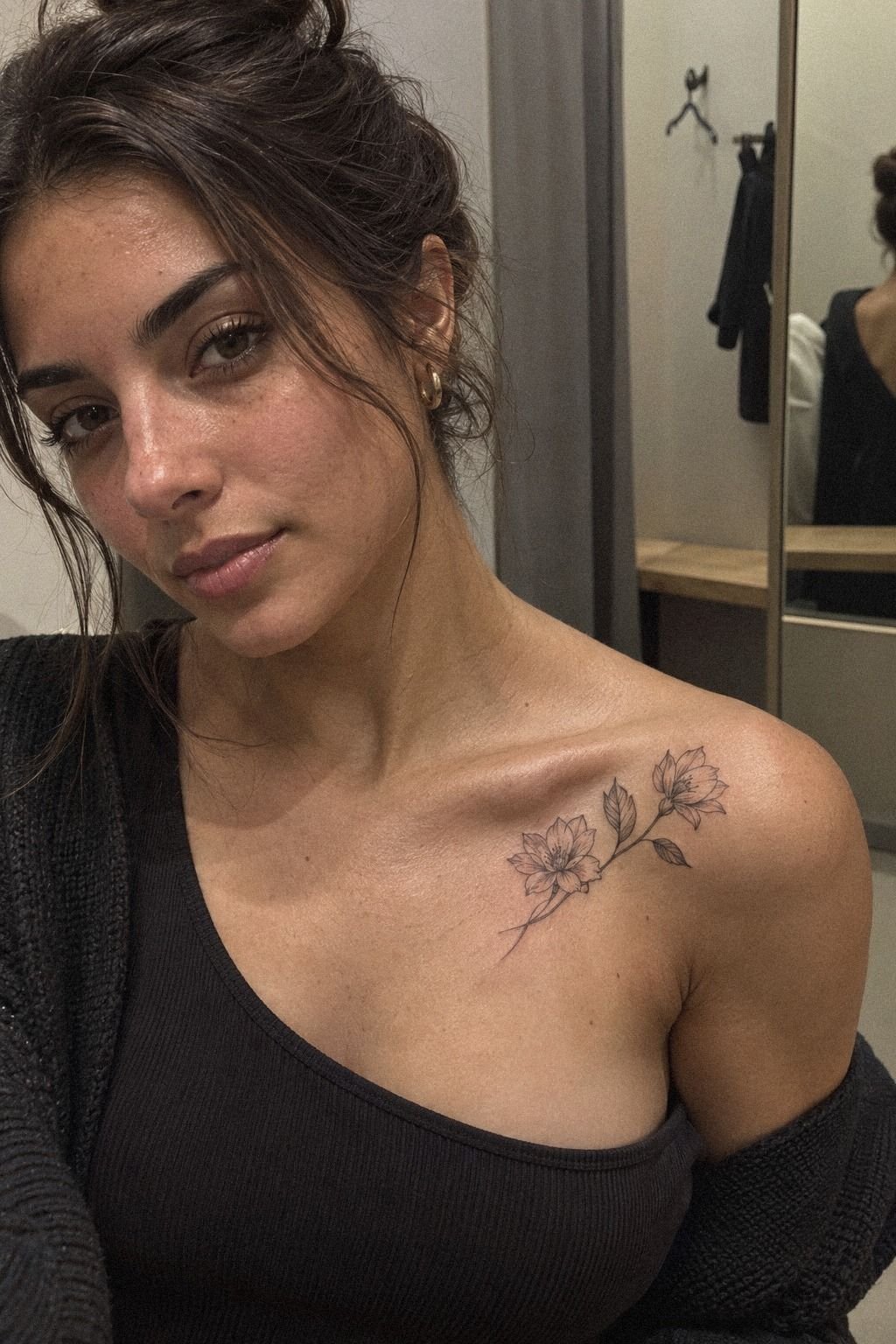
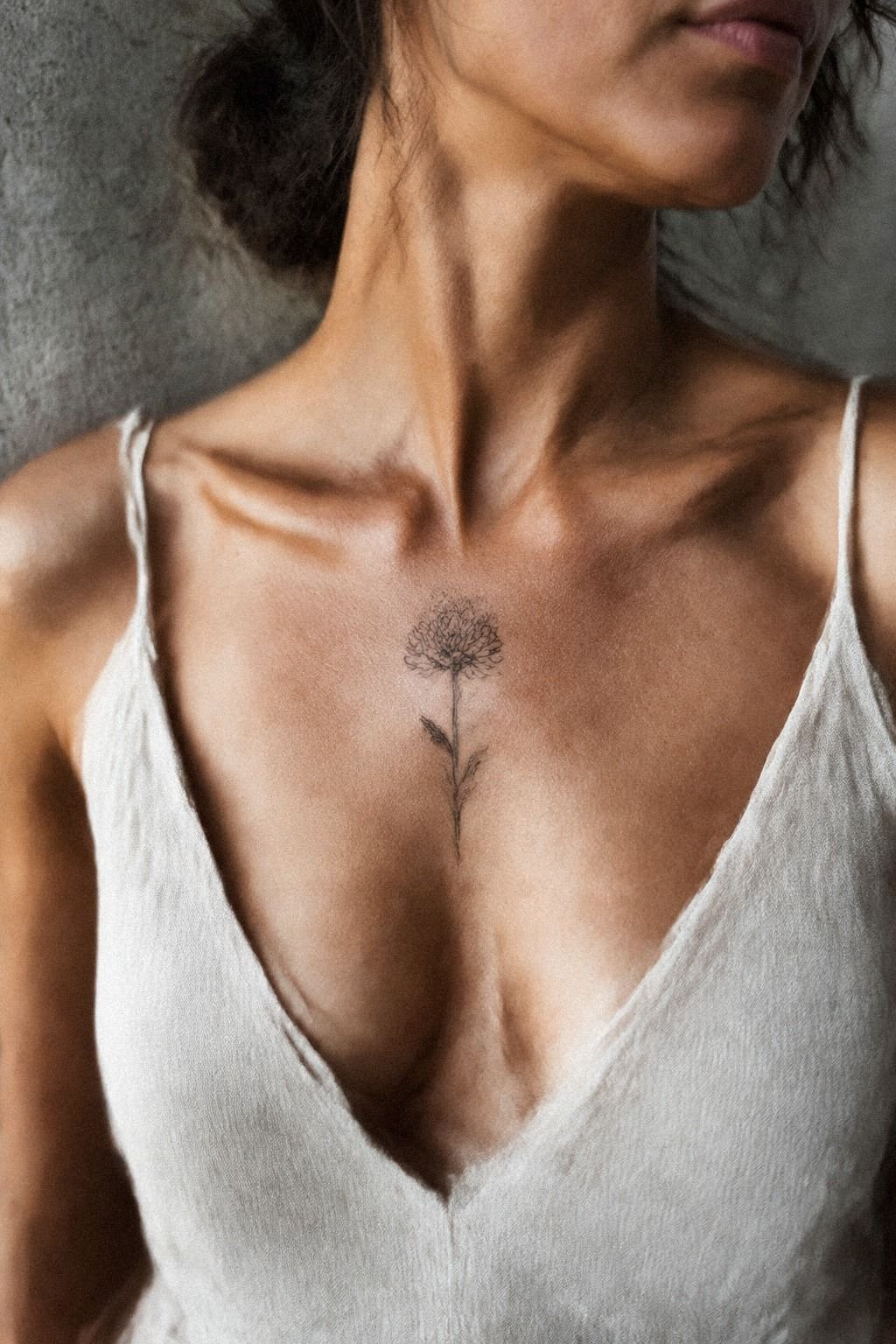
A collarbone placement can feel romantic, while a calf gives the artist more vertical space. A sternum design can look daring, but that area tends to be more sensitive.
Match Placement to Your Actual Routine
Think about sunlight, sports, work clothing, and how often you want to see the design. A visible wrist tattoo makes a personal symbol public every day.
If you prefer control over visibility, the upper arm may feel more comfortable. A private placement can still carry a powerful meaning without becoming a daily conversation starter.
7A Date Beneath the Aster
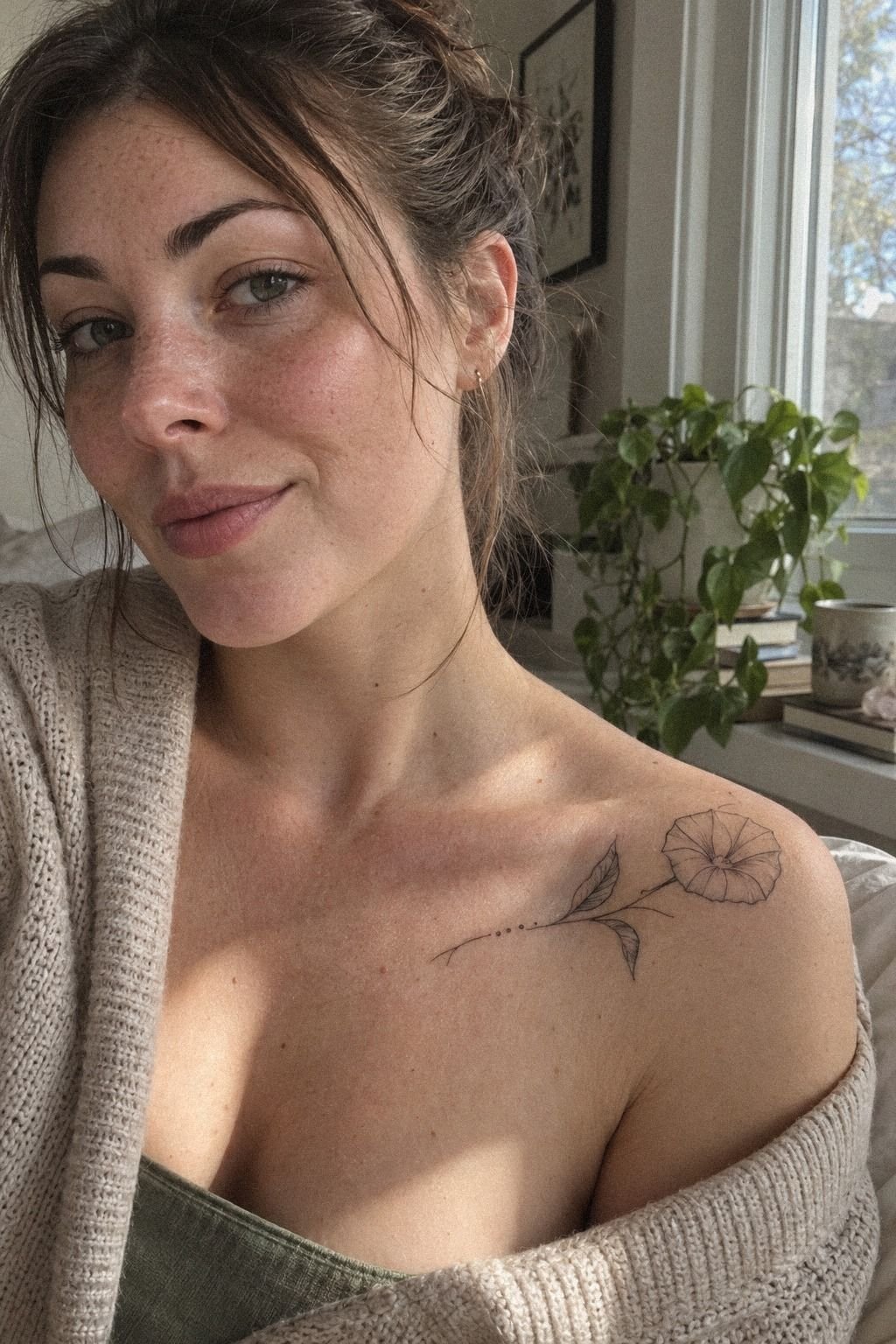
A birthdate detail can make the design more meaningful, but it should support the flower rather than compete with it.
8Keep September Aster Petals Crisp Through Healing
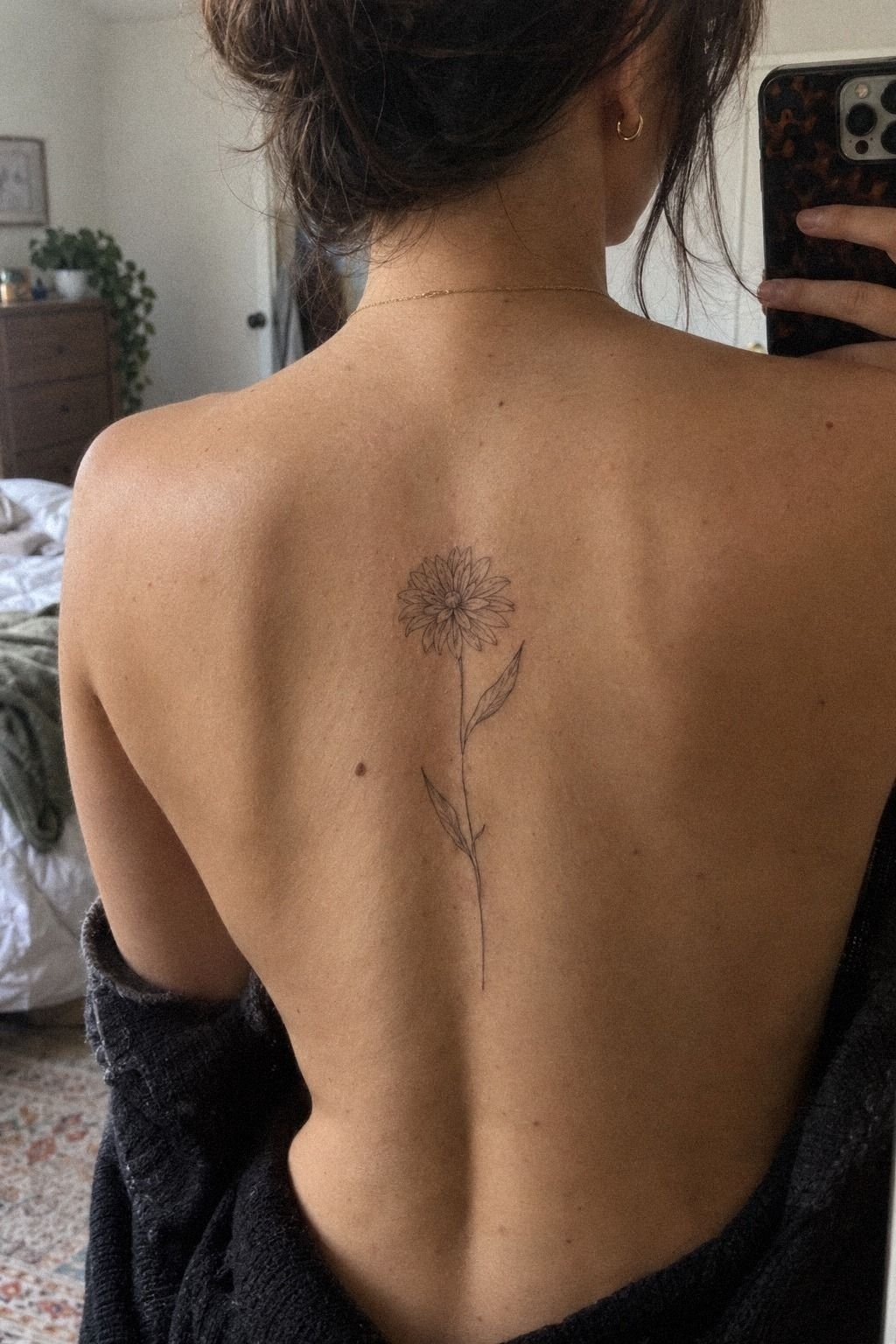
Fresh ink changes while it heals, so your aftercare needs to be gentle and consistent. Follow your artist’s instructions first, especially if they use a bandage such as Saniderm.
In general, wash with a mild cleanser, pat dry, apply the recommended light moisturizer, and avoid picking at flakes. Surface healing may take about two to three weeks, but complete healing often takes two to three months.
During that period, skip swimming and limit direct sun. A soothing routine may feel boring, but it protects the skin while the design settles.
I once treated a small tattoo like it needed no planning. It still rubbed against clothing, caught sunlight, and became itchy at the worst possible time. If your placement touches fabric, wear loose, clean clothing during the first days.
The aster’s sharp petal tips need room to settle. Don’t judge the final color or line softness during the first week. Your artist can assess the healed work later and tell you whether a touch-up is worth the cost.
Good aftercare protects the money you’ve already spent. It’s one of the simplest ways to preserve the tattoo’s value.
The Japanese flower tattoo guide can help you compare designs, but aftercare advice should come from your own artist and the products used during your appointment.
Healing Changes the Design
The first days can make a tattoo look darker, shinier, or more dramatic than expected. A healed aster will usually look softer and more integrated with your skin.
Don’t compare your healing tattoo with a fresh reference photograph. Settled linework is the fairer comparison, especially when you’re judging fine petals or pale color.
9Blackwork vs. Color in September Ink
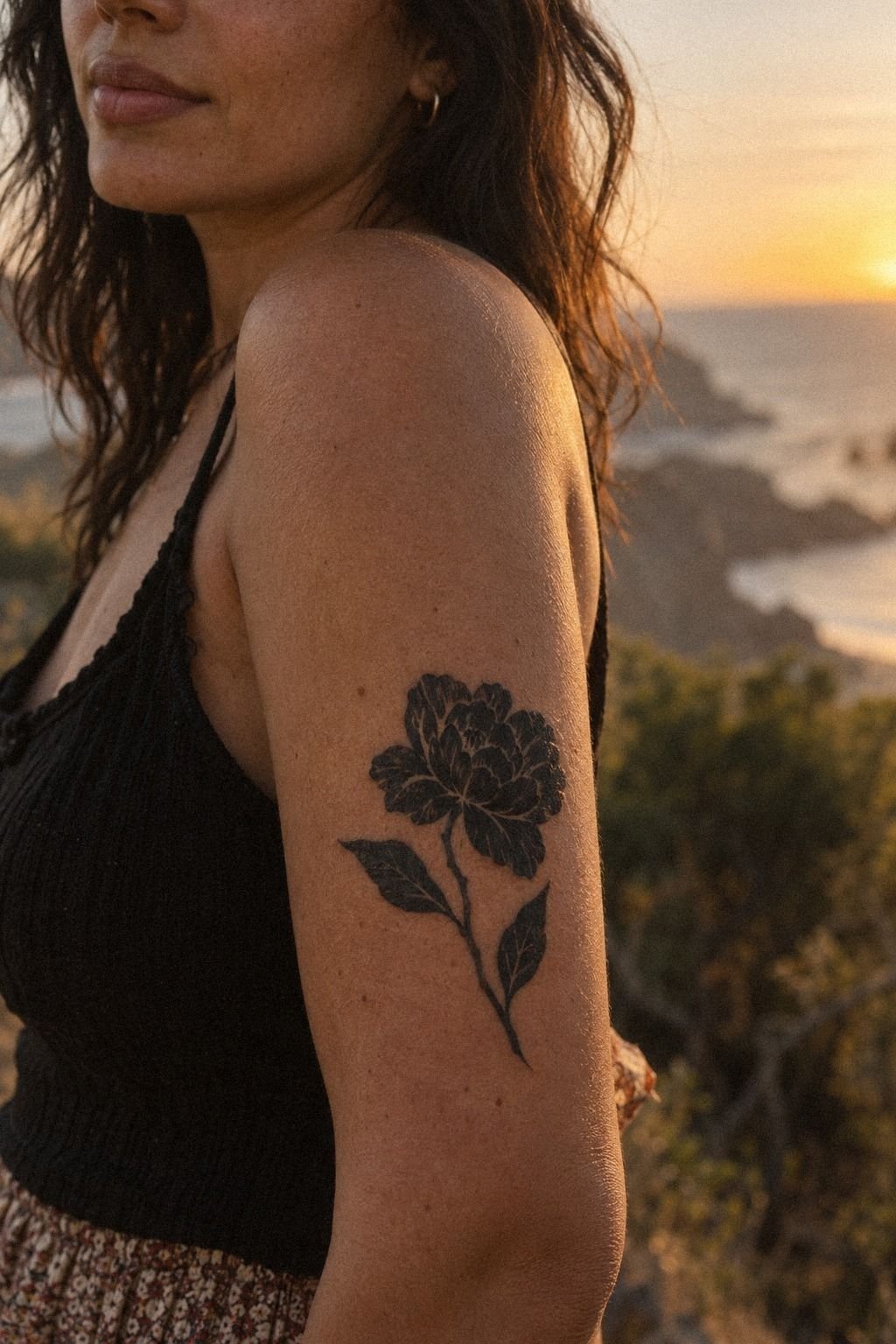
Blackwork can look powerful because the contrast is immediate.
Blackwork Has Its Own Logic
Black ink is not automatically the safer choice. It still needs spacing, line control, and a thoughtful relationship between filled areas and skin breaks.
A crisp blackwork design should leave enough breathing room around the petals. If every gap is filled, the flower may lose its lightness and central shape.
10Your September Flower Story, Made Visible
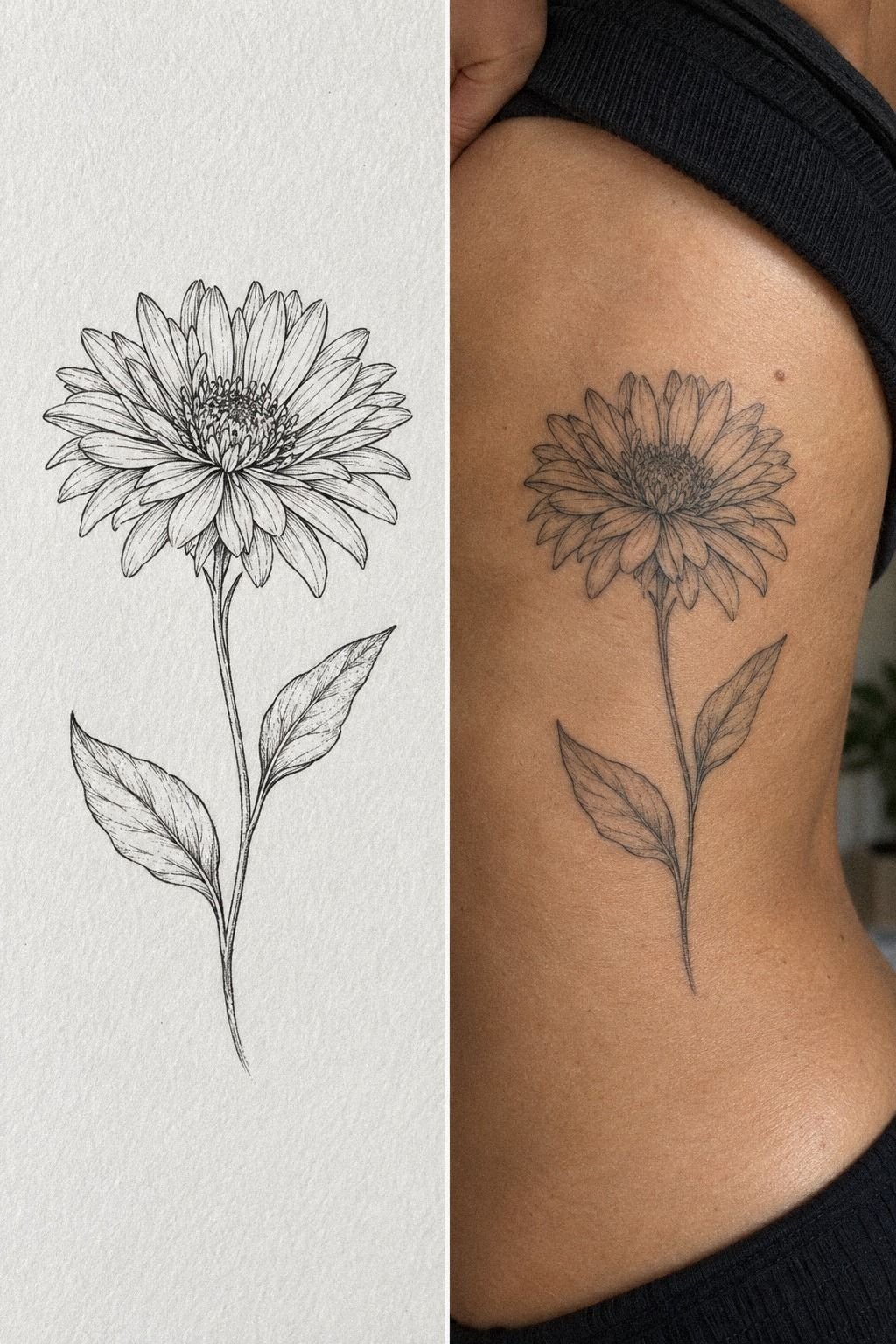
Write down the moment you’re marking before you edit the drawing. Is it a birthday, recovery, family connection, or simply the month you feel most like yourself? A personal story can guide the flower’s direction, the number of leaves, or the choice between blackwork and fine line.
I’d avoid forcing symbolism into every visible mark. One meaningful detail is often enough.
A single leaf can represent a person, while the stem represents continuity. If your story connects to another month, compare the sakura flower tattoo meaning guide before adding a second bloom.
Ask your artist to show the stencil at the intended scale and placement. Stencil Stuff can help create a clear transfer, but you still need to inspect the design while standing, sitting, and relaxing.
What would you still love if nobody asked what it means? That question matters. A timeless tattoo can carry a private explanation, but it shouldn’t need one to look complete.
The most empowering choice may be the one that feels obvious to you and mysterious to everyone else. Meaning doesn’t have to be visible to be real.
11Plan the Consultation: Size, Cost, and Placement
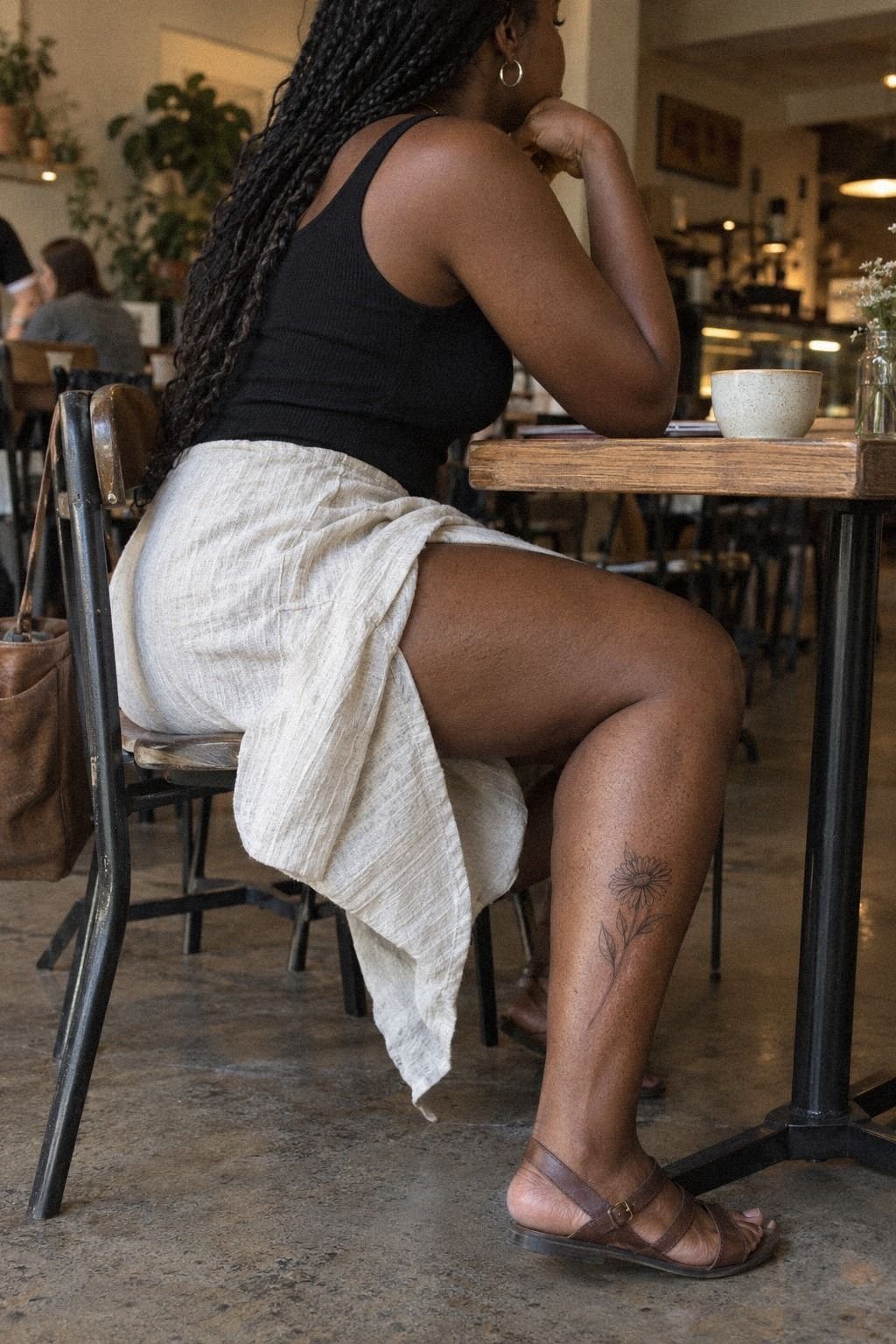
Bring your references, placement ideas, budget range, and questions to the consultation. Your artist should see your skin and the actual body area before finalizing the drawing.
A typical US shop minimum may run about $50 to $100, while hourly rates often fall around $100 to $250. A small tattoo may still have a minimum charge, and your region, artist, size, and complexity can change the total. Ask for an estimate, not a promise.
I’d choose an artist who shows healed floral linework on varied skin tones. Sterile supplies and aftercare products matter, but technical cleanliness and a strong portfolio matter more. Your consultation should feel clear, not rushed.
Ask about resizing before you approve the final drawing. A refined aster may need an extra inch of room to preserve its center and petal gaps. If you’re considering another birth-flower comparison, the birth flower tattoo ideas page is a useful starting point.
Your last decision is simple: choose the version you’d still recognize after the trend passes. A bold question about size, price, or healing now can save you from an expensive correction later.
A larger design may cost more, but the extra space can be worth it if it protects the flower’s readability. Ask what you’re paying for, what can change the quote, and whether the result fits your budget.
The Consultation Is Part of the Design
Bring one favorite reference, one backup reference, and a clear idea of your placement. A focused consultation gives your artist enough direction without forcing them to copy someone else’s work.
Ask how the tattoo may change over time. A lasting composition accounts for line spread, sun exposure, skin movement, and the amount of space between petals.
Why I’d Keep the Aster Simple
I’ve seen first tattoos become emotional filing cabinets. A date goes in, then a name, then a constellation, then another flower because the first design suddenly feels too plain. I understand the impulse.
You want the tattoo to carry everything. But skin isn’t a scrapbook page, and a September aster doesn’t need to perform your whole biography.
My own preference is one flower, one stem, and one private detail. The design can be elegant without looking precious, and it can be fierce without turning into a block of black. I’d rather see a clean aster with a slightly stronger outer line than a crowded fine-line piece that loses its center after healing.
Placement is the decision I’d take most seriously. A wrist is visible and easy to check, but it gets sun and movement.
A collarbone feels intimate and romantic, while a calf gives your artist more space. Sternum work can look dramatic, but that area tends to be more sensitive.
I’d also spend the consultation asking how the design will age. Fine lines can widen. Light color can soften.
UV exposure matters. None of that means your tattoo is doomed.
It means you should choose enough breathing room, protect healed skin, and accept that a living body will edit the artwork over time.
That change doesn’t bother me. A tattoo that stays frozen forever would feel less human.
I want the aster to remain iconic to you while gaining the small softness that proves you’ve lived with it. Keep the shape clear, keep the meaning yours, and let the artist make the drawing fit your skin.
If you want one final comparison before booking, revisit the Japanese flower tattoo guide and ask which details genuinely improve the result. More isn’t automatically better. It just costs more.
What People Always Want to Know
How much does a September Birth Flower Tattoo usually cost?
A small US tattoo often costs about $100 to $300, though shop minimums may be about $50 to $100 and hourly rates often run $100 to $250. Your artist, region, placement, size, and detail level will decide the final quote. Ask for an estimate before booking.
Are September Birth Flower Tattoos a good idea for a first tattoo?
Yes, an aster can be a strong first tattoo because its shape works in a simple outline and can suit the forearm, upper arm, calf, or shoulder. Choose a readable size, review healed work, and select a placement you can care for easily.
How do I choose a tattoo artist for a September Birth Flower Tattoo?
Review a portfolio with healed fine-line and botanical work on varied skin tones. Look for clean line control, clear studio hygiene, and an artist whose style matches your reference. A consultation should cover size, placement, estimated cost, and aftercare before you commit.
How much do September Birth Flower Tattoos hurt?
Pain varies, but ribs, feet, hands, and sternum are often more sensitive because of bone, thin skin, or nerve density. The forearm, thigh, and shoulder are commonly more tolerable. Placement changes the experience, so ask your artist what to expect for your chosen area.
How long does a September Birth Flower Tattoo take to heal?
The surface usually heals in about two to three weeks, while complete healing can take about two to three months. Wash gently, moisturize as directed, avoid swimming, and protect healed skin from direct sun. Patient aftercare protects crisp petals.
What’s the best placement for a September Birth Flower Tattoo?
The forearm or upper arm is a practical choice because the skin gives the design room and visibility is easy to control. A wrist is more visible, while a calf offers more space. Choose the placement that matches your pain tolerance and lifestyle.
Where I’d Start First
If I had to pick one step, I’d start with the design size. A slightly larger aster keeps its petal gaps readable after fine lines soften, while an undersized flower can lose its identity. Pin this guide for your consultation, then let your artist fit the bloom to your skin.