Realism tattoo ideas live or die by the reference photo and the artist. A weak photo gives the artist weak information. A tiny placement gives realism no room to breathe.
Quick answer: Good realism tattoo ideas include animal portraits, family objects, statues, flowers, film stills, pet portraits, and black-and-gray subjects with strong lighting, clear edges, and enough size for detail to heal.
Realism ideas that tattoo better
Realism needs contrast. Flat or blurry references usually become flat tattoos.
| Direction | Best fit | What to watch |
|---|---|---|
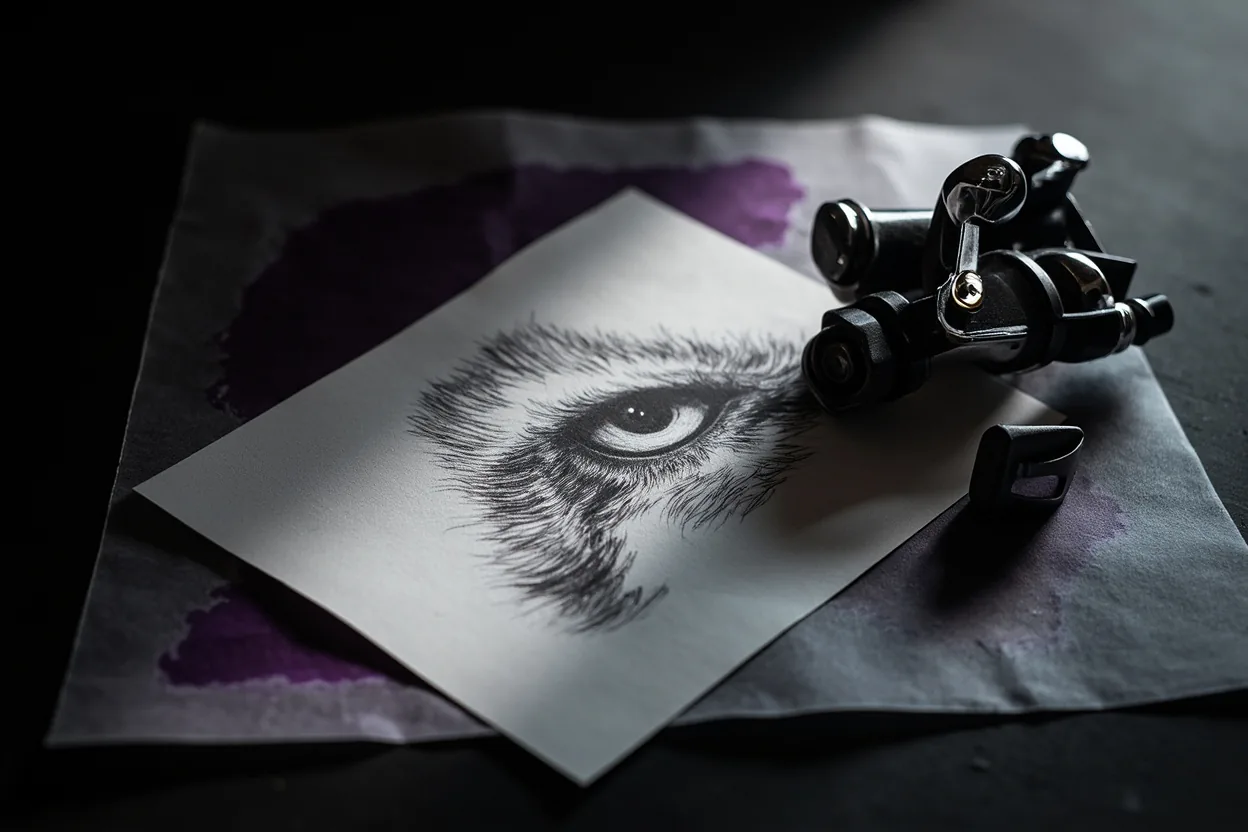
| Animal portrait | Pets, wolves, lions, birds | Fur detail needs scale |
| Family object | Private memory | Use a clear photo |
| Statue or sculpture | Classical mood | Needs strong shadows |
| Flower realism | Soft but detailed | Petal edges can blur |
| Film still | Pop culture reference | Copyright and clarity issues |
Portrait realism lives and dies by contrast. High-contrast subjects, think weathered faces, fur, feathers, and mechanical surfaces with sharp light sources, give your artist something real to work with. Smooth, low-contrast subjects like baby skin or pale sky backgrounds flatten out once healed and lose that three-dimensional pop you’re paying for.
Placement seals the deal. Large thighs, the outer upper arm, and the calf all give enough flat real estate for a realism piece to breathe. Ribs and hands are high-wear, high-flex zones that fade faster and can blow out fine detail within a few years. A chest or back piece across the shoulder blades holds black and grey beautifully for decades if you stay out of the sun.
The reference photo matters
Your reference photo is half the tattoo before the needle even touches skin.
Use a high-resolution image with clear lighting and a strong focal point. A screenshot pulled from a social app is usually not enough for a serious realism tattoo.
If the tattoo is a memorial portrait or pet portrait, do not force a bad photo because it is emotionally important. Ask the artist whether they can build a better reference from several images.
Print your reference photo at the actual tattoo size before your appointment. Seriously. A 4×6 phone screenshot handed to your artist is not a reference, it’s a guess. You want a high-resolution image, ideally 300 DPI or higher, with a single strong light source. Mixed lighting, like indoor lamp plus window light, creates confusing shadows that don’t translate cleanly to skin.
Shoot your own reference if you can. Get your subject outdoors in open shade, no direct sun, no flash. That soft directional light creates the gradients a realism artist uses to whip shade and build depth. Avoid photos with heavy filters, skin-smoothing apps, or heavy JPEG compression. What looks good on Instagram looks muddy tattooed.
Artist checks
Realism is specialty work. Treat it that way.
- Ask for healed realism tattoos, not only fresh portraits.
- Check eyes, noses, and edges carefully.
- Ask what size the tattoo needs.
- Ask whether black-and-gray or color will age better for the subject.
Pull up healed photos, not fresh ones. Every artist’s portfolio should have healed work, ideally six months to a year out. Fresh tattoos look crispy and saturated right off the table, but healed black and grey realism tells you everything about how that artist builds lasting value in the skin. Look for clean transitions, solid blacks that stayed black, and fine line detail that’s still readable.
Ask your artist how they handle skin tone during consultation. Realism on darker skin tones requires a different approach with pigment saturation and contrast ratios. An artist who can’t answer that question confidently hasn’t tattooed enough diverse skin to take your money. Also check their needle groupings. Magnum shaders and curved mags do different work, and a realism specialist knows exactly when to switch.
Realism mistakes
The biggest mistake is going too small. Realism needs room for contrast and detail.
Another mistake is asking a non-realism artist to copy a photo because their price is lower. Repairs on realism are hard.
Going too small is the number one realism mistake. A portrait needs at minimum a four-inch face to hold the eyes, nose, and mouth with enough space between features. Compress that onto a two-inch design and the detail blurs together once healed. Your artist is not being difficult when they push for a bigger piece. They’re stopping you from getting a blob in six months.
Skipping touch-ups is the other big one. Realism heals uneven. Some areas absorb pigment differently, especially over bony spots or dry skin zones. Budget a touch-up session at six to eight weeks out and treat it as part of the cost, not an extra. A piece that reads from across the room at week eight versus week two is a completely different tattoo. That final pass is where the detail gets locked in.