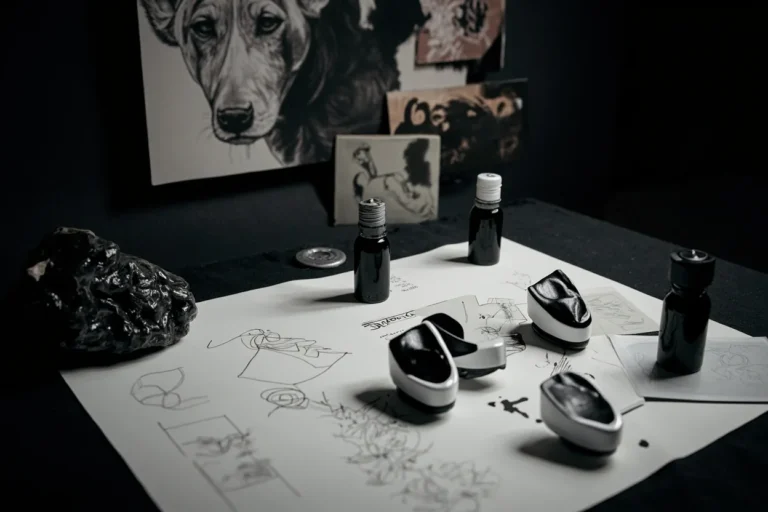
Horror realism tattooing takes the technical precision of photorealistic portraiture and pushes it into dark, unsettling territory, demonic faces, rotting flesh, spectral figures, and creatures rendered with the same anatomical accuracy you’d expect from a medical illustration. The style demands mastery of value gradation, texture variation, and the controlled use of negative space to create images that feel genuinely three-dimensional and emotionally disturbing rather than cartoonishly grotesque.
Who It Suits
This style rewards commitment. Horror realism works best on people who understand that the shock value will mellow over decades, leaving behind a technically impressive piece that may read differently at sixty than it did at twenty-five.
Placement Considerations
Large, flat surfaces dominate for good reason. The upper arm, outer thigh, chest panels, and full back provide the uninterrupted canvas needed for the subtle gradations that sell the illusion. Hands, feet, and the neck’s mobile skin tend to blur the fine details that define the style. Ribs and stomachs present their own challenge: the stretching and contracting of breath can distort a carefully rendered face into something unintentionally comical.
Some collectors specifically want the visceral reaction, the visible piece that starts conversations, that makes strangers look twice. Others choose placement for concealment: the full sleeve hidden under a blazer, the back piece seen only in intimate settings. Both approaches are valid, but they should be decided before the design phase begins, not after.
Skin Tone and Aging
Darker skin tones require adjusted approaches. High-contrast black and grey can appear muddy if the artist pushes too light; saturated color sometimes holds more punch. The best horror realism artists working on melanin-rich skin build value through dense, deliberate black packing rather than relying on subtle grey washes that may heal indistinguishable from one another.
Choosing the Right Artist
Not every realism specialist handles horror well. The transition from flattering portraiture to disturbing imagery requires a different emotional register, understanding how to make skin look genuinely violated, how to render moisture and decay without crossing into camp.
What to Look For in a Portfolio
- Consistent texture rendering: leather, bone, wet membrane, dry rot
- Controlled use of pure black, too much kills depth, too little lacks punch
- Evidence of healed work, not just fresh photography
- Original reference manipulation, not direct copies of movie stills
- Comfort with large-scale compositions that use the body’s shape
Ask specifically about their reference-gathering process. Artists who composite multiple sources, anatomical studies, texture photography, lighting references, tend to produce more original, more convincing results than those working from a single screenshot.
Red Flags
Be wary of portfolios where every face looks like the same person with different wounds. That indicates formulaic thinking. Similarly, artists who only show fresh work may not understand how their grey washes settle over time. Horror realism that looks stunning on day three can become illegible at year three if the mid-tones were placed too close to the skin’s surface.
Common Mistakes to Avoid
The biggest error collectors make is underestimating the scale required. A palm-sized demon face cannot carry the detail that makes horror realism effective. The eyes become muddy smudges. The tooth enamel reads as flat white. These pieces need room to breathe.
Design Pitfalls
Overcrowding kills the mood. A screaming face surrounded by flames, snakes, a full moon, and Gothic lettering becomes visual noise. The most effective horror realism often isolates its subject, one figure, one light source, one emotional beat. Negative space isn’t emptiness; it’s the darkness that makes the horror visible.
Another frequent misstep: choosing imagery for shock value alone without considering longevity. The hyper-detailed zombie portrait based on this year’s viral game character will date itself faster than a more archetypal approach. Classic horror imagery, vampiric features, spectral pallor, anatomical corruption, has proven its staying power across decades of tattoo culture.
Technical Misjudgments
Attempting heavy color saturation in a single session leads to overworked skin and patchy healing. Horror realism demands patience. The best pieces build density across multiple passes, allowing the skin to recover between layers. Insisting on “getting it done faster” sacrifices the very realism that defines the style.
Cost & Sessions
Quality horror realism sits at the premium end of tattoo pricing. The technical skill required, smooth grey transitions, precise line variation, controlled saturation, takes years to develop, and artists price accordingly.
Session Breakdown
A full sleeve in this style typically runs eight to fifteen sessions, depending on the artist’s pace and the complexity of the imagery. Single large pieces like a chest panel or back piece often require six to ten sessions minimum. Each session generally runs three to four hours; beyond that, skin swelling degrades the artist’s ability to place consistent tone.
Hourly rates for established horror realism specialists range from $200 to $500, with some commanding higher for specialized techniques like hyperrealistic color or mixed media approaches. Flat day rates are common for larger projects, often $1,500 to $3,000 per day.
Budget Realities
The piece you want may cost more than your first car. This isn’t markup for mystique; it’s the time required. A detailed black and grey portrait the size of a sheet of paper can represent forty to sixty hours of needle time alone, not counting design preparation. Payment plans are increasingly common among reputable artists, but the total investment remains significant.
Aftercare Notes
Horror realism’s heavy black packing and dense grey saturation create specific healing challenges. The skin has been worked more extensively than in lighter styles, and the consequences of poor aftercare show more dramatically.
Healing Specifics
Scabbing tends to be heavier in solid black areas. Resist the urge to pick; the resulting patches heal lighter and disrupt the smooth gradients essential to the illusion. Moisture management matters enormously, too dry, the skin cracks and loses ink; too wet, bacteria thrive in the saturated environment.
Sun exposure during the first month can permanently alter how black ink settles. The melanin production triggered by UV exposure can create a grey veil over your darkest areas, reducing contrast that took hours to build. Plan your timing; starting a large piece before a beach vacation is poor strategy.
Long-Term Maintenance
All tattoos shift, but horror realism’s reliance on subtle value gradations makes it particularly vulnerable to sun damage and natural aging. A piece that looked terrifyingly three-dimensional at year two may flatten by year ten as the finest details soften. Strategic touch-ups every five to eight years preserve the impact, particularly in the lightest grey washes that fade first.
Color vs Black and Grey
The choice between approaches defines the emotional temperature of the piece.
Black and Grey Dominance
Most horror realism lives here, and for sound technical reasons. Black ink ages most predictably, maintaining its density for decades. The tonal range from pure black to skin tone provides sufficient vocabulary for rotting flesh, hollow eyes, and spectral pallor. The approach also heals more forgivingly; slight inconsistencies in grey wash saturation are less jarring than patchy color.
Artists working exclusively in black and grey often develop extraordinary sensitivity to temperature, the subtle warmth or coolness of a grey tone that suggests living tissue versus dead, fresh corruption versus desiccated remains.
Color Applications
When color appears in horror realism, it typically functions as strategic accent: the arterial spray, the infected yellow of a wound, the unnatural blue of hypoxic tissue. Full-color horror realism exists but demands exceptional technical control. Skin undertones interact unpredictably with color pigments; what reads as corpse-grey on paper may heal purple on some clients, greenish on others.
The most successful color horror realism I’ve encountered uses limited palettes, three to four colors maximum, applied with the same value-based thinking as black and grey work. The color carries information, not decoration.
What to Remember
Horror realism tattooing is a marathon, not a sprint. The best pieces in this style represent hundreds of hours of collective effort, design, execution, healing, and eventual maintenance. Choose your artist based on their healed portfolio, not their Instagram freshness. Commit to the scale the style demands. Protect your investment from sun and neglect.
The discomfort of a long session, the cost, the planning required, all of it serves the final effect: an image that doesn’t merely depict horror but generates it in the viewer through sheer technical conviction. That power is worth the weight.
Frequently Asked Questions
How do horror realism tattoos look after 10-15 years?
Fine details like individual teeth or subtle skin textures soften first, but strong value contrast and solid black areas hold remarkably well. The piece becomes more painterly, less photographic, which many collectors find equally compelling. Strategic touch-ups restore the original impact.
Can horror realism work with existing tattoos nearby?
Difficult but possible. The style’s heavy black saturation can overwhelm lighter neighboring work. Skilled artists design transitions that acknowledge existing pieces without matching their density, sometimes using atmospheric elements like fog or shadow to bridge disparate styles.
Why do some horror realism faces look “off” or unintentionally funny?
Usually proportion distortion from poor placement on curved body areas, or insufficient scale to render facial structure accurately. The uncanny valley effect intensifies with slight errors in horror imagery, our brains are specifically attuned to detect something wrong in faces.
Is it harder to find artists who do original horror designs versus movie character portraits?
Yes. Many artists comfortable with technical execution rely on direct film references for subject matter. Original horror design requires both illustration skill and narrative imagination, understanding what makes an image disturbing beyond recognizable characters. Expect to pay more and wait longer for truly original work.
Related Style Guides
- Realistic Eyeball Tattoos: Complete Style Guide
- Realistic Michael Myers Tattoos: Complete Style Guide
- Realistic Pin Up Tattoo: A Complete Style Guide
- Explore more