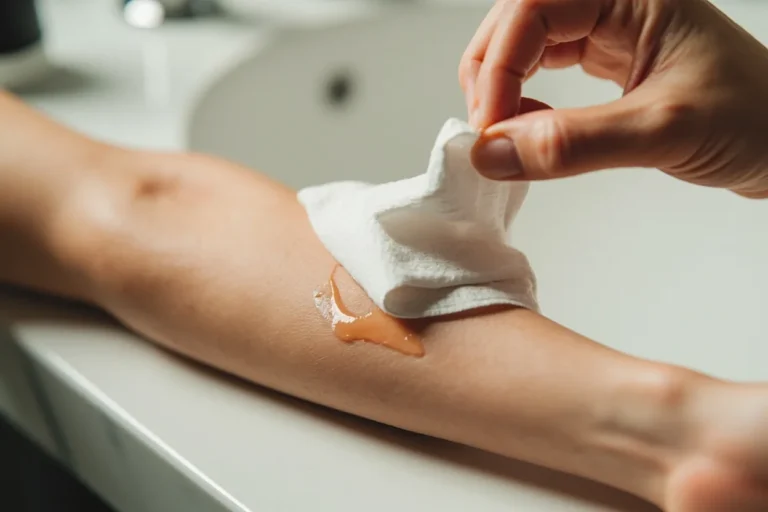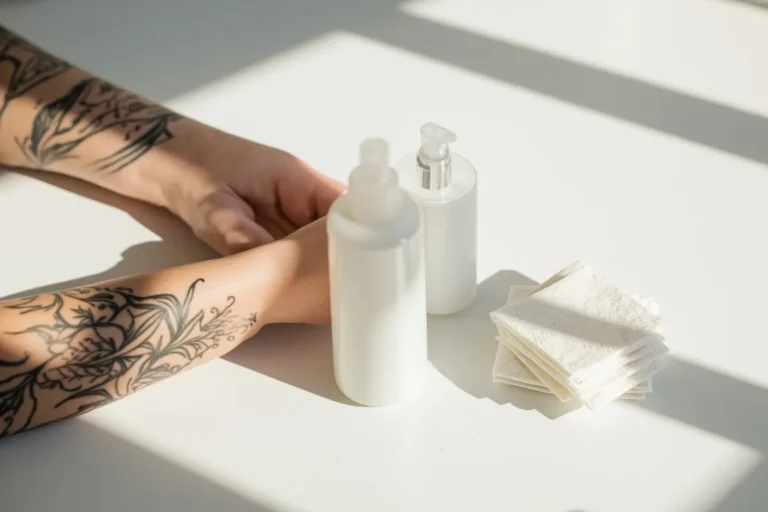
Tanning after a tattoo is one of the fastest ways to irritate healing skin and shorten the life of color and fine detail. Fresh tattoos need shade, not a tan line.
Quick answer: Do not tan a fresh tattoo. Avoid direct sun and tanning beds until the tattoo is fully healed. After healing, use high-SPF sunscreen and limit UV exposure because sun fades black, color, and fine line tattoos over time.
Tanning risk by stage
The risk changes as the tattoo heals, but UV exposure never becomes good for ink.
| Direction | Best fit | What to watch |
|---|---|---|
| Fresh tattoo | Open healing skin | Avoid sun completely |
| Peeling stage | Skin barrier still weak | Do not tan |
| Settled but new | Looks healed, still sensitive | Use caution and cover |
| Fully healed | Lower immediate risk | UV still fades ink |
| Color tattoos | Higher fading concern | Protect consistently |
Fresh ink is an open wound, plain and simple. Days 1 through 7, your skin is weeping plasma, peeling, and rebuilding. Any UV exposure during this window pulls moisture out of the dermis right when new skin cells are trying to lock that pigment in place. You’ll see color go muddy, lines blur, and black and grey pieces lose their contrast before they’ve even had a chance to set.
Weeks 2 through 4 are the deceptive phase. The surface looks healed, but deeper layers are still knitting together. Tanning now is like sprinting on a sprained ankle because it feels okay. A saturated color piece or a fine line floral on the forearm can fade noticeably in one beach afternoon at this stage. Wait the full 4 to 6 weeks minimum, and even longer for thick, whip-shaded work.
Why UV is a problem
Your sunscreen budget is your tattoo's best long-term investment.
A fresh tattoo is a controlled wound. Sunburn on top of that can increase irritation, scabbing, color loss, and healing problems.
After healing, UV breaks down pigment and can make tattoos look dull faster. Fine line, pale color, and watercolor tattoos are especially vulnerable.
UV radiation breaks down pigment molecules at the molecular level. Lighter colors, yellows, whites, and pastel pinks, take the hit hardest because they have less density to absorb the damage before it shows. Black ink holds longer but still fades over years of unprotected sun. A solid black traditional piece that reads clean from across the room at six months can look washed and patchy by year two if you tan constantly without SPF.
Tanning beds are actually worse than direct sunlight for fresh tattoos. The UVA concentration in a bed is significantly higher than midday sun, and you’re getting full-body exposure with no shade relief. Blowouts, where ink spreads under the skin and looks blown out at the edges, can be worsened by swelling and heat, and a tanning bed generates both. Keep new work nowhere near a bed until it’s fully healed and cleared by your artist.
Safer planning
Plan tattoos around vacations, beach days, and tanning habits.
- Do not book right before a sunny trip.
- Cover the tattoo with loose clothing while healing.
- Use sunscreen only after the tattoo is healed.
- Ask your artist when your specific tattoo can be exposed.
The smartest move is timing your tattoo appointment with the season. Get tattooed in fall or winter when you’re not at the beach every weekend. High-wear zones like forearms, shoulders, and the back of the calves are constantly exposed during summer, which makes healing clean a real challenge. Lower-wear placements like ribs, thighs, or upper back give you a better shot at keeping things covered naturally.
Once your tattoo is fully healed, SPF 30 to 50 is non-negotiable before any sun exposure. Use a broad-spectrum mineral sunscreen, not a chemical one, since mineral sits on top of the skin instead of absorbing into it. Reapply every two hours if you’re sweating or swimming. This isn’t just about protecting the tattoo short-term. Consistent SPF is the single biggest factor in whether a piece still looks crispy and saturated five years out or looks like a blurry photocopy.
Tanning mistakes
Do not put sunscreen on a fresh tattoo unless your artist or clinician has told you the skin is ready. Fresh tattoo care is not the same as normal skincare.
Do not use a tanning bed because it feels controlled. UV is still UV, and healing skin does not need it.
The biggest mistake is treating sunscreen as optional once the tattoo ‘looks’ healed on top. A lot of people slap lotion on a fresh piece and call it protected. Lotion is not sunscreen. Another classic error is using a tanning accelerator near new ink. Those products increase melanin production and UV sensitivity across the skin, which is the exact opposite of what you want sitting over a healing tattoo on your shoulder or forearm.
Self-tanner is a separate category and a lot of people forget it. A spray tan or self-tanning lotion applied over a fresh tattoo will oxidize unevenly because the skin texture is still irregular during healing. You’ll end up with a streaky, orange-tinted layer sitting over your ink that distorts how the colors read. Wait until the skin is fully smooth and healed before using any of it, and always do a patch test near the edge of the piece first.