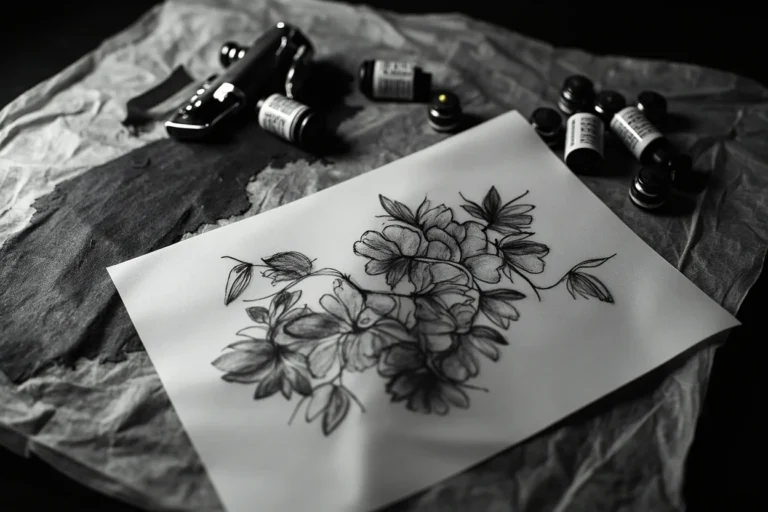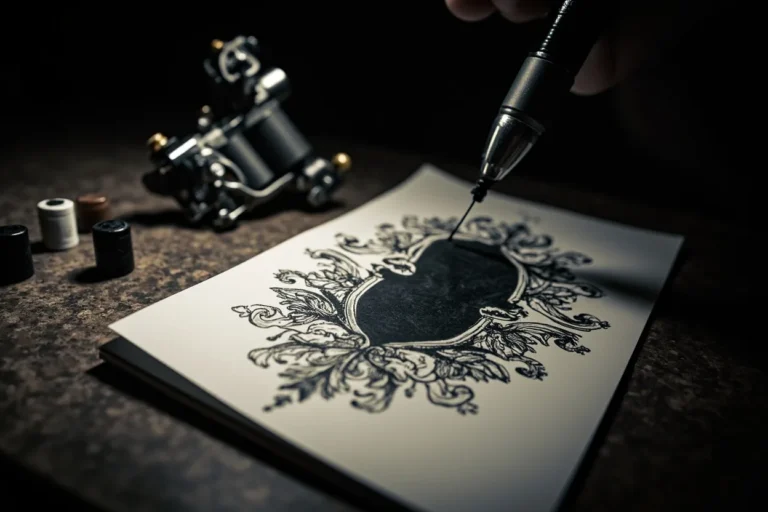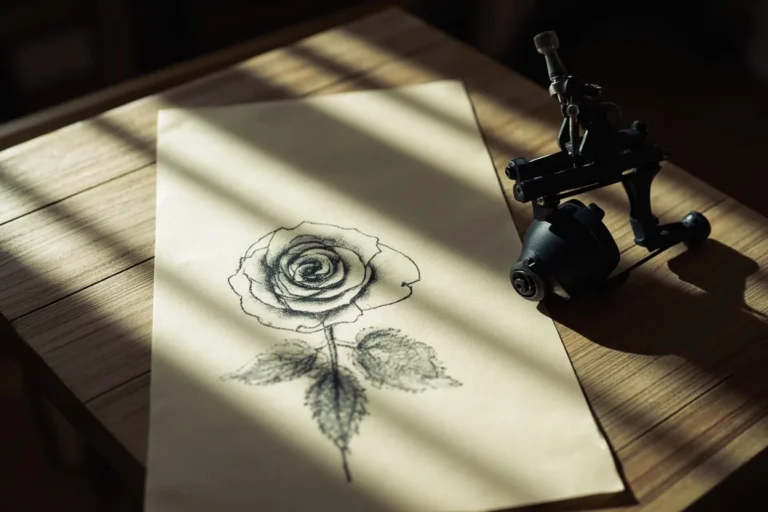
A bad fine line tattoo is frustrating because the style leaves so little room to hide mistakes. A tiny wobble, blowout, or faded line can become the whole tattoo.
Quick answer: A bad fine line tattoo may be fixable with a touch-up, slightly bolder rework, added shading, cover-up, or laser lightening. The right option depends on whether the issue is fading, blowout, crooked lines, poor design, or placement.
Fine line fix options
Name the problem before choosing the repair.
| Option | Best use | Keep in mind |
|---|---|---|
| Faded line | Touch-up or second pass | Wait for full healing |
| Crooked line | Rework or cover detail | May need bolder design |
| Blowout | Camouflage or laser consult | Hard to fully fix |
| Too tiny | Redesign or cover-up | Touch-up will not add space |
| Bad placement | Work around it | Cannot move the tattoo |
A bad fine line tattoo usually falls into one of three categories: blowouts from a needle going too deep, gaps and breaks in the line from inconsistent hand speed, or faded patches that never saturated properly. Each one has a different fix. Blowouts can sometimes be softened by adding surrounding negative space or converting the whole piece to a black and grey wash. Gaps and weak spots are the easiest, a skilled artist can trace right over them with a fresh pass on healed skin.
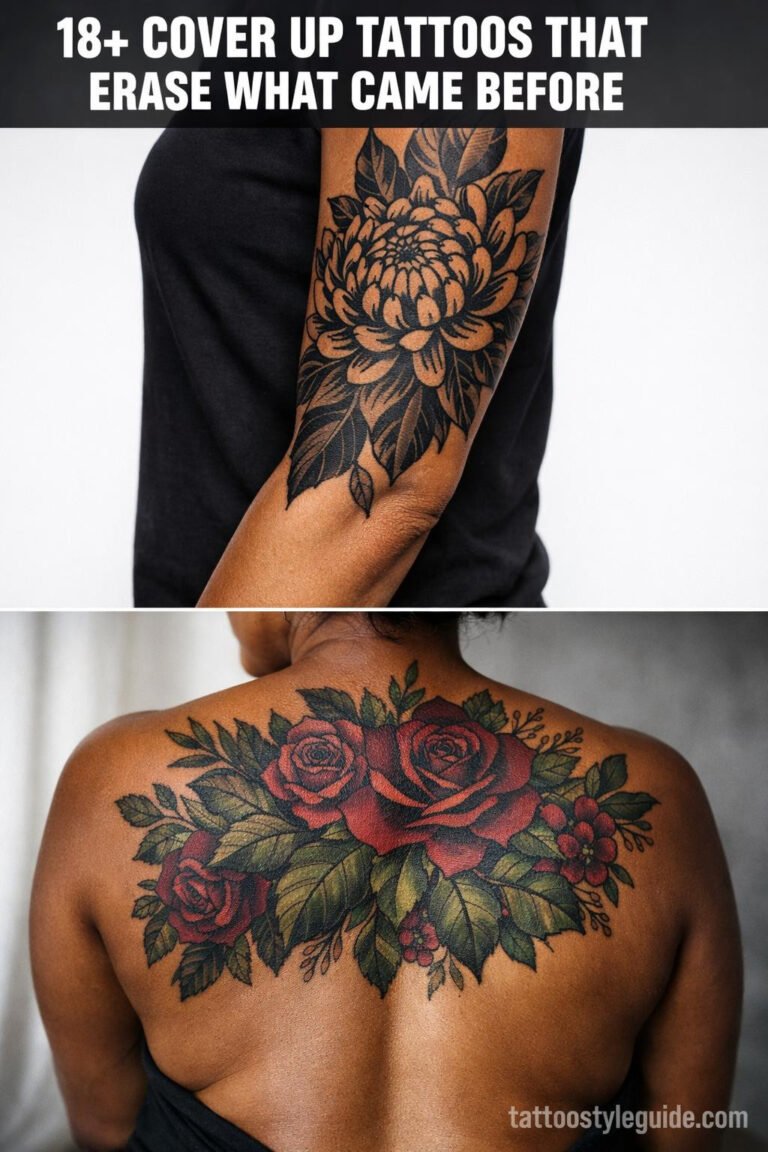
If the original work is too light and scattered to clean up in place, a coverup is on the table. Fine line doesn’t cover well with more fine line though. You need density, a bold black design, a larger floral, or a dark geometric pattern placed strategically over the problem area. Your artist will map the old lines and design around them so the damage reads as shadow, not mistake.
What makes this work on real skin
Fine line mistakes are fixable. The only real mistake is rushing the fix.
Fine line repairs often require making the tattoo less fine. That can be the right decision if it gives the design structure.
Do not rush a fix while the tattoo is still healing. Fresh irritation can look worse than the final result.
Skin texture is everything here. Fine line on soft, thin skin like inner wrists, inner biceps, or behind the ear heals crispy when done right but also blows out faster if the original artist went too deep. Those same zones are actually good candidates for touchup work because they sit relatively flat and the artist has clean access. Ribcage and knee ditch are spicy and tend to heal patchy no matter who does the work, so managing expectations there is part of the conversation.
Healed skin takes ink differently than fresh skin. A touchup on a six-month-old piece needs a lighter hand than the original session because scar tissue and settled dermis resist saturation. A good artist will do a conservative first pass, let it heal four to six weeks, then assess. Pushing too hard trying to pack color in one go causes trauma that blurs the very lines you’re trying to fix.
Before you book or apply it
Ask a fine line specialist or cover-up artist to evaluate the healed tattoo.
- Wait until healing is complete.
- Photograph the tattoo clearly.
- Ask whether bolder linework would help.
- Ask if laser is better before a cover-up.
Wait at least three months before booking a fix, longer if the tattoo is still peeling or looks uneven. A lot of fine line work that looks thin and broken at week two settles into something clean by month two. Booking a touchup on a tattoo that’s still healing is a waste of your money and your artist’s time. Take a photo in natural light, no filter, at arm’s length. That’s what your artist needs to actually assess the damage.
Do your homework on who you’re booking. Look at their healed work specifically, not fresh photos. Fresh fine line always looks sharper than it will in six weeks. Ask the artist directly whether they recommend a touchup, a rework, or a coverup, and get a straight answer on cost. Touchups on simple line corrections might run fifty to a hundred dollars. A full rework or coverup is a new tattoo price, expect two hundred and up depending on size and complexity.
Mistakes to avoid
Do not let the original mistake push you into another rushed appointment.
Do not demand the tattoo stay ultra-delicate if delicacy is what caused the problem.
Safety source note: This guide keeps safety advice conservative and points readers to primary public-health or dermatology sources.
Don’t go back to the artist who messed it up unless you’ve seen proof they’ve improved or identified what went wrong. A blowout from rushing means they’ll likely rush the fix too. And don’t let anyone talk you into layering more fine line directly over a blown-out area. It won’t hide anything. It just adds more scattered ink to an already muddy patch and makes a coverup harder later.
Placement matters for longevity too. High-wear zones like fingers, palms, feet, and the inside of elbows eat fine line fast. If your original piece sat in one of those spots and healed poorly, switching to a bolder style on the rework is the smarter call. Bold will hold where fine line fades. Trying to repeat the same delicate approach in a high-movement area is how you end up back in the same chair six months from now.