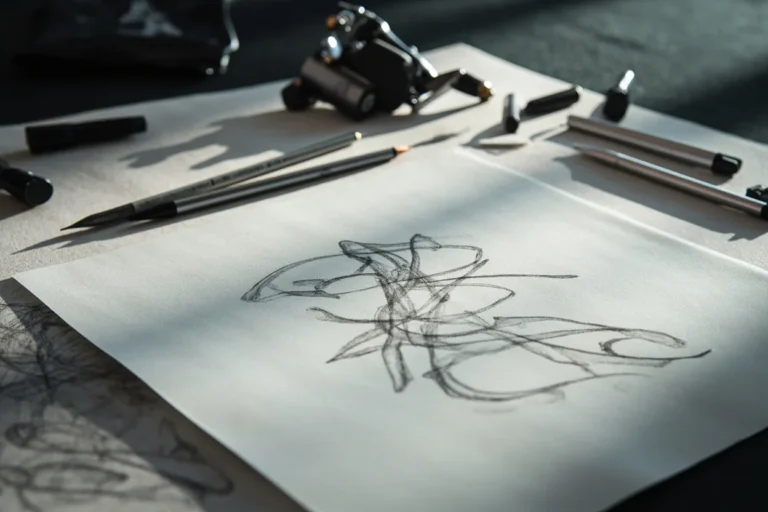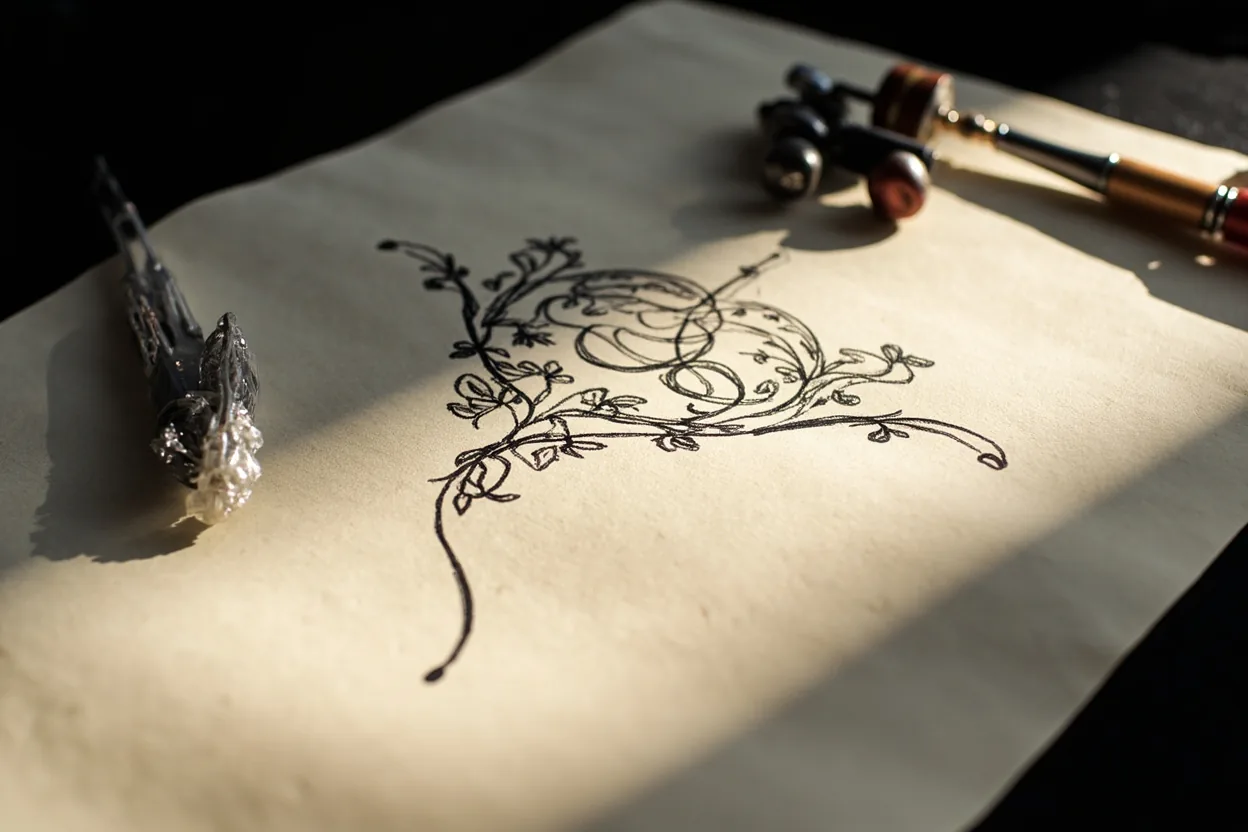
Scar cover tattoo ideas need more care than normal tattoo ideas because scar tissue is not normal skin. Texture, age, sensitivity, and cause of the scar all matter.
Quick answer: Good scar cover tattoo ideas include florals, leaves, feathers, animals, blackwork, ornamental patterns, and textured designs that can work with uneven skin. Scar cover tattoos should wait until the scar is mature and should be discussed with a qualified artist and clinician when needed.
Scar cover directions
The best design often works with the scar instead of pretending texture is not there.
| Option | Best use | Keep in mind |
|---|---|---|
| Floral design | Organic scar flow | Petals can hide texture |
| Leaves or vines | Long narrow scars | Needs body-aware placement |
| Blackwork texture | Dense or uneven areas | Can be heavy |
| Feather or animal | Directional scars | Detail needs room |
| Ornamental pattern | Structured cover | Symmetry may be hard |
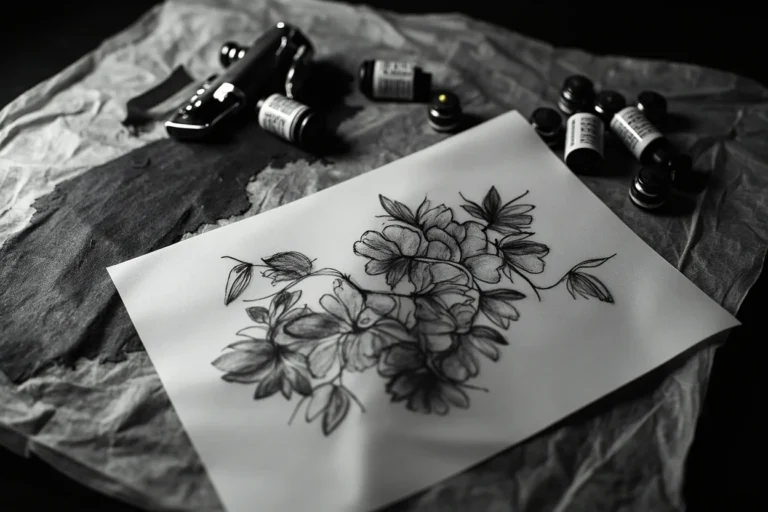
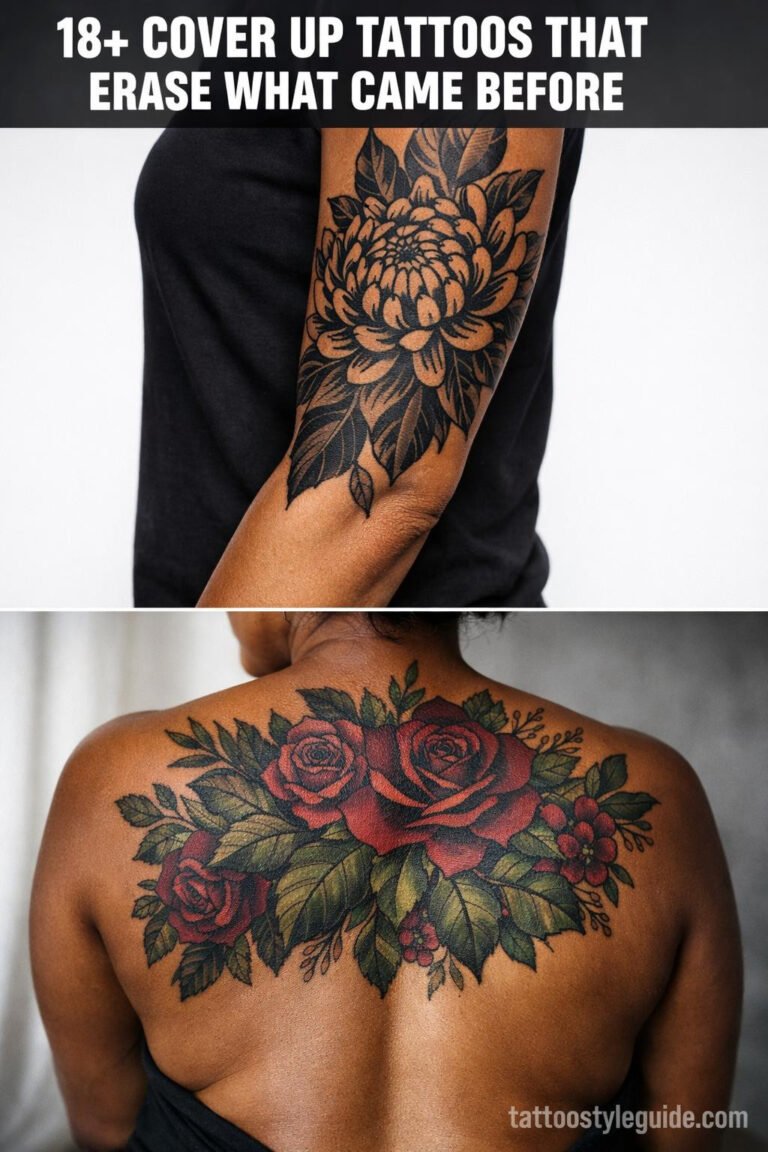
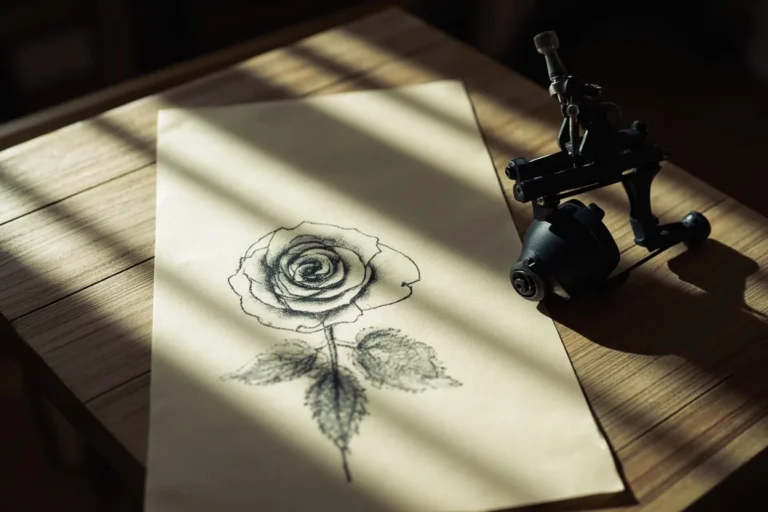
Florals are the go-to for a reason: petals and leaves give your artist flexible shapes that follow the scar’s edge instead of fighting it. Geometric work can hit just as hard if the scar runs relatively straight. Mandalas, blackwork panels, and Japanese sleeves all have enough visual weight to redirect the eye. The design has to read as intentional, not like something got slapped over a problem.
Portraits and fine-line botanicals are trickier. Raised or pitted tissue pulls ink differently, so a delicate stem can look shaky once healed. Bold black and grey or fully saturated color holds better over textured skin. Talk to your artist about scale too. A small, intricate piece on a wide scar almost always loses.
What makes this work on real skin
A great scar cover doesn't hide your story, it rewrites it on your terms.
Scar tissue may take ink differently. Some areas can be more sensitive, raised, or unpredictable.
A good scar cover artist will ask about age, healing history, and whether the scar is still changing.
Scar tissue is denser and less predictable than normal skin. It can push ink out, drink it unevenly, or cause blowout in spots where the tissue is thin and papery. Flat, fully matured scars, usually 12 to 18 months old minimum, take ink the most consistently. Fresh or still-pink scars are not ready no matter how eager you are.
Raised keloids are a different conversation entirely. Many artists won’t touch them, and for good reason. Tattooing an active keloid can trigger more growth. Atrophic scars, the sunken kind from surgery or acne, often need multiple sessions because the low spots heal lighter. Your artist may do a small test patch first, and that is genuinely good practice, not stalling.
Before you book or apply it
Wait until the scar is mature and get medical advice when the scar history makes that necessary.
- Ask for healed scar cover examples.
- Ask if the scar is ready to tattoo.
- Ask whether texture will still show.
- Ask if the design should cover or incorporate the scar.
Get a consultation in person, not over Instagram DMs. Your artist needs to feel the texture, check the scar’s edges, and assess how raised or pitted it is under studio lighting. Bring photos of the scar at different angles and bring reference images of styles you like. The more prep you do, the fewer surprises there are on the day of the appointment.
Budget more than you would for a standard piece of the same size. Scar work takes longer. Your artist may need to slow down, re-saturate spots, or adjust needle depth mid-session. A forearm cover that might cost 300 dollars on clean skin could run 400 to 500 dollars over scar tissue. That is not upcharging, that is honest pricing for harder work.
Mistakes to avoid
Do not tattoo a fresh or unstable scar. The skin needs time.
Do not expect a tattoo to erase texture completely. It can change the visual focus, but skin texture may remain.
Safety source note: This guide keeps safety advice conservative and points readers to primary public-health or dermatology sources.
Biggest mistake: booking the cheapest artist you can find. Scar covers punish inexperience fast. Uneven ink saturation, blowout along soft scar edges, and designs that don’t account for texture all show up immediately once it heals. Find someone with a portfolio that includes actual healed scar work, not just fresh photos. Fresh ink always looks better than the healed result.
Second mistake: going too small or too light. Fine-line pieces over significant scarring tend to look muddy after healing because the texture breaks up the detail. Low-wear zones like the upper arm or thigh heal more predictably than high-wear spots like the wrist or inner elbow, where constant movement stresses the ink. If the scar is in a spicy zone, factor in extra healing time and a possible touch-up session.