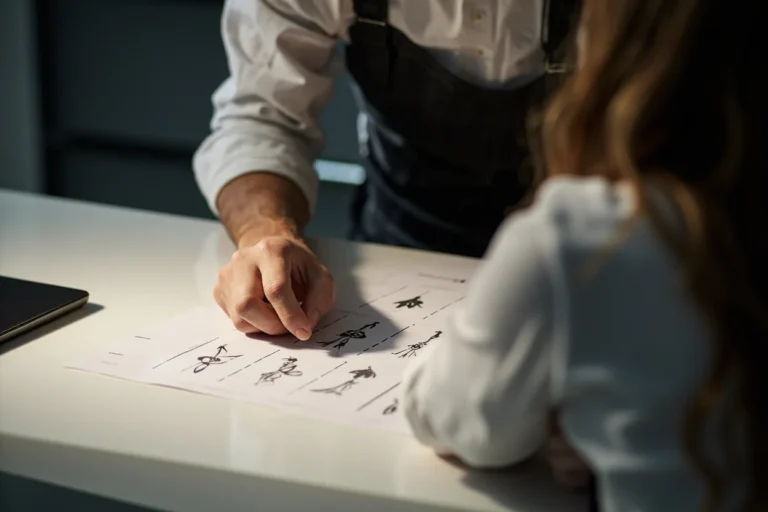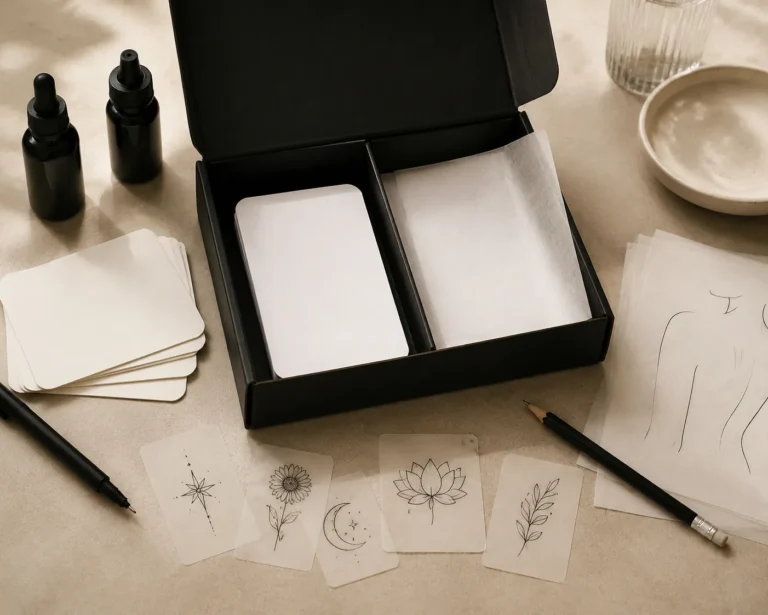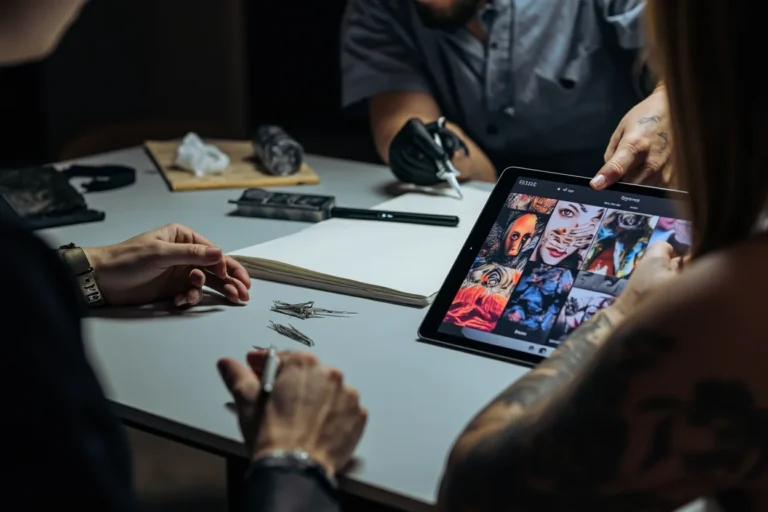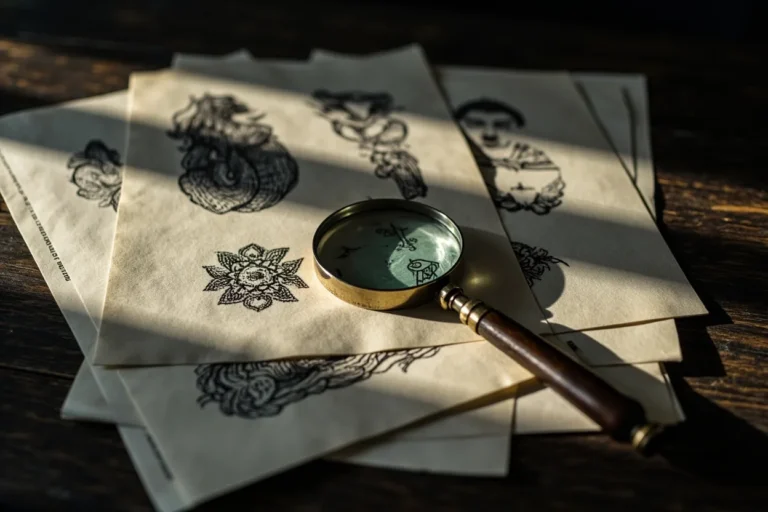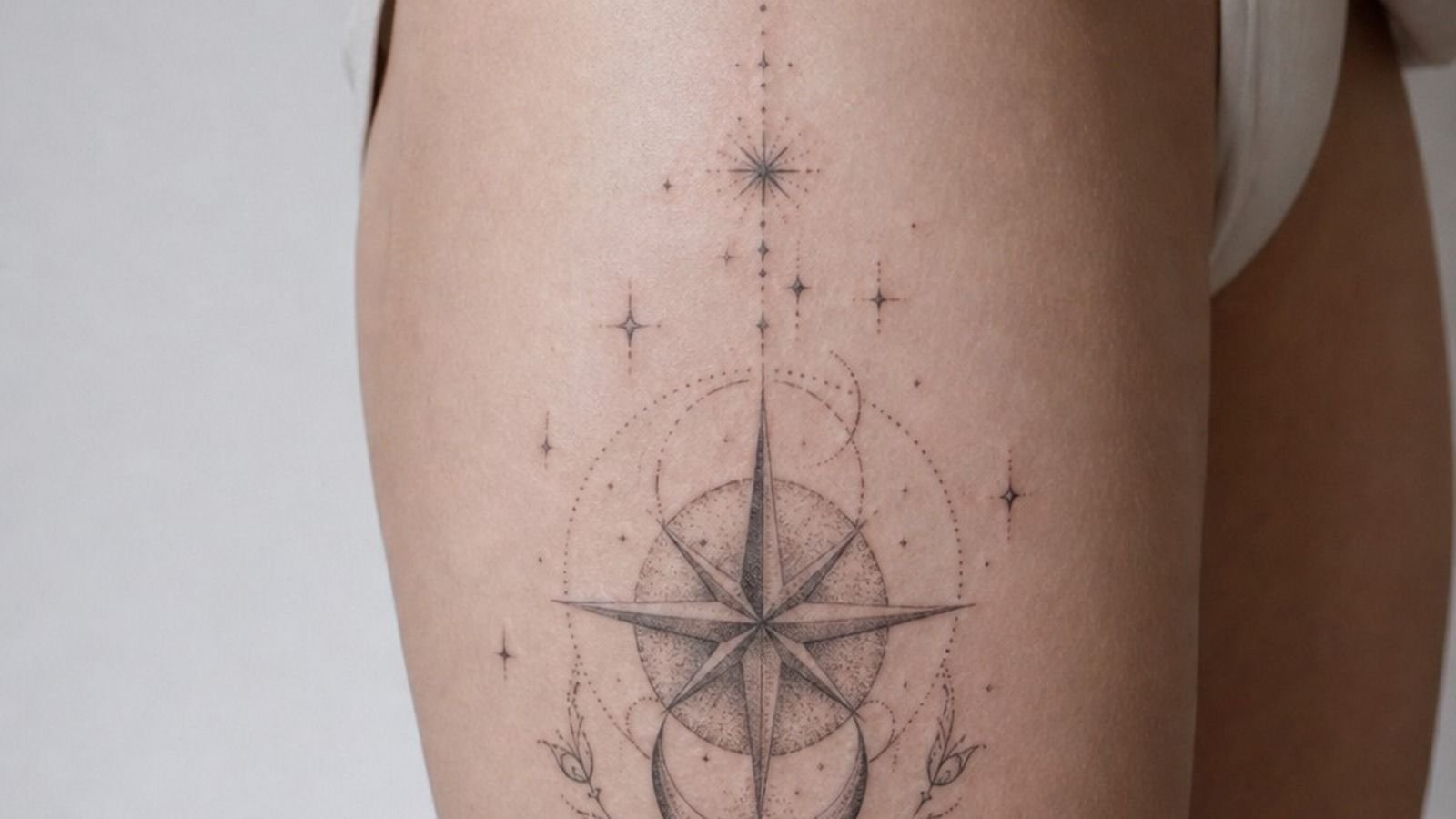
Stippling tattoo ideas are having a real moment, and the good ones hold up better than people think. I almost talked myself out of my first dotted piece because I assumed it would blur fast on skin that moves a lot. I was wrong. If you keep the design readable, choose the right placement, and let your artist build soft tonal depth with patience, stippling can heal clean and crisp, and it’ll stay elegant for years. The price is worth it when that delicate texture still looks confident after healing.
Use the Clean-Dot Rule Before You Commit
Here’s the fast filter I use before I stencil anything: if the stippled silhouette still reads when you squint, it’s probably ready for stippling. If it disappears unless you’re nose-close to the skin, it isn’t. That test saves people from a lot of regret!
You also want the dots doing shading work, not carrying every edge alone. A clean silhouette, a little open skin, and one darker anchor usually age better than twenty tiny flourishes. That’s the sweet spot!
- Build Soft Shading With Fine Line Stippling
- Why Does Forearm Dotwork Hold So Well?
- Microrealism Versus Tiny Detail Overload
- Push Blackwork Contrast on the Sternum
- Let Botanical Stippling Follow the Stem
- Euclid Meets Clean Geometric Stippling
- Choose One Fierce Feature for an Animal Portrait
- NASA Moon Phases Meet Soft Celestial Dots
- Should You Center a Mandala on the Sternum?
- Trade Hard Skull Shadows for Smoky Gradients
- Keep Behind-the-Ear Stippling Minimal
- Art Nouveau Flow Along the Spine
- Should Sacred Geometry Sit on the Shoulder?
- Delicate Florals Against Open Skin
- Does Hand Poked Stippling Suit Small Designs?
- Wrap a Bold Snake Around the Wrist
- Pull One Rugged Mountain From the Landscape
- Can an Eye Tattoo Keep Realistic Depth?
- Let Organic Dot Shading Drive the Movement
1Build Soft Shading With Fine Line Stippling
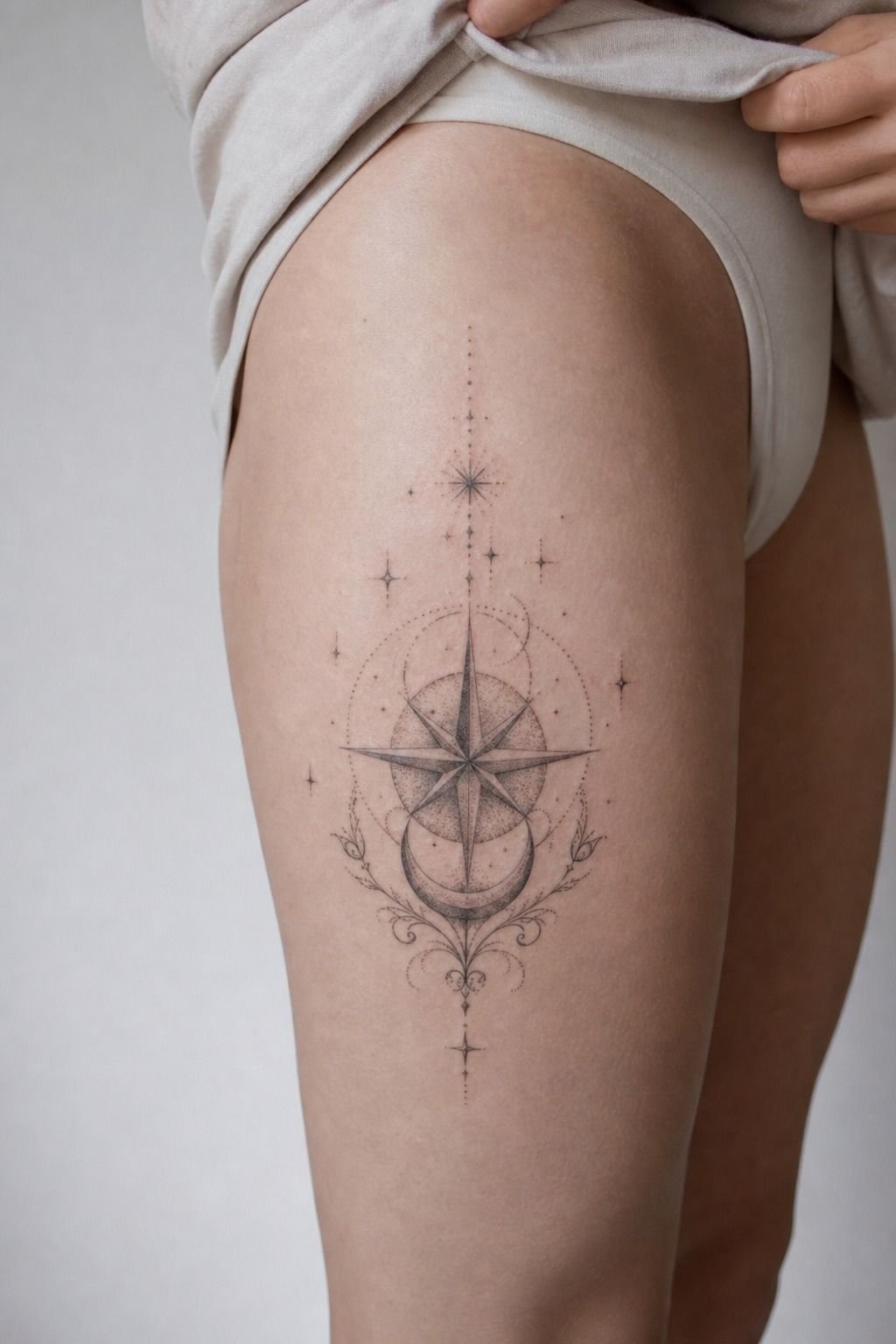
Start with a fine line stippling piece if you want something light on the skin but still readable. On a thigh, you get a low-wear zone with enough flat skin for your artist to fade dots softly instead of forcing hard outlines everywhere. I’d use this approach when you want a piece that feels airy but still has shape.
Ask for single needle linework and a gentle grey wash transition so the soft shading heals velvety, not patchy. Keep the design around 3 to 5 inches so your details can breathe, and skip a tiny Pinterest-exact version if your artist warns it may turn to soup later. If you like symbolic work with clean structure, the balance in yin yang tattoo meaning shows why readable contrast matters.
2Why Does Forearm Dotwork Hold So Well?
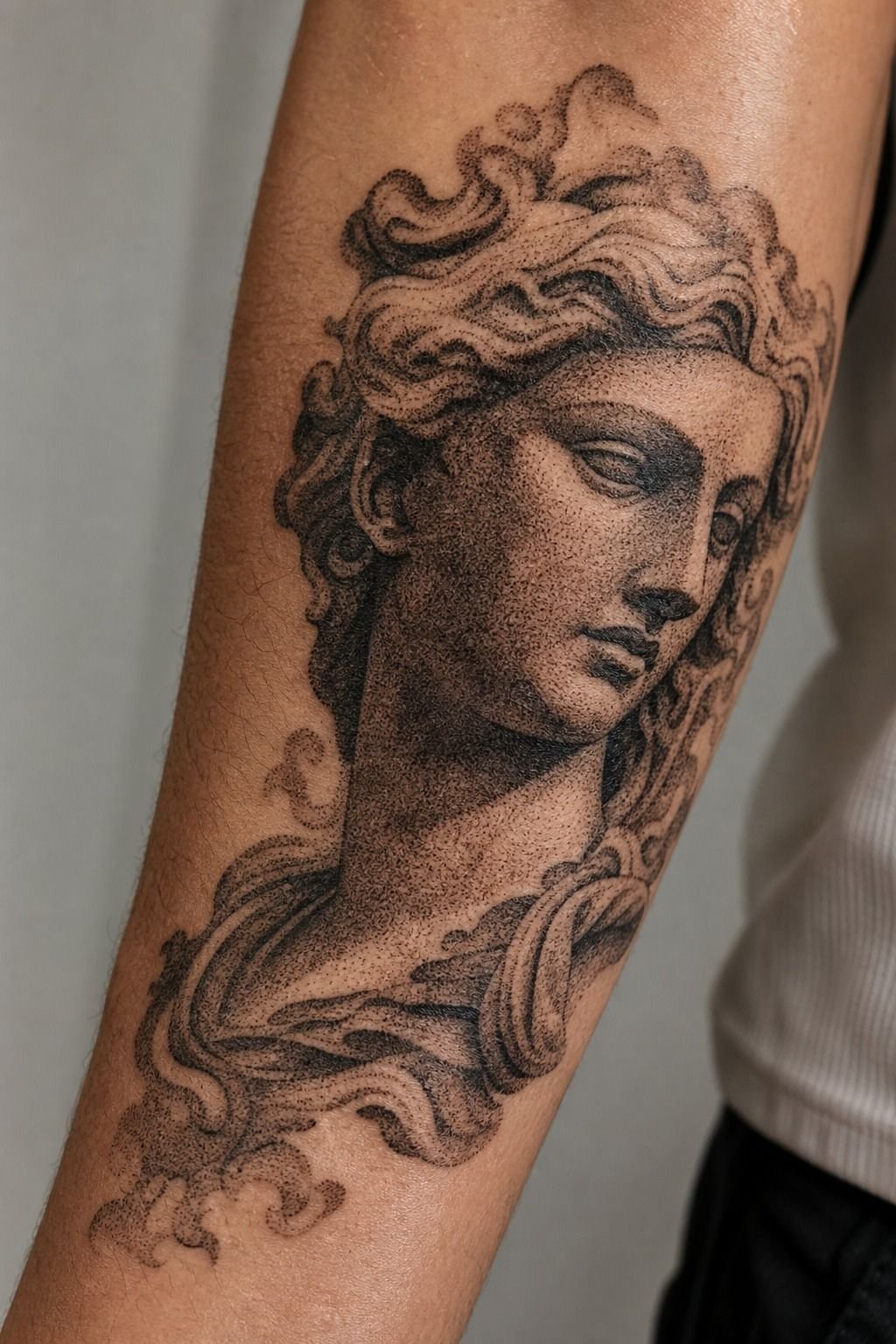
Choose the outer forearm when you want striking dot texture people can see at a glance and you still want a chill heal.
3Microrealism Versus Tiny Detail Overload
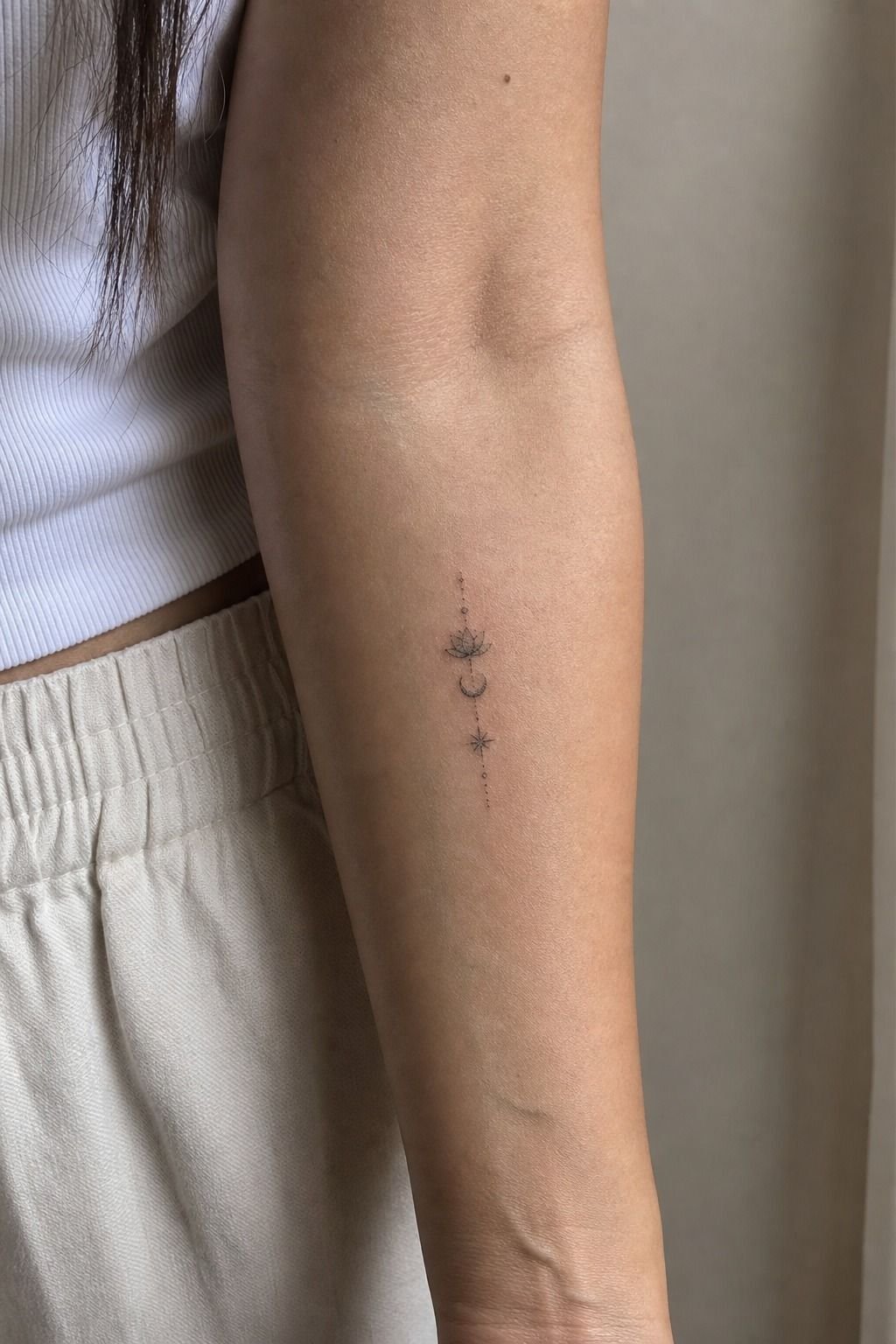
Go microrealism only if your artist already shows healed work, not just fresh photos under bright studio lights. Tiny stippled realism on the inner forearm can look insane when it’s done by someone who knows where to simplify. And when they don’t, the whole thing heals flat fast.
You want microrealism tattoo detail carried by tonal changes, not by twenty fuzzy outlines. Think one focal subject, a clean light source, and controlled pepper shading around it.
Keep it closer to 3 inches than 1 inch if you want the pores, fur, or petals to survive the next few years. I learned that lesson early, and I don’t ignore healed portfolio shots anymore.
4Push Blackwork Contrast on the Sternum
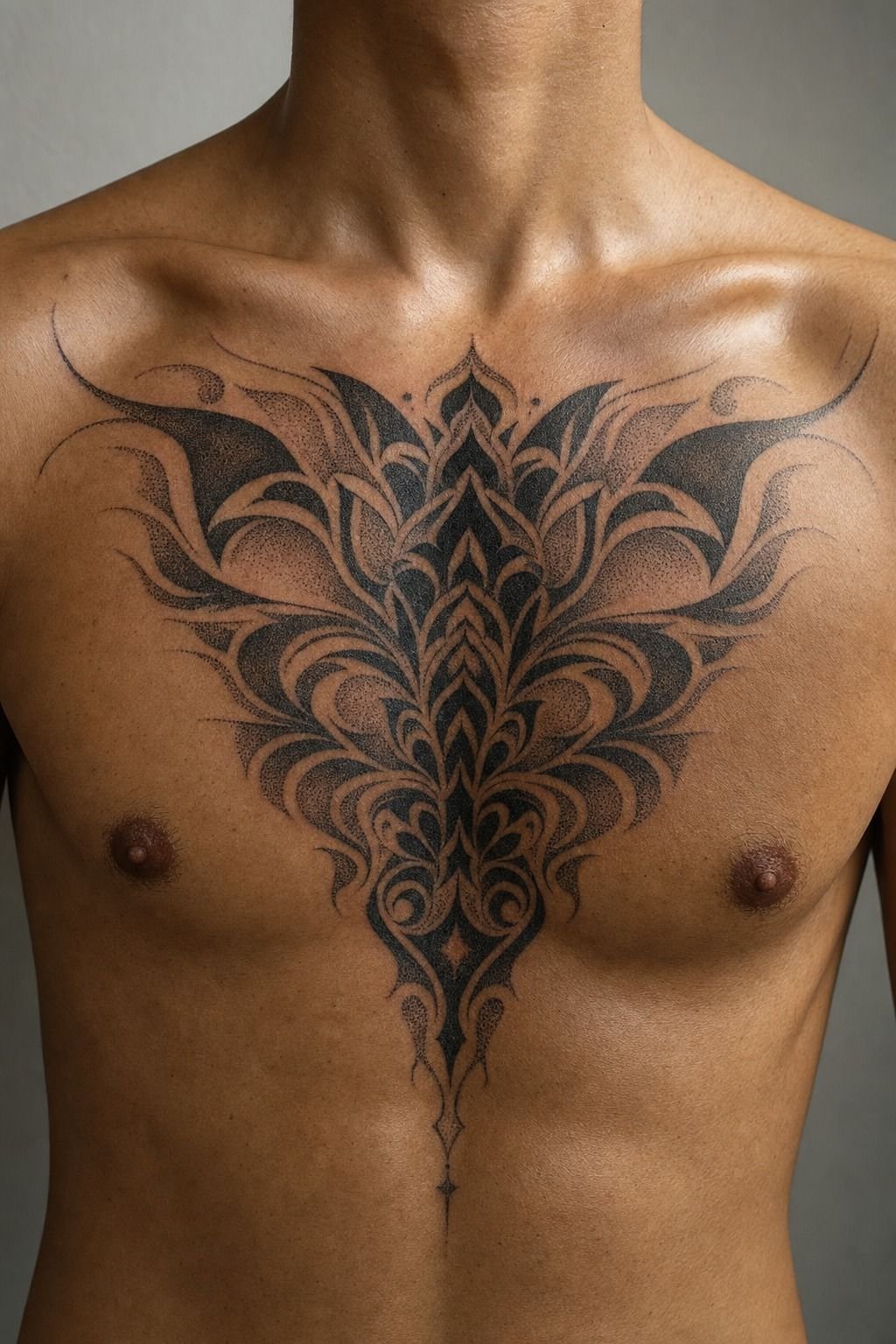
Push contrast hard if you’re mixing stippling with blackwork on the sternum. That placement is spicy, no question, but the payoff is strong because the chest gives you clean symmetry and enough open skin to let the dots fade away from the heavier masses. You need that black anchor or the whole thing can read dusty.
Ask for blackwork sections packed solid with big mags, then let the stippling do the smoke and depth around them. Your artist should map the centerline carefully so both sides sit clean with your anatomy instead of drifting. For readers who like power-driven imagery, zeus tattoo meaning shows why heavy contrast works when the theme needs authority.
5Let Botanical Stippling Follow the Stem
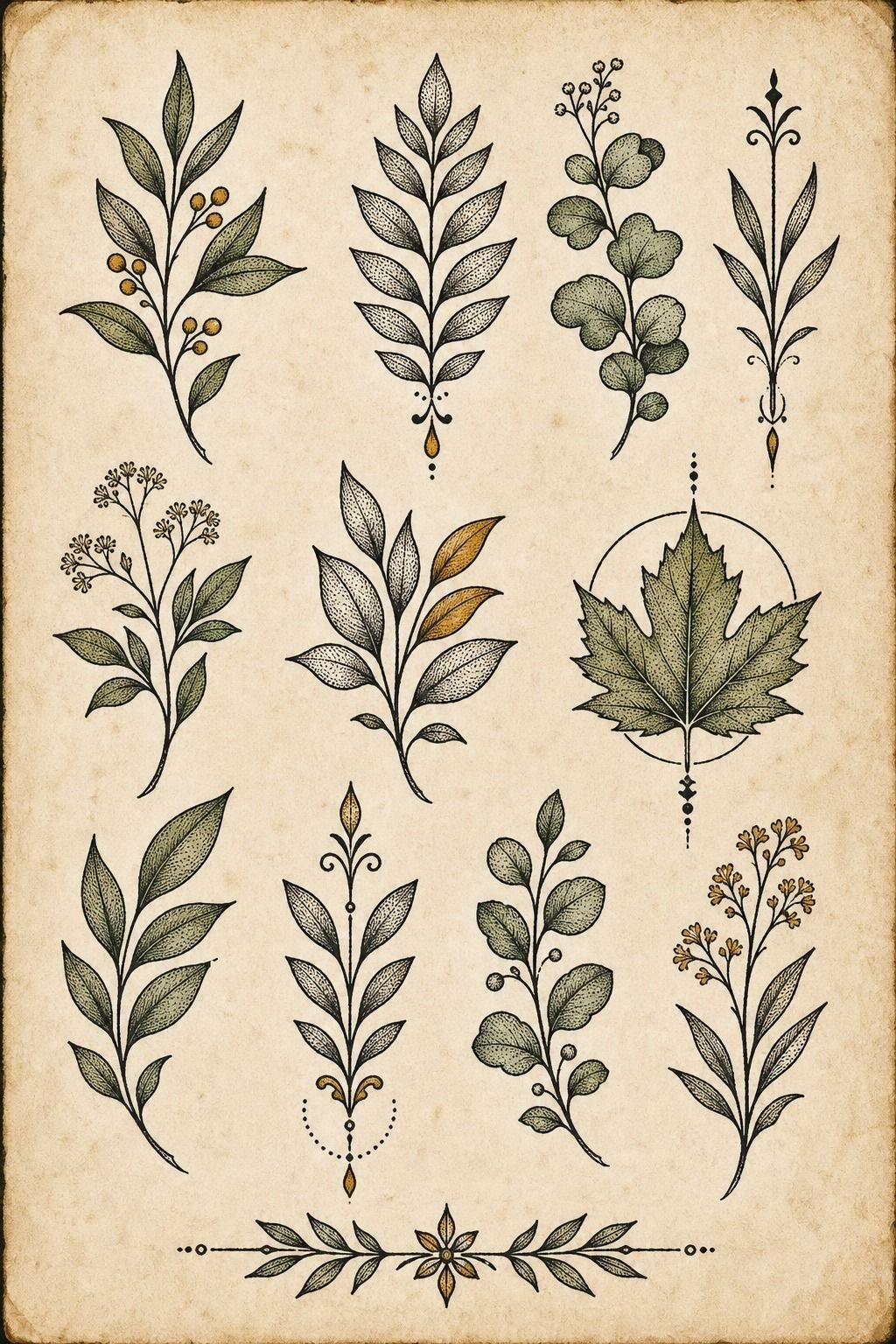
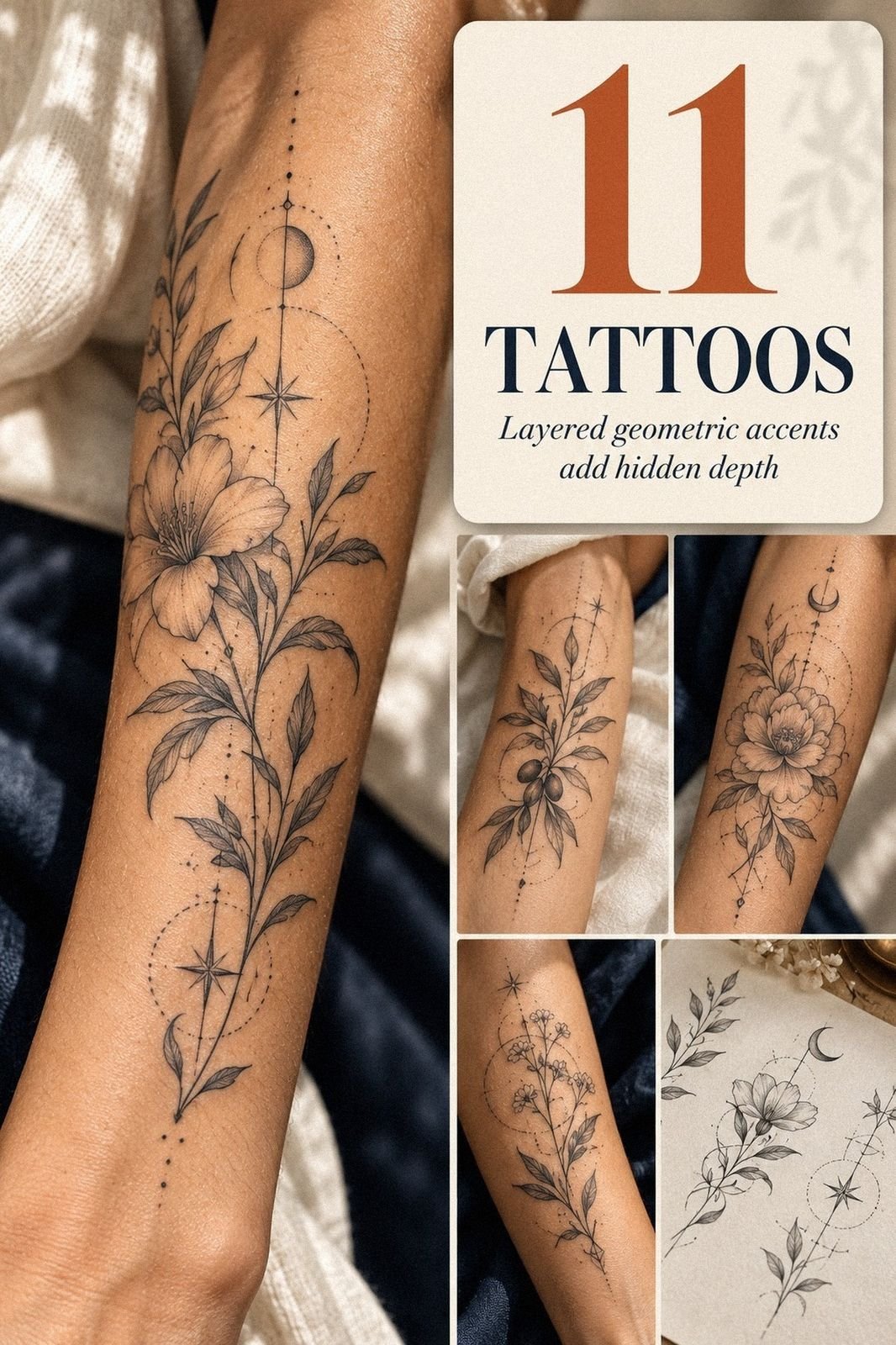
Botanical stippling works best when the delicate leaves stay simple and the graceful stem rhythm does most of the work. You’ll get a dreamy result without paying for detail that won’t hold.
6Euclid Meets Clean Geometric Stippling
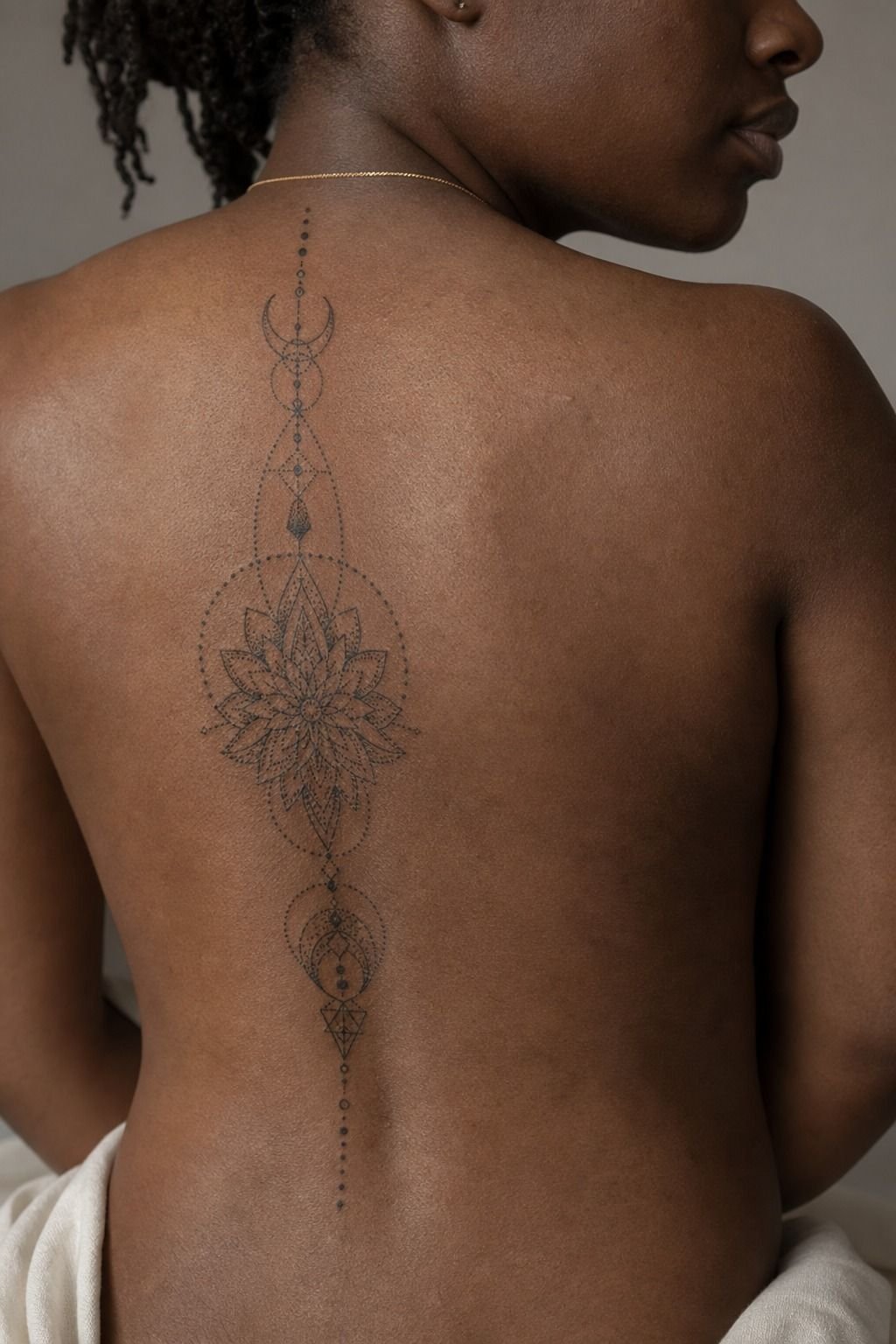
Anchor geometric stippling to the spine only if you respect precision and you can sit still. This is one of those pieces that looks effortless in a photo, but your artist has to line everything off the body correctly or the symmetry dies fast. On deep ebony skin, crisp spacing matters even more because the dot density needs intention, not guesswork.
I like a geometric stencil that uses repeating triangles, circles, or lattice forms with shaded bands between them. Keep the core shapes bold, then let the dots soften the transitions so it reads clean instead of stiff. Want a geometry-heavy spiritual reference?
yantra tattoo meaning shows how pattern and intention can live in the same design.
7Choose One Fierce Feature for an Animal Portrait
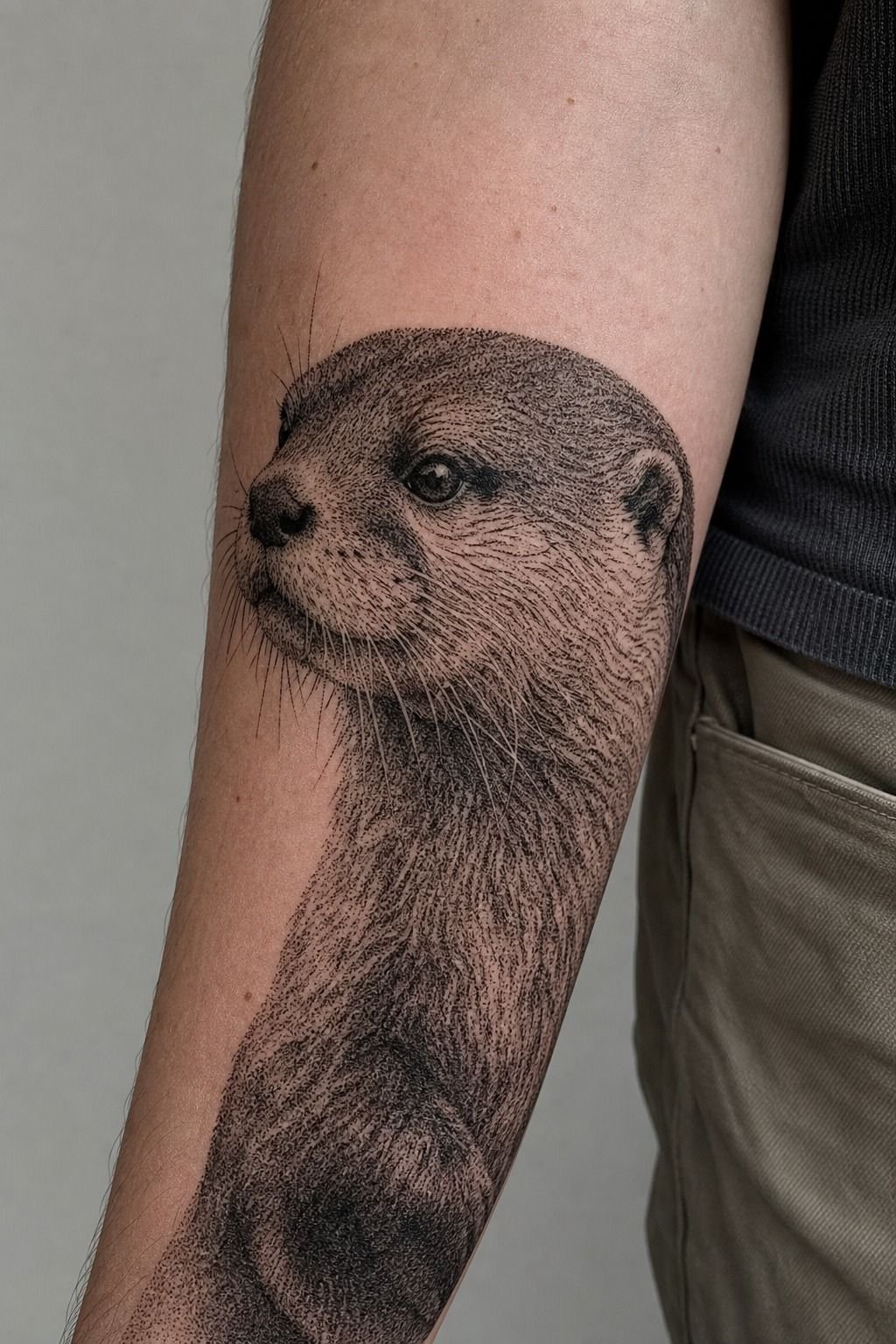
Pick an animal portrait only if you love one clear feature more than fifty tiny ones. A fox eye, a raven beak, or a cat muzzle built with stippling can look soft and smart on the arm, especially when the artist lets the fur texture fade instead of outlining every strand. Why force every whisker when the shadow can do the talking?
Ask for micro-realism ink with one strong silhouette and just enough dotted texture to shape the face. I would skip a super tiny pet portrait here if your artist can’t show healed examples, because little portraits are the first to go chewed up. If you like myth-heavy animal work, yggdrasil tattoo meaning gives good context for creature-based storytelling.
8NASA Moon Phases Meet Soft Celestial Dots
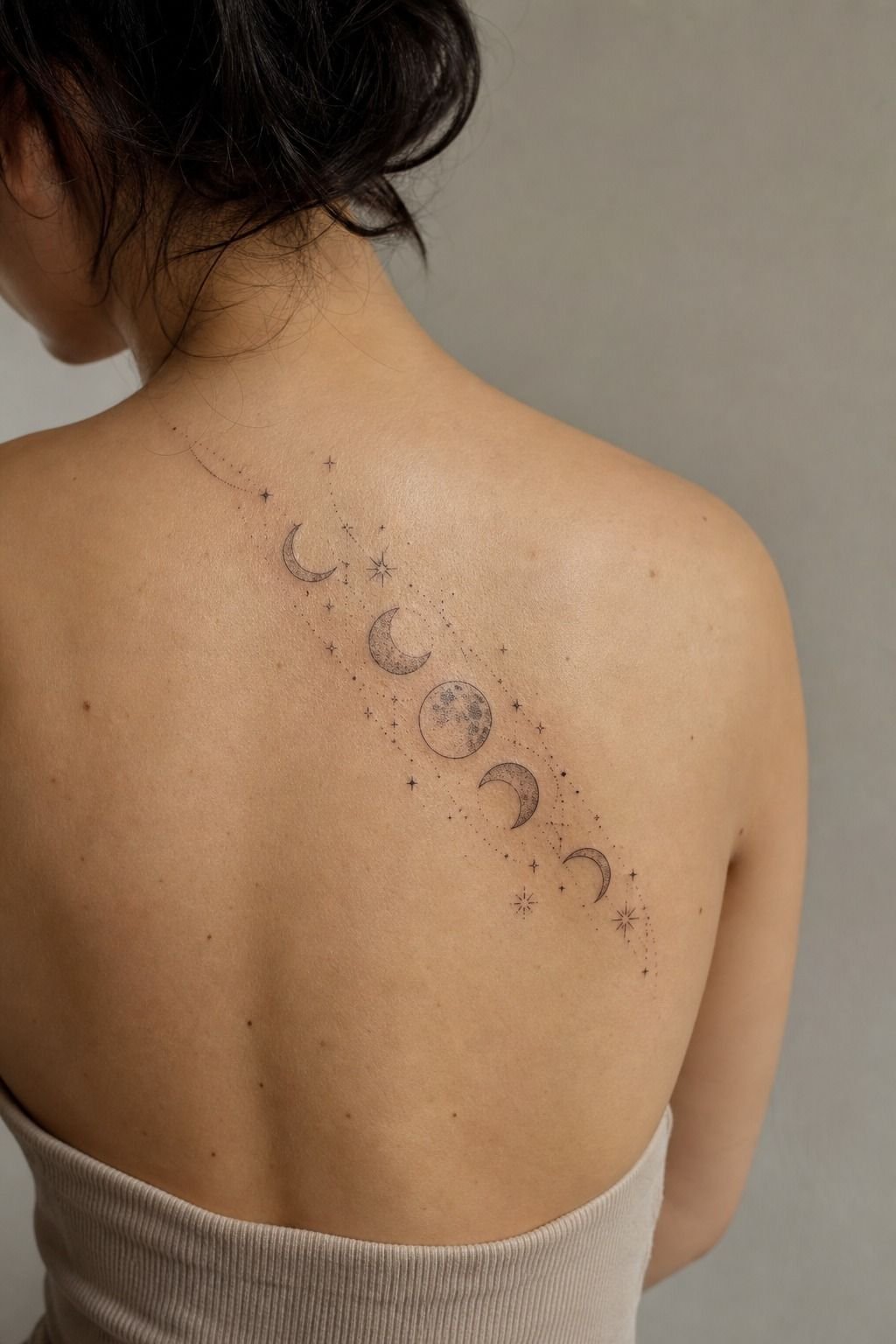
Layer moon phases across the shoulder when you want a celestial piece that follows your body’s curve naturally. The shoulder cap ages cute on you because it’s a lower-wear zone, and the circular rhythm of moon shapes gives your artist a built-in path for the eye. I like this better than squeezing the same idea onto fingers or ribs.
Use healed black and grey dots for the soft halos, then keep the phase edges crisp so each moon reads separately. A 4 to 6 inch layout gives enough clearance for crescent tips, star accents, and shaded glow without everything blurring together. If you’re choosing between spiritual symbols, yhwh tattoo meaning can help you think through how much literal symbolism you want on your skin.
9Should You Center a Mandala on the Sternum?
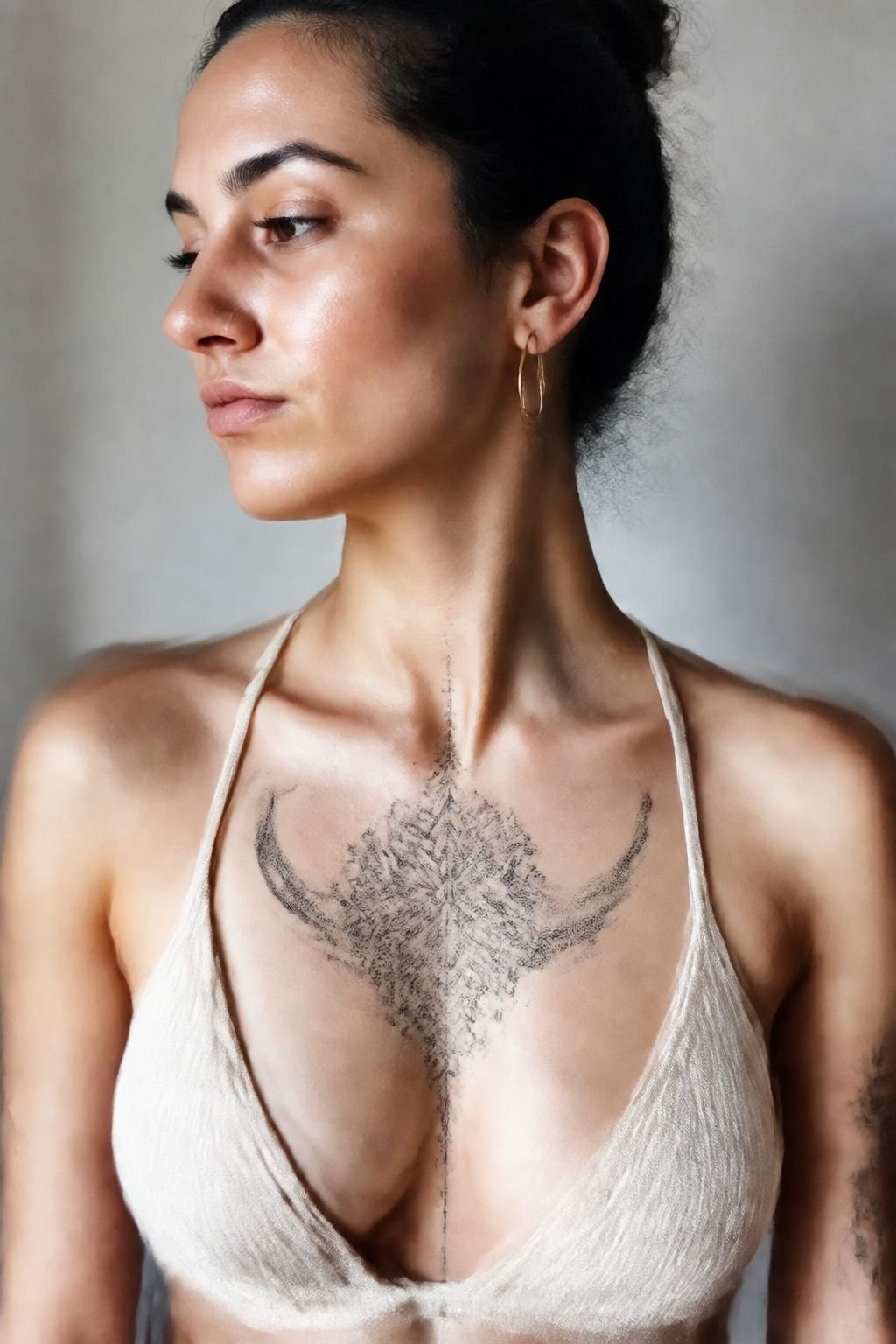
Build a sternum mandala around your anatomy, not around a flat screenshot. This sternum placement can look insanely elegant because the sternum gives you a natural center, but it’s also one of the spicier spots on the body. And if the petals sit too high or too low, you will notice it every time you look down.
Choose a sternum mandala with a clear central bloom, wider outer petals, and dotted gradients that taper as they move away from the core. Keep the edge shapes clean and let the stippling fill the depth instead of stacking line on top of line. For sacred pattern references, yant tattoo meaning is useful for seeing how symmetry carries meaning.
10Trade Hard Skull Shadows for Smoky Gradients
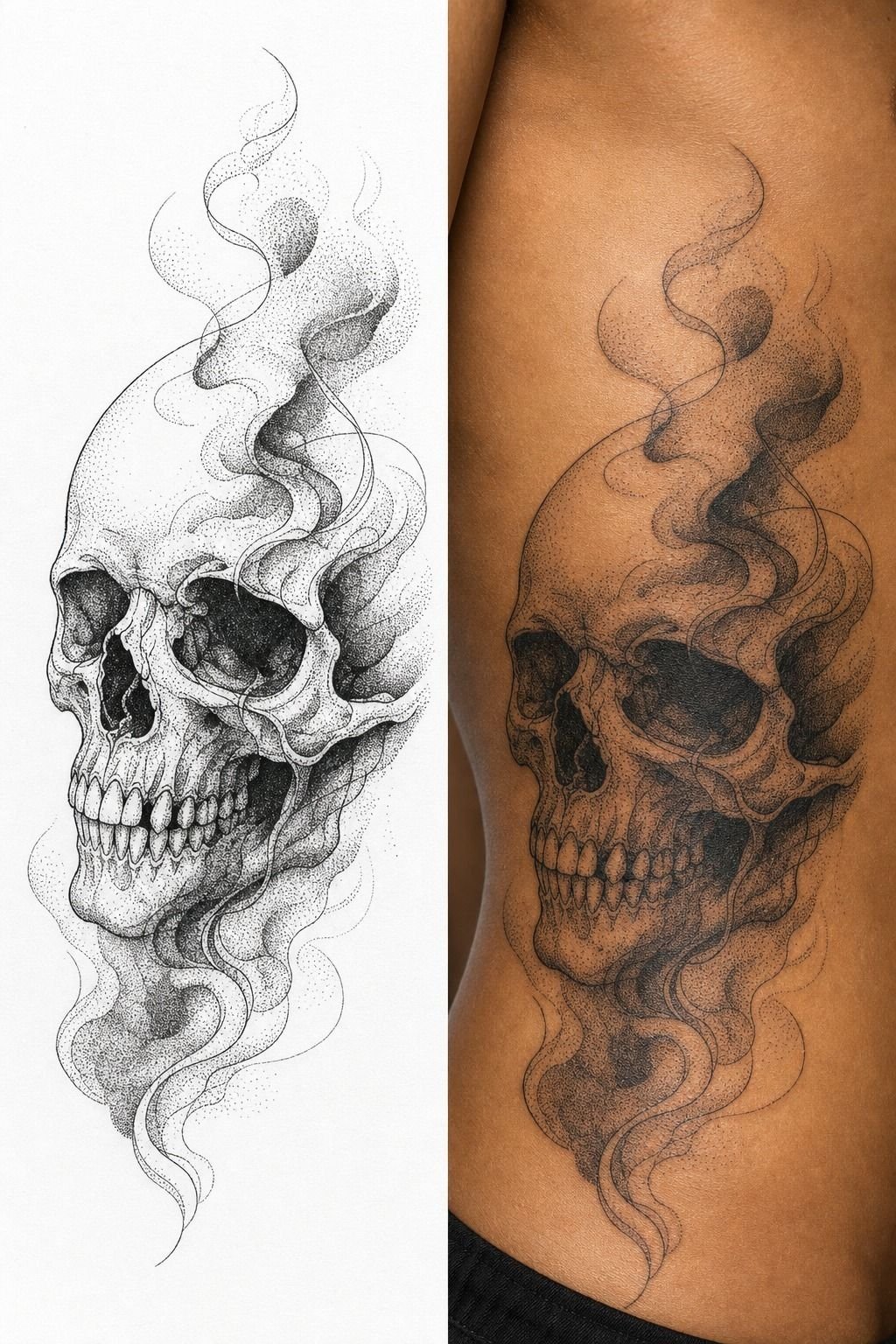
Swap hard comic-book shading for smoky stippled gradients if you want a skull that feels moody, mature, and intense instead of loud.
11Keep Behind-the-Ear Stippling Minimal
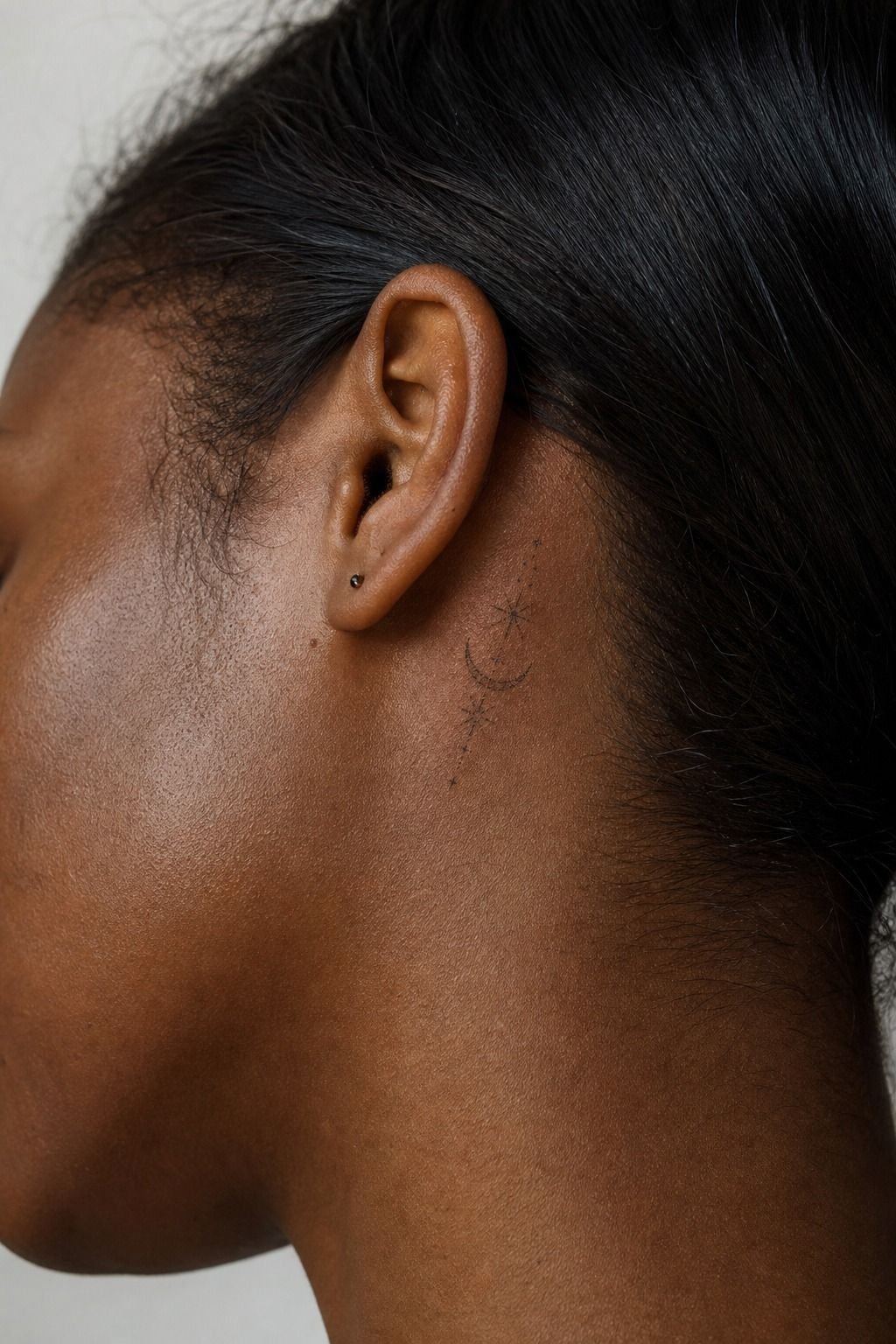
Go minimal behind the ear if you want a quiet tattoo that still feels personal up close. This behind-the-ear placement is small, curved, and a little spicy during the line pass, so the winning move is restraint. I’d tell people to think one symbol, one cluster, one moment.
A tiny behind-the-ear tattoo with three to five dot accents, a slim crescent, or a clean star fragment heals nicer than a mini collage of unrelated ideas. Keep the main shape under 1.5 inches and let your artist leave open skin around it so the design doesn’t choke itself. If you like concise symbols, yin yang tattoo meaning is a smart way to think small without going bland.
12Art Nouveau Flow Along the Spine
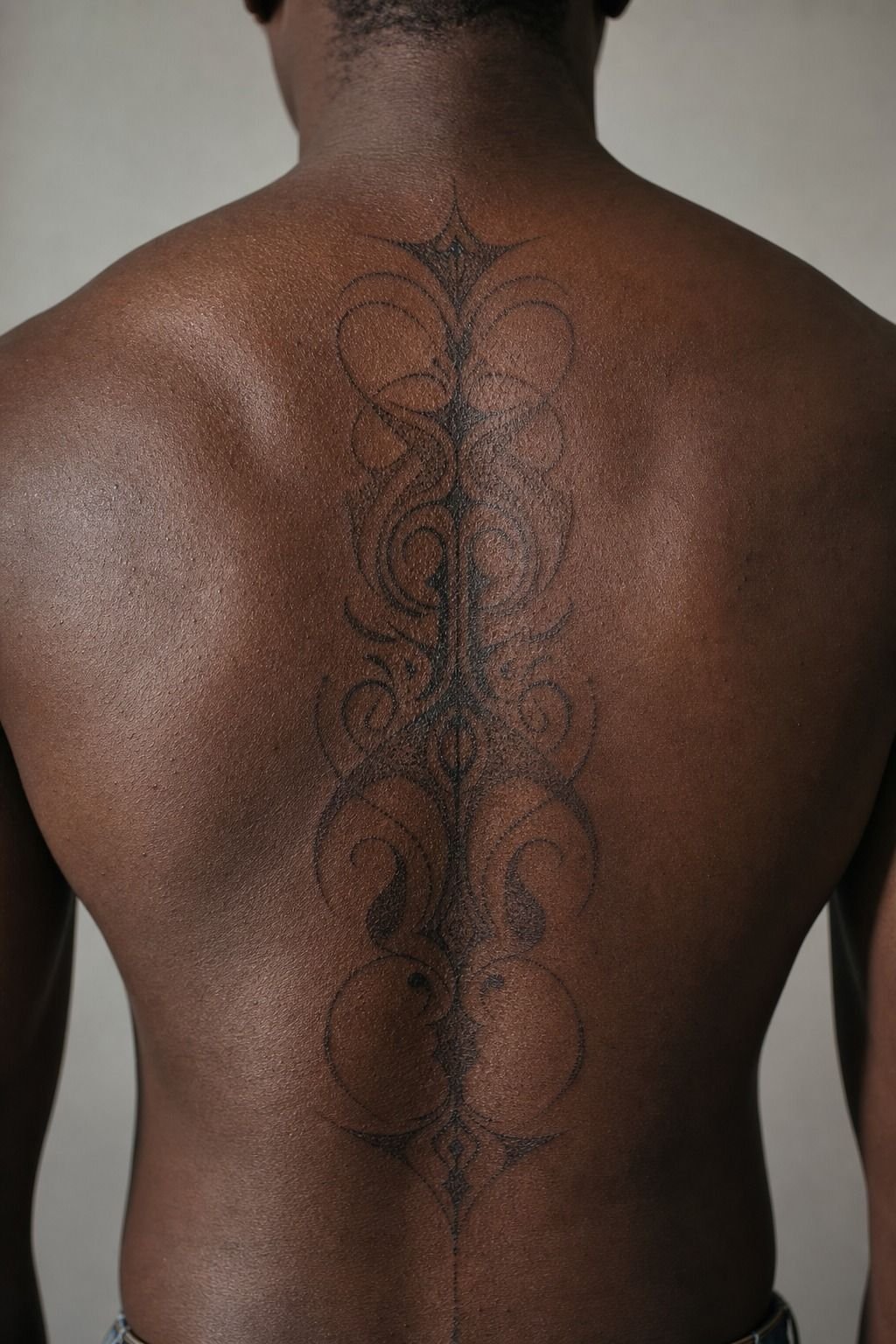
Frame the spine with ornamental stippling if you want vertical flow without the heaviness of full blackwork panels. The best spine pieces move with the body and keep their weight centered, especially on deeper skin tones where overpacked dots can heal flat. But don’t confuse delicate with weak.
I prefer ornamental linework that uses repeating drops, hooks, and bead-like forms, then soft dot shading between each larger element. Keep the top section bolder so the design doesn’t disappear near the neck, and let the lower sections open up as they travel down. For readers into sacred ornament, yantra tattoo meaning is helpful for seeing how structure and ritual detail connect.
13Should Sacred Geometry Sit on the Shoulder?
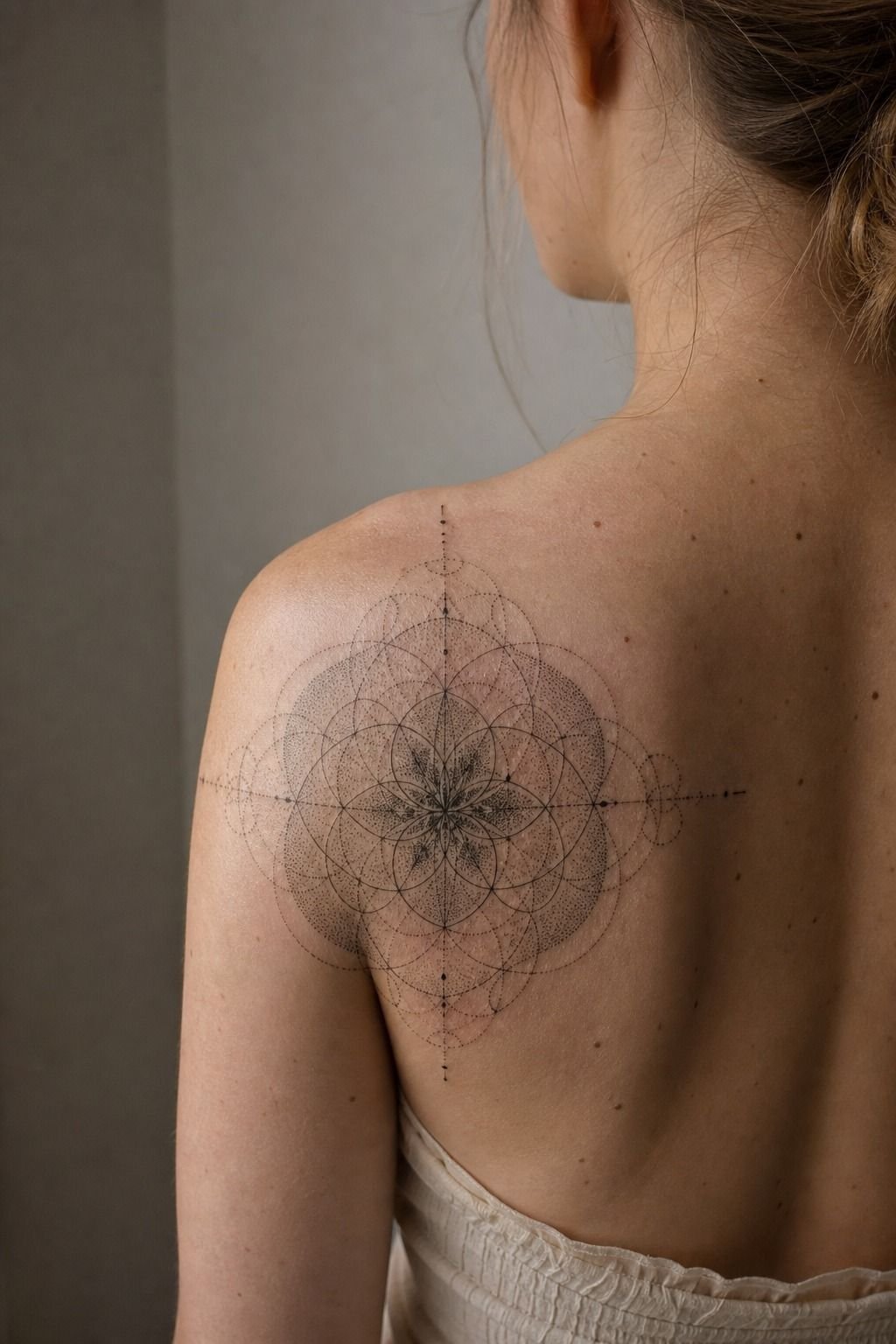
Should you put sacred geometry on the shoulder instead of the forearm? Usually, yes, because the round shoulder cap gives circular geometry a cleaner home and better longevity. I like this spot when you want a design that can peek out or stay tucked away depending on what you wear.
Use sacred geometry shapes with one dominant circle or flower-of-life base, then let the dots soften the gaps rather than filling every panel solid. Around 4 inches is a sweet spot for readable intersections and clean symmetry. If you want spiritual context before you commit, yant tattoo meaning and yantra tattoo meaning both show how geometry carries intention.
14Delicate Florals Against Open Skin
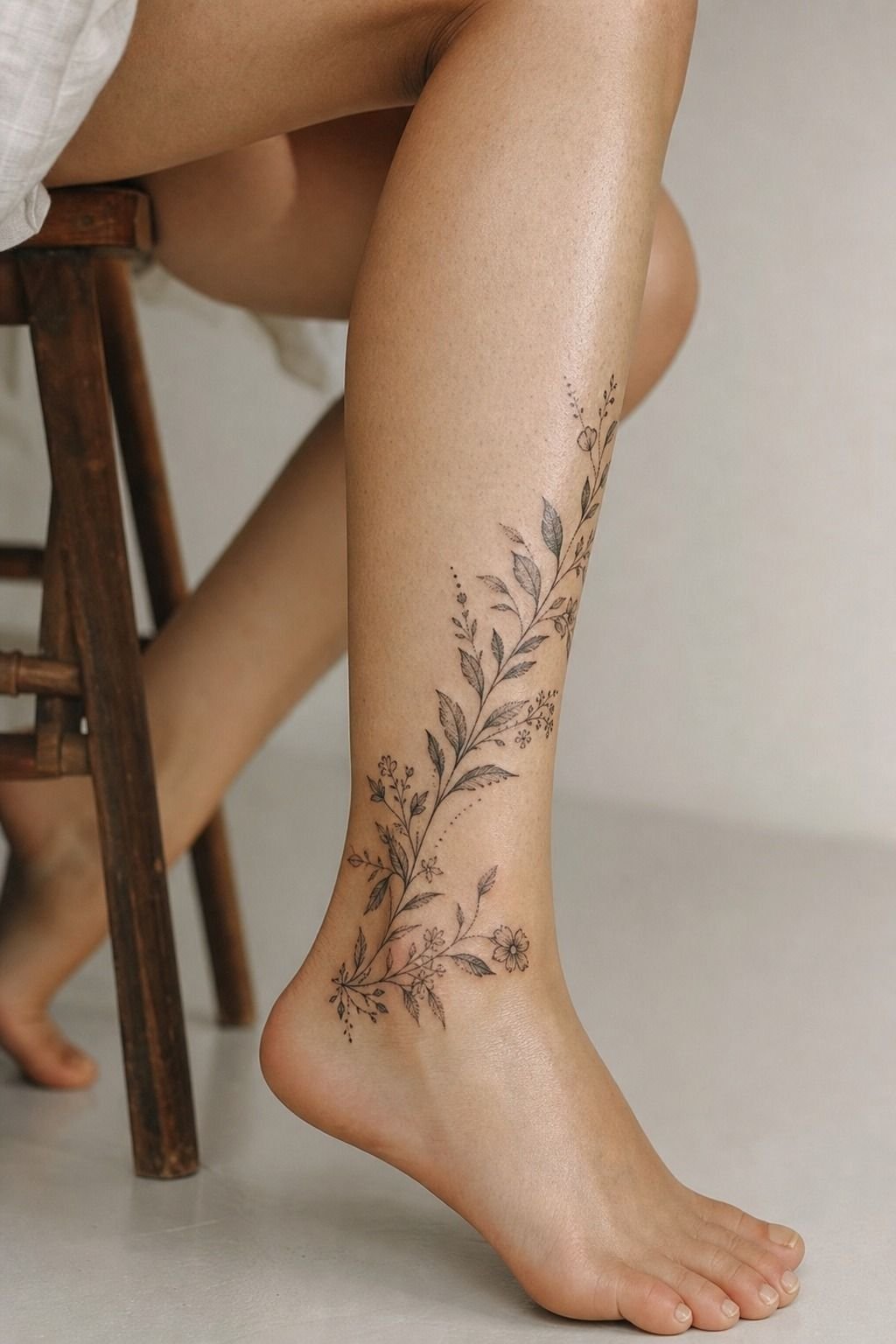
Let open-skin contrast do half the work on an ankle floral.
15Does Hand Poked Stippling Suit Small Designs?
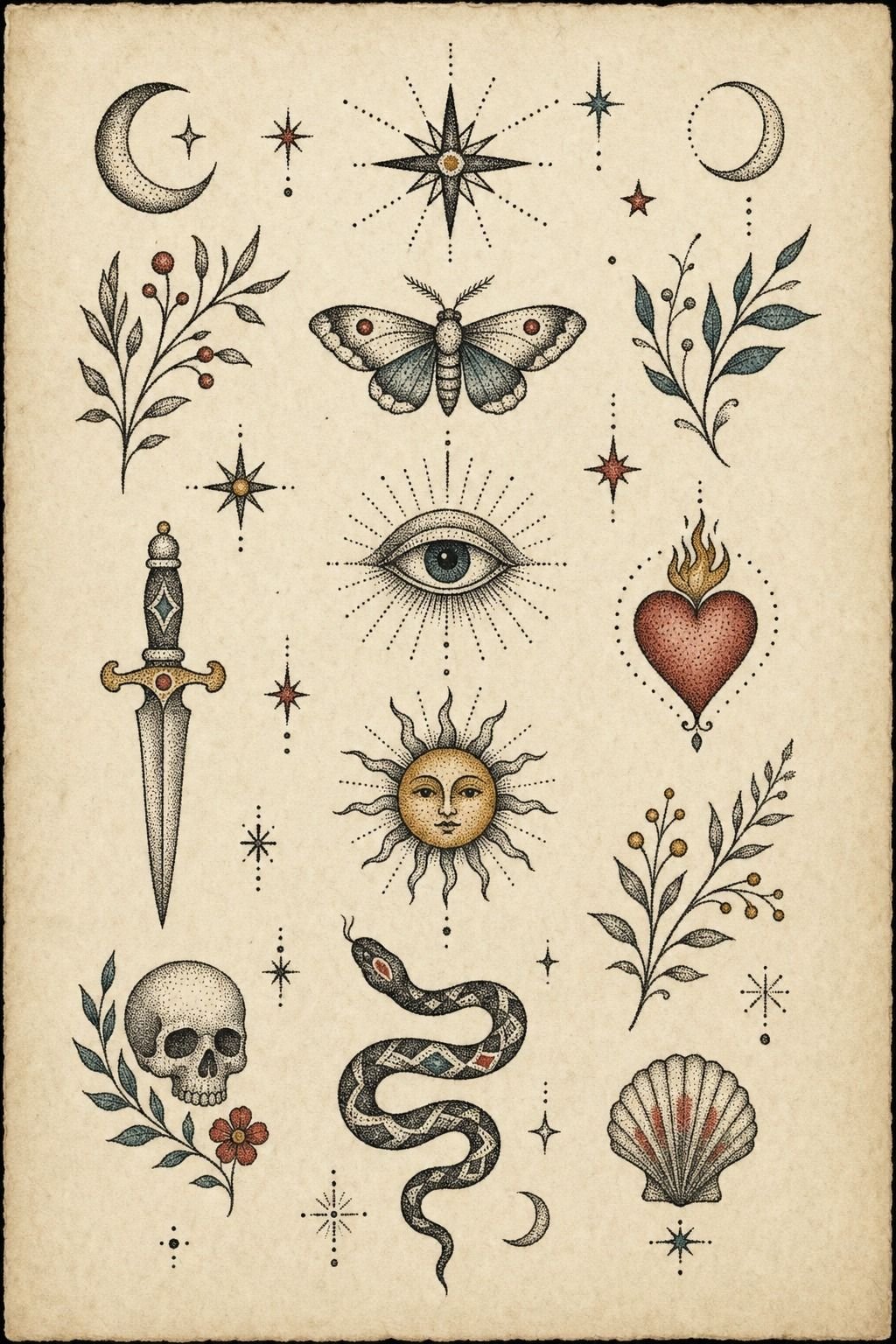
Try hand poked stippling for tiny designs only if you like a softer, slightly rawer finish. A lot of people assume stick-and-poke means messy, but a careful artist can place dots with real intention and give you a small tattoo that feels intimate, not scratchy. And yes, it still needs clean studio hygiene.
Choose a hand poke flash design like a tiny star map, seed pod, crescent, or rune-shaped mark that fits inside 1 to 2 inches. I would not use this method for dense realism or a super saturated fill, because hand poked work shines when the design stays light and graphic. If you enjoy symbolic micro pieces, yhwh tattoo meaning shows how small marks can still carry weight.
16Wrap a Bold Snake Around the Wrist
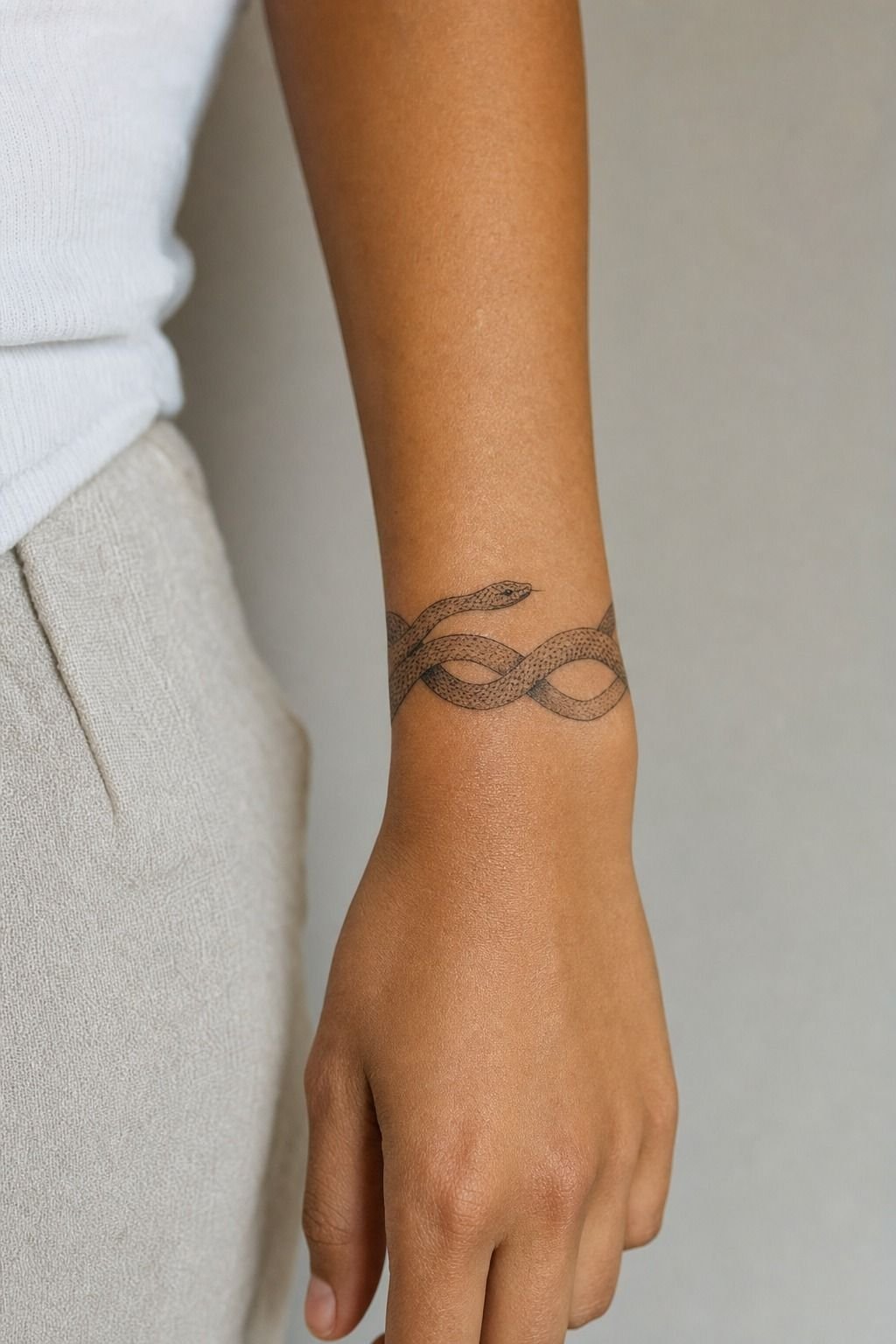
Wrap a snake around the wrist only if you accept the maintenance that comes with a high-wear zone. Wrist tattoos move constantly, see sun, and get rubbed by sleeves and watches, so your artist needs to simplify the body pattern hard. But when it’s drawn clean, the wrap effect is killer.
Use fine line snakework with a defined head, a readable belly rhythm, and soft dot shadows under a few coils instead of every single scale. Keep the snake long enough to breathe, usually 4 inches or more if it loops, so the curves don’t mush together later. For myth-forward serpent energy, zeus tattoo meaning can help you think about power symbolism without making the design too literal.
17Pull One Rugged Mountain From the Landscape
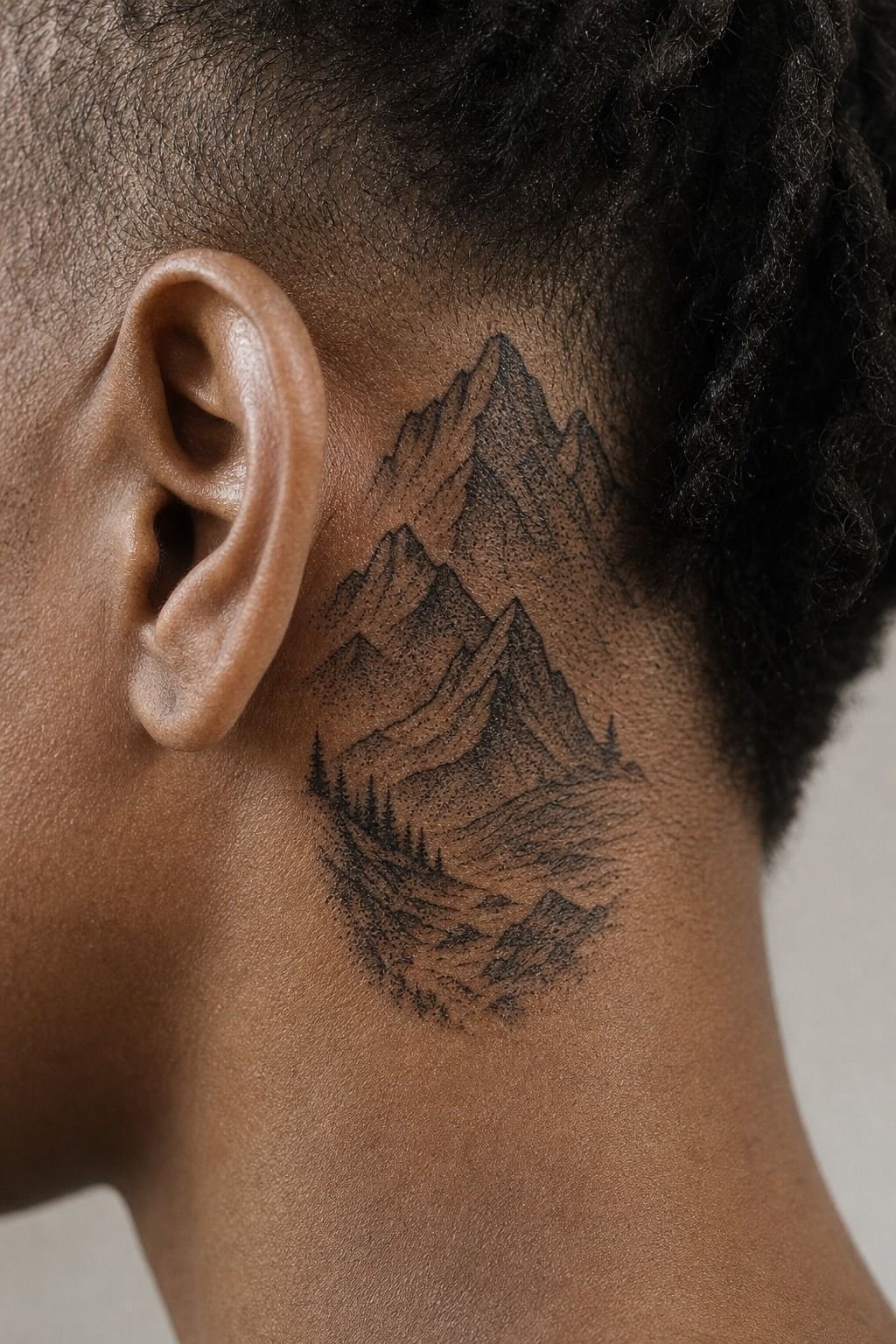
Skip the full postcard landscape and pull just the rugged mountain line if you want this powerful concept to stay crisp.
18Can an Eye Tattoo Keep Realistic Depth?
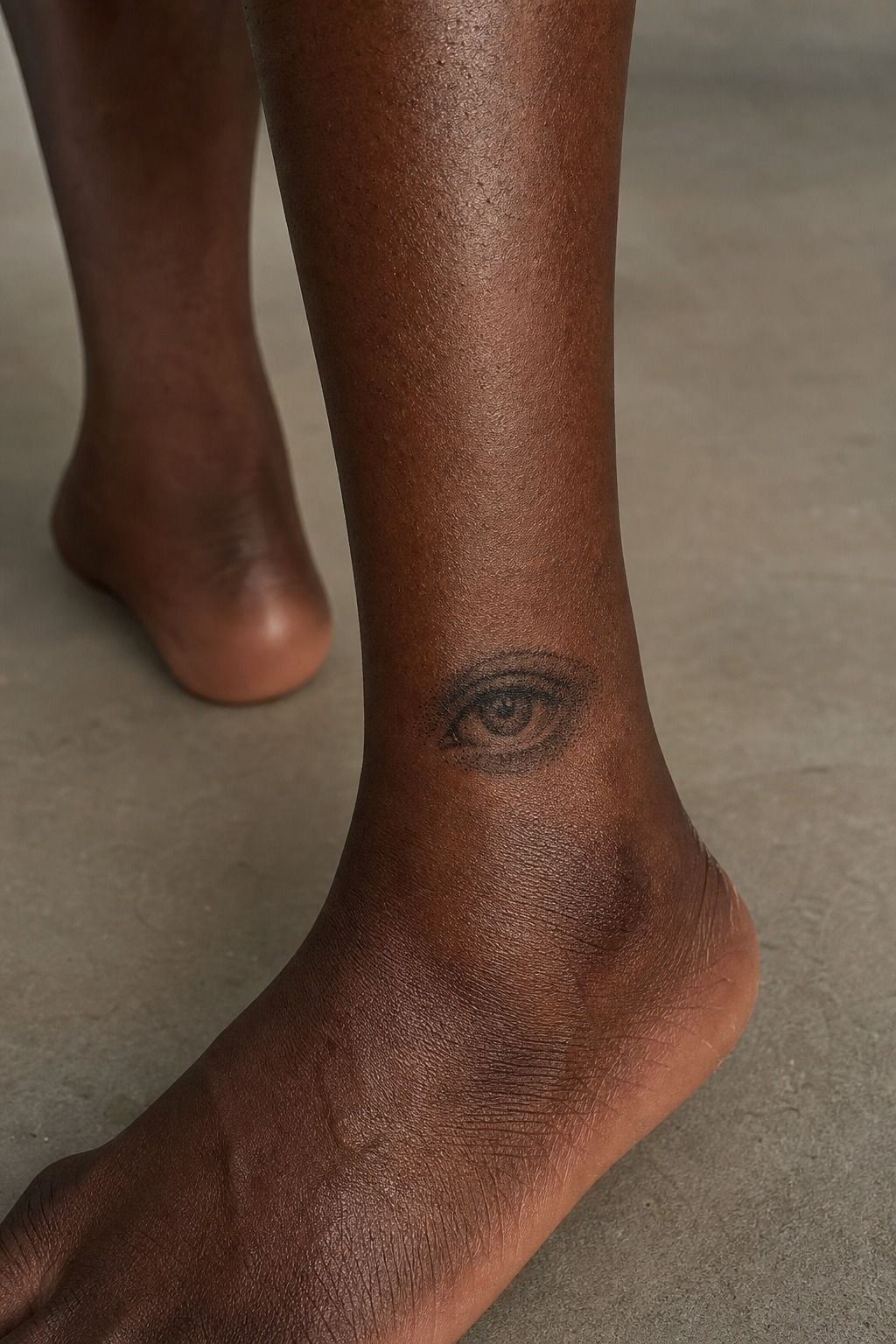
Choose an eye tattoo only if you want the gaze to be the message. On the ankle, that means keeping the lashes, lid fold, and iris ring controlled so the design feels eerie in a good way, not cluttered. I love the look when the pupil stays bold and the surrounding dots do the depth work.
Ask for healed realism with one dark pupil, a crisp upper lid, and very selective highlights left as skin. The ankle is a higher-friction zone, so a 2.5 to 4 inch design usually holds better than a tiny coin-sized eye packed with details. If you’re choosing between symbolic eyes and other spiritual marks, yin yang tattoo meaning can help you sort the vibe.
19Let Organic Dot Shading Drive the Movement
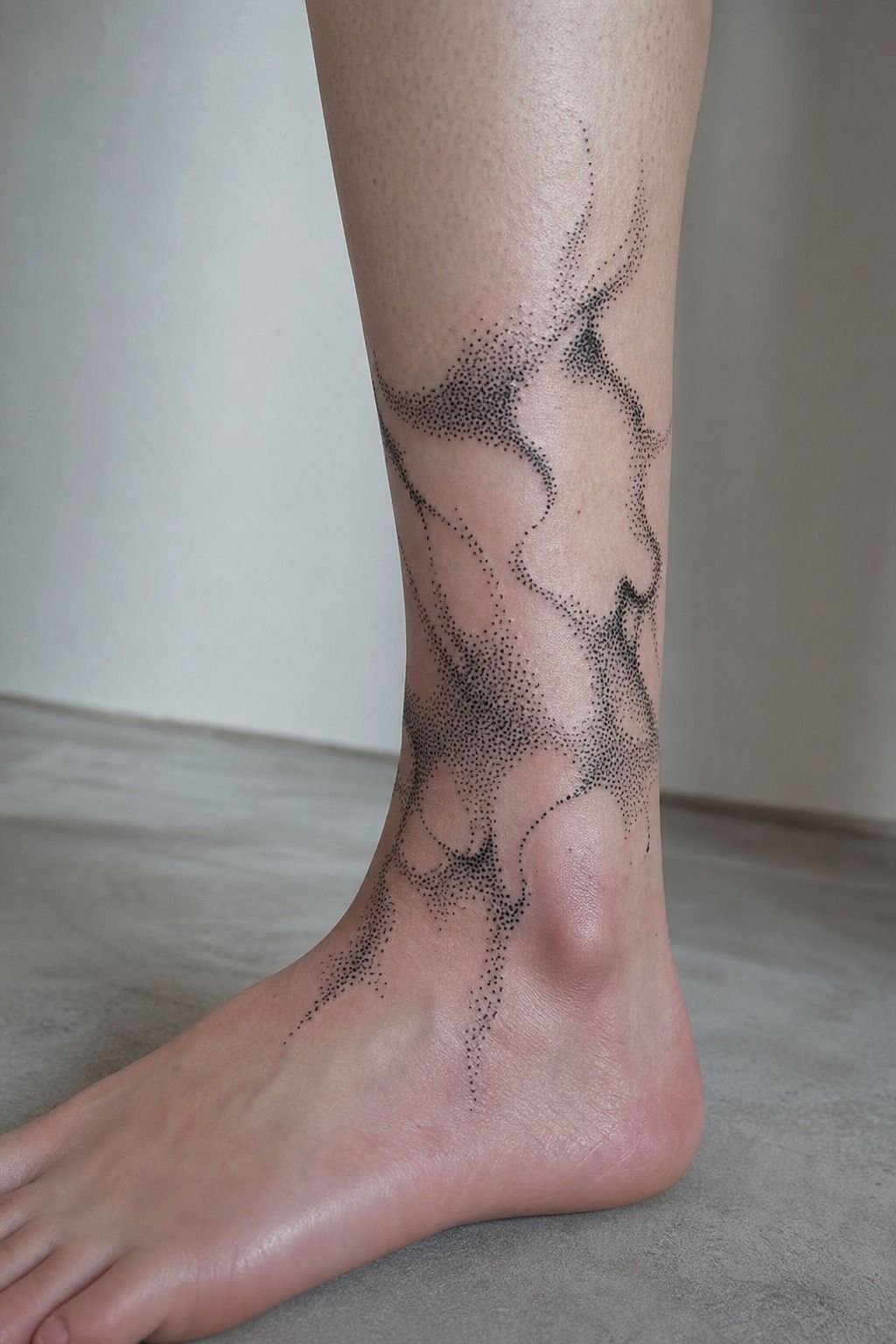
Build abstract stippling around wild, organic movement, not around a hidden meaning you have to explain to everyone.
What I Trust More Than Fresh-Tattoo Hype
I hear the same worry in the studio all the time: won’t all those tiny dots blur together, and is the price worth it? Sometimes, yes.
But not because stippling is weak. It happens because people choose the wrong size, the wrong placement, or the wrong artist for the level of detail they want.
Here’s how I frame it for clients. Stippling heals best when the design has a clear hierarchy.
You need a focal shape, enough open skin, and contrast that survives after the fresh brightness settles down. That’s why a forearm dotwork band, a shoulder moon phase, or a thigh floral with soft pepper shading can age beautifully, while a micro portrait crammed onto a finger will fight you from day one.
Tiny detail isn’t the flex people think it is.
I also think a lot of bad stippling gets blamed on the style when the real issue is execution. A scratcher will peck at the skin ten times and leave you with fuzzy dots, patchy saturation, and trauma that heals rough.
A strong artist makes one clean pull where line is needed, spaces the dots with purpose, and knows when to stop before the skin gets overworked. That matters more than trend or bargain rates.
It always will.
Placement is the other half of the story. Low-wear zones like the outer forearm, thigh, shoulder, calf, and upper back give fine dot textures a fair shot.
High-wear zones like fingers, hands, feet, and wrists can still look great, but you need to go in knowing touch-ups may be part of the deal. Real talk: hands and ankles are for people who accept maintenance, so they aren’t the best value on a tight budget.
If you want your first stippling tattoo to age cute on you, go a little bigger, choose a calmer area, and let the design breathe. That’s the move I’d make every single time!
The Questions Worth Answering First
How much does a Stippling Tattoo usually cost?
About $100 to $300 is common for a small to mid-size piece, though some shops start at $50 to $100 just to open a needle. Larger custom work is usually billed at $100 to $250 an hour.
– Small wrist or ankle piece – Forearm custom work – Artist experience and region
Are Stippling Tattoos a good idea for a first tattoo?
Yes, they can be a great first tattoo if you keep the design readable and choose a forgiving placement. Clean dot shading often feels softer visually than heavy blackwork, and outer forearm, thigh, or shoulder placements usually heal with less drama.
– Simple subject matter – Low-wear placement – Healed portfolio proof
How do I choose a tattoo artist for Stippling Tattoo?
Look for an artist whose healed work still shows crispy dot texture and confident line control. You want fresh photos, healed photos, and clean studio standards, not just a pretty stencil. xxxtentacion tattoo ideas is a good reminder that mood alone isn’t enough without execution.
– Healed examples – Even spacing – Clean black saturation
How much do Stippling Tattoos hurt?
Pain by placement matters more than style. Forearm, thigh, and shoulder are usually chill, while sternum, ribs, feet, and wrists are spicier. Dots and shading tend to feel like a dull burn, while lines feel sharper.
– Outer arm and thigh – Sternum and ankle – Breaks when needed
How long does a Stippling Tattoo take to heal?
Surface healing usually takes about 2 to 3 weeks, and full settling can take 2 to 3 months. Wash with gentle unscented soap, use a thin layer of aftercare, and keep it out of pools and strong sun while it peels.
– Gentle wash – Light moisture – No picking flakes
What’s the best placement for a Stippling Tattoo?
For most people, the outer forearm, thigh, shoulder, and calf are the safest bets because they give you better longevity and cleaner visibility. If you want wrist, ankle, or behind-the-ear work, keep it simpler and expect more maintenance.
– Forearm for texture – Thigh for soft shading – Shoulder for symmetry
Start With the Forearm-First Rule
If I had to pick one, I’d start with forearm dotwork stippling. It’s a confident choice that earns its keep.
You get visible texture, easier healing, and crisp contrast without microscopic detail. Pin that direction for later, then check yin yang tattoo meaning before you book.