
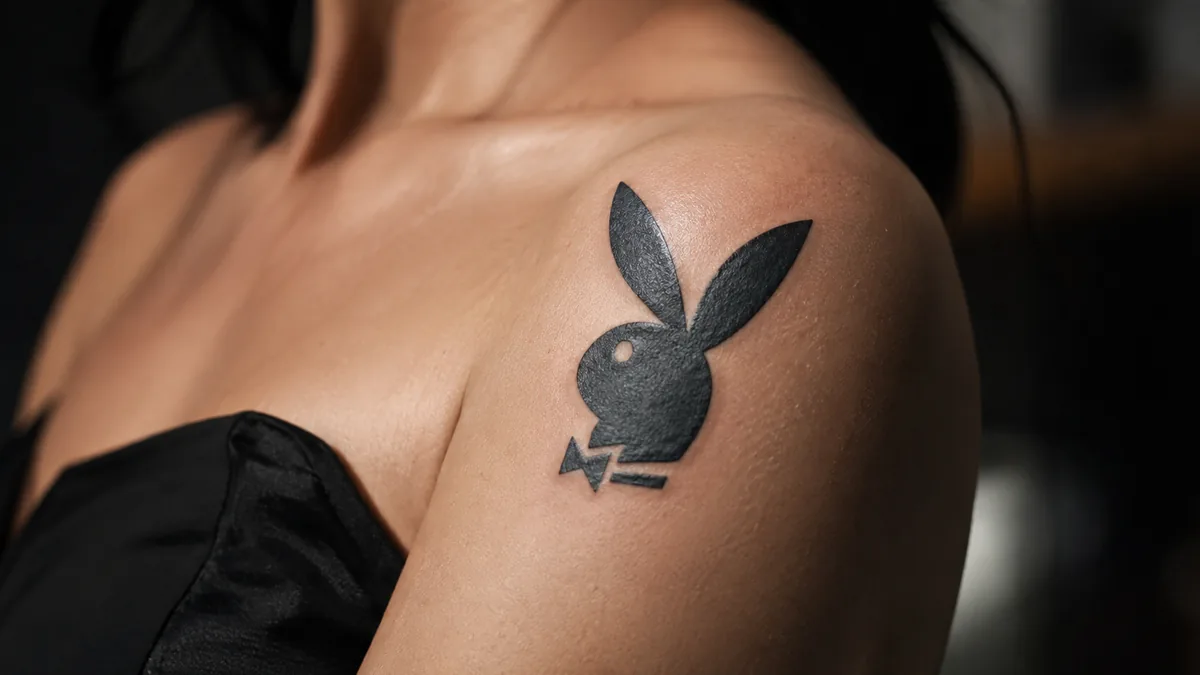
The Playboy Bunny is one of the most recognized logos on the planet, and that recognition carries straight onto skin. People get this tattoo for a lot of different reasons, but they all circle the same core ideas: sexuality, confidence, and owning your image without apology.
It reads clean from across the room, it works in almost any style, and it ages well if you put it in the right spot. Here is what the symbol actually means, where it comes from, and how to wear it.
The Core Symbolism
The Playboy Bunny tattoo signals sexuality, confidence, and a certain unapologetic attitude toward pleasure and personal freedom. For many people it is a declaration that they own their sensuality, not something they hide. It is a power move more than a provocative one. The person wearing it is telling you exactly who they are before you even ask.
There is also a strong thread of rebellion in it. Choosing a symbol that polite society still side-eyes takes guts. That edge is part of the appeal. It is not a subtle tattoo, and people who get it generally do not want it to be.
Where the Icon Comes From
It's not just a bunny, it's a statement about who owns your body.
Hugh Hefner launched Playboy magazine in December 1953. Art Paul, the magazine’s first art director, designed the bunny head logo for the second issue in 1954. It became one of the most reproduced logos of the twentieth century, appearing on everything from cufflinks to casino chips to Playboy Club cocktail waitress costumes starting in 1960.
The symbol became culturally embedded through decades of pop culture. By the 1970s and 80s, wearing the bunny logo was a shorthand for a certain lifestyle. Tattooing it on your body takes that shorthand and makes it permanent, which changes the statement. It becomes less about the brand and more about what the brand represented to you personally.
What It Means to Different People
For some wearers, especially women, the Playboy Bunny tattoo is a reclamation symbol. They are taking an image that was originally built around the male gaze and flipping it. It becomes theirs. That reading has become more common over the last fifteen years as conversations around body autonomy and sex-positivity have gone mainstream.
For others it is straight nostalgia or admiration, a nod to a vintage era of glamour and excess. Some people get it because they genuinely loved the aesthetic of that mid-century Playboy world. Some just think the bunny looks dope. All of those are valid reasons to sit in the chair.
Popular Design Variations
The classic approach is the flat silhouette logo, black filled, bowtie and ears sharp and graphic. That shape is so solid and recognizable that even at one inch it reads perfectly. You can also do a linework-only version, just the outline, which gives it a lighter and more delicate feel popular in fine line right now.
Beyond the flat logo, artists do full portrait-style Bunnies, the actual costume-wearing figure. These can go realistic, pin-up, or cartoony. Skulls are sometimes layered in for a darker spin. Some clients add playing cards, dice, or roses to lean into a vintage Vegas vibe. Matching sets with a partner or best friend are common too.
Color Versus Black and Grey
The original logo is black, so black work is the natural home for this tattoo. A solid black filled silhouette is crispy, bold, holds forever, and looks sharp at any size from thumbnail to hand-sized. Fine line black ink versions are popular right now and look clean fresh out of the chair, though they need careful placement to stay crisp over time.
Color opens up different moods. Hot pink leans into a bold, maximalist, Y2K-influenced vibe. Red gives it heat and drama. Pastel versions feel softer and pair well with floral additions. Whatever color you choose, make sure your artist uses quality saturated pigment. The Bunny shape is all about clean edges and solid fill. Muddy color kills it.
Best Placements and How It Ages
The wrist, ankle, behind the ear, and the hip are the classic spots for this tattoo. The shape is simple enough to work small, so low-wear areas like the upper inner arm or the ribs are great for longevity. The ribs are spicy but the skin there is stable and the tattoo will hold detail long-term. Behind the ear is a high-fashion placement but keep it simple since the skin moves a lot.
High-wear zones like fingers and the back of the neck fade faster and need touch-ups. The flat graphic shape actually ages better than detailed work because there is no fine shading to blur. A solid black filled logo on the upper arm can still look sharp fifteen years later. Avoid putting it in creases like the inner elbow if you want it to stay crisp.
Who Gets This Tattoo and How to Make It Yours
There is no single demographic for the Playboy Bunny tattoo. Women get it at least as often as men, probably more. It cuts across age groups and backgrounds. The common thread is someone who wants to signal something about how they see themselves, whether that is sensual, bold, retro, or just down to have a good time without guilt about it.
To personalize it, think about what the symbol means to you specifically and let your artist build around that. Add a birth flower, a name, or a banner with a word that matters. Change the bowtie to something specific to your style. Work with an artist who does clean linework because this design lives or dies on the quality of those edges. Sharp lines, solid fill, and the right placement, and it will be a piece you are proud of for life.









