
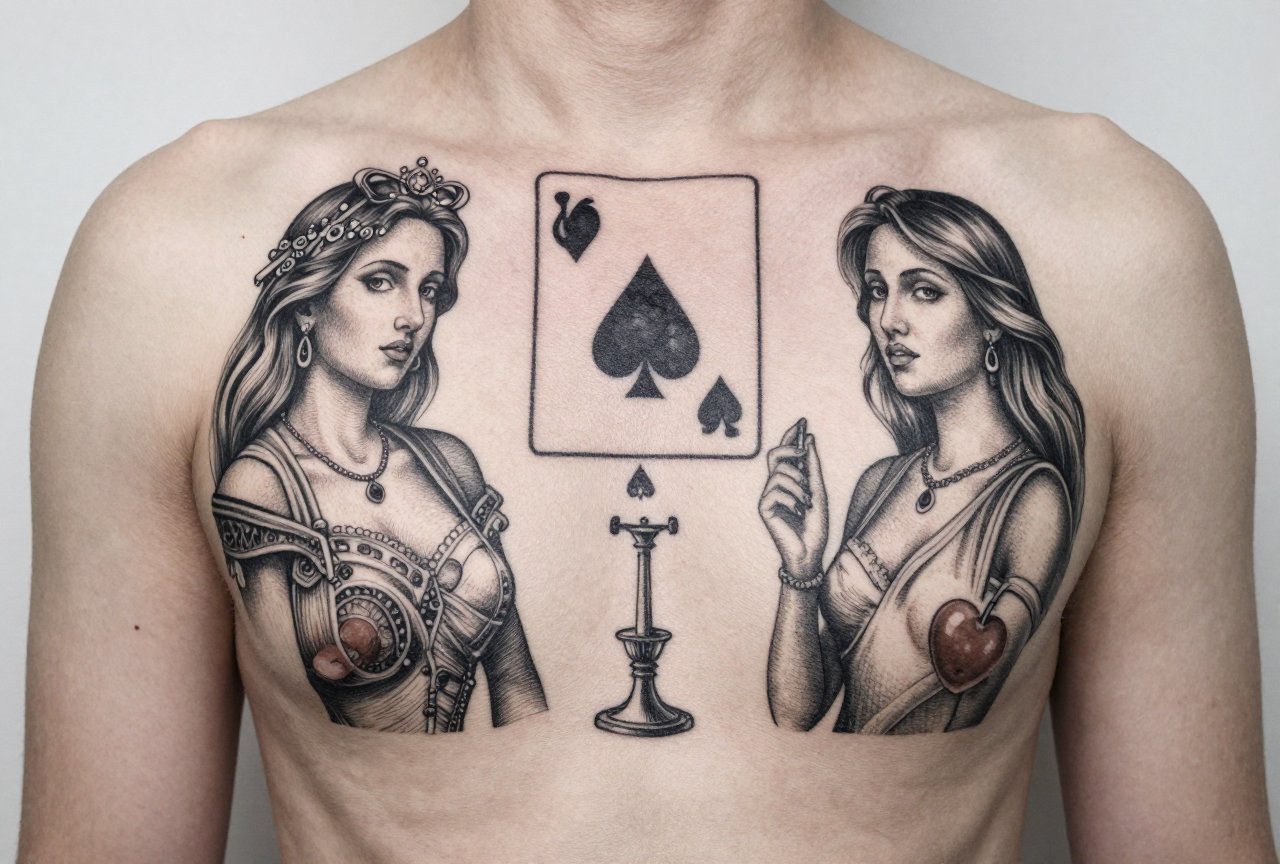
A meaningful tattoo image is a deliberate visual symbol chosen to represent a deeply personal story, belief, or milestone. Unlike decorative ink, these designs carry intentional significance that evolves with the wearer, serving as permanent reminders of identity, loss, love, or transformation. The meaning is not universal but emerges from the relationship between the chosen imagery and the individual’s lived experience.
Symbolism & History
The tradition of meaningful imagery in tattooing stretches across millennia and cultures. Polynesian warriors wore geometric patterns recording genealogy and rank. Japanese irezumi wove symbolic creatures into full-body narratives of protection and perseverance. Sailors marked milestones with anchors, swallows, and nautical stars that held coded personal significance within their community.
Today, meaningful tattoo images draw from this rich heritage while embracing contemporary symbolism. Common threads include:
- Animals: Wolves for loyalty and resilience, butterflies for metamorphosis, bears for strength and introspection
- Botanical elements: Oak trees for endurance, lotus flowers for rising above difficulty, lavender for calm and devotion
- Geometric and sacred forms: Mandalas for balance, the ouroboros for cycles of renewal, compass roses for guidance
- Abstract and textual fusion: Coordinates of meaningful locations, constellation patterns, or visualized soundwaves of voices
The power of these images lies in their ability to compress complex emotional narratives into immediately recognizable visual forms. A single image can encapsulate years of experience that resist verbal explanation.
Common Variations & Styles
Meaningful tattoo images adapt to virtually every artistic approach, though certain styles particularly suit symbolic depth. Fine line and single-needle work excels for delicate personal imagery like handwriting reproductions or subtle botanical studies. Black and gray realism brings gravitas to memorial portraits or animal totems. Neo-traditional and illustrative styles allow for bold, readable symbols that remain clear across decades.
Popular contemporary variations include:
- Stylized memorial pieces: Birth flowers, death dates integrated into clocks or hourglasses, favorite objects of lost loved ones
- Transformation narratives: Phoenix rising, caterpillar-to-butterfly sequences, or seasonal landscapes marking personal change
- Heritage and ancestry: Family crests, traditional patterns from cultural backgrounds, or DNA helixes combined with national symbols
- Recovery and survival imagery: Semicolon variations, kintsugi-inspired broken pottery, or climbing motifs
- Relationship and commitment: Interlocking geometric forms, matching but non-identical partner pieces, or adopted pet portraits
Watercolor and abstract approaches increasingly appear, allowing emotional tone to override literal representation. A splash of specific colors might represent particular emotions or memories without defining them rigidly.
Best Placements
Placement for meaningful tattoo images often carries its own significance beyond aesthetics. The chest and sternum sit close to the heart, making them natural choices for memorial or love-related pieces. The inner forearm offers visibility for daily reminders of personal commitments or recovery milestones. The upper back and shoulder blades provide substantial canvas for larger narrative compositions while remaining concealable when desired.
- Wrist and inner arm: Subtle, easily visible personal mantras or small symbolic anchors
- Ribcage and side: Intimate, protected placements for deeply private meanings
- Thigh and calf: Ample space for detailed storytelling with controlled visibility
- Behind the ear or nape: Quiet, personal symbols meant more for the wearer than observers
- Fingers and hands: Highly visible commitment pieces, though these demand acceptance of faster fading
Consider how the placement itself becomes part of the meaning. A hidden tattoo may honor a private struggle; a prominent one might declare public identity or commitment.
Who Chooses This Tattoo / Personal Meanings
Meaningful tattoo images attract individuals at inflection points: after loss, during recovery, upon parenthood, following relocation, or when embracing new identity. The demographic spans all ages, though first-time tattoo recipients often gravitate toward significance over aesthetics alone.
Common personal motivations include:
- Processing grief: Creating permanent presence for what absence has taken away
- Marking survival: Documenting illness, addiction recovery, or escape from harmful situations
- Celebrating connection: Honoring children, partners, or chosen family through shared or complementary imagery
- Asserting identity: Claiming symbols that reflect authentic self after periods of concealment or confusion
- Geographic and temporal anchoring: Preserving memories of places and moments that shaped fundamental change
The most powerful meaningful tattoos often emerge from collaboration between artist and client, translating vague emotional needs into precise visual language. A skilled tattoo artist specializing in custom work becomes interpreter as much as technician.
Similar Symbols
Meaningful tattoo images frequently overlap with broader symbolic categories. Memorial tattoos share territory with religious iconography, particularly crosses, angels, and prayer hands, though secular alternatives like trees, birds in flight, and celestial bodies increasingly serve the same function. Strength and protection symbols parallel traditional talismanic tattoos from global cultures.
- Script and lettering tattoos: When words carry the meaning directly rather than through visual metaphor
- Portrait tattoos: The most literal form of meaningful image, requiring exceptional technical skill
- Cover-up and transformation pieces: Meaning layered over previous ink, literally rewriting personal history
- Minimalist symbols: Reduced forms where a single line or dot holds enormous private significance
- Collaborative and interactive designs: Tattoos designed to complete or activate meaning when paired with another person’s complementary piece
Final Thoughts
Meaningful tattoo images resist trend cycles because their value resides in personal narrative rather than fashionable aesthetics. The best such tattoos balance immediate visual impact with layers of significance that reward continued reflection. Work with artists who understand symbolic translation, take time developing your concept beyond the first appealing image, and trust that the most enduring meaningful tattoos often simplify rather than complicate. The skin offers limited canvas; the stories we choose to etch there deserve the weight we give them.
Related Tattoo Meanings
- Meaningful Drawings Tattoo Meaning: Symbolism Personal Significance
- Tear Drop Left Eye Tattoo Meaning: Symbolism History
- Symbol Secret Tattoo Meaning: Hidden Messages in Ink
- Explore all tattoo symbol meanings









