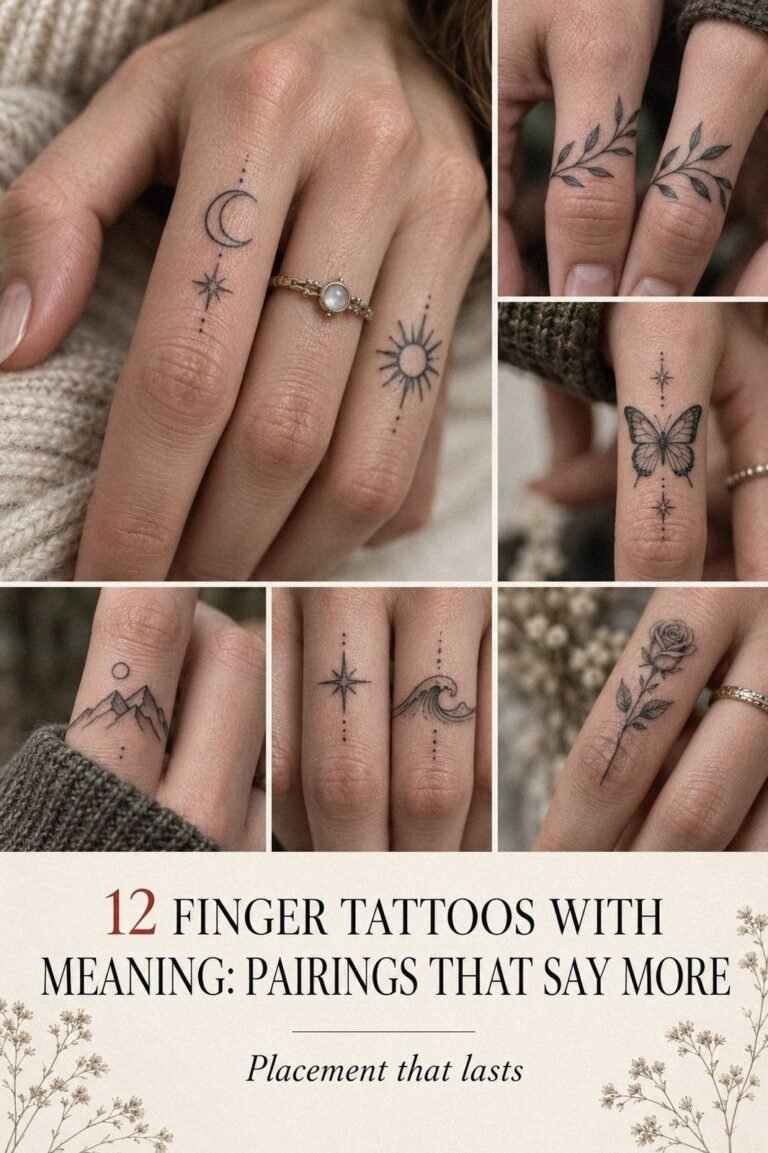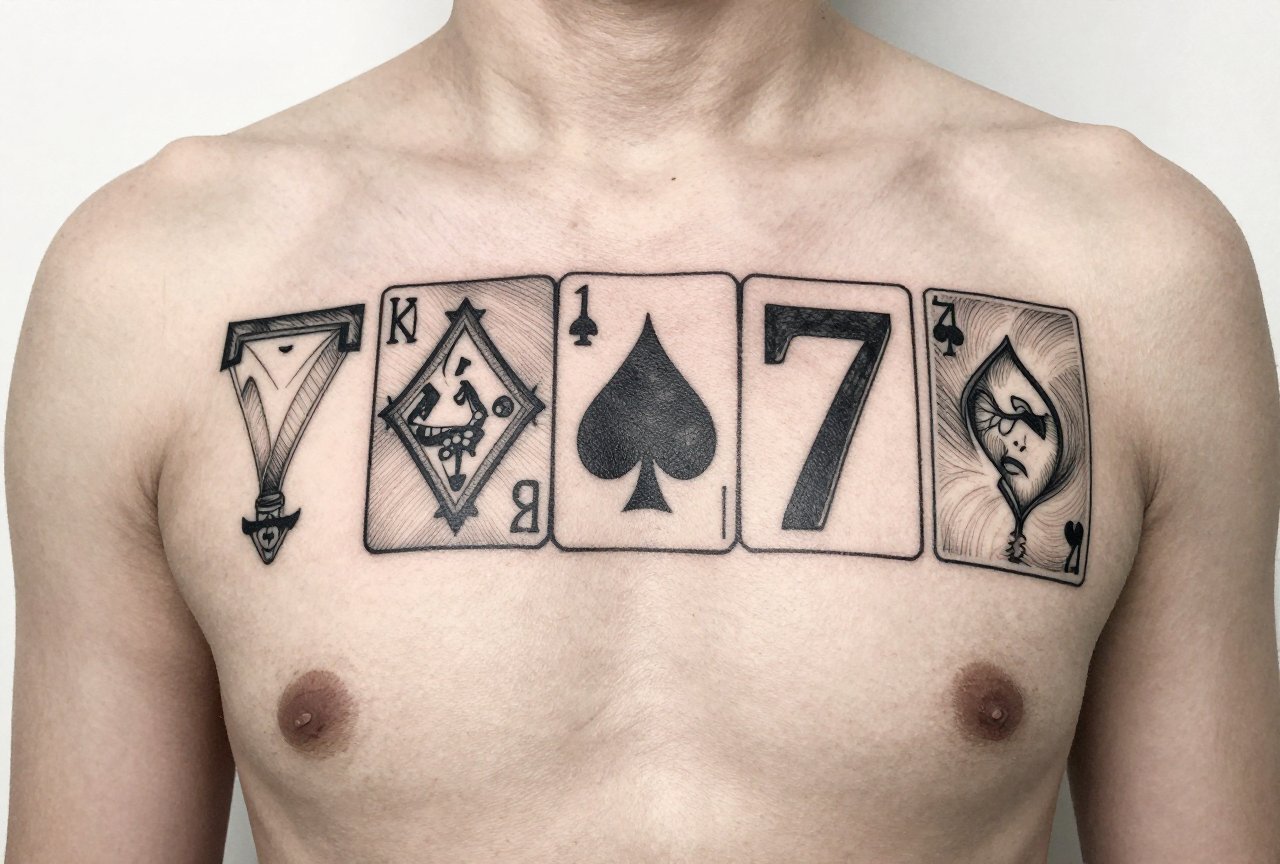
A meaningful tattoo drawing is a deeply personal design that translates significant life experiences, emotions, or relationships into visual form. Unlike generic flash art, these tattoos are intentionally crafted to carry specific resonance for the wearer, often combining symbols, imagery, and stylistic choices that tell an individual story. The meaning emerges from the intersection of universal symbols and private significance, making each piece genuinely unique.
Symbolism & History
The tradition of meaningful tattoo drawings stretches across millennia and cultures. Ancient Polynesian tatau communicated genealogy and social status through intricate geometric patterns. Japanese irezumi developed elaborate pictorial narratives depicting mythology, nature, and personal virtues. In these traditions, the visual language carried collective meaning that the community understood.
Contemporary meaningful drawings draw from this lineage while emphasizing individual interpretation. Common symbolic frameworks include:
- Nature imagery: Trees representing growth and rootedness, birds signifying freedom or transition, mountains embodying challenges overcome
- Geometric and sacred geometry: Patterns suggesting cosmic order, balance, and interconnectedness
- Abstract and minimalist linework: Reducing complex emotions to essential forms, often representing clarity after difficulty
- Script integration: Hand-lettered words, coordinates, or dates paired with visual elements to anchor meaning
- Portrait and figurative work: Loved ones, ancestral figures, or mythological characters rendered in personal artistic style
The historical shift toward highly personalized tattoo art accelerated in the 1970s and 1980s as tattooing moved from subcultural margins toward mainstream artistic legitimacy. Custom drawing became the expected standard rather than the exception, with clients increasingly arriving with conceptual rather than predetermined imagery.
Common Variations & Styles
Meaningful drawings adapt to virtually every tattoo aesthetic, though certain styles particularly suit conceptual depth:
- Illustrative and fine line: Detailed, drawing-like quality that resembles sketchbook art; excellent for narrative scenes and delicate symbolism
- Blackwork and engraving style: High contrast, hatched shading reminiscent of woodcuts; carries timeless, archival gravitas
- Watercolor and painterly: Color bleeding beyond linework suggests emotion, memory, and the fluidity of experience
- Dotwork and stippling: Built from countless tiny points, creating texture and depth through patience; often used for mandalas, celestial bodies, or organic forms
- Neo-traditional and traditional: Bold outlines and limited palettes with updated, personalized imagery rather than conventional flash subjects
- Single needle and micro-realism: Extremely fine detail for intimate, often hidden meanings rendered with photographic precision
Many collectors combine multiple styles within a single piece, layering techniques to create visual complexity that mirrors emotional depth.
Best Placements
Placement significantly influences how meaningful drawings function as personal symbols versus public statements:
- Forearm and wrist: Highly visible, serving as daily reminders and conversation invitations; suitable for affirmations or commemorations meant to be shared
- Ribcage and side: Concealed but accessible, often chosen for vulnerable or intimate meanings; the tattooing process itself becomes part of the narrative due to the area’s sensitivity
- Upper arm and shoulder: Traditional canvas with excellent visibility control; sleeves allow narrative development across multiple connected drawings
- Back and chest: Largest continuous surfaces for expansive compositions; the chest’s proximity to the heart carries obvious symbolic weight for memorial or devotional pieces
- Behind ear and nape: Subtle, private placements for whispers rather than declarations; often chosen for protective or guidance-oriented symbols
- Fingers and hands: Unavoidably visible, committing to the meaning fully; increasingly accepted in professional contexts but still carrying countercultural resonance
Who Chooses This Tattoo / Personal Meanings
Collectors of meaningful drawings span demographics, but share certain motivations. First-time tattoo recipients often gravitate toward deeply personal designs as a way to ensure permanence feels purposeful rather than impulsive. Those marking transitions, grief, recovery, or achievement frequently commission custom drawings that externalize internal transformation.
Common personal narratives include:
- Memorializing deceased family members, pets, or relationships through symbolic objects, dates, or portrait work
- Documenting survival of hardship, illness, or trauma through imagery of resilience, renewal, or protection
- Celebrating geographic or spiritual journeys through coordinates, maps, or culturally significant iconography
- Expressing identity facets, including heritage reclamation, gender or sexuality affirmation, or philosophical commitments
- Creating tangible connections to creative, professional, or intellectual passions through relevant imagery
The collaborative process between artist and client often becomes meaningful itself, with sketches evolving through dialogue until the drawing authentically represents the intended significance.
Similar Symbols
Meaningful drawings frequently incorporate or parallel established symbolic traditions:
- Semicolon: Specifically representing mental health survival and continuation, often integrated into larger drawings
- Unalome: Buddhist path-to-enlightenment symbol, frequently customized with personal elements
- Celtic knots and Ouroboros: Cyclical time, eternity, and interconnectedness, adapted with personal color or compositional choices
- Hamsa and evil eye: Protective symbols across multiple cultures, rendered in personalized artistic interpretation
- Memento mori imagery: Skulls, hourglasses, extinguished candles, historically reminding viewers of mortality, now often commemorating specific losses or life philosophies
- Botanical specificity: Moving beyond generic flowers to particular species with personal significance, birth flowers, or regional flora tied to specific memories
Final Thoughts
Meaningful tattoo drawings resist replication because their power derives from irreducible personal context. The most successful pieces result from honest self-reflection and thoughtful artist collaboration rather than trend-following. Whether minimalist or elaborate, visible or hidden, these tattoos function as embodied autobiography, permanently marking skin with the stories that shape who we become.
Related Tattoo Meanings
- Tear Drop Left Eye Tattoo Meaning: Symbolism History
- Symbol Secret Tattoo Meaning: Hidden Messages in Ink
- Navy Tattoo Meaning: Service, Honor The Deep Bond
- Explore all tattoo symbol meanings