You can shower about 24 hours after getting tattooed. That’s the short answer I give everyone who climbs out of my chair and immediately asks, “So when can I wash this?” The longer answer, and the one that actually matters, is how you shower, not just when. I’ve watched too many people either baby their fresh ink into a scabby mess or blast it under hotel-water pressure like it’s already healed. Neither works. Here’s what actually happens in real shops, on real skin, during real healing.
Why the 24-Hour Rule Exists
That first day, your tattoo is basically an open abrasion with pigment suspended in it. The plasma and ink mixture we wipe away during the session keeps seeping for a while. Your artist will wrap you in something, Saniderm, Tegaderm, or old-school plastic wrap and tape, and that barrier needs to stay put through the initial leak phase.
I tell clients to think of it like a wet painting. You wouldn’t run a hose over fresh oil paint. Same principle. The 24-hour window lets the skin start closing, lets that initial inflammatory response calm down, and gives the adhesive on your bandage time to actually seal if you’re using a medical film.
When It’s Actually Longer Than 24 Hours
Some pieces need more time. Heavy blackwork saturation, large color packing, or spots where we really dug in, those stay wrapped longer. I’ve had rib pieces weep for two days straight. If your artist says 48 hours, trust them over some internet standard. They felt how your skin took the needle.
Your First Shower: What Actually Changes
The water temperature matters more than people think. Hot water opens blood vessels and can restart bleeding or push out pigment. I learned this watching a guy step out of my shop into a Florida July, then immediately take a scalding shower because he was “sweaty and gross.” His fresh line work blurred in spots. Not ruined, but soft.
- Lukewarm water only, think comfortable bath for a toddler, not your usual muscle-melting ritual
- Let water run over the tattoo, don’t direct spray onto it
- Hands only, no washcloths or loofahs anywhere near it
- Unscented, gentle soap, Dr. Bronner’s diluted, Dove unscented, whatever your shop recommends
- Pat dry with clean paper towel, don’t rub
That last part gets ignored constantly. Regular towels harbor bacteria and snag on texture. Paper towels are disposable and smooth. I’ve had clients come back with infections traced to their “clean” bathroom towel that their cat slept on.
How Long Should That First Shower Be?
Short. Five minutes, maybe ten. Not because the tattoo dissolves, I’ve heard that fear, but because prolonged water exposure macerates the skin. Soft, waterlogged skin doesn’t hold ink well during healing. Get in, get clean, get out. Your tattoo will be there for every long shower for the rest of your life.
What You Absolutely Cannot Do
Baths, hot tubs, pools, lakes, oceans, basically any non-shower water situation is off-limits for two to four weeks depending on size and placement. I don’t care how clean your friend’s hot tub is. Pseudomonas bacteria love warm water and fresh tattoos. I’ve seen the greenish infections. Not pretty, not cheap to fix, and sometimes it costs you the tattoo.
Swimming is the one clients push back on hardest. “But I’m on vacation!” So was the guy in Miami who got a beautiful geometric piece on his calf, then swam in the ocean three days later. The salt and sand combination scoured the scabs off prematurely. He came back six weeks later for a touch-up that should’ve been unnecessary.
The Steam Room and Sauna Problem
People forget these count as water exposure. Steam rooms especially, hot, moist, bacterial paradise. Saunas dry the skin aggressively, which sounds good but actually causes cracking and scab thickening. Skip both for at least two weeks. Your gym membership survives the pause.
Healing Reality: What Week One Actually Looks Like
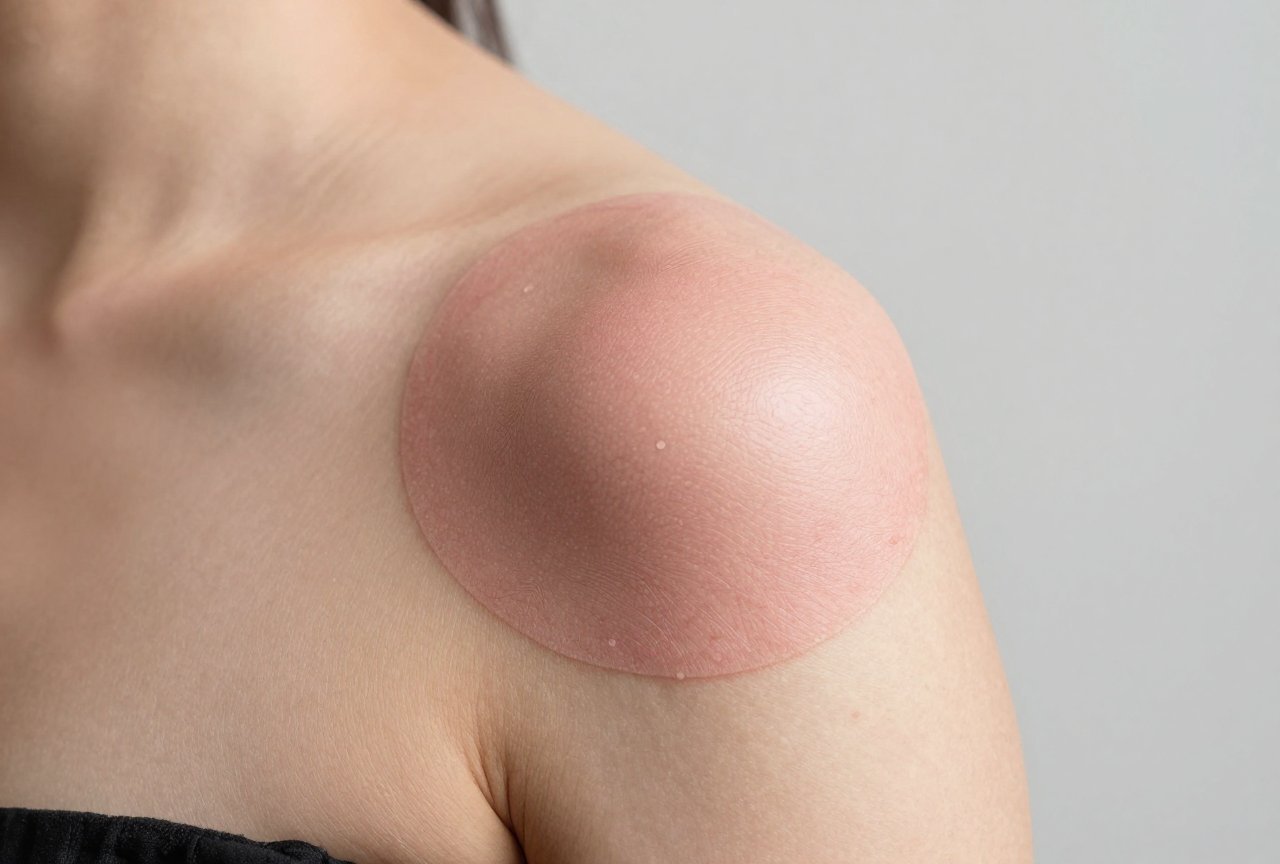
Days two through four, your tattoo will look terrible. Oozy, shiny, maybe slightly raised, possibly surrounded by redness that makes you panic. This is normal. I send every client home with “it’s going to look infected before it actually could be infected” because the anxiety calls flood shops otherwise.
Showering during this phase: quick, gentle, twice daily usually. Morning to remove overnight plasma buildup, evening to remove daily grime. Some artists prefer once daily. Follow your specific aftercare sheet.
- Day 1-2: Wrapped, no showering over the bandage if possible
- Day 3-4: Light peeling begins, showers help soften dead skin
- Day 5-7: Heavy flake phase, resist picking in the shower
- Week 2: Surface looks healed, deeper layers still closing
The peeling skin in the shower tempts everyone. It looks like it’s ready to come off. Sometimes it is, mostly it isn’t. Let it detach naturally. I’ve seen people create patchy spots by “helping” the process. The ink sits at varying depths; shallow layers shed first.
When the Scab Gets Thick
Thick scabbing usually means the tattoo dried out too much or got overworked. In the shower, these scabs soften and can lift. Don’t force them. If a scab comes off with gentle water flow and reveals shiny skin underneath, that’s normal healing. If it comes off bleeding or with visible ink, you went too deep or too early. Contact your artist.
Placement Changes Everything
I’ve tattooed feet that stayed wrapped three days because shoes rub and sweat. I’ve tattooed upper arms that healed in ten days flat because air circulates and the client sleeps on their back. Shower considerations shift with location.
Foot and ankle tattoos: water pools there. I tell clients to lift the foot out of the direct stream, dry thoroughly immediately after, and consider showering with a clean sock loosely over the bandage for the first couple days if the wrap is waterproof.
Back pieces: sleeping wet against sheets causes sticking and bacterial growth. Shower earlier in the day if possible, let it air dry before bed.
Hand and finger tattoos: you use these constantly. Every hand wash is a mini-shower for that tattoo. Extra moisturizer, gentler soap, more frequent but lighter cleaning.
The Sleeping Wet Problem
Clients rarely consider this. You shower, you go to bed an hour later, your tattoo is still slightly damp under the sheet. Now you’re marinating in warmth and moisture for eight hours. I recommend timing showers earlier in the evening, or if you’re a night shower person, using a cool hairdryer on low (no heat, held at distance) to fully dry the area.
Products: What Actually Helps vs. What’s Marketing
After the shower, you need something. The “dry healing” versus “moist healing” debate rages online, but in actual shops, most of us land somewhere in the middle. Light, breathable moisturizer, applied sparingly after the tattoo is fully dry.
- Fragrance-free lotion: Lubriderm, Cetaphil, Curel, basic, cheap, effective
- Specialized tattoo balms: some are good, many are overpriced beeswax
- Petroleum jelly: old school, works, but use thin layers; it can suffocate if caked
- What to avoid: Neosporin (reaction risk), anything with fragrance, alcohol-based “healing” sprays
I had a client use a “premium tattoo aftercare” that turned out to be mostly coconut oil and lavender. Smelled amazing. Also caused a contact dermatitis that took three weeks to resolve. Simple wins.
When to Actually Worry
Most shower-related issues aren’t emergencies. Redness that spreads dramatically, pus that’s yellow or green, fever, red streaks, these need medical attention, not another shower adjustment. Everything else, slight warmth, mild tenderness, normal-looking plasma, responds to better aftercare.
I’ve sent maybe five clients to urgent care in fifteen years. Hundreds more panicked unnecessarily. The line is: is it getting better or worse after day three? Better means healing. Worse means check in.
Key Takeaways
Wait about 24 hours, use lukewarm water, keep it brief, pat dry with paper towels, avoid soaking for weeks, and follow your specific artist’s instructions over any general guide. The shower itself isn’t dangerous, it’s how you do it, how long, and what you do after. I’ve watched thousands of tattoos heal. The ones that look best at one year belonged to people who treated that first two weeks with consistent, boring, unglamorous care. No drama, no infections, no touch-ups needed. Just clean, protected, appropriately dry skin doing what skin does best.
Frequently Asked Questions
Can I use a waterproof bandage to shower sooner than 24 hours?
Some artists use Saniderm or similar films that let you shower immediately, but the underlying skin still needs that initial seal time. Don’t remove the bandage early just to shower, follow your artist’s specific timeline for when to peel it off.
Why does my tattoo feel itchy right after I shower?
Warm water increases blood flow and can irritate healing nerve endings. The skin also tightens as it dries. Keep showers cooler and apply moisturizer while the skin is still slightly damp to lock in hydration without trapping excess water.
Is it normal for ink to seem like it’s washing off in the shower?
Yes, especially in the first few days. What you’re seeing is excess pigment and plasma rising to the surface, not the actual settled ink. The tattoo won’t fade from gentle washing, if it did, we’d all be out of business.
Can I shave over my healing tattoo in the shower?
Absolutely not until fully healed, usually four weeks minimum. Razors drag, nick, and introduce bacteria. Even after healing, be cautious, freshly healed skin can still react to shaving irritation for several more weeks.
Related Tattoo Guides
- How Long to Keep a Tattoo Wrapped: A Working Artist s Guide
- How Many Laser Tattoo Removal Sessions You Actually Need
- Small Tattoo Prices: What You ll Actually Pay in 2024
- Explore more