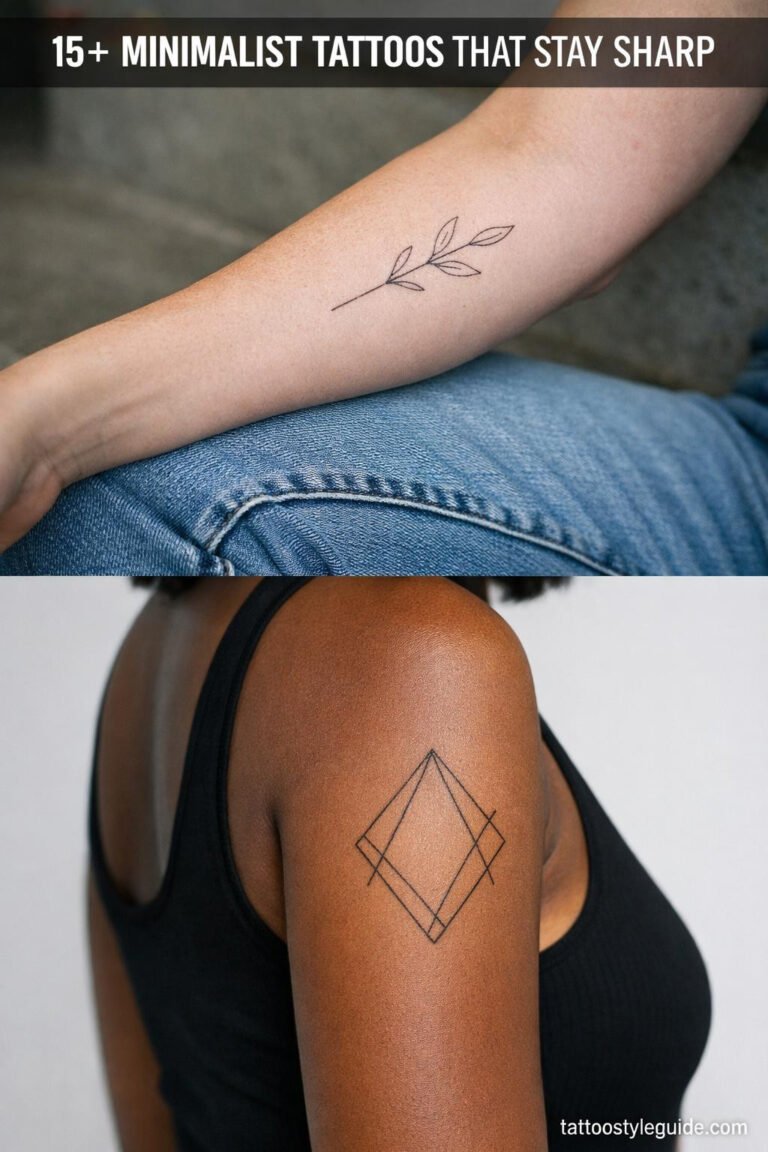
Most small tattoos in the US fall between $50 and $300, with the average sitting somewhere around $150. But that range is wide for a reason. I’ve tattooed tiny pieces that took twenty minutes and others the size of a credit card that ate up three hours because of the detail involved. Shop minimums, usually $60 to $100 in most cities, are the floor you can’t go below. Everything else depends on the artist, the design, and where on your body you’re putting it.
Why Shop Minimums Exist
Every tattoo, no matter how small, requires the same setup: new needles, ink caps, barrier film, stencil paper, and time to break down and sterilize. I’ve had people ask why a single letter costs $80. The answer is simple: I’m not opening a new setup for less. That minimum covers my baseline labor and materials.
In cheaper markets, rural areas, smaller towns, you might see $40 minimums. In NYC, LA, or Chicago, $100 is standard. Some high-demand artists won’t even book small work unless you’re adding it to a larger session.
What Counts as “Small” Anyway
Clients say “small” and mean wildly different things. To me, small is:
- Under 2, 3 inches in any direction
- Single needle or fine line work
- Minimal shading, mostly line-based
- Completes in under an hour
A palm-sized mandala with heavy black fill? That’s not small. That’s medium work priced accordingly.
How Artists Actually Price Small Work
There are two main models, and you’ll encounter both.
Flat Rate vs. Hourly
Most artists I know charge a flat rate for small tattoos. It’s cleaner. You know what you pay. Hourly rates, typically $150 to $250 per hour, kick in for larger pieces or when the artist isn’t sure how long something finicky will take. I’ve seen delicate finger tattoos go hourly because the skin is unpredictable and touch-ups are common.
Flat rates favor simple designs. Hourly can save you money if you’re efficient, but most small work isn’t worth the paperwork of tracking time.
The “Easy Spot” Discount
Some artists charge less for easy placements: outer forearm, upper arm, calf. The skin is stable, the client sits still, the work goes fast. I’ve knocked $20 off quotes for straightforward spots because I know I’ll finish in twenty minutes, not forty-five wrestling with rib skin that moves with every breath.
Placement Costs You More Than You Think
Where the tattoo lives changes everything. Not just pain, though that’s real, but time, precision, and touch-up likelihood.
- Fingers and hands: Frequent motion, fast fading, tricky to heal. Artists often charge 20, 30% more or refuse outright. I’ve done hundreds; they’re a headache.
- Ribs and sternum: Skin stretches, breathes, shifts. Takes longer to tattoo well. Usually priced up.
- Behind the ear: Trendy, small, but awkward angle. Some artists love them; others charge a placement premium.
- Ankles and feet: Bone close to skin, swelling during session, healing complications. Common upcharge.
- Outer forearm, bicep, thigh: The sweet spot. Easiest to work on, easiest to heal, often the fairest price.
I tell clients: pick the spot for the long term, not the Instagram photo. A cheap finger tattoo that blurs in two years is expensive in the worst way.
Style and Detail: Where Money Hides
A solid black silhouette of a cat? Fast. Cheap. Clean. A single-needle floral with dotwork shading and negative space highlights? That’s three times the time, three times the concentration.
Here’s what adds cost:
- Color work (more ink changes, more cleanup)
- Realism or portrait elements
- Lettering with custom typography
- Geometric work requiring stencil precision
- White ink highlights (tricky to apply, subtle to heal)
I’ve had clients bring in Pinterest screenshots of tiny, hyper-detailed pieces and expect a $60 quote. The original artist probably spent two hours. Good work takes time. Time is the whole cost.
The Hidden Costs Nobody Talks About
Beyond the tattoo itself, budget for reality.
Touch-Ups
Small tattoos fade faster than big ones. Less ink, less density, more exposure to sun and friction. Most shops include one free touch-up within six months to a year. After that, it’s full price or a reduced rate. I build one touch-up into my small work quotes because I know I’ll see them again.
Aftercare Supplies
You don’t need expensive kits. Plain unscented lotion, mild soap, maybe a tube of specialized balm if your artist recommends it. Budget $10, $25. The real cost is attention: keeping it clean, keeping hands off, keeping it out of pools and gym sweat for two weeks.
Travel and Tipping
Good artists book out. You might drive two hours or fly cross-country. Tipping is standard, 15, 25% in US shops. I don’t expect it on tiny $60 minimums, but on $200 sessions it’s appreciated and common. Factor it in.
How to Get a Fair Quote
I’ve been on both sides of the consultation desk. Here’s what actually works.
- Bring reference, not a mystery. “Something small and floral” tells me nothing. Show three images. I’ll quote honestly.
- Ask about the minimum upfront. Saves everyone time if your budget’s $40 and our floor is $100.
- Be flexible on placement. If you want cheap and clean, don’t insist on a finger.
- Don’t haggle. Tattooing isn’t a flea market. Negotiating reads disrespectful. Budget artists exist; find one honestly rather than pressuring someone whose work you claim to value.
- Book during slower seasons. January, February, late summer, shops get quiet. Some artists run small-tattoo specials or flash days. I do Friday the 13th flash events with set designs at set prices. Follow artists on Instagram; that’s where they announce.
Flash sheets, pre-drawn designs the artist wants to tattoo, are often discounted because there’s no design time. I’ve sold $150 custom pieces as $80 flash. Win for me, win for the client.
Red Flags in Cheap Tattoos
I’ve covered up too many $25 kitchen mag jobs. Here’s what screams trouble:
- Prices way below area minimums
- No portfolio, no healed photos
- Working from home without visible autoclave or setup
- Rushing the consultation
- No aftercare instructions given
Your skin is permanent. The tattoo is permanent. The money you “save” becomes the money you spend on removal or cover-up. I’ve seen $50 tattoos become $500 cover-ups. Do the math.
Key Takeaways
Small tattoos run $50, $300 in most US markets, with shop minimums setting your floor. Flat rates are standard for simple work under an hour; hourly kicks in for complexity or uncertainty. Placement matters, fingers, ribs, and feet cost more in time and touch-ups. Style detail drives price harder than size alone. Budget for aftercare, tipping, and likely one touch-up. Get quotes by being specific with references and flexible on placement. Avoid bargain hunting; bad cheap tattoos are the most expensive kind. The best small tattoo is one you can afford from an artist whose healed work you trust.
Frequently Asked Questions
Do all tattoo shops have a minimum price even for tiny tattoos?
Yes, nearly every professional shop has a minimum, usually $60 to $100. It covers setup, sterilization, and baseline labor. Even a dot takes the same prep as a larger piece.
Why do finger tattoos cost more than other small tattoos?
Finger skin is thin, moves constantly, and ink doesn’t hold well. Artists charge more because the work is finicky and almost always needs a touch-up later.
Is it rude to ask for a price estimate before booking?
Not at all, artists expect it. Bring clear references and be specific about placement. Vague requests make quoting harder, but a good artist will give you a straight number or range.
Can I get a discount if I want the same small tattoo as my three friends?
Sometimes. Group appointments save the artist setup time, but don’t expect half off. Ask politely about group rates; some shops offer small discounts for back-to-back identical designs.
Related Tattoo Guides
- How to Put on a Fake Tattoo That Actually Looks Real
- How to Remove Henna Tattoo: A Real Artist s Guide
- How to Stop Tattoo Itching: A Real Artist s Guide
- Explore more