There’s no “cure” for a tattoo because it’s not a disease, it’s a wound, and your body knows how to heal it. What you need is smart aftercare: keep it clean, keep it slightly moist, and keep your hands off. I’ve watched thousands of tattoos heal in my chair over fifteen years, and the ones that stay crisp follow simple rules. The ones that get muddy, infected, or scarred usually come down to one thing: someone got fancy when they should’ve gotten basic.
Day One: The First Four Hours
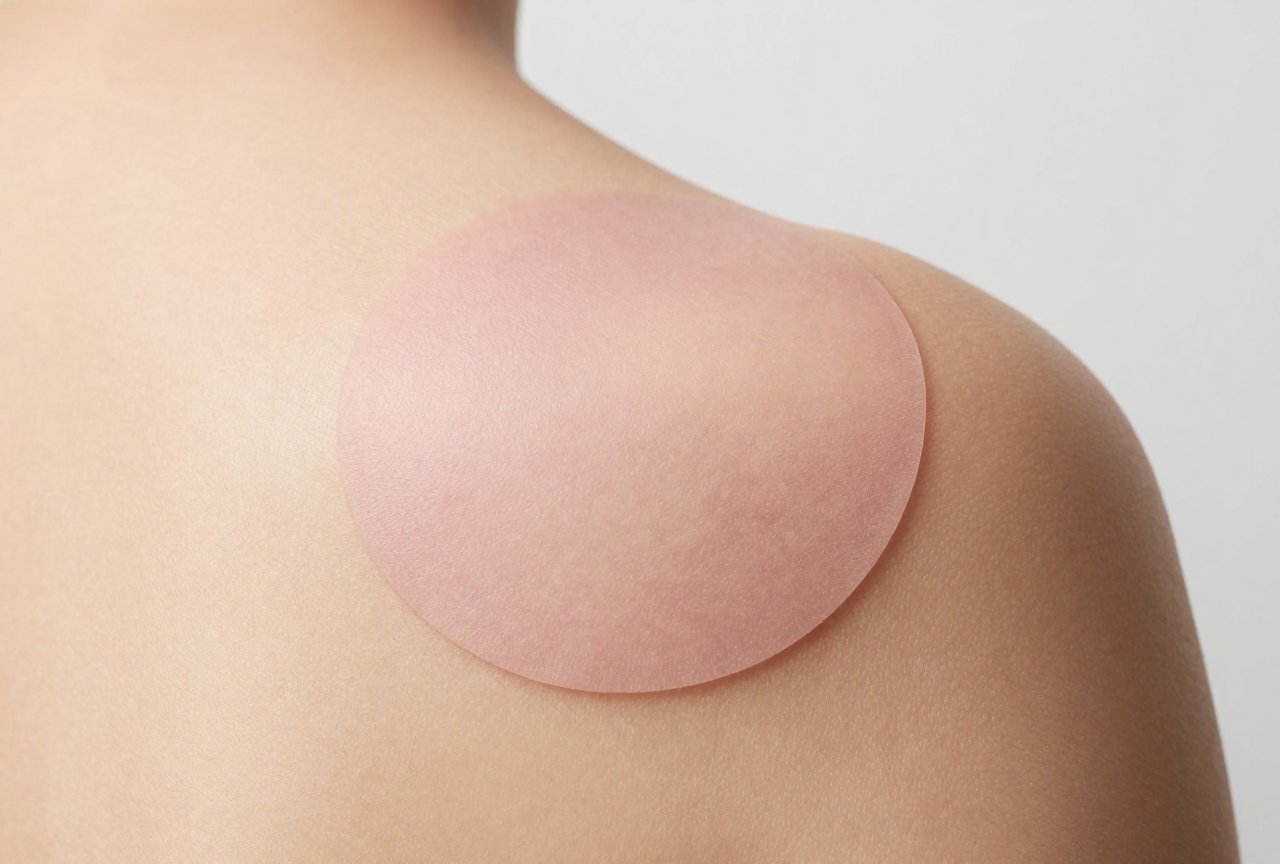
Your artist just finished. The skin is angry, leaking plasma and ink, that’s normal. We wrap you in something clean: sometimes a breathable bandage like Saniderm, sometimes plain plastic wrap if that’s what the shop stocks. I’ve used both. Saniderm’s great if you can keep it on 3-5 days without peeling early. Plastic wrap comes off in 2-4 hours, no exceptions. I’ve had clients leave it on overnight because they were scared, and they woke up to a soggy, macerated mess that took longer to heal.
First Wash
When you remove that wrap, wash with plain, unscented soap. Not antibacterial with fragrance. Not dish soap. I tell clients: “If it smells like a meadow, don’t put it on your wound.” Use lukewarm water, gentle circles with clean fingertips, then pat dry with a paper towel. Cloth towels harbor bacteria, and your fresh tattoo is an open door.
- Wash hands first, every single time
- No scrubbing, no rubbing, no loofahs
- Pat dry, don’t wipe
- Let it air out 10-15 minutes before moisturizing
The First Week: Moisture and Restraint
This is where people mess up. They either drown the tattoo in Aquaphor or let it crust into the Sahara. Both extremes ruin lines. I’ve tattooed fine single-needle work that looked like a photocopy fresh, then saw it six weeks later blurred because the client “kept it dry like you said”, but they didn’t moisturize at all. Dry healing works for some, but most people need a thin layer of something.
What Actually Works
Aquaphor for 3-4 days, then switch to unscented lotion. That’s my standard speech. Thin layer, twice daily, more if it feels tight. If you’re shiny, you’ve used too much. If you’re cracking and bleeding, you’ve used too little. The sweet spot is skin that looks like normal skin, not a greased pan.
Some artists swear by all-natural balms. I’ve tried them. Some are great, some separate and smell like old cooking oil after a week. Ask your artist what they trust. We’ve seen products come and go. The ones that stay are simple: petroleum-based or basic lotion. Fancy doesn’t mean better.
- Aquaphor: thin layer, 2-3x daily for first 3-4 days
- Unscented lotion: Lubriderm, Cetaphil, whatever’s cheap and plain
- No Neosporin, some people react badly, and it can pull ink
- No coconut oil if you’re prone to breakouts, clogged pores near a fresh tattoo hurt
What Not to Do: The Real Mistakes
We see this a lot. The client who goes to the gym day two and wonders why their arm tattoo is swollen and hot. The person who “just had to” show it off at the beach, salt water and sand grinding into four-day-old skin. The guy who sleeps on his stomach and wakes up stuck to the sheets, ripping out plasma scabs with the fabric.
Here’s what I say in my chair: treat it like a sunburn that costs money. You wouldn’t scrub a sunburn, soak it in a hot tub, or let your dog lick it. Same energy.
- No swimming for 2-3 weeks, pools, hot tubs, lakes, ocean
- No direct sun for 3-4 weeks minimum; after that, SPF 50 always
- No picking scabs, no matter how satisfying the flake looks
- No tight clothing rubbing the area, friction lifts ink
- No sleeping directly on it if you can help it
The Peeling Phase: When It Looks Ugly
Days 5-14, your tattoo will look terrible. Not a little bad, terrible. Dull, flaky, maybe patchy where scabs are thick. This is normal. I’ve had grown adults panic-text me photos at 2 AM because they think their tattoo is “falling out.” It’s not. The top layer of skin is shedding, and the ink sits deeper, in the dermis, waiting for the veil to lift.
White tattoos or heavy white highlights look worst during this phase. They can seem to disappear entirely. I always warn clients: “Your white will look like nothing for two weeks, then it’ll ghost back in.” Same with light grey washes. Patience.
If you see thick, yellow scabs that smell, or red streaks spreading outward, that’s not normal peeling. That’s infection territory, and you need a doctor, not more lotion. But most “emergencies” I get texts about are just standard ugly-healing.
Long-Term Care: Keeping It Crisp for Years
Aftercare doesn’t end when the scabs fall off. I’ve seen five-year-old tattoos that look fresh because the owner uses sunscreen religiously, and I’ve seen one-year-old pieces faded to grey because they tan like it’s a sport. UV light breaks down ink particles. It’s physics. Black turns grey-blue, reds turn pink, yellows vanish entirely.
Moisturize and Protect
Dry skin makes tattoos look older. Ashy lines lose their snap. I moisturize my own tattoos daily, same as my face. Not fancy, just regular lotion after showers. And sunscreen, always. Even in winter, even through car windows. UV penetrates glass.
For placements that take abuse, hands, feet, elbows, knees, expect touch-ups. I’ve tattooed finger pieces that needed work at six months because the skin there sheds and regenerates fast. It’s not your artist’s fault or your aftercare failure. It’s biology. Budget for it.
- SPF 50 on exposed tattoos, reapply every 2 hours in sun
- Moisturize daily, healthy skin holds ink better
- Consider touch-ups at 1-2 years, especially on high-wear areas
- Weight fluctuations can distort stomach, thigh, upper arm pieces
What Healing Actually Feels Like
Not glamorous. Day one: hot, tight, maybe a dull throb like a sunburn. Day two-three: itching starts, the worst part for most people. I tell clients to slap the area lightly instead of scratching, same nerve relief, no damage. Week two: flaky, maybe a little tender still. By week three, most people forget they’re healing.
Pain varies by placement. Ribs, sternum, feet, inner bicep, those hurt more during healing too, because the skin moves and flexes constantly. I’ve had clients say the healing itch was worse than the tattoo itself. I believe them. I’ve been there.
Key Takeaways
Your tattoo heals itself. Your job is to not sabotage the process. Wash gently, moisturize lightly, keep it out of sun and water, and don’t pick. Simple isn’t sexy, but it works. I’ve watched $50 garage tattoos heal cleaner than $500 pieces because the owner followed basic rules. The ink is permanent; how it looks in ten years depends on choices you make starting day one. Respect the process, and your skin will carry the art the way it was meant to be carried.
Frequently Asked Questions
Can I shower with a new tattoo?
Yes, but keep it brief and not scalding hot. Let water run over it gently, don’t direct high pressure at the fresh ink, and pat dry immediately after. Don’t soak it, baths and long showers soften scabs and pull ink.
Why is my tattoo itchy and raised after a month?
This can happen during the “ghosting” phase as deeper layers finish healing, or from an allergy to aftercare products. Switch to the simplest unscented lotion you can find. If it persists with redness or heat, check with a dermatologist.
Is it normal for some ink to come out during washing?
Yes, especially in the first 48 hours. You’re seeing excess ink and plasma, not the settled pigment. If the tattoo itself looks patchy after full healing, that’s when to talk to your artist about a touch-up.
How much does a touch-up usually cost?
Most reputable artists include one free touch-up within 6-12 months for work they did. After that, or for fixes on old tattoos from other artists, expect to pay their hourly rate or a flat fee starting around $50-150 depending on size and complexity.
Related Tattoo Guides
- How to Pick a Tattoo You ll Actually Love Forever
- How to Get Rid of a Henna Tattoo: A Real Guide
- Does a Leg Tattoo Hurt? A Real Tattoo Artist Breaks It Down
- Explore more