Most tattoos heal on the surface in two to three weeks, but the full settling process takes about six weeks to three months. That gap between “looks fine” and “actually fine” trips people up. I’ve had clients panic at day four when their ink looks like garbage, and I’ve had to talk others out of swimming at week three because the surface looked closed. Here’s what actually happens, week by week, in real skin.
The First 24 Hours: Open Wound Territory
Your tattoo is a controlled abrasion. I wipe down the finished piece, slap on a bandage, usually a second-skin adhesive like Saniderm or old-school plastic wrap, and send you home leaking plasma and ink. That first night, you’ll feel a hot, dull throb. The area will be swollen, tender, and probably stuck to your sheets by morning.
What the Bandage Actually Does
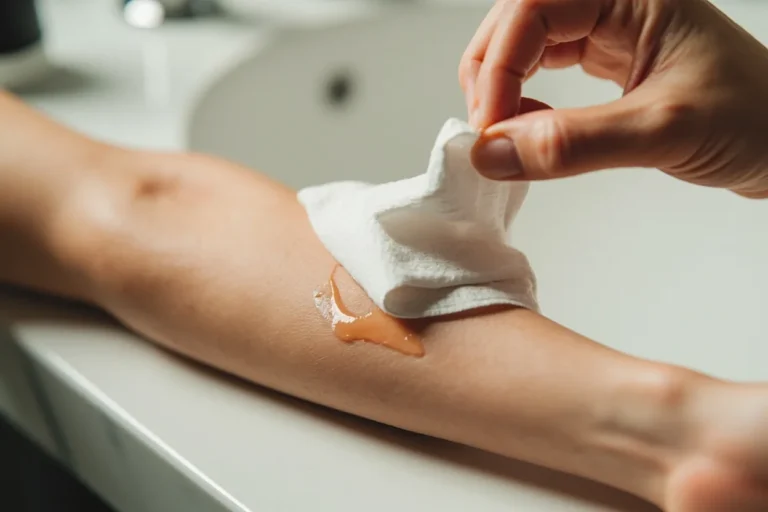
Second-skin dressings create a moist healing environment and block bacteria. I keep them on for three to six days when possible. Plastic wrap comes off after a few hours because it traps too much heat and sweat. Either way, that first wash matters: lukewarm water, unscented soap, pat dry with a clean paper towel. No rubbing. Your artist should have told you this, but half the time people forget in the adrenaline crash.
- Keep the initial bandage on as directed, don’t “air it out” early
- Wash hands before touching the tattoo
- Expect redness and warmth; sharp pain or spreading heat means call your artist
Days 2, 4: The Ugly Phase
This is when people text me photos convinced their tattoo is ruined. The plasma dries, the ink settles, and a thin scab or flaky layer forms. Color looks muted under that film. Fine lines blur slightly. It’s supposed to look rough.
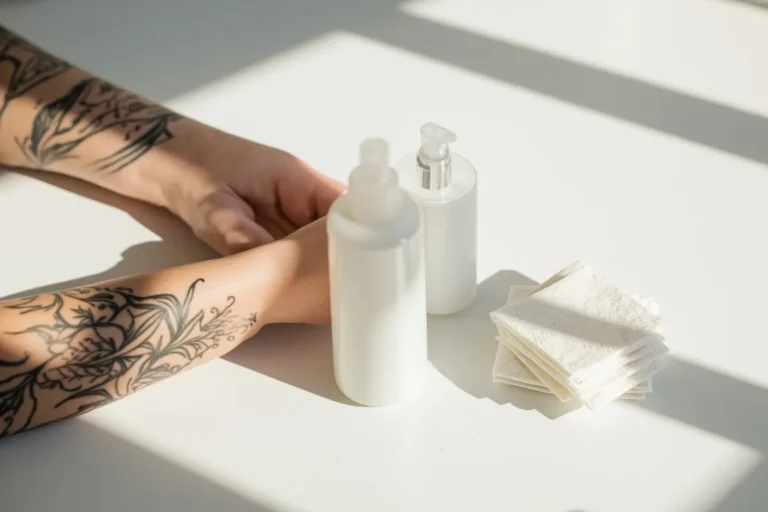
I tattooed a full sleeve of botanical work last spring, and my client sent me a panic shot at day three, everything looked gray and dusty. I told her to trust the process and stop peeling it. She did. At week two, the linework popped back crisp and the leaves read clean. The ugly phase is real. Don’t pick, don’t scratch, don’t let your cat sleep on it.
Itching and the Peeling Temptation
Itch hits hardest around day four or five. It’s deep, maddening, like a mosquito bite under a cast. I tell clients to slap the area gently or run cool water over it. Scratching lifts ink out with the scab. I’ve seen beautiful stippled shading ruined by someone who couldn’t stop digging at their arm in their sleep.
Week 1, 2: Surface Healing
By the end of week one, the top layer has usually closed. The scabs flake off naturally, leaving fresh, slightly shiny skin underneath. Color looks brighter now, but it’s not done. That new skin is thin and vulnerable.
Placement matters here. I’ve tattooed ribs that stayed sore for ten days because of constant movement and friction from bras or waistbands. Inner bicep? Same story, every arm bend stresses the healing skin. Ankles and feet swell like balloons and hold scabs longer. The back of the neck heals fast because it’s protected and relatively still. Your body location changes your timeline.
- Continue light moisturizing, thin layer, let it breathe
- No direct sun; fresh ink burns and blisters easily
- Avoid soaking: baths, hot tubs, pools, ocean dips
- Loose clothing over the area; friction causes scab damage
Weeks 3, 6: The Settling Period
This is the invisible healing. The surface looks fine, but deeper layers are still organizing collagen and locking ink into the dermis. The tattoo may look slightly raised or puffy in spots. Some areas settle faster than others, solid black heals differently than soft color gradients.
I did a Japanese-style koi piece with heavy saturation on a client’s thigh. At week four, the black waves looked settled but the red scales still had a subtle ghostiness. By week eight, everything equalized. That’s normal. Dense color packing takes longer to fully stabilize than crisp linework.
When You Can Resume Normal Life
Light exercise after two weeks if you’re not sweating directly onto the tattoo and can keep it clean. Swimming? Wait the full six weeks. I don’t care if it looks fine. Submerging fresh ink in chemical-laden or bacteria-rich water is how you get infections that cost way more than the tattoo. Sun exposure without SPF 50? You’re asking for faded, blown-out color in five years. I see it constantly on older pieces that never got protected.
Months 2, 3: The Final Look
By month two, your tattoo has settled into what it’ll look like long-term. The skin texture normalizes. Any remaining subtle puffiness flattens. Colors read true in daylight. This is when I tell clients to come back for a touch-up if something didn’t hold, lines that healed patchy, spots where ink didn’t take evenly.
Touch-ups happen. Skin is variable. I don’t charge for minor adjustments within a few months because some areas just don’t cooperate. The inside of a wrist, for example, sheds ink like it’s rejecting the idea. I’ve had to rebuild lines there more than anywhere else.
What Slows Healing Down
Some factors drag out your timeline. I can usually spot the slow healers in my chair:
- Diabetes or circulation issues, skin repairs slower
- Smoking, constricts blood flow, ink settles poorly
- Immune system flares, eczema, psoriasis, active skin conditions
- Poor aftercare, over-moisturizing is as bad as under-moisturizing
- Sun damage during healing, blisters, color loss, scarring
Over-moisturizing is the one I fight most. Clients slather on Aquaphor like they’re frosting a cake, then wonder why they’re breaking out in tiny white bumps around the tattoo. Thin layer, twice a day. Let it dry between applications. Your skin needs to breathe to rebuild.
Key Takeaways
Surface healing takes two to three weeks. Full settling needs six weeks to three months. The ugly phase is normal. Don’t pick, don’t soak, don’t bake it in sun. Moisturize lightly, keep it clean, and trust that what looks muddy at day five will clarify. Every tattoo I’ve done for fifteen years has gone through some version of this cycle. The ones that age best belonged to clients who were patient early and protective forever.
Frequently Asked Questions
Why does my tattoo look worse after a few days?
The plasma and scab formation during days 2, 4 mute the color and blur fine details temporarily. This is standard healing. Once the scab flakes naturally, the ink clarity returns. Picking accelerates ink loss and can scar the area.
Can I work out with a fresh tattoo?
Light exercise is fine after several days if you can keep the tattoo clean and dry. Avoid anything that stretches the skin heavily, causes direct friction, or lets sweat pool on the area for prolonged periods. Gyms are bacteria farms, be careful.
Is it normal for some ink to fall out during healing?
Small spots of patchy healing happen, especially in areas with thin skin or lots of movement. That’s why most artists offer touch-ups within a few months. Heavy ink loss usually means aftercare issues or a technical problem during application.
How do I know if my tattoo is infected versus just healing?
Normal healing involves redness, warmth, and mild swelling that improves daily. Spreading redness, increasing pain after day three, foul odor, or yellow-green discharge needs professional attention. When uncertain, contact your artist first, they’ve seen every stage of healing.
Related Tattoo Guides
- How Long Until You Can Swim After a Tattoo
- How to Conceal a Tattoo With Makeup: A Pro s Guide
- How to Get Tattoo Stencil Off Skin: Artist-Approved Methods
- Explore more