Is laser tattoo removal dangerous? Short answer: not especially, but it’s not nothing either. I’ve sat next to clients getting zapped between sessions, watched cover-ups go wrong because someone skipped proper removal, and heard every horror story and success story you can imagine. Laser removal is the safest method we have for getting ink out of skin, but “safest” doesn’t mean “zero risk.” You need to know what actually happens, what can go sideways, and how to protect yourself from the real dangers, which usually aren’t the laser itself, but the person operating it or the decisions you make after.
How the Laser Actually Works (Without the BS)
The laser fires incredibly short bursts of light, nanoseconds, sometimes picoseconds, at specific wavelengths. Black ink soaks up that light, heats up, and shatters into tiny fragments. Your lymphatic system then flushes those fragments out over weeks. Color inks need different wavelengths. Green is stubborn. Yellow is a nightmare. I’ve seen artists refuse to tattoo over old green ink remnants because the laser barely touched it.
Here’s the thing nobody tells you: the laser doesn’t “remove” anything in the moment. It breaks it. Your body does the actual removal. That means your immune health, hydration, and patience matter enormously. A smoker with poor circulation? Slower results. Someone who trains hard and drinks water? Better outcomes. I’ve watched this play out across dozens of clients.
What the Session Actually Feels Like
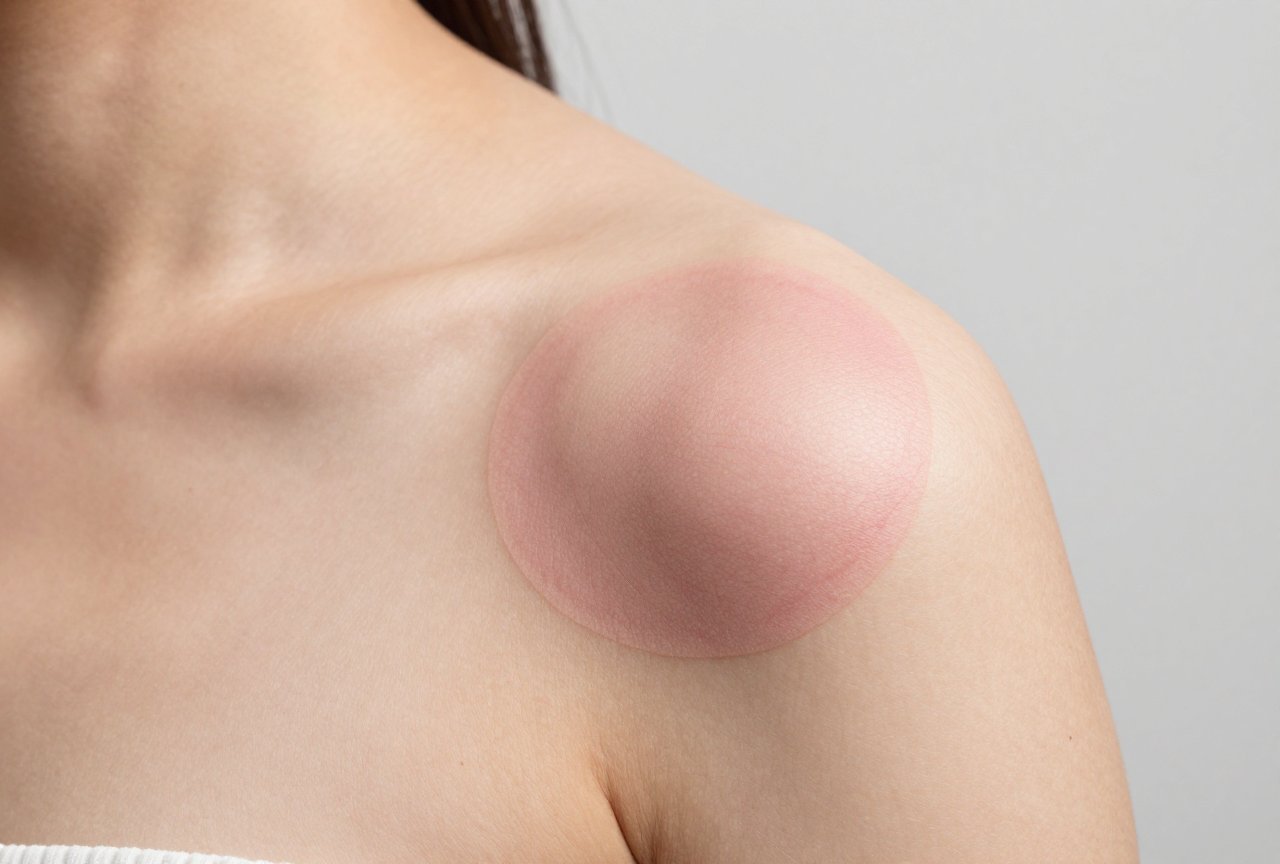
It hurts worse than tattooing. Most of my clients say it’s like hot rubber bands snapping, or grease splatter from a pan. The laser pulses fast, sometimes a few per second on large areas, so there’s no rhythm to brace against. Numbing cream helps some. Cooling devices help more. But you’re not getting through a big session without feeling it. Afterward, the skin swells, blisters sometimes, and feels like a bad sunburn. I’ve had clients come straight from removal to my chair for a consultation, skin still puffy and red, asking when they can get the cover-up started.
How Many Sessions You’re Really Looking At
- Black line work, amateur tattoo: 3-6 sessions
- Professional color packing: 8-12+ sessions
- Old faded tattoos: sometimes fewer, sometimes the ink has settled weird
- Fresh tattoos: wait at least 6 months, or you’re wasting money
- Smaller pieces heal faster between sessions; large back pieces drag on for years
Sessions are spaced 6-8 weeks apart minimum. Anyone promising faster is lying or reckless. Your skin needs time to process the shattered ink and recover.
Real Risks and Side Effects (Not Scare Tactics)
I’ve been in shops where we referred clients to removal specialists, and I’ve seen outcomes across the spectrum. Here are the genuine problems that arise:
- Hypopigmentation: The laser can strip melanin along with ink, leaving light patches. Darker skin tones face higher risk. I’ve seen this on a client’s forearm, pale ghost spots where black lettering used to be. Permanent.
- Hyperpigmentation: Opposite problem. Skin darkens from inflammation, sometimes permanently. Sun exposure after sessions makes this way worse.
- Scarring: Usually from poor aftercare, picking blisters, or an overly aggressive technician. Real scars, not “texture changes.” I’ve felt them, raised, shiny, tattoo won’t hold well over them.
- Infection: Blisters pop, people don’t keep them clean. Standard wound care applies.
- Incomplete removal: Most common “risk.” Ghost images, ink shadows, colors that won’t budge. Then you’re stuck with a half-faded mess.
Serious dangers like burns or severe allergic reactions to released ink are rare but documented. I know one artist who developed a nasty reaction to red ink particles breaking down, hives, swelling, needed antihistamines for days.
The Technician Matters More Than the Machine
A Q-switched Nd:YAG laser in untrained hands is dangerous. A picosecond laser operated by someone who understands skin types, ink behavior, and when to stop? Dramatically safer. I’ve watched medspa employees with weekend certifications crank settings too high to “save sessions.” That’s where damage happens. Board-certified dermatologists and experienced laser specialists cost more because they should. Cheap removal is expensive skin damage.
Aftercare Reality: What Actually Happens at Home
Post-laser care is simpler than fresh tattoo aftercare but easier to mess up. The skin is compromised, open, angry. Here’s what I tell clients who ask me:
- Keep it clean, keep it dry, let blisters be. Don’t pop them. I repeat: don’t pop them.
- Cool compresses help the first 24 hours. Not ice directly, wrapped, intermittent.
- No sun. Zero. For weeks. Tanned or sunburned skin gets zapped next session, and you’re asking for pigment problems.
- No picking, no scratching, no “helping” the skin flake off. I’ve seen people scrub at healing laser sites like they’re exfoliating. Stop.
- Loose clothing over the area. Friction on fresh laser wounds is miserable and risky.
The healing timeline is faster than a tattoo, usually a week to ten days for surface recovery, but the internal processing continues for months. That ghost image you see at week three? It might fade more by week eight. Patience is the whole game.
Cost, Commitment, and Managing Expectations
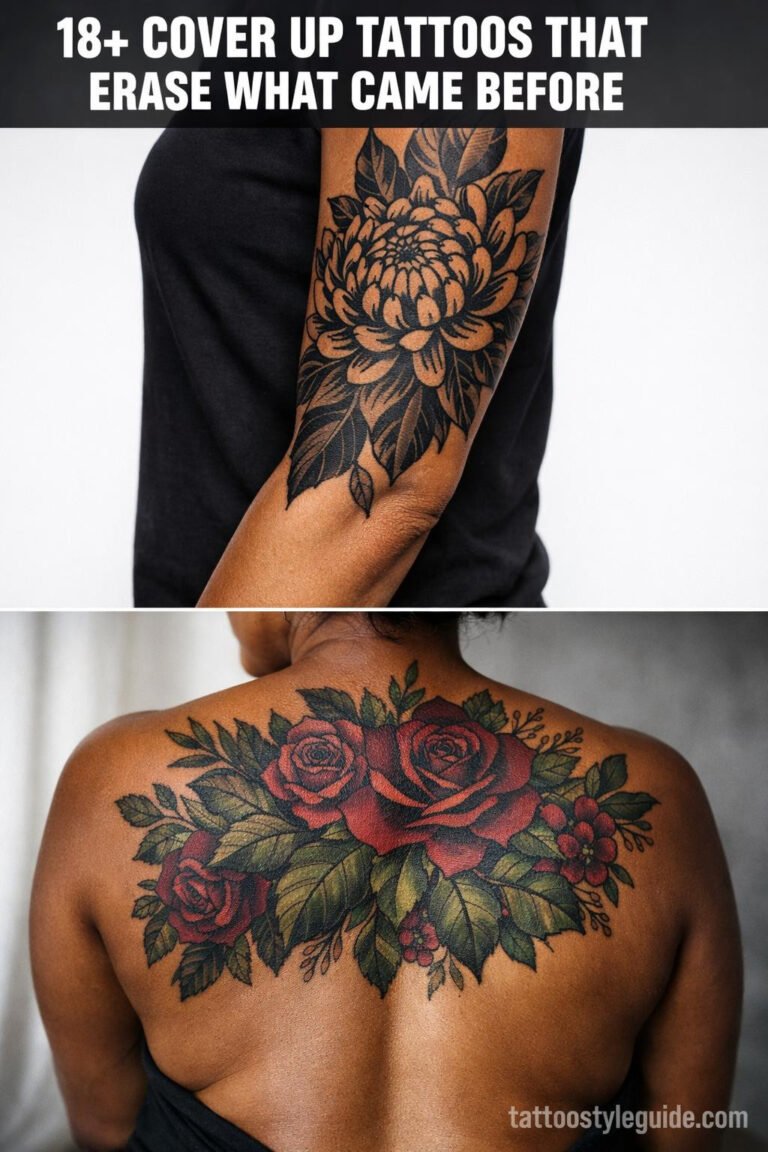
Removal is expensive. Sessions run $200-$500+ depending on size and location. A full sleeve could cost more than the original tattoos. I’ve had clients spend three years and eight grand removing work they got for a few hundred. There’s no guarantee of complete clearance. Sometimes the goal isn’t blank skin, it’s lightening enough for a quality cover-up. I do those constantly. A faded blue tattoo becomes a dark forest. Ghosted black lettering becomes negative space in a new design.
Be honest about your goal. Complete removal for a small black piece? Very doable. Total clearance of dense color work? Maybe, maybe not. Managing that expectation upfront prevents the despair I’ve seen at session six when the green is still hanging around.
When Removal Goes Wrong in My Chair
I’ve tattooed over failed removal. Scarred skin that won’t hold ink evenly. Hypopigmented patches where pigment slides differently. One client’s arm looked like topography, raised lines from laser burns, ink settling in valleys. We adapted, designed around it, but the “fresh start” they wanted became a compromise. This is why I push people toward reputable removal specialists, not bargain deals.
Who Should Avoid or Delay Removal
- Pregnant or breastfeeding individuals, most reputable places won’t touch you
- Active skin infections, eczema flares, or open wounds in the area
- Photosensitizing medications (some antibiotics, acne treatments)
- Immunocompromised states, your body needs to do the actual removal work
- Keloid formers, any skin trauma risks worse scarring
- Unrealistic expectations about speed, cost, or complete clearance
I’ve also talked people out of removing fresh work. Wait. Let it settle. Let your feelings settle. I’ve covered up six-month-old tattoos that the client hated at two months and loved at five. Removal is a long road; make sure you’re committed.
Key Takeaways
Laser tattoo removal isn’t dangerously unsafe when done properly, but it’s not casual either. The real risks, pigment changes, scarring, incomplete results, stem from poor technician choices, bad aftercare, and unrealistic expectations more than the technology itself. I’ve watched this industry mature; the machines are better, the specialists more knowledgeable, and the outcomes more predictable than a decade ago. But your skin is permanent, and every intervention carries trade-offs. Research your provider like you’d research a surgeon. Follow aftercare religiously. Understand that removal is a process measured in years, not weeks. And if you’re removing to make space for something better, know that a good cover-up artist can work wonders with faded ink, sometimes that’s the smarter path than chasing blank skin. In my chair, I’ve learned that the best tattoo decisions are informed ones, if you’re putting ink in or taking it out.
Frequently Asked Questions
Can I get a new tattoo over skin that had laser removal?
Yes, but timing matters. Wait until the skin is fully healed and settled, usually several months after your final session. The area may hold ink differently, especially if there’s any scarring or pigment change. I always assess laser-treated skin before starting a cover-up.
Does laser removal hurt more than getting tattooed?
Most people say yes. The sensation is sharper, more intense, and lacks the rhythmic predictability of a tattoo machine. It’s over faster per session, but the cumulative experience across multiple sessions adds up. Numbing options help but don’t eliminate it.
Why is my tattoo still visible after six laser sessions?
Some inks, especially greens, blues, and certain reds, resist breakdown. Dense professional packing, deeper ink placement, and your individual immune response all factor in. Complete removal isn’t guaranteed; sometimes the goal shifts to lightening for a cover-up.
Will laser removal leave me with completely normal skin?
Probably not perfectly. Even successful removal often leaves subtle texture changes, slight ghost images, or pigment shifts. The goal is improvement, not invisible restoration. Anyone promising otherwise hasn’t been honest about the limitations.
Related Tattoo Guides
- MGK Tattoo Cover Up: What Artists Actually Do
- How Bad Does Tattoo Removal Hurt? A Real Shop Guide
- How Much Is Getting a Tattoo Removed? A Real Cost Guide
- Explore more