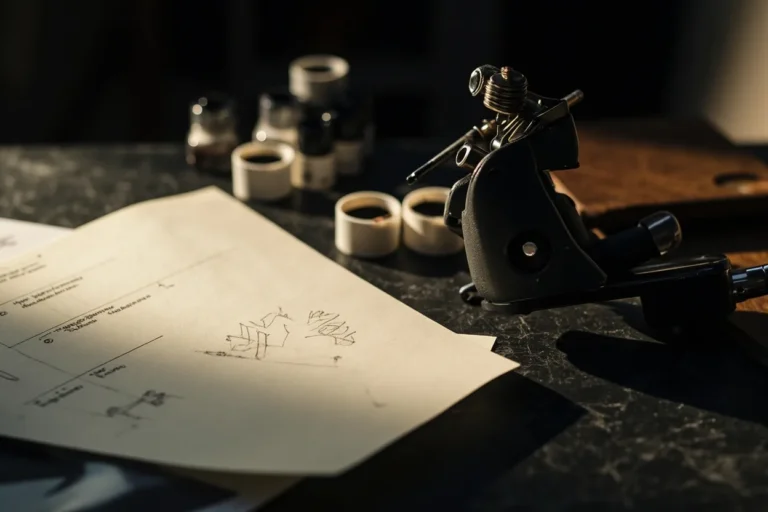
A good tattoo in the US usually runs between $150 and $300 per hour for experienced artists, with minimums around $80, $150 even for tiny pieces. A full sleeve might cost $2,000, $5,000+. The real answer depends on the artist, the shop’s location, the design complexity, and how long you’ll actually sit. I’ve seen clients walk in expecting a palm-sized portrait for $50, and I’ve had to gently explain why that’s not happening. This guide breaks down what you’re actually paying for, so you can budget smart and spot red flags.
How Artists Actually Price Their Work
Most reputable shops use one of three methods: hourly rate, flat rate per piece, or day rate for large sessions. I’ve worked in shops that did all three depending on the artist’s preference.
Hourly vs. Flat Rate
Hourly is the most common. You’re paying for the artist’s time, plain and simple. A solid black line tattoo of a small symbol might take 30 minutes and cost the shop minimum. A detailed Japanese koi with background shading could eat eight hours over multiple sessions. Flat rates work better for tattoos the artist has done a hundred times, simple script, flash designs, or walk-in-friendly pieces. The artist knows exactly how long it takes and quotes accordingly. Day rates, usually $800, $1,500, make sense for collectors getting extensive work done in one long sitting.
- Shop minimum: $80, $150 (covers setup, supplies, and the artist’s baseline time)
- Hourly rate for experienced artists: $150, $300+
- Apprentice or newer artist rates: $80, $150/hour
- Day rates for large projects: $800, $1,500
- Famous or booked-solid artists: $300, $500+/hour, sometimes with years-long waitlists
What the Quote Actually Includes
That hourly rate isn’t pure profit. The shop takes a cut, usually 40, 60% in traditional split arrangements. Out of the artist’s portion comes: needles, ink, grips, barriers, stencil paper, aftercare supplies, and often their own machine maintenance. Plus years of skill development. I tell clients: you’re not buying a drawing, you’re buying a permanent installation on your body by someone who trained for years not to mess it up.
What Drives the Price Up
Certain factors reliably push costs higher, and they’re worth understanding before you ask for a quote.
Placement and Pain Spots
Ribs, sternum, inner bicep, feet, hands, neck, these spots hurt more, which means the artist works slower. Skin texture varies wildly. I’ve tattooed outer forearms that felt like butter, then moved to ribs where every line needed three passes because the client couldn’t stop flinching. Difficult placements take longer, period. Some artists also charge more for spots that are technically challenging, like fingers or areas that move constantly.
Style and Color Complexity
Black and gray realism generally takes less time than full color. A solid black traditional panther? Fast. A photorealistic portrait with ten subtle skin tones? Hours of layering and blending. White ink highlights, UV-reactive pigments, and certain color saturations require extra passes. Watercolor-style tattoos with no black outlines age poorly and often need touch-ups, which some artists build into initial pricing.
- Single-needle fine line: technically demanding, often premium pricing
- Large-scale blackwork: faster to execute, but still priced by time
- Color realism: most time-intensive, highest cost
- Cover-ups or rework: usually 1.5, 2x the price of a fresh tattoo
Geography Matters More Than You Think
A tattoo in Manhattan or San Francisco costs more than the same tattoo in rural Ohio or a smaller Southern city. Rent, cost of living, and local demand all factor in. I’ve seen excellent artists in mid-sized cities charging $150/hour who’d command $300+ in Los Angeles. That said, don’t road-trip to save money if it means sacrificing quality or aftercare access. A cheap tattoo three hours away becomes expensive when you need touch-ups or have healing concerns.
Tourist-heavy spots like Miami Beach or Vegas strip shops sometimes inflate prices for walk-ins who won’t return. Conversely, established shops in smaller towns might undercharge because the local market won’t bear higher rates, even for excellent work. Research the specific artist, not just the zip code.
Red Flags: Too Cheap and Too Expensive
Both extremes should make you pause. I’ve watched too many people learn this the hard way.
The Bargain Trap
$30 tattoos, “tattoo parties” in someone’s kitchen, artists who skip the consultation and just start drawing, run. In my chair, I’ve covered up kitchen scratcher disasters that cost $50 to get and $800 to fix. Unlicensed work risks infection, scarring, and art you’ll hate forever. A legitimate shop has visible licenses, autoclaves for sterilization, and artists who’ll show you their portfolio without hesitation. If the price feels too good to be true, the artist is either desperate, unskilled, or cutting corners on safety.
The Prestige Premium
On the flip side, some artists charge celebrity rates because they’ve built a brand, not because their current work justifies it. I’ve seen artists with 500K Instagram followers doing mediocre work for $400/hour because their name draws clients. Look at healed photos, not just fresh, filtered shots. Ask to see work that’s six months or a year old. Good tattooing holds up; hype fades.
- Shop won’t show healed portfolio: red flag
- Artist pressures you to book immediately: red flag
- No written estimate or contract: red flag
- Payment only in cash with no receipt: red flag
- Portfolio is all fresh tattoos, no healed work: yellow flag at minimum
Tipping, Touch-Ups, and Hidden Costs
Budget beyond the base price. In US shop culture, 15, 20% tipping is standard for good work. I don’t expect it from every broke college student, but it’s deeply appreciated and often factored into how artists view repeat clients.
Touch-ups are usually free within a few months if the tattoo healed poorly due to application issues, but not if you picked at it or sunburned it. Some shops charge for touch-ups after six months. Ask upfront. Aftercare products run $10, $25. Travel to specialty artists adds hotel and gas costs. Large projects require multiple sessions, so you’re paying for your own healing time between sittings, usually 4, 6 weeks minimum.
How to Get an Accurate Quote
The best way: visit the shop in person with reference images and placement ideas. Email consultations work for busy artists, but photos of your actual body part help enormously. I can’t quote a rib piece without seeing your torso shape, skin tone, and existing tattoos. Be specific about size, “palm-sized” means different things to different people. Bring a measuring tape or use a phone app.
Don’t haggle. Negotiating a tattoo price insults the artist and suggests you don’t value their skill. Some artists offer payment plans for large pieces; ask respectfully if that’s an option. Deposit policies vary, typically $50, $200 non-refundable, applied to the final session. No-shows cost artists money, so deposits protect their schedule.
Key Takeaways
Expect to pay $150, $300 per hour for quality work from an established artist, with shop minimums around $80, $150. Small, simple tattoos might hit that minimum; large, complex pieces scale by time. Location, style, placement difficulty, and artist reputation all move the needle. Avoid bargain-basement deals and celebrity hype alike, judge healed work, not price tags. Budget for tipping, aftercare, and possible touch-ups. The cheapest tattoo is rarely the best deal, and the most expensive isn’t automatically the best art. Do your research, save up if needed, and remember: you’re wearing this for life.
Frequently Asked Questions
Why do two artists quote wildly different prices for the same tattoo idea?
Artists estimate time differently based on their speed, style approach, and how your specific skin type affects their work. One might plan three hours for shading another artist does in one. Always ask what’s included and whether the quote is hourly or flat.
Is it rude to ask an artist why they charge what they do?
Not if you ask respectfully. Most artists will explain their rate structure, especially if you’re booking substantial work. Don’t interrogate, but it’s fair to understand what you’re paying for, experience, specialty, or shop overhead.
Can I negotiate a payment plan for expensive sleeve work?
Many artists accept multi-session payment plans for large projects since they’re already scheduled across months. Ask during consultation, not after the work’s done. Get any plan in writing with clear session dates and amounts.
Should I tip if the tattoo already costs hundreds of dollars?
Yes, if you can afford it. Tipping 15, 20% is standard US shop culture and acknowledges the artist’s labor beyond the base rate. If you’re genuinely strapped, a sincere thank-you and referrals to friends still matter.
Related Tattoo Guides
- How to Create a Sleeve Tattoo Design: A Working Artist s Guide
- How to Decide on a Tattoo You ll Actually Keep Loving
- How to Get Ready for a Tattoo: A Complete Prep Guide
- Explore more