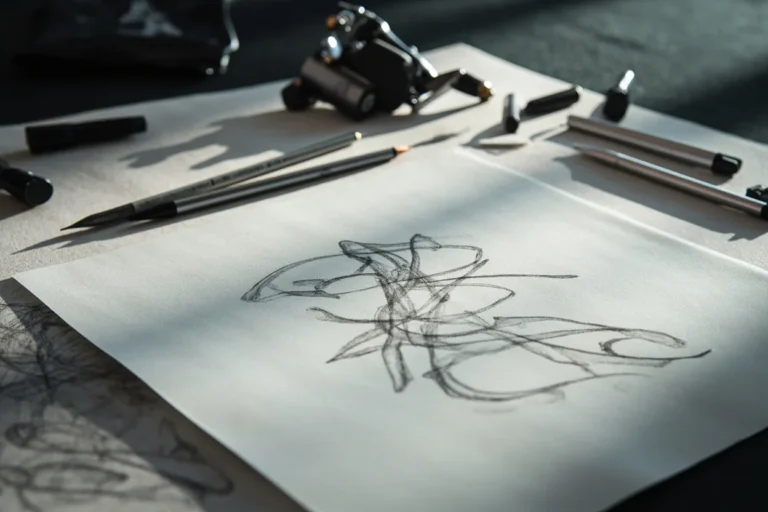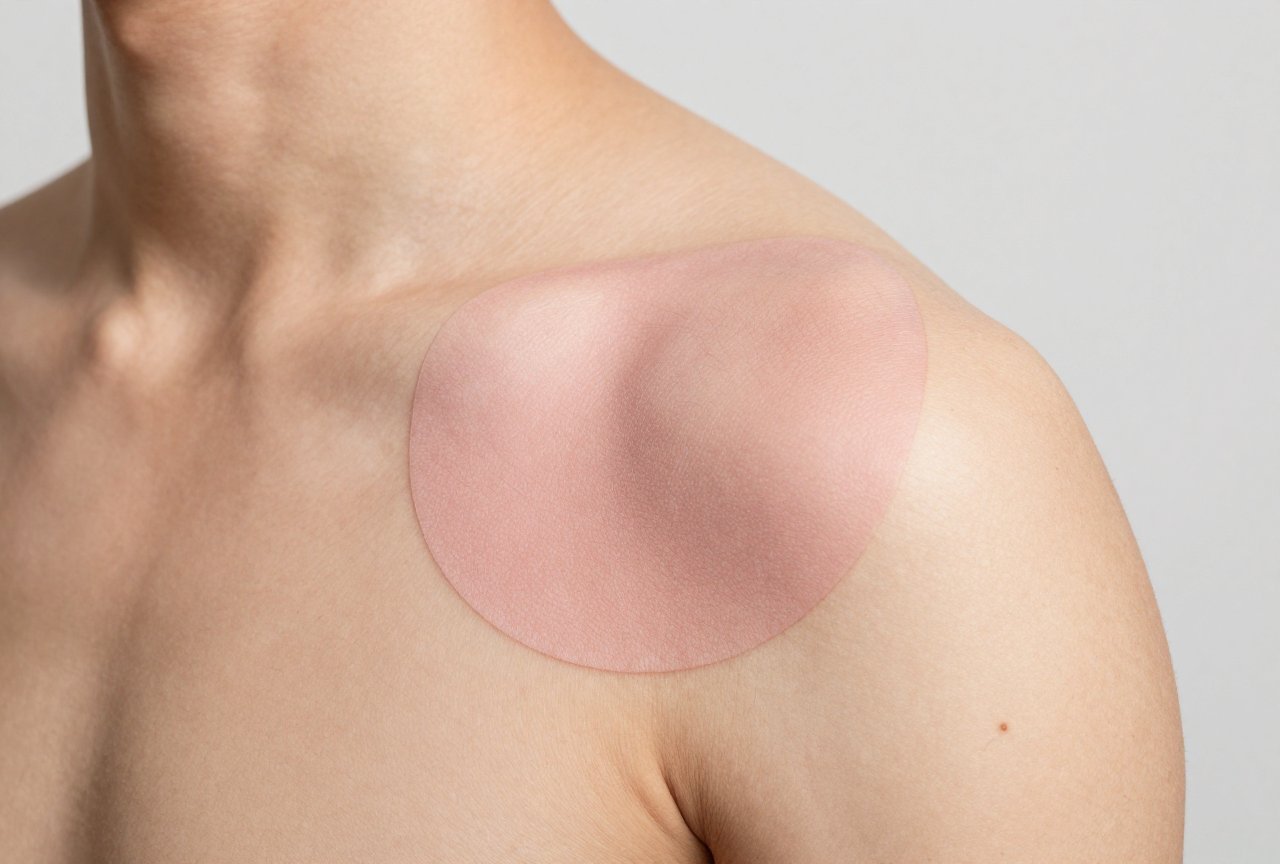
Getting ready for a tattoo isn’t complicated, but it matters more than most people think. After fifteen years in shops from Portland to Austin, I’ve watched clients walk in sharp and ready, and I’ve seen others stumble in hungover, empty-stomached, and shocked by the reality of the needle. The difference shows in their pain tolerance, their blood sugar stability, and how cleanly the tattoo settles into the skin. Here’s what I tell everyone who books time in my chair: prepare your body, manage your expectations, and show up like you respect the process.
Feed Your Body, Not Your Nerves
Eat a Real Meal
I’ve tattooed people who “forgot to eat” and watched them go gray halfway through a three-hour session. Your body burns glucose fast when you’re under stress. Eat a solid meal two hours before you arrive, eggs and toast, a burrito, pasta with protein, whatever sticks with you. Avoid extreme grease if you’re prone to nausea, but don’t show up running on coffee alone. I keep granola bars at my station, but that’s backup, not a meal plan.
Hydrate Like It’s Your Job
Dehydrated skin is stubborn skin. It doesn’t take ink as evenly, and it gets irritated faster. Start drinking water the day before, not just chugging a bottle in the parking lot. Skip heavy alcohol for 24 hours beforehand, thinned blood makes a mess, and nobody wants to wipe your plasma every thirty seconds. I had a client bleed through a beautiful line piece once because he’d been day-drinking at a wedding. We had to stop and reschedule.
- Eat a substantial meal 1-2 hours before
- Drink water consistently for 24 hours prior
- Avoid alcohol the day before
- Limit excessive caffeine right before
What to Wear and Bring
Dress for Access
Think about where you’re getting tattooed. Rib piece? Wear a loose tank or button-down you can drop off one shoulder. Thigh work? Shorts that roll easily, not skinny jeans you have to peel off. I’ve had clients in rompers and bodysuits that required full disrobing in a shop full of people. Plan ahead. Dark colors are smart, ink and blood happen, and you don’t want to ruin your favorite white shirt.
Pack a Small Bag
Phone charger, headphones, a book if you don’t zone out to music. Some shops are loud, some are dead quiet; either way, your entertainment is your business. Bring a small snack for longer sessions, chocolate, trail mix, something quick. I don’t mind pausing for a sugar break. What I mind is someone shaking because their blood sugar crashed and they didn’t plan for it.
- Loose, dark clothing that exposes the area easily
- Phone + charger or headphones
- Small snack for sessions over two hours
- Valid ID, shops card, always
Skin Prep and the Night Before
Don’t shave the area yourself unless your artist specifically asks. I can’t count the times someone has nicked themselves, given themselves razor burn, or shaved unevenly and made my job harder. I’ll prep the skin with a fresh razor and proper technique, it’s part of the service. What you should do: moisturize normally for a few days leading up, but don’t slather on heavy lotion the morning of. Greasy skin repels stencil transfer.
Get real sleep. Not “I’ll sleep when I’m dead” sleep, actual rest. Pain perception spikes when you’re exhausted. I’ve had tough clients who I know can sit well turn into squirmers because they were up until 3 AM anxious-scrolling Instagram. Your nervous system is already handling something intense; don’t handicap it further.
Managing Pain and Anxiety
Pain Is Real, Not Abstract
It hurts. I won’t lie to you. But it’s a specific kind of hurt, rhythmic, concentrated, not the shock of breaking a bone. Some spots are worse: ribs, feet, inner bicep, spine. Others are milder: outer arm, thigh, calf. I tell first-timers to start with meatier areas if they’re nervous. The psychological buildup is usually worse than the first five minutes of actual tattooing. After that, endorphins kick in and most people settle into a weird trance state.
What Not to Take
Don’t pop painkillers beforehand, especially NSAIDs, they thin blood and make you bleed more, which pushes out ink and extends the session. Don’t smoke a ton of weed to “relax” unless you know exactly how your body handles it; I’ve seen people get paranoid, hypersensitive, or fall asleep and twitch. Tylenol after the session is fine. Beforehand, just show up sober and present.
- Don’t take aspirin or ibuprofen pre-session
- Avoid numbing creams unless artist-approved (they can alter skin texture)
- Stay sober, alcohol and cannabis complicate pain response and consent
- Breathe deeply; tension makes everything worse
Know Your Design and Placement
Have a clear idea, but stay flexible. I do consultations for a reason. Sometimes a client’s Pinterest reference won’t work at the size they want, or the detail will blur in five years on a high-movement spot. I had someone bring a photo of a delicate watercolor piece for their hand, fine lines, no black, heavy color washes. I had to explain that hands shed ink constantly, that watercolor without structure turns to mush, that they’d be back for constant touch-ups or looking at a faded blob. We redesigned together. Trust your artist’s eyes; we see how things age.
Placement affects your daily life more than people consider. A visible hand or neck tattoo changes job prospects in ways a chest piece doesn’t. Sleep on it if you’re unsure. Good shops don’t pressure you. I’ve talked people out of impulse placements more times than I can count, and I’ve never regretted it.
Day-Of Reality: What Actually Happens
You’ll fill out paperwork, consent, health questions, maybe a deposit handling. We’ll set the stencil, which feels like a cold sticker press. You’ll approve placement in a mirror. Then setup: needle out, ink caps filled, the buzz of the machine starting. The first line always surprises people, sharper than expected, more mechanical. Then rhythm. Then time gets weird. Three hours can feel like forty minutes or six hours depending on your headspace.
We wipe constantly. There’s blood, sure, but also ink and plasma, it looks dramatic but it’s normal. I check in every so often. Some clients chat the whole time, some go silent and internal. Both are fine. Just don’t jerk. Sudden movement is how lines get blown out or you get nicked worse than the tattoo itself.
Aftercare Starts Immediately
Your artist will wrap you before you leave, Saran-style wrap, SecondSkin, or a breathable bandage depending on the piece and our preference. Listen to our specific instructions over generic internet advice. I use SecondSkin for most pieces now; clients can shower with it, it protects from bacteria, and it catches plasma without the stuck-to-the-sheets nightmare of traditional wrapping. But some artists swear by dry healing, others use different methods. Follow who did your tattoo.
General rules: keep it clean, don’t submerge it (no baths, pools, hot tubs for two weeks), don’t pick scabs, don’t over-moisturize to the point of soggy skin. Sun is the enemy of fresh and healed tattoos alike. A piece I did beautifully in March can look ten years old by August if someone bakes it at the beach without protection. Expect peeling around day three to five. That’s not infection, that’s normal healing. Redness spreading, heat, or pus are when you call a doctor, not your artist.
- Follow your specific artist’s aftercare protocol
- Keep clean and dry; no soaking for two weeks
- Don’t pick, scratch, or let pets lick it
- Stay out of sun; use SPF once healed
Key Takeaways
Preparation isn’t about perfection. It’s about showing up fed, rested, hydrated, and mentally ready for something permanent. Respect the process, respect your artist’s expertise, and don’t treat your body like an afterthought. The best tattoos I’ve done weren’t just on cooperative skin, they were on people who came in prepared, listened during the session, and took aftercare seriously. Your tattoo will outlast your job, your relationships, maybe your city. Treat the day you get it with the weight it deserves.
Frequently Asked Questions
Can I workout before getting tattooed?
Light exercise is fine, but skip intense sessions that leave you depleted or dehydrated. Your body needs stable blood sugar and energy reserves for the session ahead.
Should I bring a friend to my appointment?
One quiet friend is usually okay, but check with your shop first. Some artists prefer no audience, extra people mean extra germs, distractions, and sometimes unwanted opinions on the design.
How much should I tip my tattoo artist?
Twenty percent is standard for good work in US shops, same as restaurants. Cash is preferred. If your artist owns the shop, they still pay for supplies, booth fees, and equipment, tip for their time and skill.
What if I need to sneeze or move during the tattoo?
Warn your artist first if you feel a sneeze, cough, or cramp coming. We’ll pause the needle. Sudden movement without warning is what causes mistakes, communication keeps everyone safe.
Related Tattoo Guides
- How to Get Tattoo Certified: A Working Artist s Guide
- How to Make a Homemade Tattoo: A Realistic Guide
- How to Make a Tattoo Stencil Without Transfer Paper
- Explore more